INDEPENDENT AUTOMOTIVE NEWSGLOBAL PERSPECTIVE / AUSTRALIAN EDITION
TDCNTHE DAILY
CAR NEWS.

The road ahead.
Every day.

RSS ↗
Latest/Performance

457 original articles

Performance / TDCN ORIGINAL

Two Porsche 911s arrive at SEMA with Maserati and GM V8 swaps

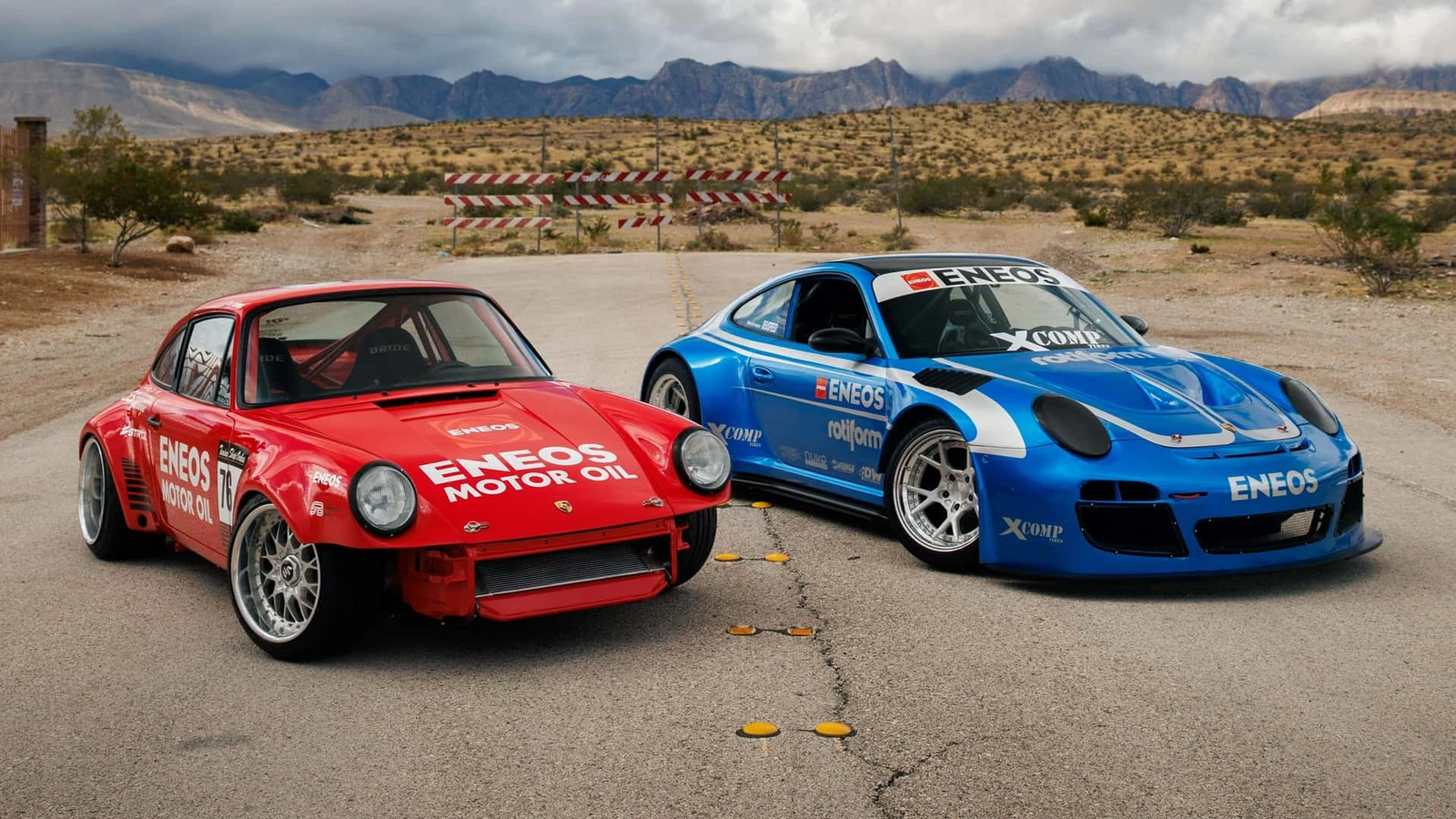
A 1978 911 SC now runs a Ferrari-built Maserati F136 V8, while a 997 GT3 has traded its flat-six for a dry-sump 6.0-litre LS2.

Image: Motor1

Two Porsche 911s are on display at the 2026 SEMA Show in Las Vegas, each running a V8 in place of the flat-six the factory fitted. One is a 1978 911 SC converted by Jimmy Oakes to take a 4.3-litre Ferrari-built Maserati F136 V8; the other is a 2007 997 GT3 owned by Faruk Kugay that now runs a dry-sump 6.0-litre LS2.

Both cars are presented through Eneos Oil and are on show until November 6 at the Las Vegas Convention Center. Neither is a Porsche-built concept: they are private builds made to find out what else fits in a 911 engine bay.

The Italian V8 911

Oakes's car, a 1978 911 SC, carries the F136 V8 that was originally fitted to a 2007 Maserati Quattroporte. The engine is a flat-plane-crank unit, and Maserati and Ferrari shared engineering resources for years before that arrangement ended in 2023, which is how a Ferrari-developed engine ended up badged as a Maserati.

Marrying the Italian V8 to the Porsche required substantial fabrication. The F136 is mated to a Porsche 996 transmission via a Kennedy Engineered Products bellhousing, a custom clutch and flywheel, and an engine cradle built specifically for the conversion. Engine management comes from a Link ECU G5 Voodoo Neo 6, with custom Stainless Bros headers and exhaust, and individual throttle bodies adapted from BMW E90/E92 M3 S65 parts.

That throttle-body work is reportedly enough to let the F136 rev to an 8,000-rpm limit. The car also gained upgraded brakes, coilovers and a roll cage. It sat in the Eneos booth during the Rays Wheels Silver Lot takeover.

The drift-focused LS2 GT3

Kugay's 2007 997 GT3 has followed a longer path. It previously ran a Subaru STI EJ25 flat-four, itself an unusual swap, before being rebuilt around a 6.0-litre LS2 with LS3 cylinder heads and a dry-sump setup intended for sustained sideways abuse.

The GT3 had its first large-scale public outing during the Optima driving experience in SEMA's Bronze Lot. Few 911 GT3 builds discard both the standard flat-six and an earlier replacement engine within the same car's life.

Porsche has used V8s in the 928, Cayenne and 918 Spyder, but never in a production 911. That is the gap these two cars fill: they are not attempts to improve on Porsche's own engineering, but experiments in what the engine bay can accommodate.

What has not been announced

Neither build has a published power or torque figure in the source material, so output for both the F136 and the LS2 conversion has not been announced. The only performance number given is the reported 8,000-rpm ceiling for the Maserati-derived V8.

The two cars share a sponsor but answer different questions about what a 911 can become, one leaning on Italian V8 character and the other on a robust American V8 built for drift duty.
Open this article ↗
New cars / TDCN ORIGINAL

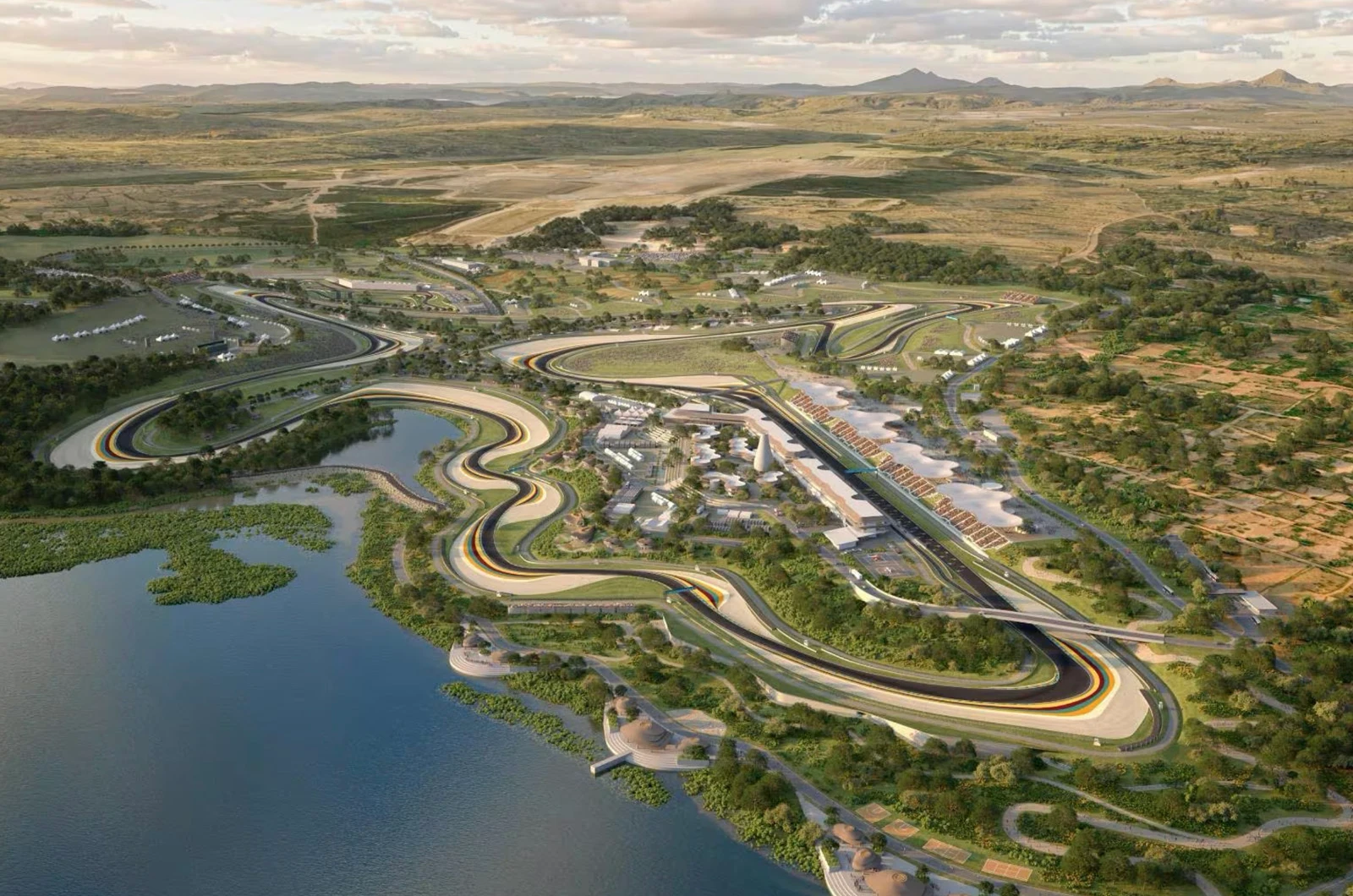
F1 signs 10-year Rwanda race deal set to begin in the early 2030s

The new grand prix would be Africa's first since 1993 and depends on an ambitious new circuit being built.

Formula 1 has agreed a 10-year deal to race in Rwanda, with the grand prix due to join the calendar in the early 2030s once a new track is constructed. It would be the sport's first race in Africa since 1993.

Why Rwanda and not France or Germany

The Rwanda deal lands at a moment when neither France nor Germany holds a place on the F1 schedule. France last hosted a race at Paul Ricard in 2022, and Germany has not staged a grand prix since the one-off Eifel GP at the Nürburgring in 2020, a race held during the Covid-affected season.

Autocar frames the shift bluntly: traditional heartlands are no longer sacrosanct when untapped regions offer richer returns. F1's hosting fees are steep enough that a country without the private or public investment to meet them has no automatic claim on a calendar slot, particularly when demand exists elsewhere.

That matters because the calendar is now a commercial contest as much as a sporting one. Under Liberty Media since 2017, F1 has expanded into Miami and Las Vegas, and the Rwanda race is presented as another landmark for chief executive Stefano Domenicali and his team.

The case for Africa

F1 justifies Rwanda partly on audience grounds, claiming a following of 100 million people across Africa even without a grand prix, with a high proportion of them under 35. Lewis Hamilton has consistently argued that the sport should return to the continent, and the deal delivers on that long-standing call.

Exposing motorsport to fresh audiences is the obvious upside. The cost is that fans in countries where racing is deeply rooted now have to cross borders to see a grand prix.

Sportswashing questions

The announcement, made last month, drew claims of sportswashing, given that Rwanda still has questions to answer over its human rights record. The country is also still shaped by the genocide within living memory.

Autocar notes that such concerns have followed F1 before, as they have football and boxing, and tend to skim off the surface. The same applies to suggestions that the substantial funding behind the race, said to come from a mix of private and public sources, might do more direct good for local people if spent differently.

The catch for F1 is that the commercial logic and the human rights debate are now running on parallel tracks. The deal is signed, but the circuit still has to be built before the race can happen.

Open this article ↗

Keep scrolling to read the next story.

Older articles →