INDEPENDENT AUTOMOTIVE NEWSGLOBAL PERSPECTIVE / AUSTRALIAN EDITION
TDCNTHE DAILY
CAR NEWS.

The road ahead.
Every day.

RSS ↗
Latest/Electric

455 original articles

Electric / TDCN ORIGINAL

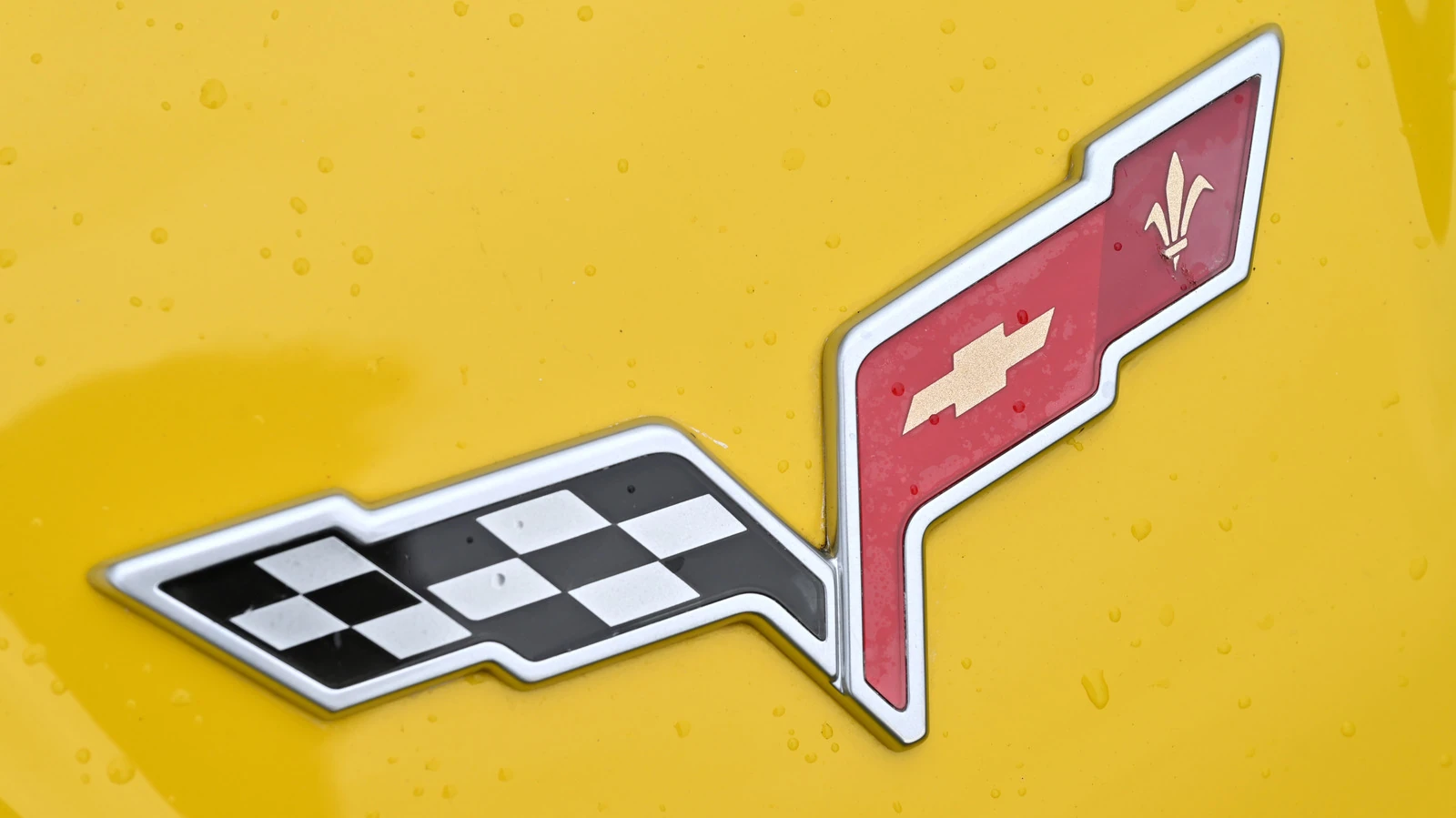
GM Reportedly Shelves Electric Corvette SUV and Two Other EV Models

A report says the electric Corvette SUV, a two-door electric sports car and an electric four-door fastback have been dropped from the plan, though GM has not confirmed it.

Image: Carscoops

General Motors has reportedly scrapped plans for an electric Corvette SUV, along with a two-door electric sports car and a four-door battery-electric fastback sedan, according to a report from GM Authority citing sources close to the automaker. The three models would have shared GM's corporate BEV Prime electric platform.

GM has not officially confirmed the change, and the report does not give a definitive reason for it, though it points to the underperformance of GM's electric lineup as a likely factor.

What was reportedly cancelled

The electric Corvette SUV was the headline casualty. It was positioned as a potential rival to the Porsche Cayenne. Alongside it, GM had been developing a two-door electric sports car and a four-door sedan with a fastback roofline and battery-electric power. All three were to be built on the same BEV Prime platform.

These plans had circulated in multiple reports over the previous couple of years, but GM never officially confirmed them. The new report indicates the strategy is now on hold, and possibly abandoned altogether.

Why GM may have pulled back

The report suggests GM's decision to go all-in on EVs at the expense of hybrids in its wider lineup has hurt its electric results, and that underperformance is to blame for the rethink. The irony is that the Corvette itself is one of the few GM products that does offer hybrid powertrains.

That context matters for buyers: GM's electric range has not delivered the sales the company expected, so adding more low-volume electric variants of a low-volume sports car looks like a harder sell than it did a few years ago.

The SUV idea may not be dead, just the electric version

A Corvette SUV still makes commercial sense even if an electric one does not. Porsche's Cayenne, launched in 2002, transformed that company's business and is currently its best-selling model. Lamborghini's Urus accounts for around 60 percent of that brand's output. McLaren has confirmed it has an SUV competitor in the works.

Fully electric SUVs have had a rougher time in this segment. Lotus launched the electric Eletre but weak sales led it to add a hybrid version. Porsche's combustion Macan was outselling the electric version right up until Porsche ended the petrol variant.

Carscoops notes that the Trump administration's relaxation of fuel economy standards has opened the door to more large-engined vehicles, and suggests at least some GM executives may be advocating for a V8 Corvette SUV, possibly with hybrid power. That is the outlet's own interpretation rather than a confirmed plan.

What is still unknown

GM has not issued an official statement on the reported cancellations, so the change remains unconfirmed. No timing for when, or whether, any of the three electric Corvettes might return has been announced. The report also does not say whether a Corvette SUV of any kind will be built, only that the electric version on the new platform has been scrapped.

For now, the only Corvette confirmed for the near term is the eighth-generation car, which moves to a new LS6 V8 for 2027.
Open this article ↗
New cars / TDCN ORIGINAL

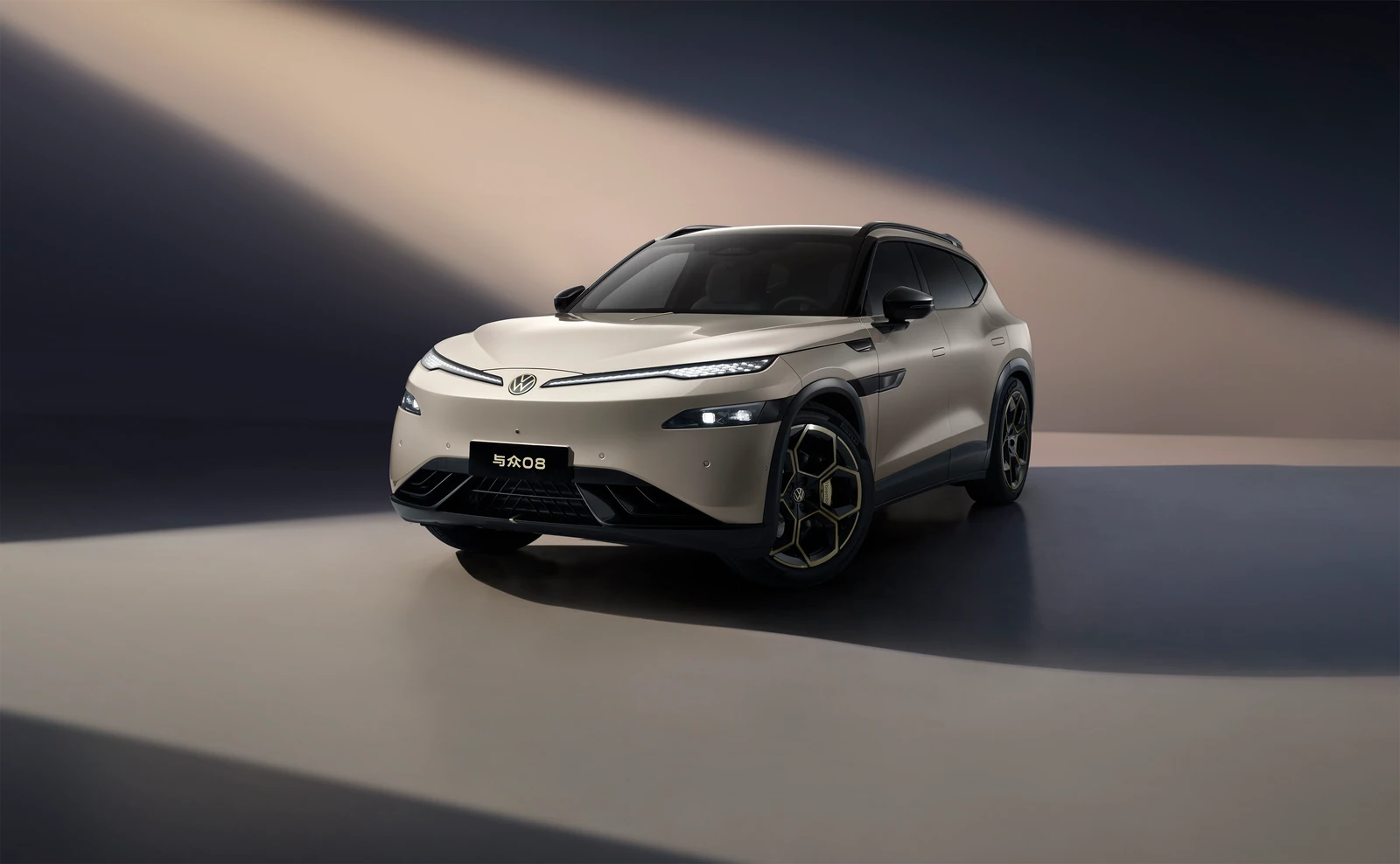
Volkswagen weighs using China-developed Xpeng tech in 75% of European core models

Group board member Thomas Schäfer says the CEA electrical architecture could underpin future Volkswagen, Cupra and Skoda models, but no decision has been made.

The Volkswagen Group is evaluating whether to use its China-developed electrical architecture in up to 75% of its future European core models, a move that would reshape the German firm's global engineering strategy as it seeks to cut costs. The discussions were confirmed by Group board member and Volkswagen brand CEO Thomas Schäfer, who said the China Electronic Architecture (CEA) could eventually be deployed across the Volkswagen, Cupra and Skoda brands in Europe.

The CEA was developed in partnership with Chinese EV maker Xpeng and is described as a zonal electronic and electrical architecture with high-performance central computing that enables software-driven innovations across all powertrain types, from combustion to hybrid to electric. Schäfer cautioned that no final decision has been made, though he indicated a strong leaning towards adopting the Chinese technology for Europe.

No European timeline or savings figure announced

Volkswagen has not announced when the CEA would reach European roads, nor which specific models would use it first. The 75% figure covers the firm's core models in Europe across Volkswagen, Cupra and Skoda, but the company has not said how much the switch would save. Schäfer said the group is "looking at the most cost-efficient way of making it ready for the volume segment" and is investigating whether the CEA is the right choice for Europe.

The potential pivot comes as Europe's largest car maker faces pressure to lower EV development costs and fend off competition from Chinese rivals.

The catch is that adapting either architecture for European rules and regulations adds cost, either by making Chinese-market cars more expensive or by creating a separate European variant. That trade-off sits at the centre of the group's decision, and it explains why Schäfer describes the process as unfinished rather than settled.

What it means for buyers

If Volkswagen adopts the CEA for Europe, the core models from three of its biggest brands would share a software and electronics foundation developed with a Chinese partner. That matters because electrical architecture determines how quickly a car can receive over-the-air updates, which driver-assistance features it can support and how much wiring and computing hardware it carries. A single architecture across combustion, hybrid and electric models would let Volkswagen spread development costs across a far larger volume of vehicles.

The smarter move for drivers and car buyers is to watch which models are named first. Schäfer's "I believe it will be" is a signal of intent, not a commitment, and the group has not confirmed a European launch date or a cost saving figure for the switch.

Open this article ↗

Keep scrolling to read the next story.

Older articles →