INDEPENDENT AUTOMOTIVE NEWSGLOBAL PERSPECTIVE / AUSTRALIAN EDITION
TDCNTHE DAILY
CAR NEWS.

The road ahead.
Every day.

RSS ↗
Latest/Australia

455 original articles

Australia / TDCN ORIGINAL

Hyundai Australia recalls every Elexio delivered over phantom braking, pauses sales

The Chinese-built electric SUV's forward collision system can brake without cause, and Hyundai warns the hardware and software fix may not arrive until February 2027.

Hyundai Motor Company Australia is recalling every Elexio it has delivered locally after the electric SUV's Forward Collision-Avoidance Assist system was found to apply sudden, unnecessary braking, and the brand has stopped taking new deliveries until a remedy is ready. The fix requires both replacement hardware and a software update, and Hyundai's customer information sheet puts the estimated timing at February 2027, a date it says is subject to review.

What the fault does and why it matters

Hyundai told CarExpert that in certain situations the Elexio's Forward Collision-Avoidance Assist (FCA) system may brake sharply even when no obstacle warrants it, and that sudden braking of this kind could raise the risk of a rear-end collision with a following vehicle. The company says some owners have already reported the behaviour, which prompted the voluntary safety recall.

An official recall notice is expected on the Department of Infrastructure website within the week. The affected population is 1619 vehicles, a figure that includes Elexios built but not yet handed to customers; 944 had been recorded as delivered in Australia from launch through the end of October 2026.

Hyundai has paused deliveries and pulled the Elexio from the configurator on its Australian website, though the model stays in the local line-up. Buyers waiting on a car they cannot yet take delivery of, and owners already driving one, are both eligible for a loan vehicle through an authorised Hyundai dealership until the remedy is applied.

The long wait is the hard part. A recall that pairs new hardware with new software is a workshop job, not an over-the-air patch, and Hyundai's own wording leaves room for the February 2027 estimate to slip later rather than earlier. Owners who want the loan car should treat the dealership booking as the first step, not the last.
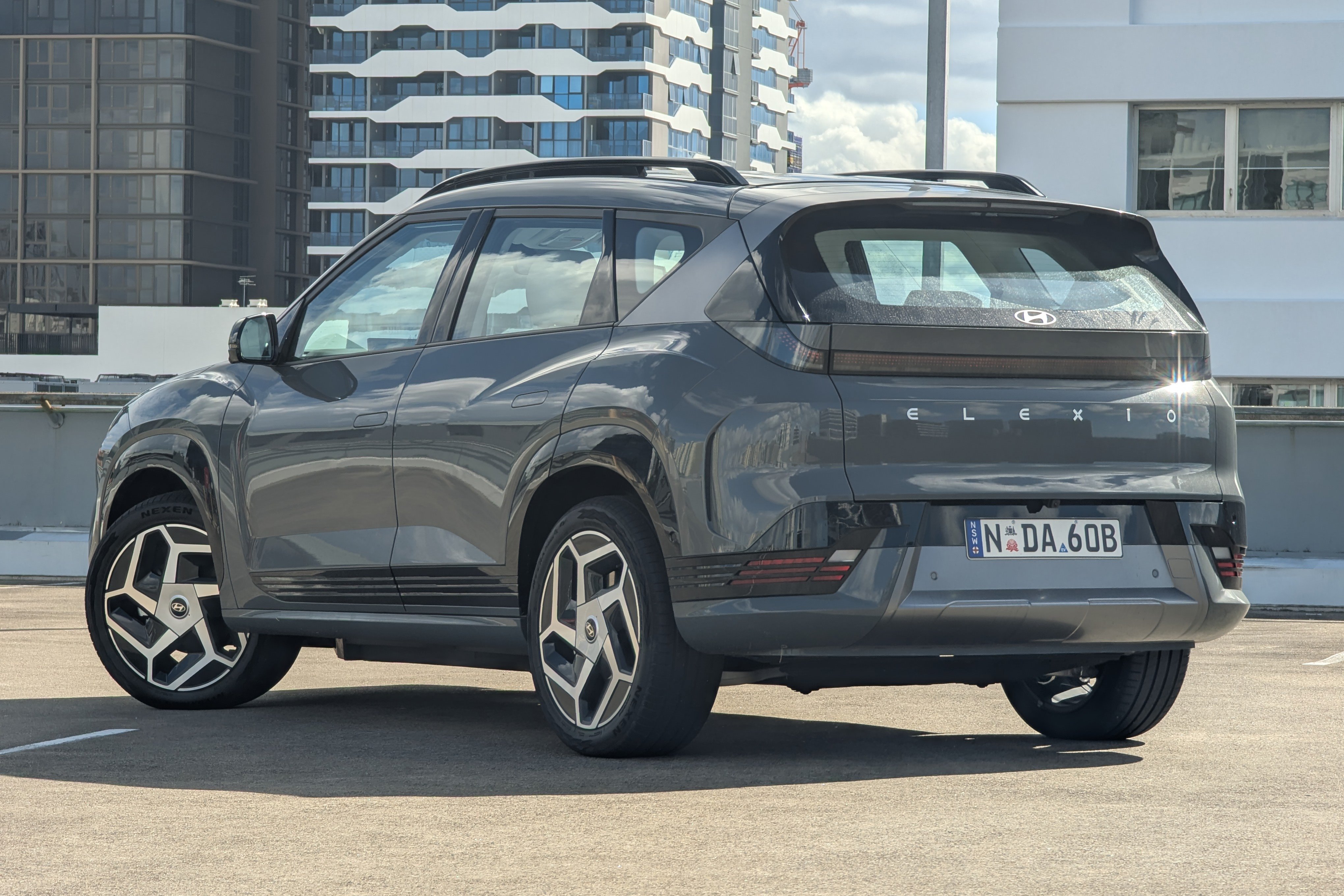
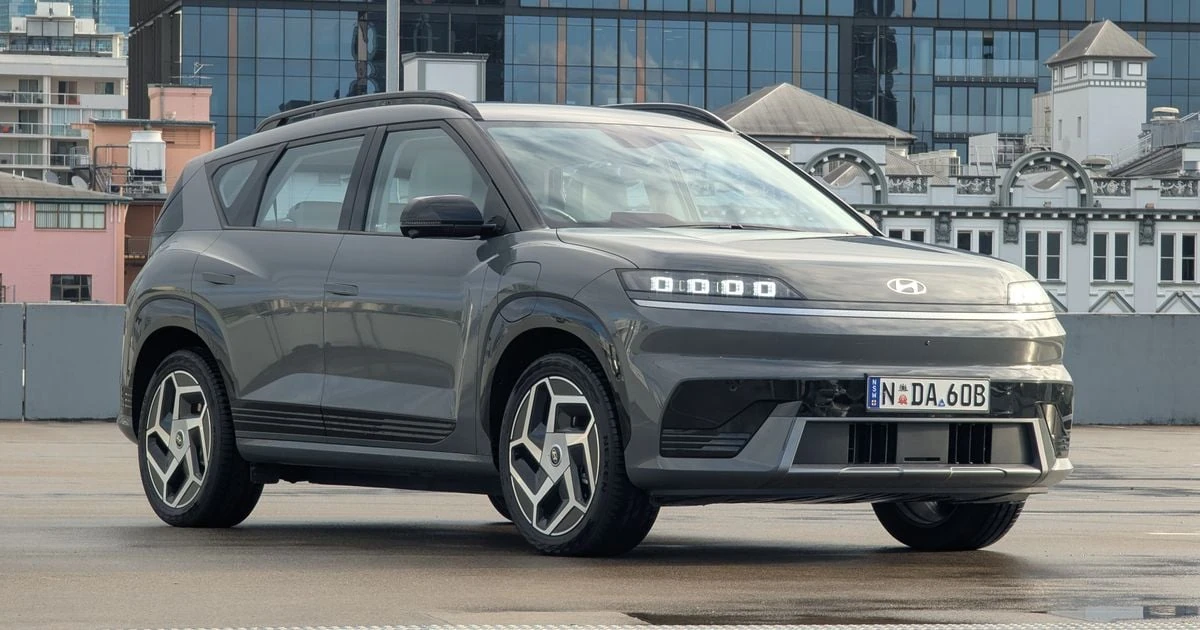
The Elexio SUV at the centre of Hyundai Australia's phantom braking recall and sales pause
The Elexio SUV at the centre of Hyundai Australia's phantom braking recall and sales pause, Image: CarExpert

A first for Hyundai in Australia, and a familiar fault

The Elexio is the first Chinese-developed, Chinese-built Hyundai sold in Australia, and Australia is the first right-hand drive export market for the mid-size electric SUV, with customer deliveries beginning earlier this year. That makes the recall an early test of how the brand handles a problem on a model with no local track record behind it.

Hyundai Australia also issued a recall earlier this year covering 36,496 current-generation Tucson mid-size SUVs for a similar issue. The repetition is the detail worth noting: the same class of driver-assistance fault has now surfaced on a combustion model and on the brand's newest electric SUV in the same market within a single year.

Hyundai's Australian arm said safety has always been its number one priority and that any issue with the potential to compromise it is taken seriously. Owners can reach Hyundai Australia Customer Care at [email protected] or on 1800 186 306.

Hyundai has not announced a revised on-sale date for the Elexio beyond the delivery pause, and it has not confirmed how many of the 1619 vehicles will need the hardware component versus the software update alone.
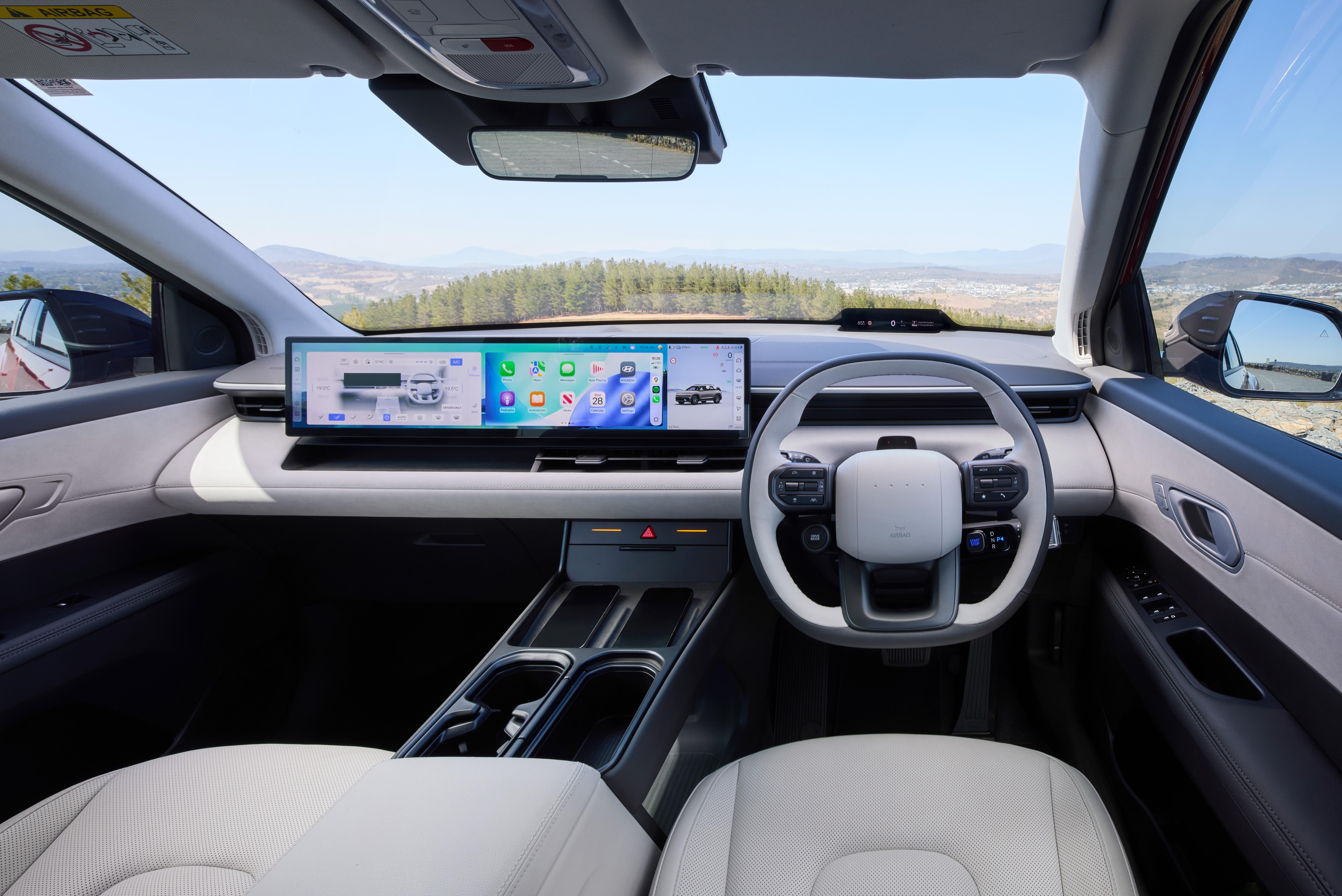
Inside the Elexio, where the driver-assistance systems behind the phantom braking fault are controlled
Inside the Elexio, where the driver-assistance systems behind the phantom braking fault are controlled, Image: CarExpert
Open this article ↗
New cars / TDCN ORIGINAL

JLR raids BYD's Dutch offices over Defender-lookalike Ti7 design claim

Bailiffs acting for Jaguar Land Rover seized records from two BYD sites in the Netherlands ahead of a Hague court challenge over the Ti7's Defender-style bodywork.

Bailiffs acting for Jaguar Land Rover have raided BYD premises in the Netherlands, seizing records as part of a design dispute over the BYD Ti7 and its resemblance to the Land Rover Defender. The court-ordered searches took place in August 2026 at BYD's Schiedam and Hoofddorp sites, ahead of a legal challenge that began this week in The Hague.

The raids were first reported by UK newspaper The Times, and both JLR and BYD have declined to comment on the case, according to overseas reports. The action centres on claims that the Ti7 infringes JLR's intellectual property relating to the Defender, Land Rover's best-selling model worldwide.

What JLR alleges and what happens next

The bailiffs were acting on JLR's behalf when they gathered evidence from the two Dutch offices, a step taken before the substantive case opened in The Hague. Neither company has publicly set out its position, so the scope of the claim rests on the court filings rather than on any statement from either side.

JLR has taken on copycat designs before. In 2016 it sued Chinese automaker Jiangling in a Beijing court over the Landwind X7 and its similarity to the Range Rover Evoque, winning in 2019 when Jiangling was ordered to stop building the SUV and pay 1.5 million yuan in compensation. The Ti7 is the only Defender-esque SUV JLR has so far pursued in court, despite a growing field of them.

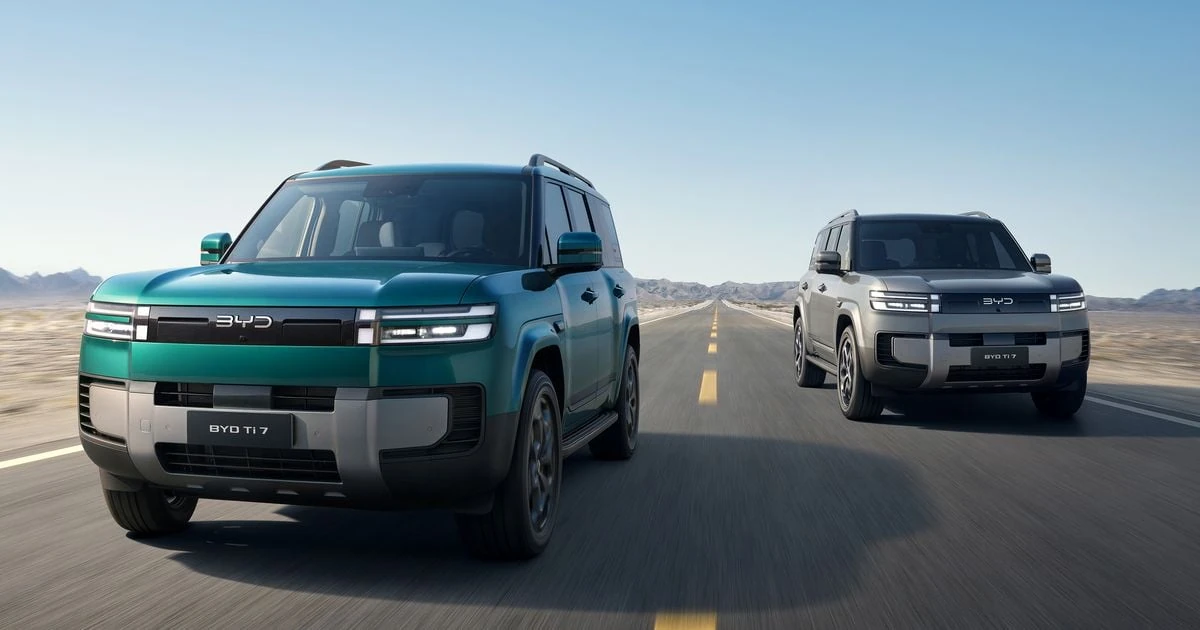
The BYD Ti7's slab-sided profile, seen in studio-style lighting
The BYD Ti7's slab-sided profile, seen in studio-style lighting, Image: CarExpert

The Ti7's Australian opening

The legal fight lands as the Ti7 edges closer to Australian showrooms. The SUV was granted approval by Australian authorities in recent days, clearing a path to a local launch.

Government documents show two powertrains: a 200kW plug-in hybrid with two-wheel drive and a 300kW plug-in hybrid with all-wheel drive. Beyond those outputs, BYD has not announced Australian pricing, variant names or a launch date.

That silence matters for buyers weighing a boxy plug-in hybrid SUV. The Ti7 has cleared the regulatory gate, but without a price or a date it cannot yet be lined up against the Defender-inspired models already here or on the way.

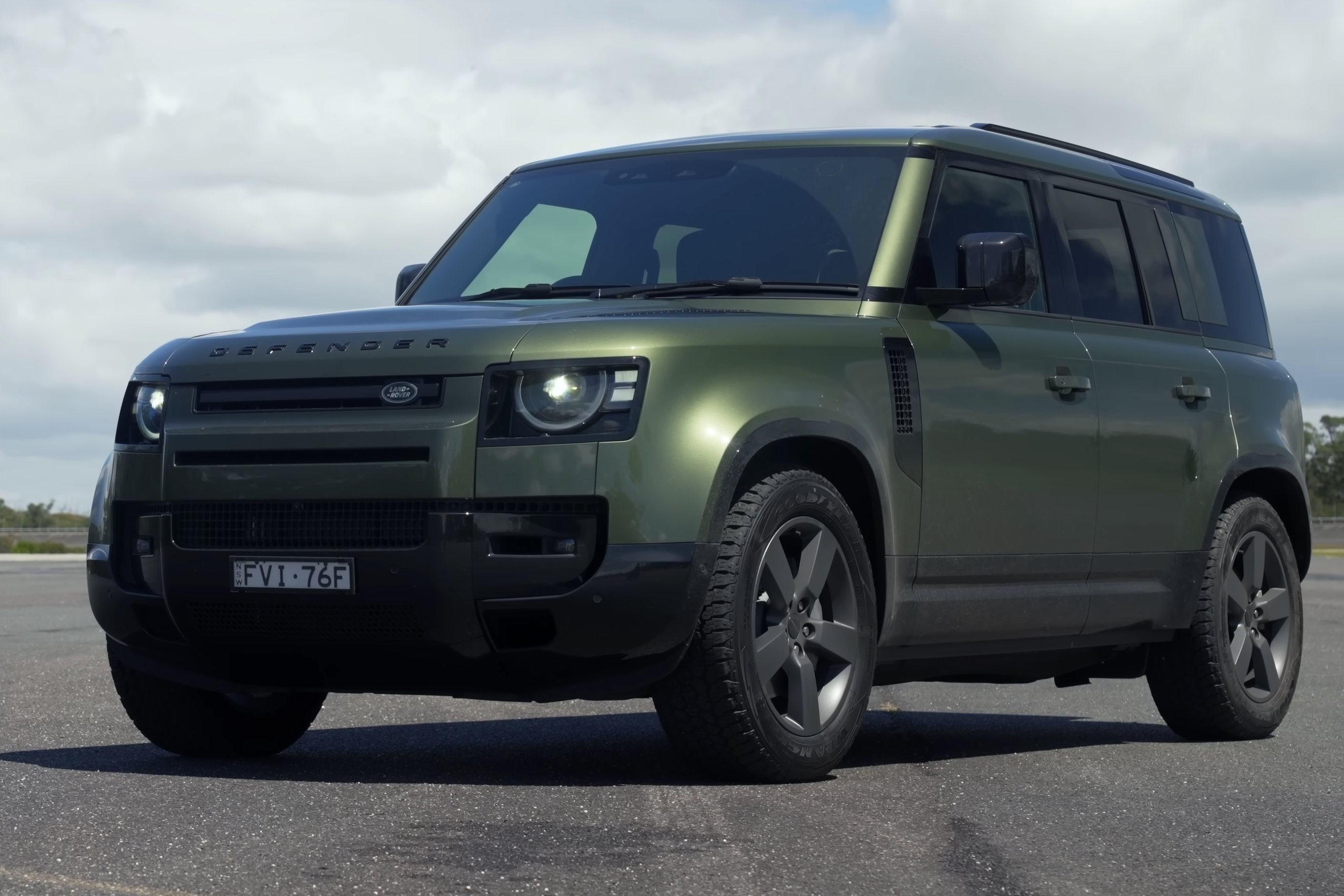
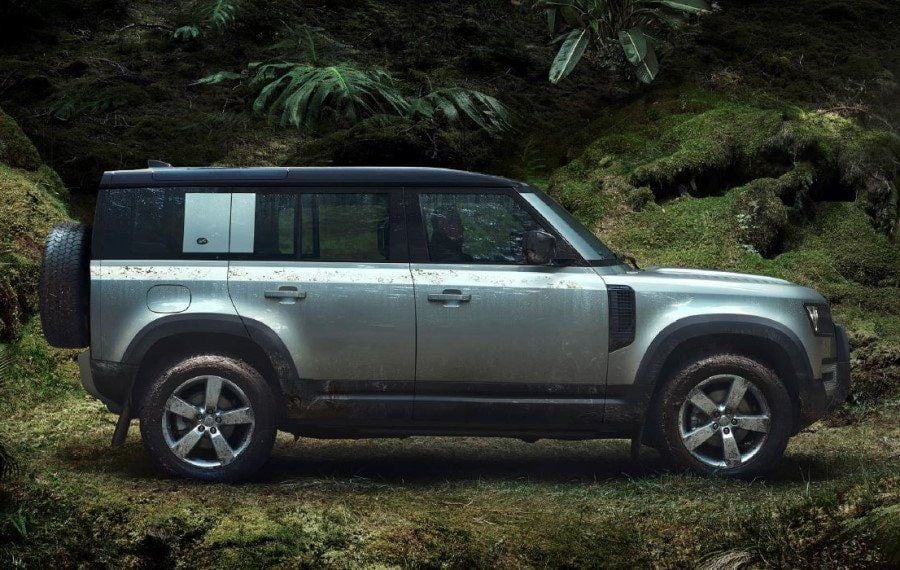
JLR's Defender, the design at the centre of the Dutch office raid
JLR's Defender, the design at the centre of the Dutch office raid, Image: CarExpert

A crowded field of Defender lookalikes

Defender-inspired SUVs are far more common in China than in Australia, but the local ranks already include the Denza B5 and GWM Haval H7, with the Geely Battleship 700, iCaur V25 and Jetour T2 due next year. Rox Motor has confirmed an Australian launch with a pair of SUVs that look much like the Defender. China has many more, among them the BAIC Xingtan 5X and Hongqi G919.

British buyers have already shown an appetite for the formula. The Jaecoo J7, a boxy Chinese SUV in the Land Rover mould, topped the UK sales chart for a second consecutive month and is on track to be the country's best-selling vehicle of 2026, per Autocar.

That commercial backdrop explains why JLR is picking its battles. A design win against BYD would set a marker for a whole generation of boxy Chinese SUVs, while a loss would leave the field open for the rest.

The Defender: the silhouette JLR says the Ti7 copied
The Defender: the silhouette JLR says the Ti7 copied, Image: CarExpert
Open this article ↗

Keep scrolling to read the next story.

Older articles →