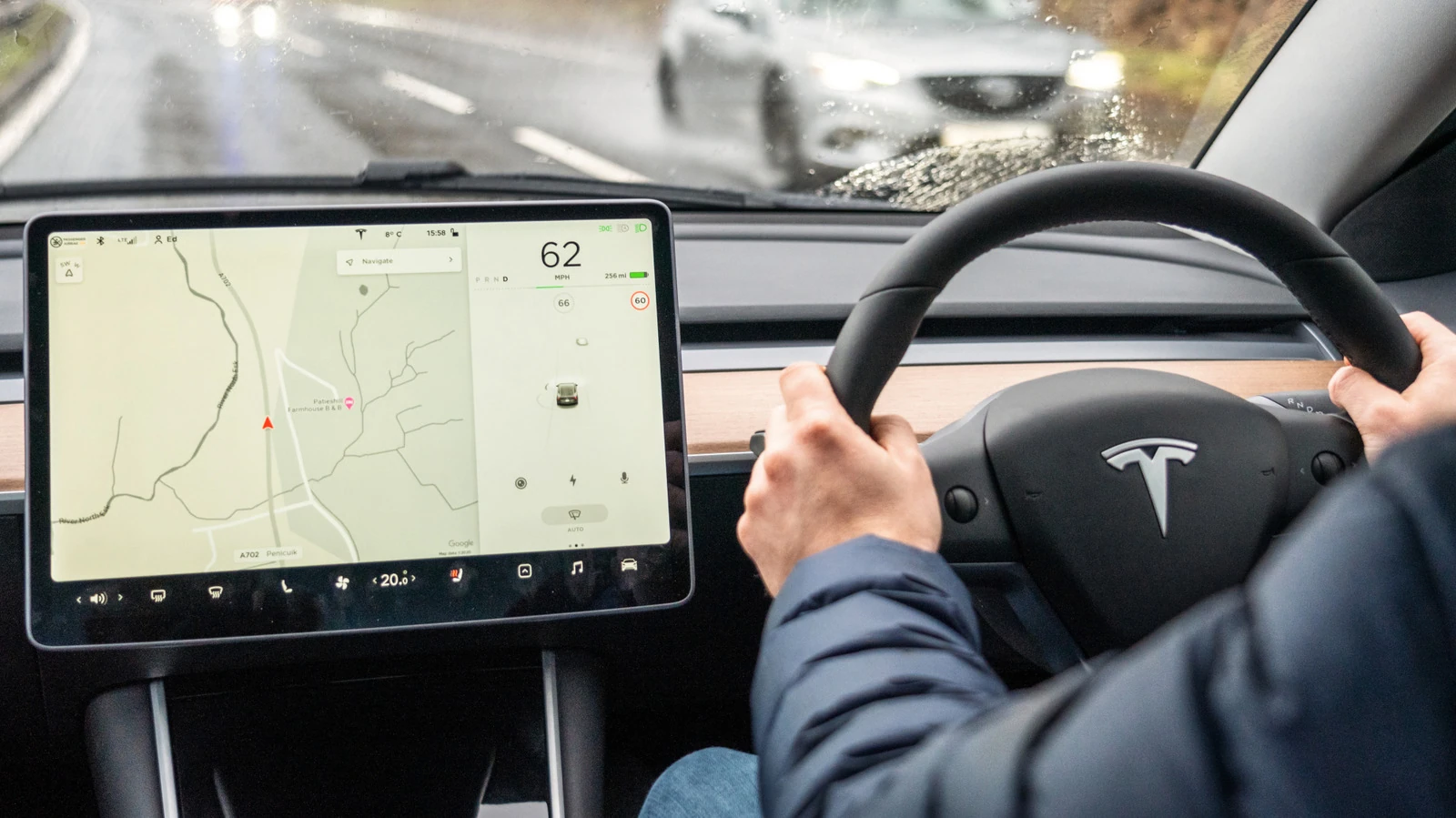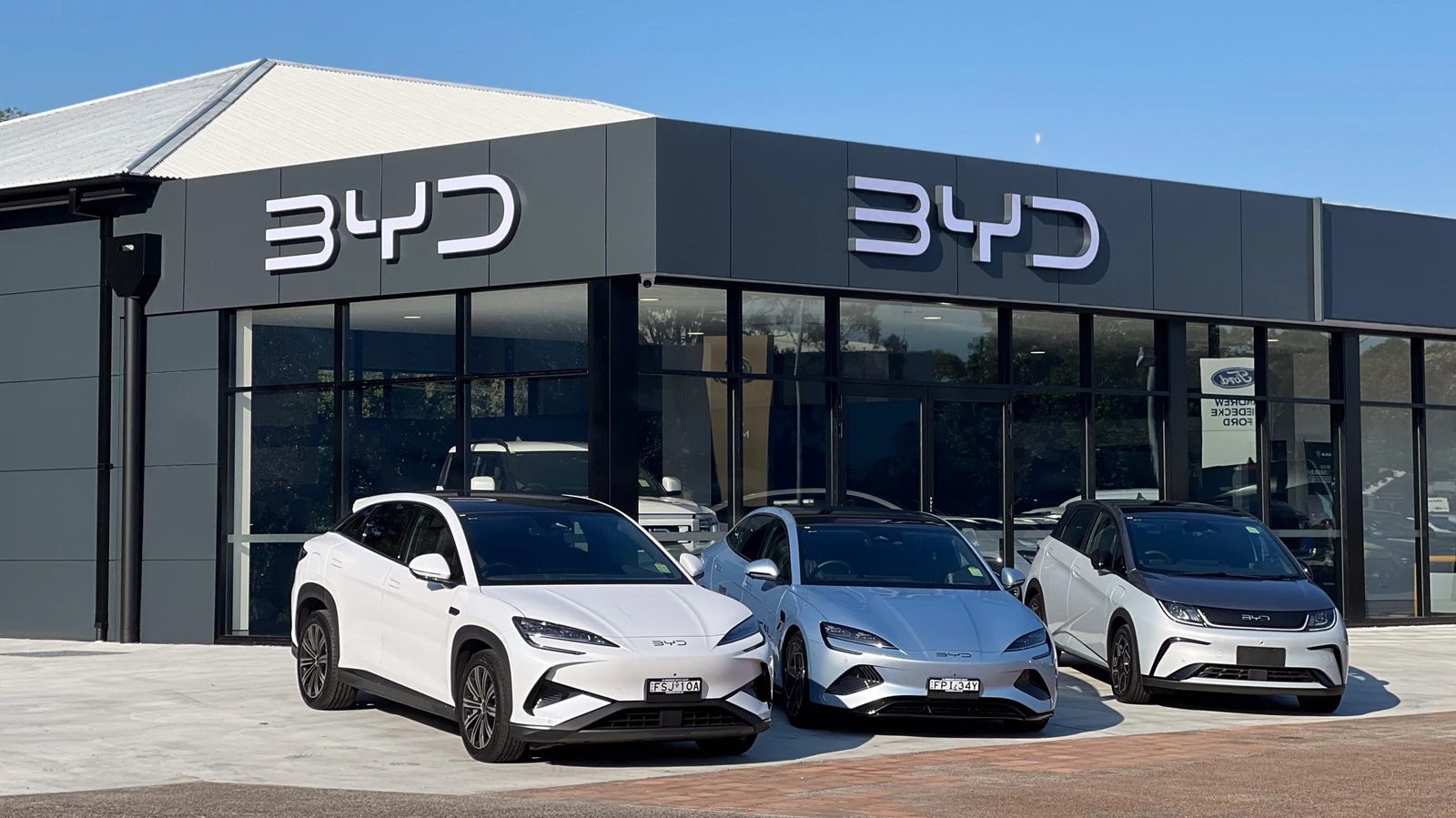
The Alliance for Automotive Innovation, the lobby group whose members include Ford, General Motors, Toyota, Volkswagen and Hyundai, has renewed its push for a complete ban on Chinese vehicles in the United States, urging Congress to act. Its president, John Bozzella, asked lawmakers to "stop Chinese automakers from doing here what they've gotten away with in Europe".
The call lands at a moment when Chinese-built cars are effectively already locked out of the US market by tariffs and connected-vehicle rules, but with no law guaranteeing those barriers last.
What the lobby group is actually asking for
Bozella's argument rests on two concerns: privacy and vehicle surveillance, and a wish to shield domestic manufacturers from competing with products that are considerably cheaper and, in many respects, more sophisticated.
He cited EU imports of more than 1.1 million Chinese-built vehicles in the first eight months of 2026, already above the total for the whole of 2025. That comparison is the group's warning shot: Europe's market has absorbed Chinese volume quickly, and the alliance does not want the same to happen in America.
The restrictions already in place
Chinese automakers do not currently sell cars in the US, and tariffs are a large part of the reason. In January 2025 the Biden administration finalised connected-vehicle restrictions aimed at certain Chinese and Russian technology, and at manufacturers with sufficient ties to either country.
Those rules bite in stages. Software restrictions, and the ban on covered manufacturers selling new connected vehicles, take effect for the 2027 model year. Restrictions covering vehicle-connectivity hardware follow for the 2030 model year, with a separate January 2029 deadline for hardware that has no associated model year.
Crucially, the rules apply even to vehicles built in the USA, which is essentially what pushed Polestar out of the American market. For buyers, that means a car's software and connectivity supply chain now matters as much as where the badge was bolted together.
The Connected Vehicle Security Act of 2026
The legislative vehicle for making those barriers more durable is the Connected Vehicle Security Act of 2026, sponsored by Republican Bernie Moreno and Democrat Elissa Slotkin. It would write the restrictions into federal law, covering connected vehicles, specified software and connectivity hardware linked to countries of concern, and it also targets companies that try to sidestep the rules by renaming, rebranding or restructuring covered products.
The bill advanced unanimously from the Senate Commerce Committee in July, giving it genuine bipartisan support. That unanimity is the strongest signal in the story: the committee vote suggests the measure is not a partisan gesture, even if its path through the full chamber is not yet settled.
When a full ban would take effect
A full ban is not a single switch, and the sources do not put a date on one. What is scheduled is the connected-vehicle regime: software restrictions and the prohibition on covered manufacturers selling new connected vehicles apply from the 2027 model year, with hardware restrictions following for the 2030 model year and a January 2029 deadline for hardware without an associated model year.
If the Connected Vehicle Security Act of 2026 becomes law, it would lock those restrictions in as federal statute rather than leaving them as administrative rules, but the sources give no separate commencement date for the Act itself beyond that framework. In other words, the 2027 model year is the point at which the software-side ban starts to bite, and 2029 and 2030 are the hardware milestones, while a formal full ban depends on Congress passing the bill and on whether it survives a possible veto.
Trump's stateside caveat
President Donald Trump could veto the whole thing if he chooses. He said in September that he would be open to Chinese cars in America as long as they are built stateside, a position the alliance's members would not welcome, and one lawmakers may not share either.
The politics cut in an unusual direction. The people paying an average of more than $50,000 for a new car might not be too dismayed by Chinese competition, since cheaper, more sophisticated products are exactly what the alliance says it fears. The fight, then, is less about whether Chinese cars are good and more about whether the US market stays protected long enough for domestic makers to answer them.