INDEPENDENT AUTOMOTIVE NEWSGLOBAL PERSPECTIVE / AUSTRALIAN EDITION
TDCNTHE DAILY
CAR NEWS.

The road ahead.
Every day.

RSS ↗
Latest/New cars

456 original articles

New cars / TDCN ORIGINAL

AI data centre demand is squeezing supplies of basic automotive chips, suppliers warn

Two semiconductor chief executives and a German parts maker say capacity is shifting away from the mature chips cars depend on, with costs expected to climb sharply next year.

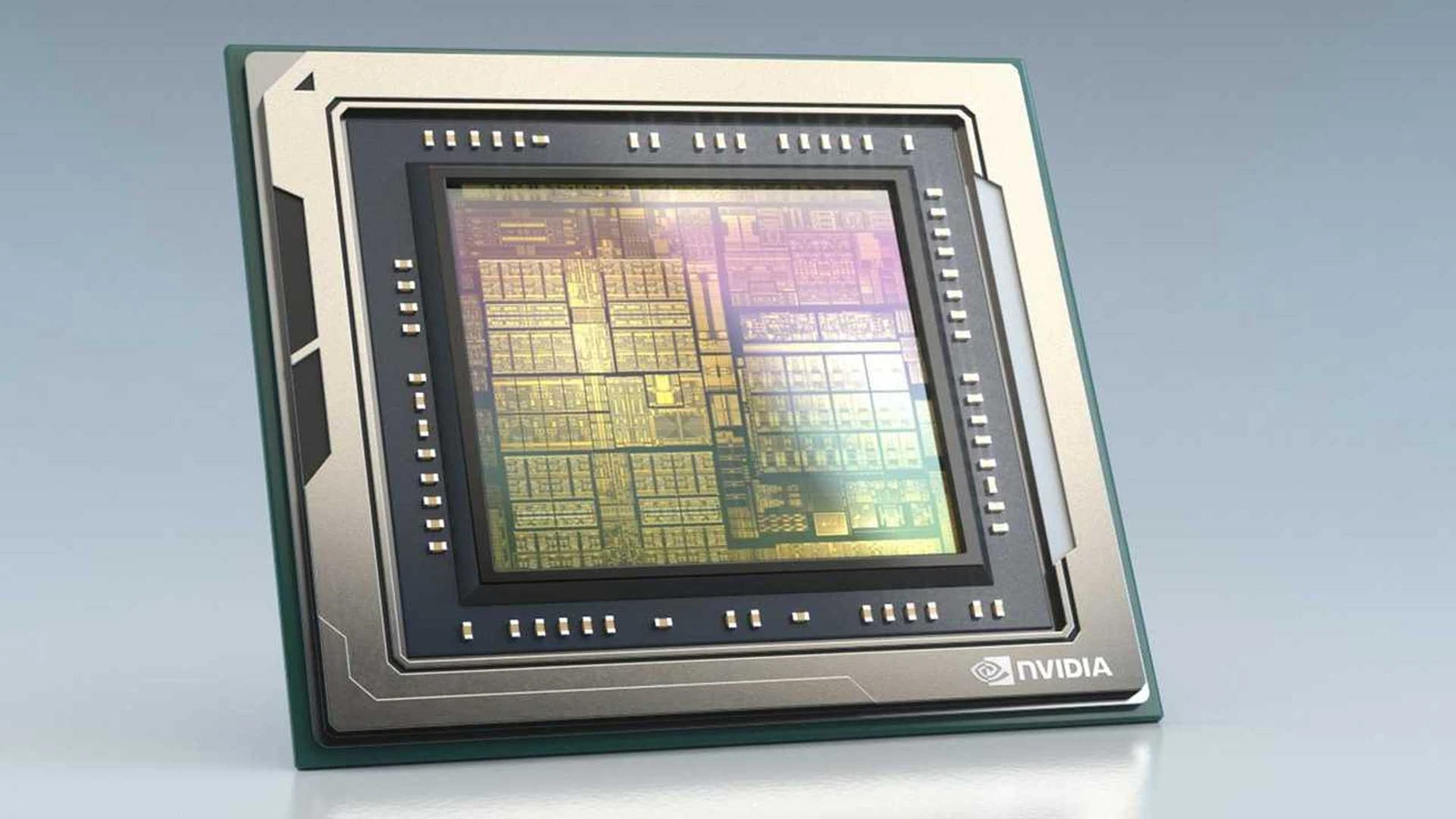
The AI boom is pulling manufacturing capacity and investment away from the basic semiconductors that modern cars rely on, raising the prospect of a second automotive chip shortage, according to warnings from two semiconductor manufacturers and a German parts supplier. The pressure is not coming from GPU makers such as Nvidia buying up every chip, but from further upstream, where foundries and assembly plants are shifting toward AI data centre work.

Nexperia chief executive Stefan Tilger told Reuters that rivals had moved commodity semiconductor supply toward chips used in AI data centres, and that the auto industry is "suffering quite heavily" as a result. STMicroelectronics chief executive Jean-Marc Chery is reported to see the same pattern, with foundries and assembly plants increasingly "disengaging" from mainstream automotive and industrial applications.

Where the squeeze is coming from

Much of the production now being redirected once served mature chips, the kind used in cars and other industrial equipment, so a bottleneck is building in the automotive supply chain. Tilger also points to robotics as another emerging area drawing on the same capacity.

The two executives stress that the shortage is not simply a case of big GPU companies consuming all available output. The constraint sits upstream of that, in the foundries and assembly plants that decide which orders to prioritise.

Aumovio warns chip costs will explode

The impact is already visible at supplier level. Aumovio, the German maker of sensors, cameras and other in-vehicle electronics whose customers include BYD, BMW and Ford, warned on a recent earnings call that its chip costs are rising and will "explode" next year.

Interim finance head Claus Bauer attributed the situation directly to AI data centres. "We can tell you that there's no price sensitivity whatsoever in that area," he said, adding that suppliers in that segment could sell twice their capacity into what he described as a very lucrative, non-price-sensitive market.

That asymmetry is the core of the problem for car buyers. AI buyers can absorb higher prices, so chipmakers have every incentive to serve them first, which leaves automotive orders competing for the same mature-node capacity without the same willingness to pay. Rising component costs at suppliers like Aumovio feed into the price of the electronics that go into cars, though the sources do not quantify how much of that reaches showroom prices.

Echoes of the pandemic crunch

Automakers have been here before. During the pandemic, chip shortages forced car companies to idle production lines and even ship vehicles without certain computer-reliant features, such as automatic start/stop.

It is not yet clear whether the current squeeze will get that bad. If it does, the industry's race to make everything smarter could, at least temporarily, produce less-smart cars.

What has not been announced is when automotive chip supply is expected to return to normal. Neither Nexperia, STMicroelectronics nor Aumovio has given a timeline in the reported comments, so the duration of the squeeze remains an open question. Equally, no source puts a figure on how much vehicle prices might rise as a result, so the cost impact on buyers is a direction of travel rather than a number.
Open this article ↗
Australia / TDCN ORIGINAL

Audi Australia weighs up A2 e-tron hatch as a sub-$75,000 EV play

Audi's local arm says the compact electric hatch is a "significant opportunity" and expects to confirm specifications and timing shortly.

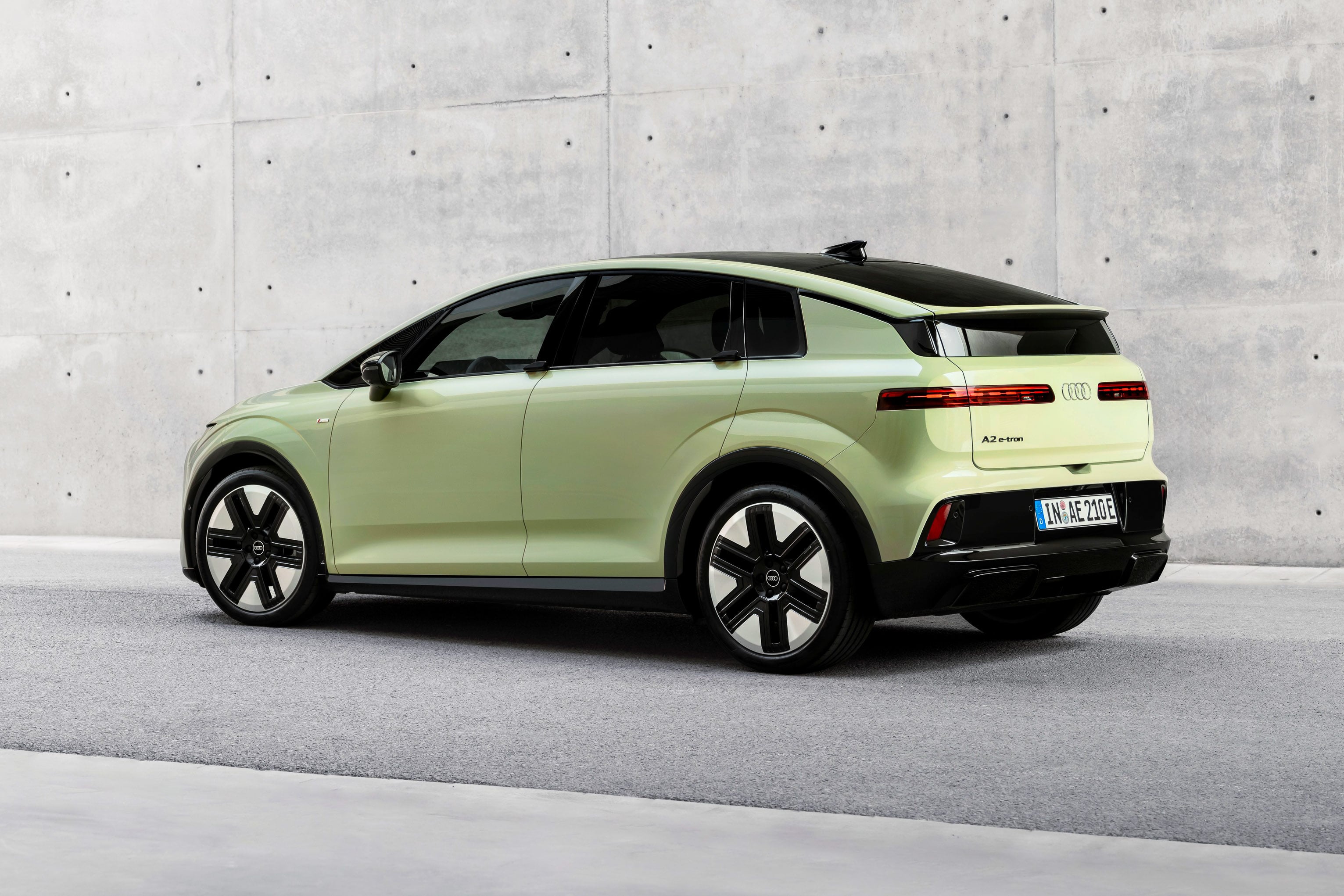
Audi Australia is actively working out which versions of the A2 e-tron compact electric hatch it would sell locally, with the brand's product chief calling the car "a significant opportunity" for the market. The model, revealed in September as a 2027 vehicle, revives a nameplate Audi last used on the efficiency-focused A2 built between 1999 and 2005.

Head of product Matthew Dale said the company is still deciding which drivetrains and specifications would suit Australian buyers, and that a confirmation will come "shortly". No on-sale date beyond a likely local introduction next year, and no Australian pricing, has been announced.

Speaking at the launch of the new Audi RS5 in Tasmania, Dale said Audi Australia has "plans to look at a lower EV in our range" and that a market for such a car already exists locally. He pointed to rivals with strong, competitively priced products in that segment, and said the team is examining power outputs and battery sizes across the A2 e-tron range.

The brand has not locked in which variants Australia would receive, how much the car would cost, or a precise launch date. Dale said only that confirmation would follow shortly and that Audi hopes to bring the car here.

Audi Australia director Jeff Mannering framed the push in fleet terms, saying more electric cars help with Australia's New Vehicle Efficiency Standard.

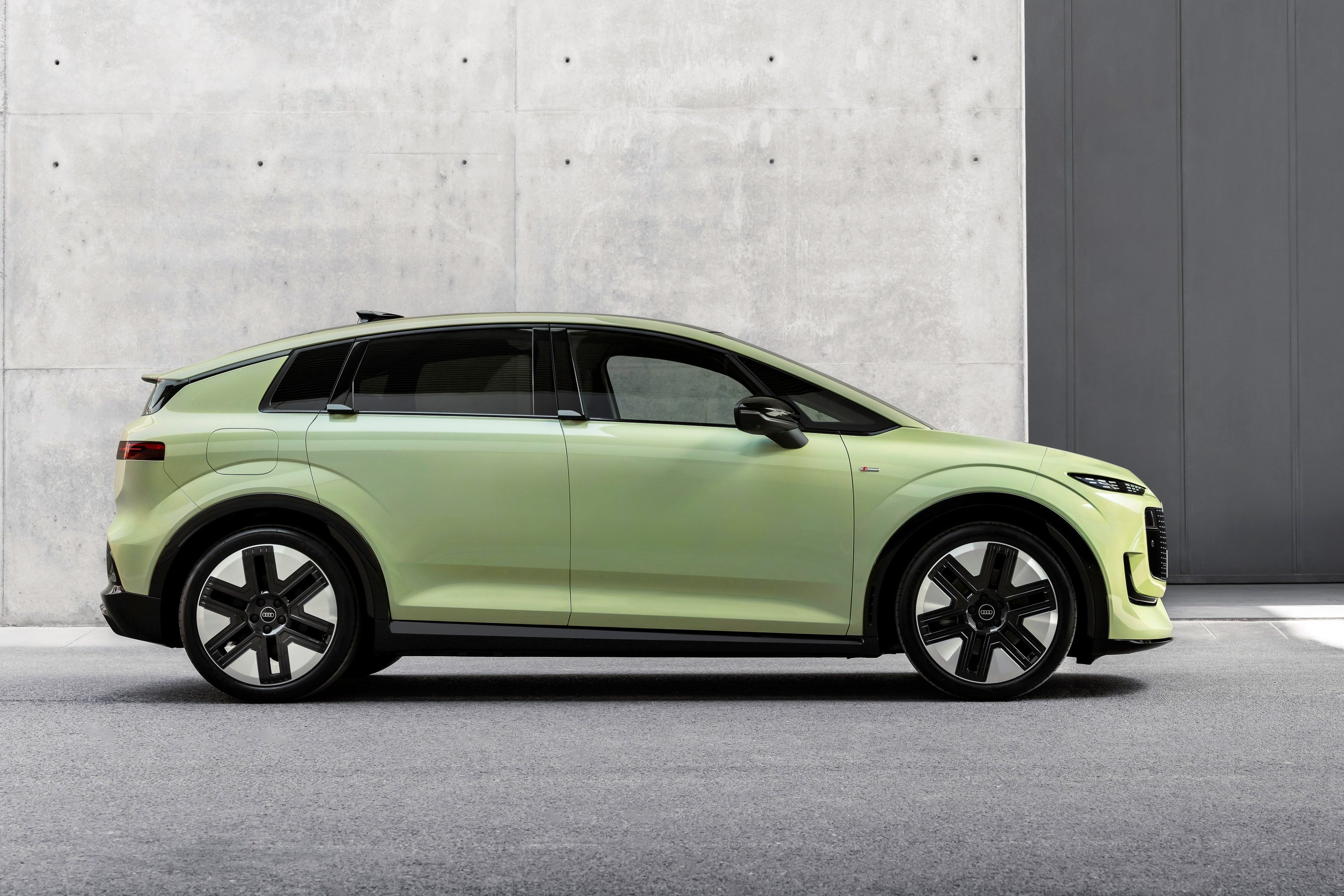
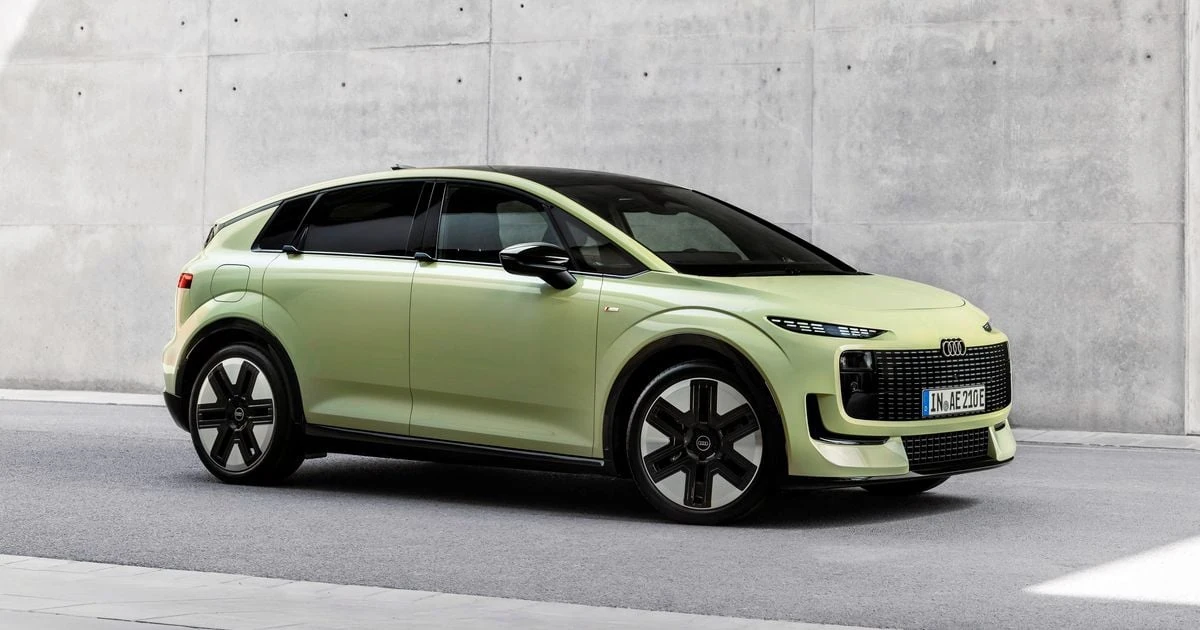
The A2 e-tron concept previews a compact hatch that could slot beneath Audi's current EV line-up in Australia.
The A2 e-tron concept previews a compact hatch that could slot beneath Audi's current EV line-up in Australia., Image: CarExpert

The April 2027 incentive Audi is watching

Dale singled out a change to novated leasing rules from 1 April 2027, which he said creates an opening for EVs positioned under $75,000. That price threshold is the clearest signal yet of where Audi sees the A2 e-tron landing locally, though the figure is the incentive cut-off rather than a confirmed sticker price.

For buyers, that matters because a compact Audi EV priced beneath the cap would sit in the same conversation as cheaper mainstream electric hatches, a segment where badge premium alone rarely wins the sale.

In profile the A2 e-tron stays compact and hatchback-sized, key to hitting a sub-$75,000 price target.
In profile the A2 e-tron stays compact and hatchback-sized, key to hitting a sub-$75,000 price target., Image: CarExpert

Four power levels, three batteries, one efficiency claim

The A2 e-tron is built on the Volkswagen Group's MEB+ platform rather than the aluminium space frame of the original. Audi offers four power outputs and three battery sizes, and the longest-range version is WLTP-certified at up to 646km.

Audi has pushed the mid-tier 140kW variant with the 61kWh battery and an optional efficiency package, which returns WLTP energy consumption of 12.8kWh/100km, a figure the company claims makes it the most efficient Audi ever. Like the original A2, the new car leans on aerodynamics and technology optimisation to stretch range.

Those are WLTP figures and should not be read across to other test cycles. Australian range and consumption numbers, like local pricing, have not been announced.

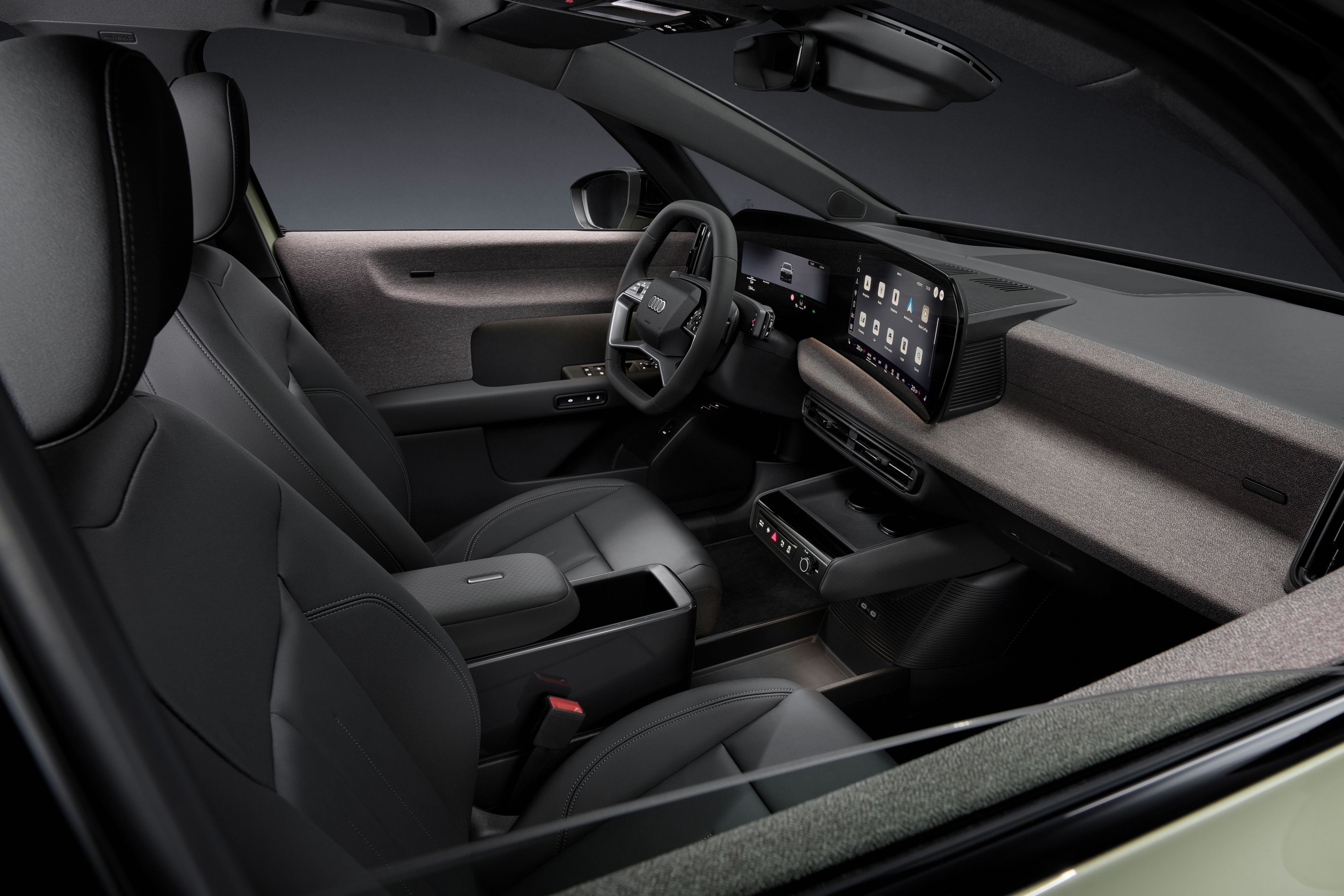
Inside the A2 e-tron: a minimalist cabin aimed at keeping costs down for a sub-$75,000 EV.
Inside the A2 e-tron: a minimalist cabin aimed at keeping costs down for a sub-$75,000 EV., Image: CarExpert
Open this article ↗

Keep scrolling to read the next story.

Older articles →