INDEPENDENT AUTOMOTIVE NEWSGLOBAL PERSPECTIVE / AUSTRALIAN EDITION
TDCNTHE DAILY
CAR NEWS.

The road ahead.
Every day.

RSS ↗
Latest/Electric

455 original articles

Electric / TDCN ORIGINAL

Volkswagen limits 5,000 UK electric cars to 80% charge over battery fire risk

An over-the-air update caps charging on affected ID 3, ID 4, ID 7, ID Buzz and Cupra Born models until their batteries are inspected.

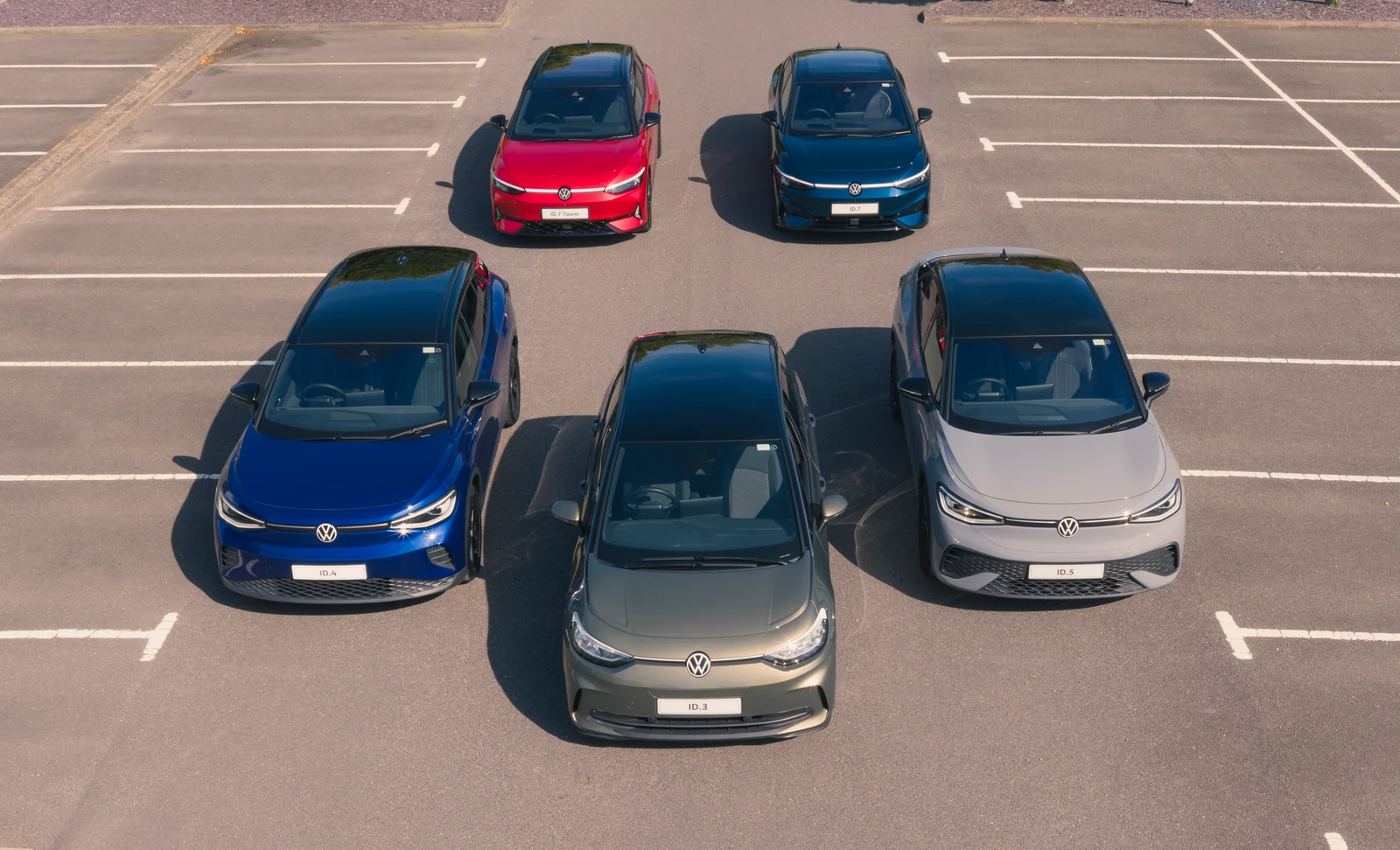
Volkswagen has capped charging at 80% on around 5,000 electric cars in the UK while it prepares a recall to check whether their battery components meet quality standards. The restriction is being applied by over-the-air update to selected ID 3, ID 4, ID 7, ID Buzz and Cupra Born models built between 2022 and 2025.

The company says the batteries, supplied by an unnamed supplier, contain components that might not meet its standards and could overheat when charged above 80% capacity, posing a fire risk. No injuries have been confirmed, although some property damage has been reported.

Which cars are affected and how many

The UK notice covers roughly 5,000 vehicles out of about 85,000 worldwide. A recall issued in other markets also lists Audi Q4 E-tron models built in the same period, but the SUV does not appear on the UK notice.

Volkswagen has warned that a failure could cause serious or life-threatening injuries to people inside or outside the car, as well as significant property damage. It says technical faults with the battery would not necessarily be recognisable, which is why every affected car needs to be checked.

What owners face in the meantime

Until their car is inspected, owners cannot use its full range. On official WLTP figures for the ID 3, the lost 20% could amount to between 40 and 70 miles of range.

Volkswagen says it has contacted retail customers where possible, advised fleet operators and posted notices on the relevant brand websites. Owners will be given a date and instructions in due course.

Some cars will need to go to a workshop for a physical safety check lasting one hour, with battery modules replaced where needed, while others can be checked and updated over the air. The company has not given a timeframe for completing the process.

The 80% cap is a blunt instrument, but it is the fastest way to cut the risk before any car has been inspected. For drivers, the practical cost is measured in miles of range lost on every charge, not in a repair bill.

Why the limit matters beyond these 5,000 cars

The restriction applies to models across several Volkswagen Group brands, which means the issue sits with a shared battery supply chain rather than a single model line. Audi Q4 E-tron owners outside the UK are covered by the wider recall, so the group's response varies by market.

Volkswagen has not named the battery supplier, and it has not said how many of the 85,000 cars worldwide will need physical checks rather than over-the-air updates. Those details will shape how long owners in the UK are stuck with reduced range.
Open this article ↗
Electric / TDCN ORIGINAL

Honda names its first global electric SUV Alpha, built and launched in India

The electric SUV debuts in India on December 2, 2026, with Honda yet to confirm power, range, battery size, price or any export market.

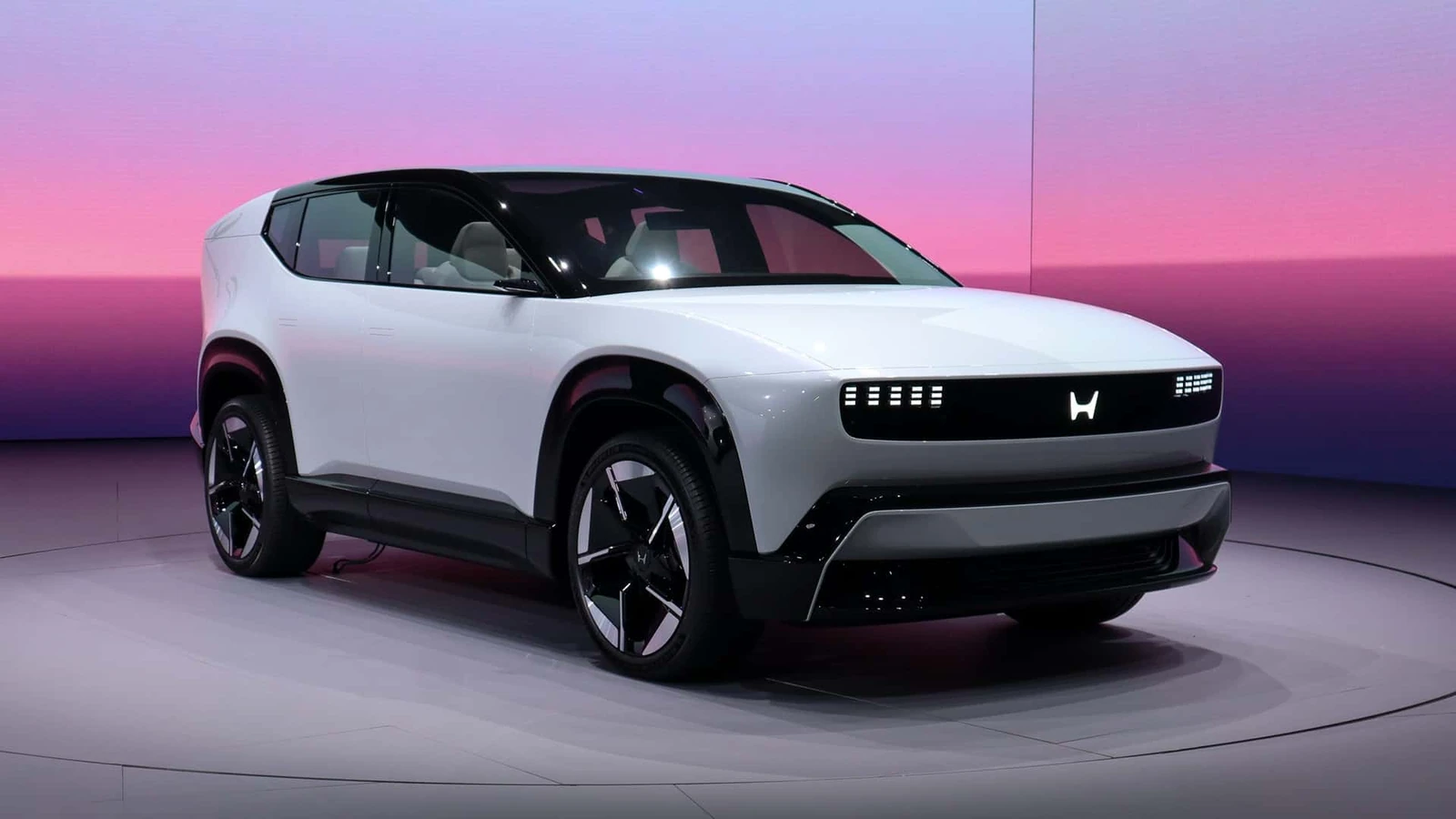
Image: Motor1

Honda's first global electric SUV will be called the Honda Alpha, and it will make its world premiere in India on December 2, 2026. Honda Cars India confirmed the name, the debut date and the production plan this week.

India is not only hosting the reveal. Honda has chosen the country as the Alpha's first launch market and as the global production base for the model going forward. Every Alpha built for any market is set to come from Indian production, though Honda has not yet named which markets those will be.

What Honda has confirmed, and what it has not

The announcement covers the name, the date and where the car will be built. It does not cover the vehicle itself in any technical detail. Honda has not released a battery figure, a range estimate, a price, or a sales timeline outside India.

That leaves the core numbers a buyer would want, including power, torque, battery capacity, charging speed and range, still unannounced. The range figure will also need a test cycle attached before it can be compared with rivals, and Honda has not said which one it will use.

No export markets have been named either, and Honda has said nothing about whether US buyers will ever get this specific model. Until the December 2 premiere, the Alpha is a confirmed name wrapped around an unconfirmed spec sheet.

A new badge for a new EV line

The Alpha will be the first Honda sold in India to wear the automaker's redesigned H mark on a production vehicle there. The new emblem is part of a broader visual refresh tied to Honda's next-generation EV lineup, and it sits alongside an H badge heritage that dates back to the early 1960s.

The name itself comes from the first letter of the Greek alphabet, which Honda says reflects a fresh start for buyers.

The SUV is closely related to the Honda 0 Alpha concept shown at the Japan Mobility Show, and the Alpha is reportedly the production version. A teaser image of the covered vehicle shows a silhouette with a high, square-cut rear that strongly recalls the 0 Alpha's profile. That resemblance is the clearest signal yet of how much of the concept Honda intends to carry into showrooms, though the covered shape is all the company has shown.

Why India gets the build contract

Toshiyuki Yanagisawa, President and Chief Executive of Honda Cars India, framed the model as a turning point for the brand's electric push in the country. "Honda Alpha represents our ambition to bring advanced electric mobility to our customers in India while delivering the quality, reliability and joy of driving that Honda is known for," he said in a statement.

Yanagisawa tied the production decision to Honda's wider electrification strategy. "With India serving as the global production base for this model in future, it is an important step in Honda's electrification journey and reflects our strong commitment to the Indian market," he said.

The choice of India over Japan or the US as the manufacturing home of a global EV shows how much weight the market now carries in Honda's planning. It also overlaps with the company's parallel global hybrid rollout plans.

For drivers and car buyers, the practical effect is that the Alpha's price and availability will be shaped first by Indian production costs and the Indian market, not by a Japanese or American launch schedule. Buyers elsewhere are, for now, waiting on a car that will be built in a market Honda has prioritised for the first time.

What comes next

Honda's December 2, 2026 premiere is the point at which the missing numbers should start to arrive. Until then, the confirmed facts are the name, the emblem, the concept lineage, the India launch and the India production base.

The open questions are the ones that decide whether the Alpha competes: how far it goes, what it costs, how quickly it charges and where else it will be sold. Honda has not answered any of them yet.

Open this article ↗

Keep scrolling to read the next story.

Older articles →