INDEPENDENT AUTOMOTIVE NEWSGLOBAL PERSPECTIVE / AUSTRALIAN EDITION
TDCNTHE DAILY
CAR NEWS.

The road ahead.
Every day.

RSS ↗
Latest/New cars

455 original articles

New cars / TDCN ORIGINAL

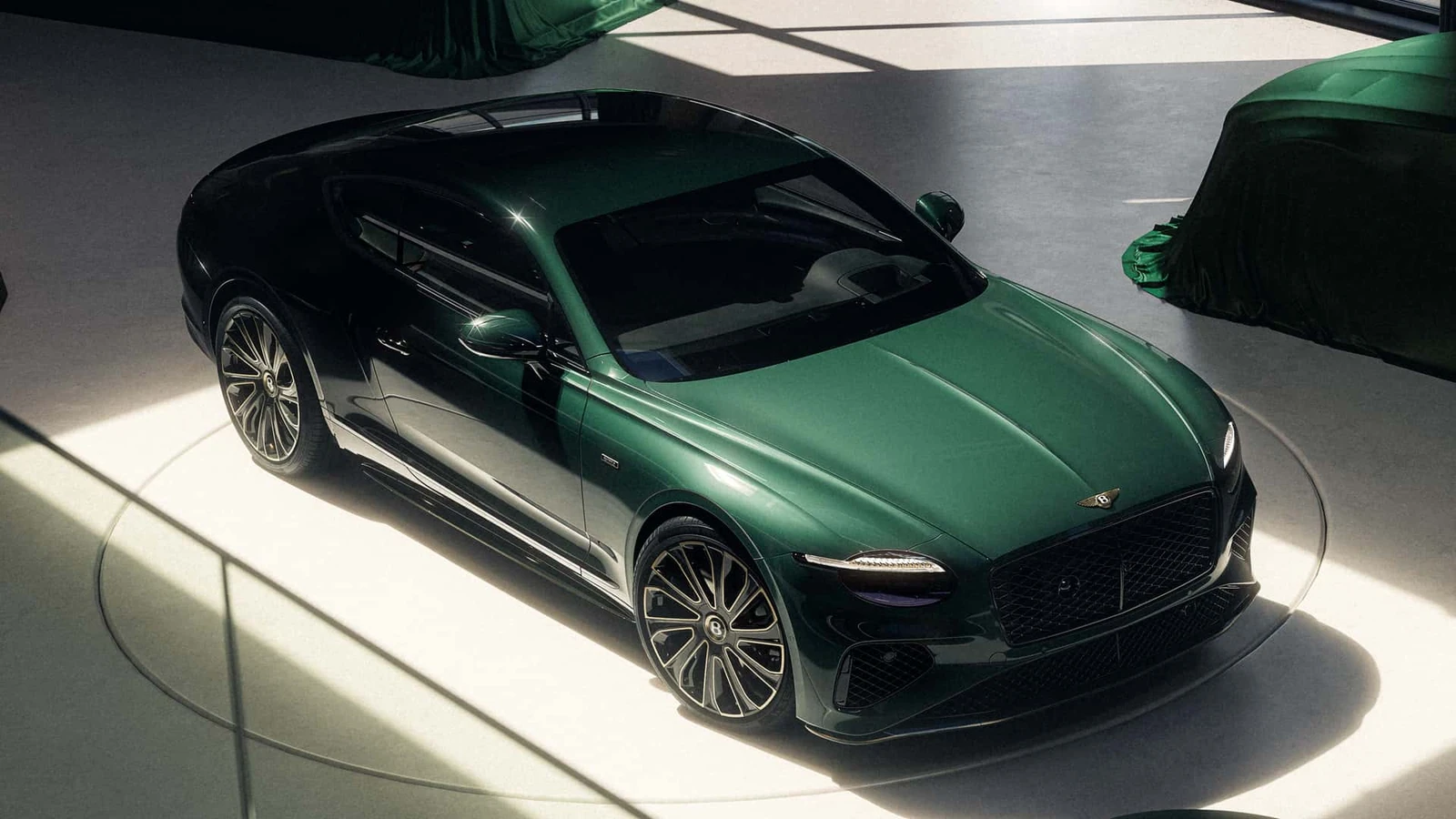
Bentley Mulliner builds 12 Continental GTs with a 56-hour ombré paint finish

The Olympia Collection marks 100 years since the 6½ Litre appeared as a complete coachbuilt car at the 1926 Olympia Motor Show, and the paint alone takes more than two working days per car.

Image: Motor1

Bentley's Mulliner division has built 12 Continental GTs as the Olympia Collection, a numbered special edition whose centrepiece is a two-tone green gradient that takes 56 hours to apply to each car. The collection commemorates 100 years since the Bentley 6½ Litre was presented as a complete coachbuilt car at the 1926 Olympia Motor Show.

Each car begins as a Continental GT and passes through Mulliner's coachbuilding operation. The changes are confined to finish and materials: Bentley has announced no powertrain revisions, no performance figures and no pricing for the collection.

The paint is the engineering story

The finish, called Ombré by Mulliner, blends Verdant green at the front of the car into Midnight Emerald toward the rear. Bentley says its paint technicians need 56 hours to complete the gradient on each car, well beyond what a standard colour coat requires, because carrying two distinct greens across every body panel without a visible seam means repeated passes and hand correction.

Bentley has not broken down how those 56 hours divide between masking, layering and polishing. The figure covers paint alone, before the interior work begins.

Heritage detailing inside and out

The cabin pairs Coach Green and Cumbrian Green leather in a bespoke split, set against a heritage-patinated finish intended to look worn. Black-stained open-pore crown-cut walnut veneer, diamond-knurled controls and Champagne Gold accents complete the trim.

Each of the 12 cars comes with a matching car cover, a commemorative book, a handover box and an individually numbered Brooklands watch whose strap is cut from the same Coach Green leather used in the cabin.

Bentley framed the commission around continuity of craft: "The uncompromising drive for excellence epitomised by W.O.'s Lyon to Dieppe spirited drive can still be found in Crewe's Dream Factory today," the company said in a statement accompanying the reveal.

Why the 6½ Litre name carries weight

W.O. Bentley's first car, the 3 Litre, launched in 1921, and the larger 6½ Litre was his answer to the heavier coachwork being fitted to that chassis. It was previewed as a bare chassis at Olympia in 1925 and shown as a complete car a year later.

The 6½ Litre proved itself at Brooklands before its engine was combined with a more performance-focused chassis for the separate Speed Six, which won Le Mans in 1929 and 1930. The Olympia Collection's detailing echoes that history while leaving the mechanical package untouched.

This is familiar ground for Mulliner, which has previously marked 80 years at Crewe and built a one-off Barnato Green Continental GT around a single colour and a specific anniversary date. The pattern is clear: these commissions are collectible objects built around a finish and a date, not performance upgrades, which suits buyers who already own the standard car and want something no one else can order.

What Bentley has not said

Pricing, the markets that will receive the cars and any region-specific allocation have not been disclosed. With 12 cars built and individually numbered, the collection is presented as a special edition defined by craftsmanship and paint rather than by any change under the bonnet.
Open this article ↗
Industry / TDCN ORIGINAL

Audi ends A8 production at Neckarsulm after 32 years, successor due before 2030

The last D5-generation flagship has rolled off the line in Germany, with the Q9 SUV taking over as Audi's top model in the interim.

Image: Motor1

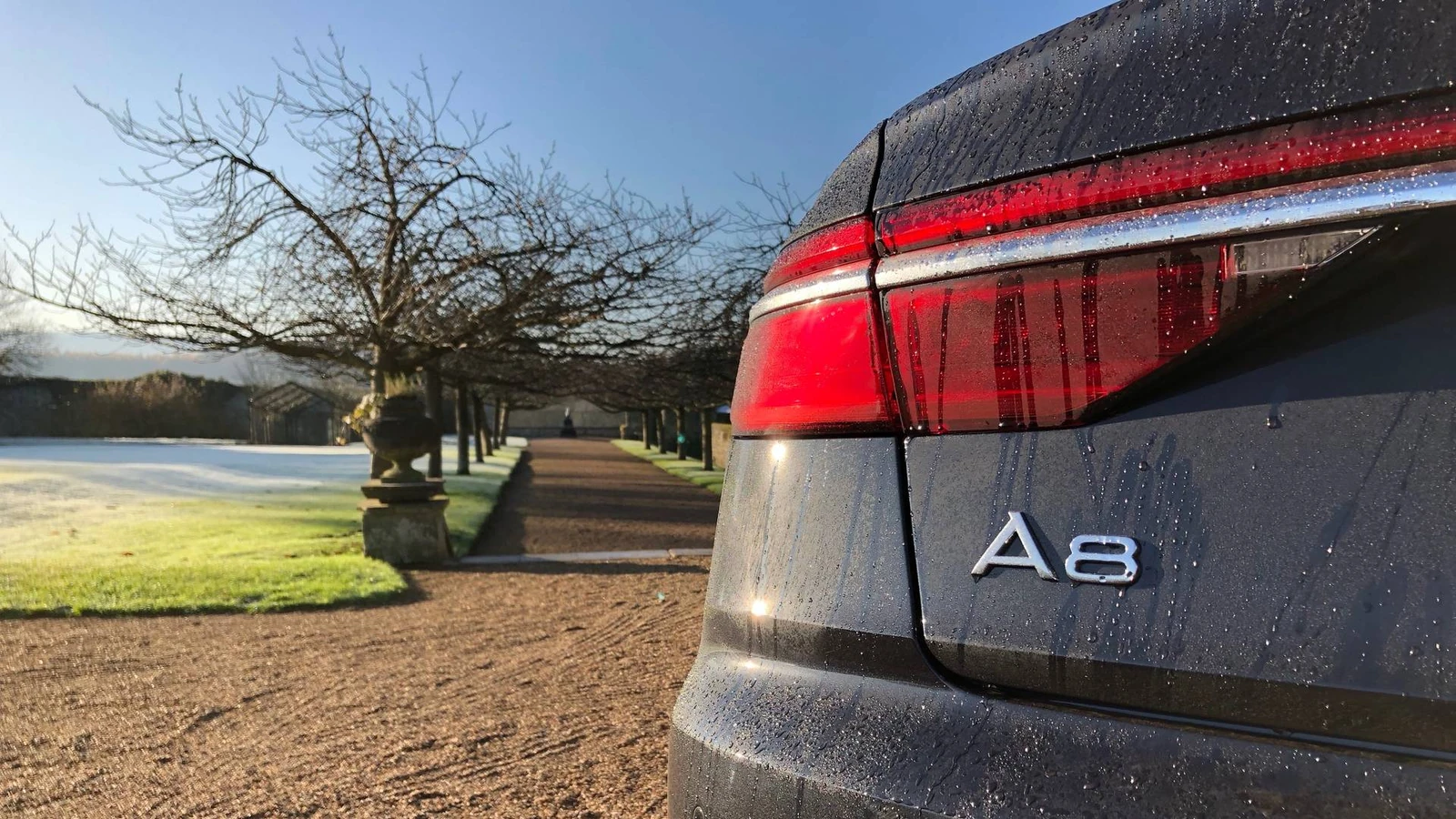
Audi has stopped building the A8 at its Neckarsulm plant in Germany, ending a 32-year production run for the flagship sedan at the site. The final example was assembled in mid-October, according to Auto Motor und Sport.

The nameplate is not being retired outright. Audi has confirmed a successor is planned, though the company has not said what form it will take.

From aluminium pioneer to end of the line

The A8 has been built at Neckarsulm since 1994, when the first D2 generation launched with aluminium-intensive Space Frame construction that distinguished it from its German rivals. Four generations followed, with the current D5 arriving in 2017 and receiving a facelift in 2021.

The wind-down was gradual. Audi stopped taking individual A8 orders in Germany in February, leaving buyers to pick from dealer stock. The current car had reached the end of its natural lifecycle, and full-size luxury sedans are simply not selling in the volumes they once did, at least not the A8: the Mercedes S-Class and BMW 7 Series remain strong in the segment.

A successor is confirmed, but not specified

Audi has already decided to replace the A8. Model line spokesperson Marcel Bestle said earlier this year that the decision had been taken and that the car would be presented towards the end of this decade, before 2030, with further details to follow in due course.

What has not been announced is the powertrain. Audi has not confirmed whether the next flagship sedan will be fully electric, combustion-powered or a plug-in hybrid, so any claim about an electric A8 remains speculation for now.

The gap matters for Audi's positioning. A brand competing with BMW and Mercedes lacks a proper flagship sedan until the replacement arrives, and the new design language shown on the Concept C and Nuvolari concepts has yet to be applied to a production sedan. The first Audi sedan to adopt it will be the electric A4, not an A8.

The Q9 becomes the temporary flagship

Until a successor lands, the Q9 large luxury SUV sits at the top of Audi's range, above the Q7. It is built in Bratislava, Slovakia, and fills a gap Ingolstadt had left open: Audi previously had no three-row full-size SUV to challenge the Mercedes GLS or BMW X7.

That swap says a lot about where demand has gone. The flagship role passes from a low-slung sedan to a tall SUV, a segment where Audi had been ceding ground to its two closest rivals.

What happens to Neckarsulm

The freed capacity at Neckarsulm will be used for the A5 Sedan and A5 Avant, including their S and RS derivatives.

The plant's longer-term future is less settled. Volkswagen Group's Supervisory Board has approved a Future Plan 2030 that acknowledges European production capacity exceeds demand by more than 500,000 vehicles, and that competitive production allocations for Neckarsulm, Emden, Zwickau and Hanover are not secured between 2031 and 2034. The group says it will develop a sustainable production strategy for its European plants by June 2027 and assess alternative uses for affected sites.

Neckarsulm is not slated to close, but its inclusion among the sites without secured production beyond 2030 is a warning sign. Reviving a full-size luxury sedan there would help the plant's case, though one model line alone would not be enough to reverse its fortunes.

For now the A8 nameplate lies dormant. Buyers wanting a large Audi flagship have the Q9; those wanting the sedan will be waiting until late in the decade at the earliest.

Open this article ↗

Keep scrolling to read the next story.

Older articles →