INDEPENDENT AUTOMOTIVE NEWSGLOBAL PERSPECTIVE / AUSTRALIAN EDITION
TDCNTHE DAILY
CAR NEWS.

The road ahead.
Every day.

RSS ↗
Latest/New cars

455 original articles

New cars / TDCN ORIGINAL

Burk service stations in WA face court over 91-octane sold as premium 98

Consumer Protection ordered tests on fuel sold as B-Pro Premium 98 and says every sample came back as regular unleaded.

Western Australian service station chain Burk is facing civil action in the Supreme Court of WA over allegations it sold regular 91-octane unleaded petrol as its more expensive 98-octane premium grade. The state's Consumer Protection Agency ordered independent testing of fuel samples from the chain, which runs 14 sites across Perth and regional WA, and said all samples sold as B-Pro Premium 98 came back as 91RON unleaded.

What the testing found

Consumer Protection Commissioner Trish Blake described the alleged switch as a significant difference in value and a massive breach of trust, telling 102.5 ABC Perth that drivers have no independent way to inspect fuel before they buy it. "You have to be able to rely and trust on the trader," she said.

The gap between grades is not trivial at the pump. The ACCC puts the average price difference between 98-octane and 91-octane at 20 to 25 cents per litre. In a Toyota RAV4 hybrid, Australia's top-selling SUV, which carries a 55-litre tank across current hybrid versions, that works out to as much as $13.75 more per fill.
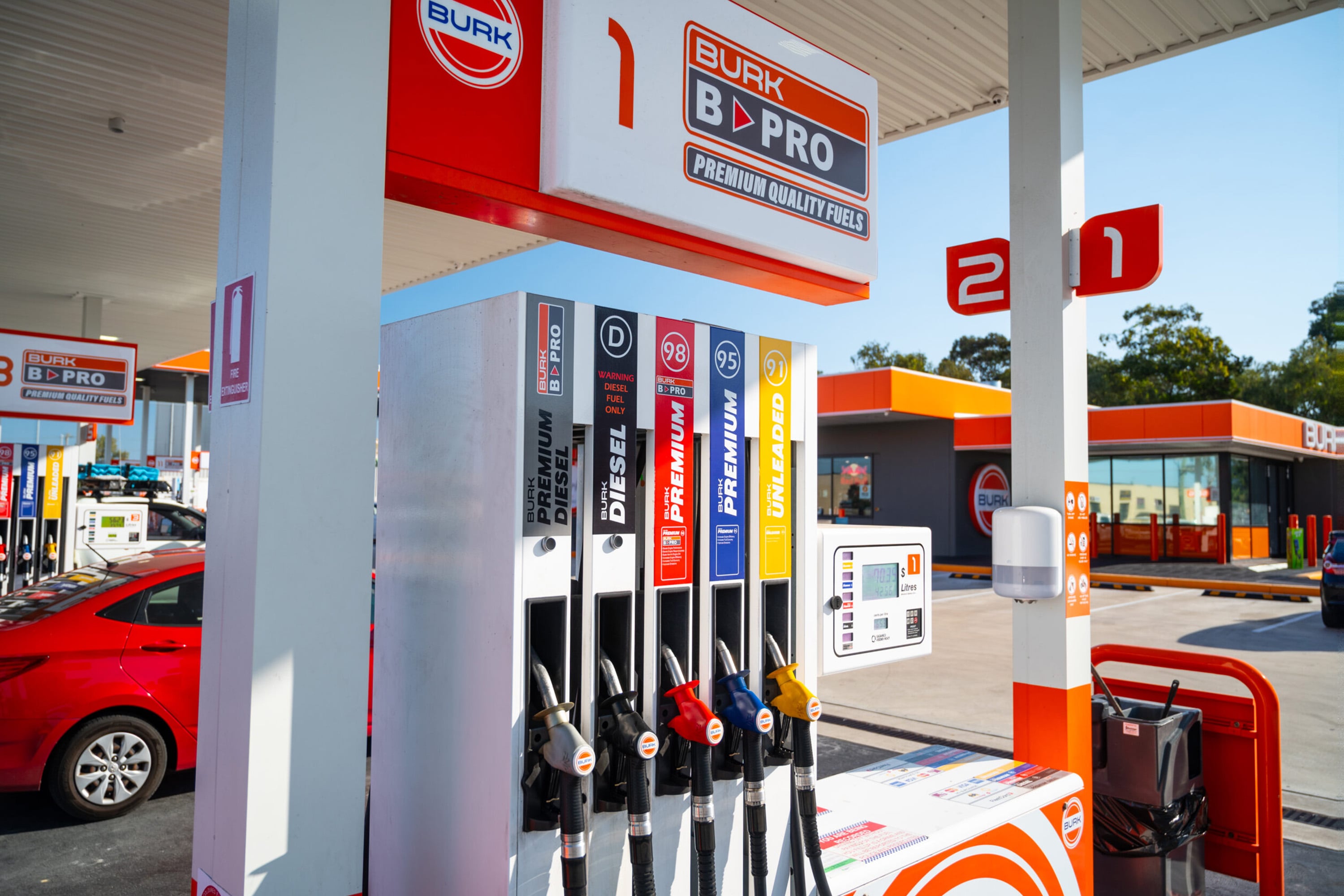
Burk's B-PRO pumps advertise premium 98 — the grade WA drivers allegedly didn't get.
Burk's B-PRO pumps advertise premium 98, the grade WA drivers allegedly didn't get., Image: CarExpert

Why the wrong grade matters

Regular unleaded is not suitable for every car on Australian roads. The RAV4 hybrid needs at least 95-octane premium unleaded, so a driver filling one with 91-octane while paying for 98 is both overpaying and running the car on a grade it was not designed for. Blake said many high-performance cars only run well on high-performance fuel, which makes the alleged substitution more than a pricing complaint.

The timing is awkward for motorists. Australian fuel prices hit record petrol and diesel pump levels earlier this year, prompting the federal government to pause its fuel excise and the heavy vehicle road user charge. Paying a premium for a grade you are not getting lands harder in that climate.

The court action and possible penalties

Burk Fuel Pty Ltd and Burk Pty Ltd deny the allegations and declined to comment while the matter is pending. The case is a civil proceeding in the Supreme Court of WA.

There is no standard penalty for this kind of breach. The maximum is $100 million, three times the value of the breach, or 30 per cent of the offending company's turnover during the breach period.

Precedent exists. Dojoo Pty Ltd, trading as Ballina Petroleum Distributors in northern New South Wales, was fined $400,000 for delivering nearly two million litres of regular unleaded petrol into storage.

A hearing date has not been announced, so when the Supreme Court of WA will decide the matter is not yet known.
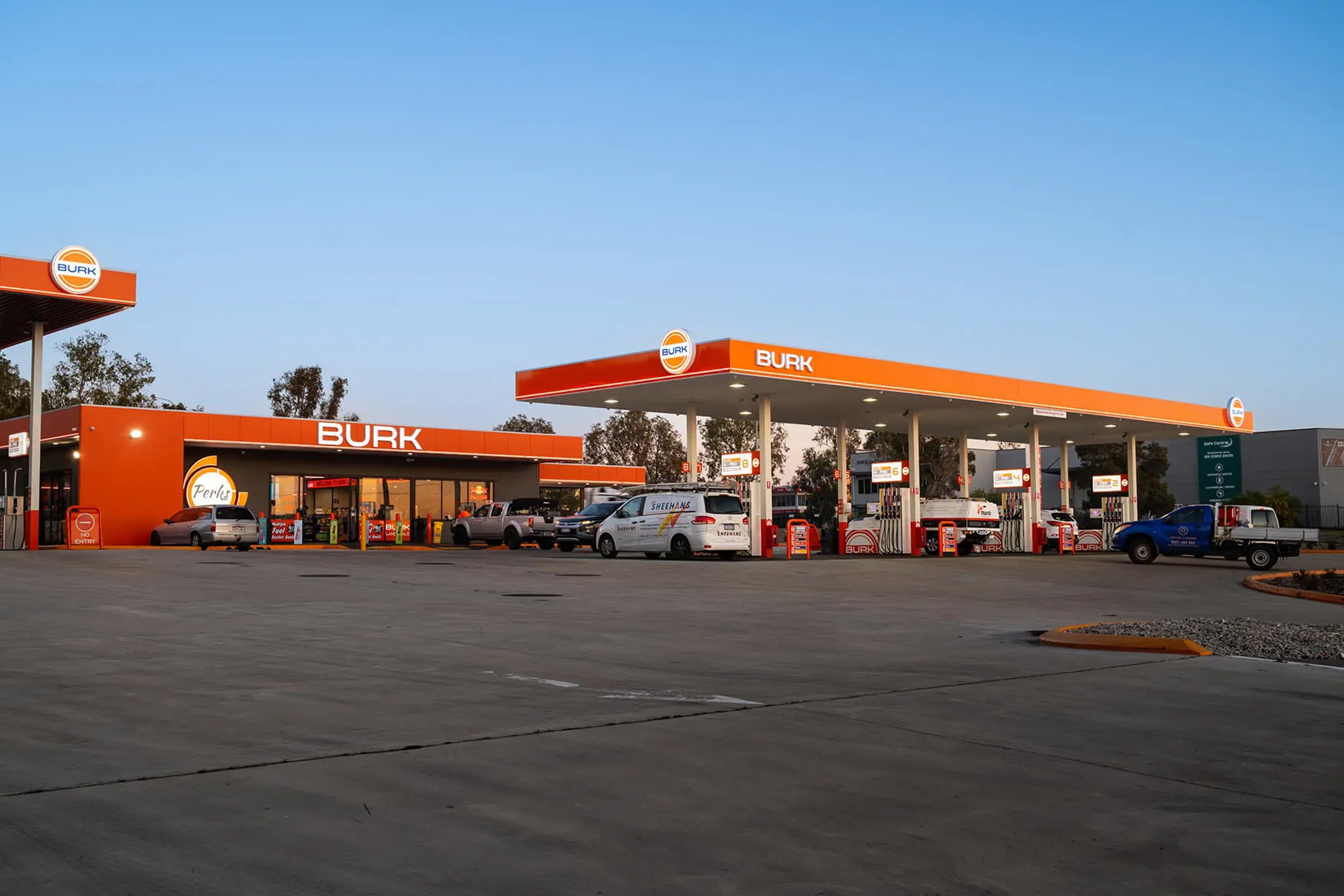
The Burk service station chain at the centre of the WA fuel-grade court action.
The Burk service station chain at the centre of the WA fuel-grade court action., Image: CarExpert

What it means for drivers

For buyers of premium-only models, the case is a reminder that the grade on the bowser is only as good as the operator behind it. The practical defence is a receipt that names the grade and the price paid, which gives a driver something to point to if a claim is ever disputed.

For Burk, the exposure is not just the alleged price gap on each litre. The penalty framework scales with turnover and the value of the breach, which means the final bill, if the allegations are upheld, could sit well above the per-fill difference that individual drivers saw.
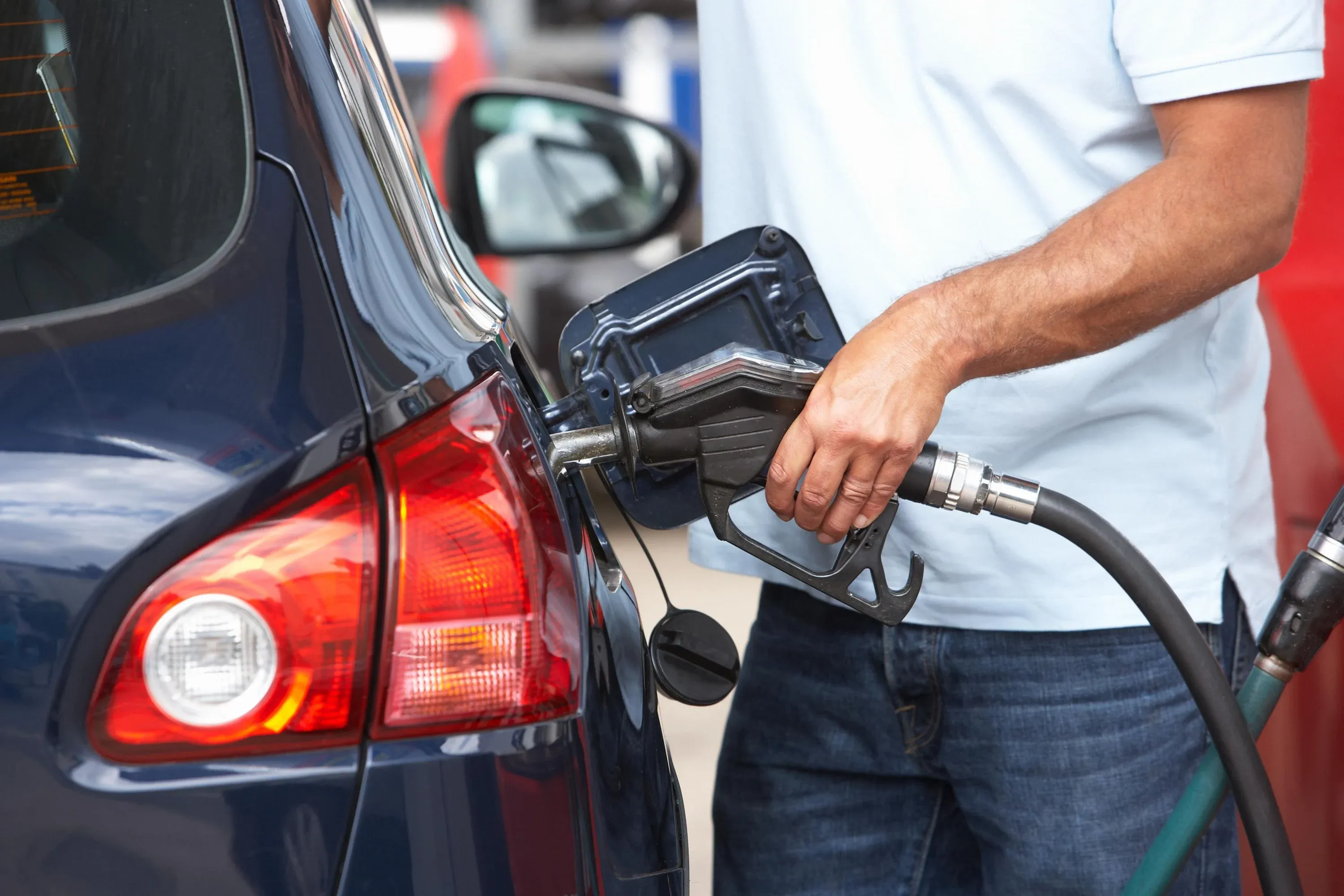
A motorist fills up, unaware the premium 98 may have been 91-octane.
A motorist fills up, unaware the premium 98 may have been 91-octane., Image: CarExpert
Open this article ↗
New cars / TDCN ORIGINAL

Five Philadelphia carjackers sentenced for stealing new Toyota SUVs for Africa

A coordinated crew targeted newer Toyota SUVs such as the Land Cruiser, and cell-site records helped prosecutors tie them to the crimes.

Image: Carscoops

Five members of a Philadelphia carjacking crew that targeted newer Toyota SUVs for resale in Africa have been sentenced to terms ranging from 35 years to life plus more than a century, the U.S. Attorney's Office announced on November 2. The sentences followed convictions earlier this year and an eight-week trial that involved more than 100 witnesses.

How the crew operated

Court records describe small groups of masked attackers who carried handguns and targeted newer-model SUVs, including the updated Toyota Land Cruiser. Victims were frequently struck or shot during the thefts. Investigators tied some incidents together through ballistic evidence and descriptions of the getaway vehicle, but digital records proved just as important.

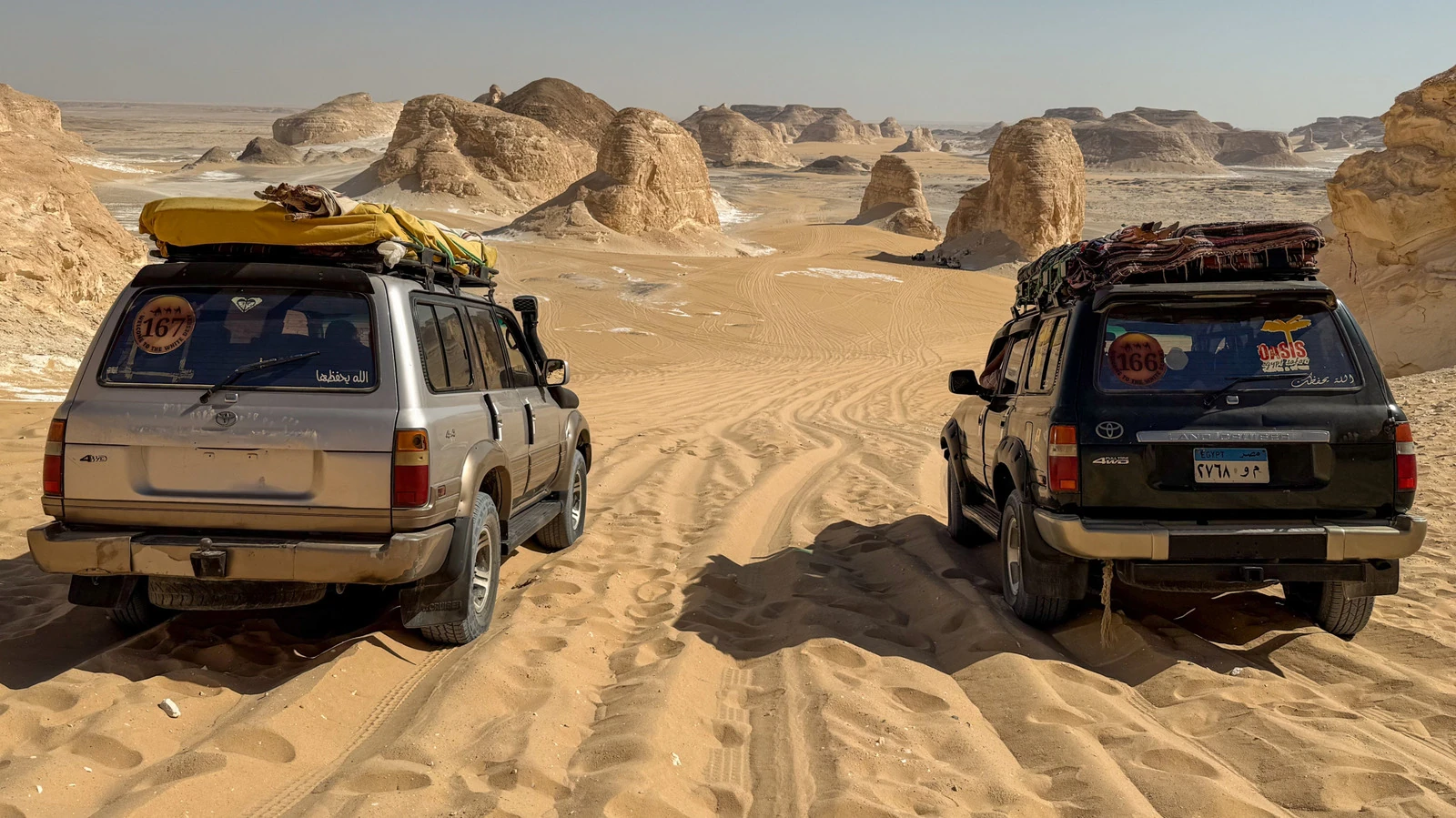
The stolen Toyota SUVs were shipped to Africa, where they were seen on desert tracks like these
The stolen Toyota SUVs were shipped to Africa, where they were seen on desert tracks like these, Image: Carscoops

The murder that widened the case

On February 6, 2022, the crew killed a carjacking victim but left the vehicle's key fob at the scene. They hired a locksmith to make a replacement, and police soon located and recovered the car. Fearing the locksmith would be identified through forensic evidence and would cooperate with authorities, the crew planned and carried out his murder. That killing pushed investigators toward court-authorized searches of cellular towers.

Phones linked the suspects

Those tower searches let police connect two devices present at multiple carjackings, and warrants followed that allowed arrests and indictments. Mikal McCracken, 24, challenged the searches and other defendants joined his effort to exclude the evidence, but the judge denied the motion, upholding the warrants and finding that the good-faith exception would also prevent suppression. The same phones the crew relied on to coordinate the attacks helped identify its members.

The sentences

McCracken received life plus 138 years, Amin Muse, 24, received life plus 55 years, and Aleem Abdul-Hakim, 23, received life plus 28 years. Dean Fosque, 28, was sentenced to 86 years and Kavon Coleman, 24, received 35 years. The terms are severe for what began as car theft, but people died as a result of these crimes.

Open this article ↗

Keep scrolling to read the next story.

Older articles →