INDEPENDENT AUTOMOTIVE NEWSGLOBAL PERSPECTIVE / AUSTRALIAN EDITION
TDCNTHE DAILY
CAR NEWS.

The road ahead.
Every day.

RSS ↗
Latest/Industry

455 original articles

Industry / TDCN ORIGINAL

Bentley offers dealer-fit CarPlay and Android Auto retrofit for 2012-2019 models

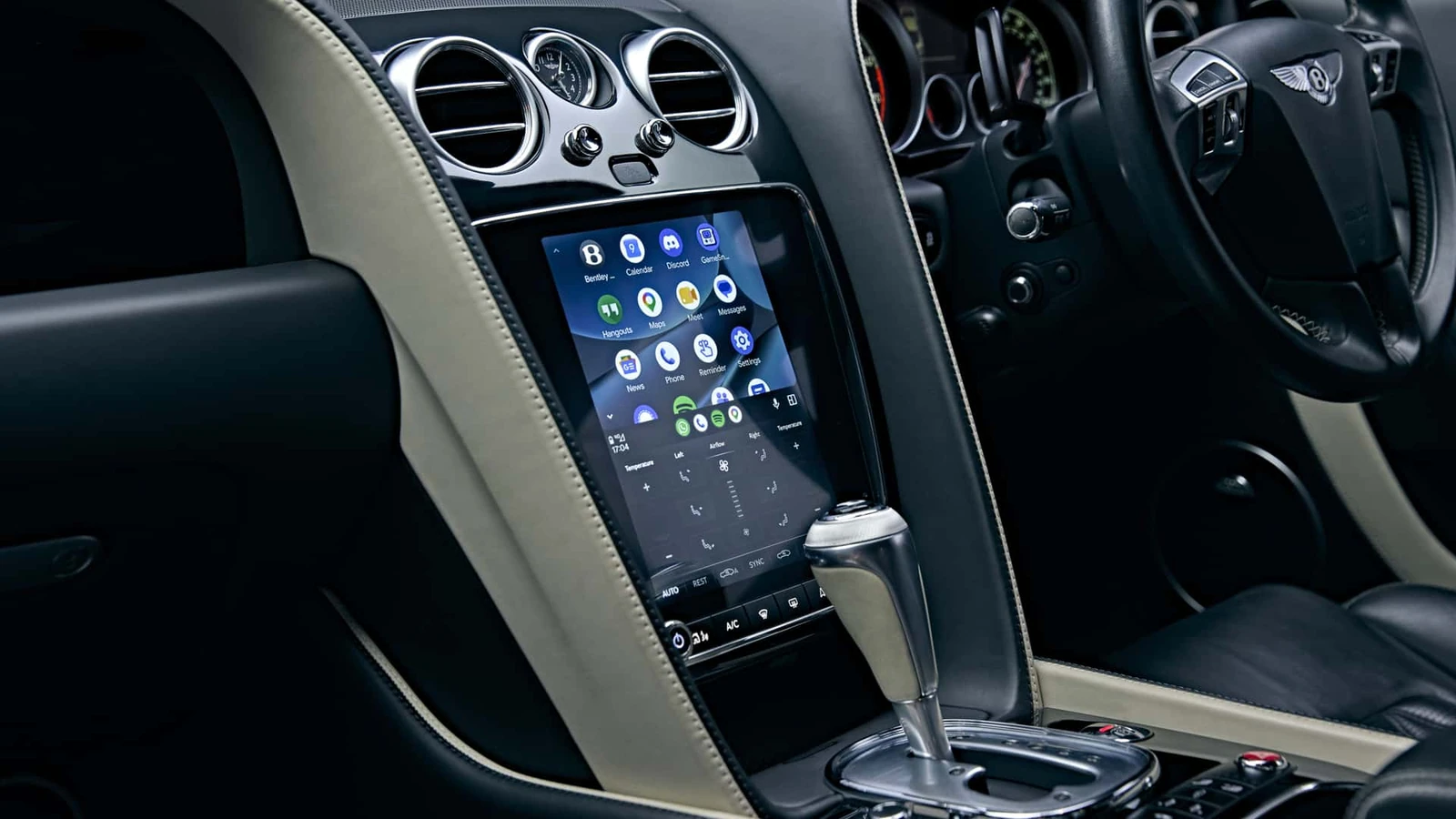
The factory-backed upgrade adds a 9.7-inch 2K touchscreen to second-generation Continental GT, GT Convertible and Flying Spur cars, but deletes the physical climate dials.

Image: Motor1

Bentley retailers are now offering a factory-backed infotainment retrofit for second-generation Continental GT, Continental GT Convertible and Flying Spur models built between 2012 and 2019, adding wireless Apple CarPlay and Android Auto to cars now up to a decade old.

The upgrade is fitted through the dealer network rather than delivered as a software update, and it replaces both the original console screen and the physical climate controls with a single touchscreen. Pricing has not been published, so owners will need a quote from their retailer to know what the swap costs for their car.

Which cars can get the retrofit

The retrofit covers second-generation cars from the 2012 to 2019 model years. That window takes in the Continental GT and GT Convertible from their 2012 redesign through 2017, and the Flying Spur from its 2014 debut through 2019.

Bentley designed the replacement screen to match the design language of its current lineup, so the cabin does not look like it is wearing a dealer-fit accessory. The brand has already reworked connectivity in newer interior concepts and detailed how passenger-facing displays work on current models; this retrofit is the first sanctioned route back into cars already a decade old.

Screen, phone mirroring and navigation

The centrepiece is a 9.7-inch touchscreen with 2K resolution. Apple CarPlay and Android Auto run wirelessly over Bluetooth or through a wired USB-A port in the console, which also doubles as a phone charger. Calls, contacts and media run through the touchscreen or voice commands, and bass, treble and balance can be tuned from the same interface.

The radio is upgraded too, with improved DAB+ where these cars previously had DAB, plus FM, AM and SiriusXM for the US market. Navigation has been rebuilt from scratch with updated mapping, 2D and 3D route guidance, points of interest and speed-limit displays, and Bentley says the system can accept future map updates.

The catch: the climate dials go

The physical heater knobs are removed permanently and climate settings move into the touchscreen alongside everything else. That leaves the centre console noticeably cleaner, but anyone who valued the tactile feel of the factory-original layout loses it in exchange for the modern features.

For drivers weighing up whether to keep an older Continental GT or Flying Spur, the retrofit is the cheaper path to modern phone mirroring and navigation than trading in, provided the dealer quote lands on the right side of the car's value. The loss of physical climate controls is the one part of the package buyers cannot undo later.
Open this article ↗
Electric / TDCN ORIGINAL

PlugShare rolls out version 8.0 with dark mode and a rebuilt iOS app

The EV charging map app gets its first dark mode in 15 years, an Apple Watch companion and an iPad layout, with Android to follow in early 2027.

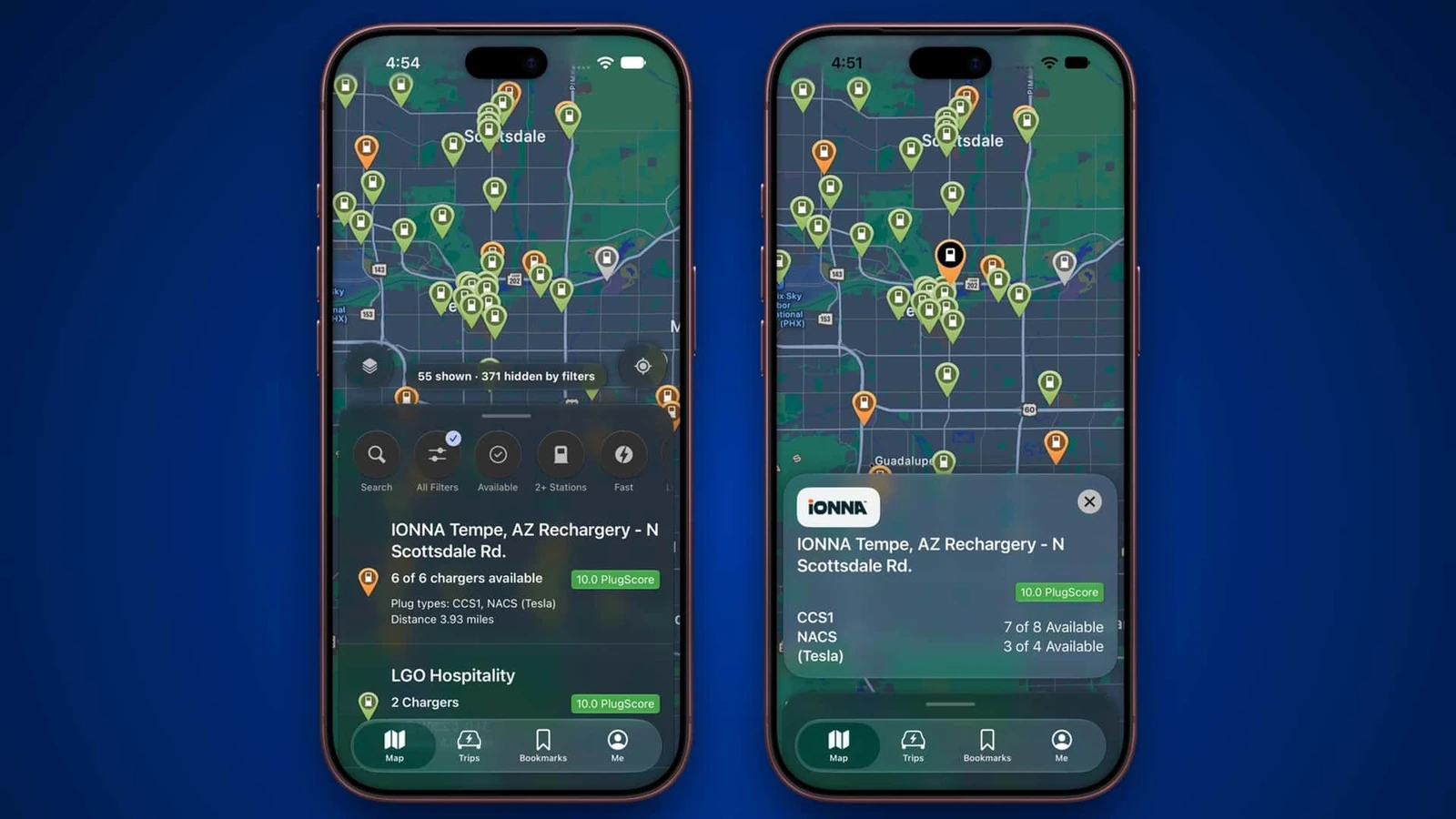
PlugShare has released version 8.0 of its EV charging map app, a near-total rebuild that brings dark mode for the first time in the service's 15-year history. The update is live now on the Apple App Store.

The redesign covers nearly every screen in the iOS app, adds support for the new iPhone Duo, and rebuilds the Apple Watch and iPad versions. PlugShare says an Android refresh, including dark mode and a Material 3-based design, is planned for early 2027.

What the iOS update changes

PlugShare describes version 8.0 as a near-total rebuild built on Apple's latest design language. Tab switching is now instant, users can open and zoom into location photos straight from the thumbnails, and trip views show exact distances from the starting point and from the previous stop.

The Apple Watch app now lets drivers find nearby chargers from the wrist, and it automatically applies the same filters set in the phone app so only compatible chargers appear. Tapping a location on the watch shows its Plug Score, charging network, connector types and a small preview map, and the charger list refreshes each time the wrist is raised with the app open. The iPad app has also been rebuilt to adapt its layout to the tablet's screen size.

Corey Davis, PlugShare's Senior Director of Software, said the update was shaped by the app's users: "PlugShare has always been shaped by the drivers who use it, and we remain community-driven 15 years after our first app launch". Dark mode had been requested by the community for years before this release.

Android owners wait until 2027

The timing makes the update an Apple-first release. Android users get a refreshed experience eventually, but the dark mode and Material 3 redesign they were promised will not arrive until early 2027, according to the company.

That gap matters for a service whose usefulness depends on how many drivers contribute. PlugShare's map is kept current partly by its community: some charging networks manage their own locations and accept payment through the app, while in other cases drivers themselves keep entries up to date. A more polished app on one platform is a modest incentive for the other half of the user base to keep checking in.

A 15-year-old map under EVgo ownership

PlugShare claims to be the world's largest community of EV drivers contributing real-time check-ins, reviews and photos, and says the service debuted in 2009. Beyond the free driver-facing map, it has added tools for charging operators and car manufacturers over the years.

Recargo, the company behind PlugShare, was acquired by EVgo for $25 million in 2021. Anyone can create an account and use the app to find chargers across operators.

For drivers, the practical value of this release sits in the small things: a watch that mirrors your car's compatible connectors without reaching for a phone, and trip screens that count distance between stops. Neither changes which chargers exist, but both cut the fiddling that comes before a charge.

Open this article ↗

Keep scrolling to read the next story.

Older articles →