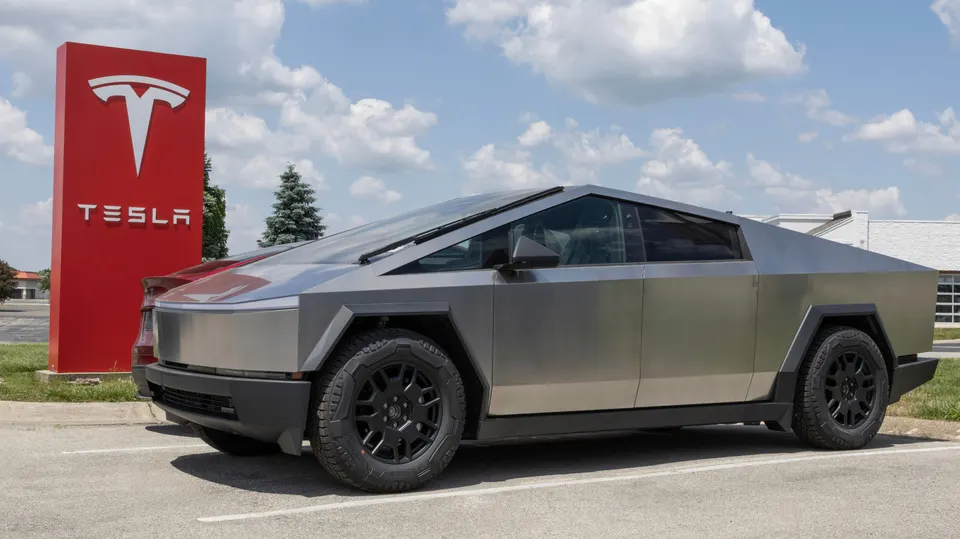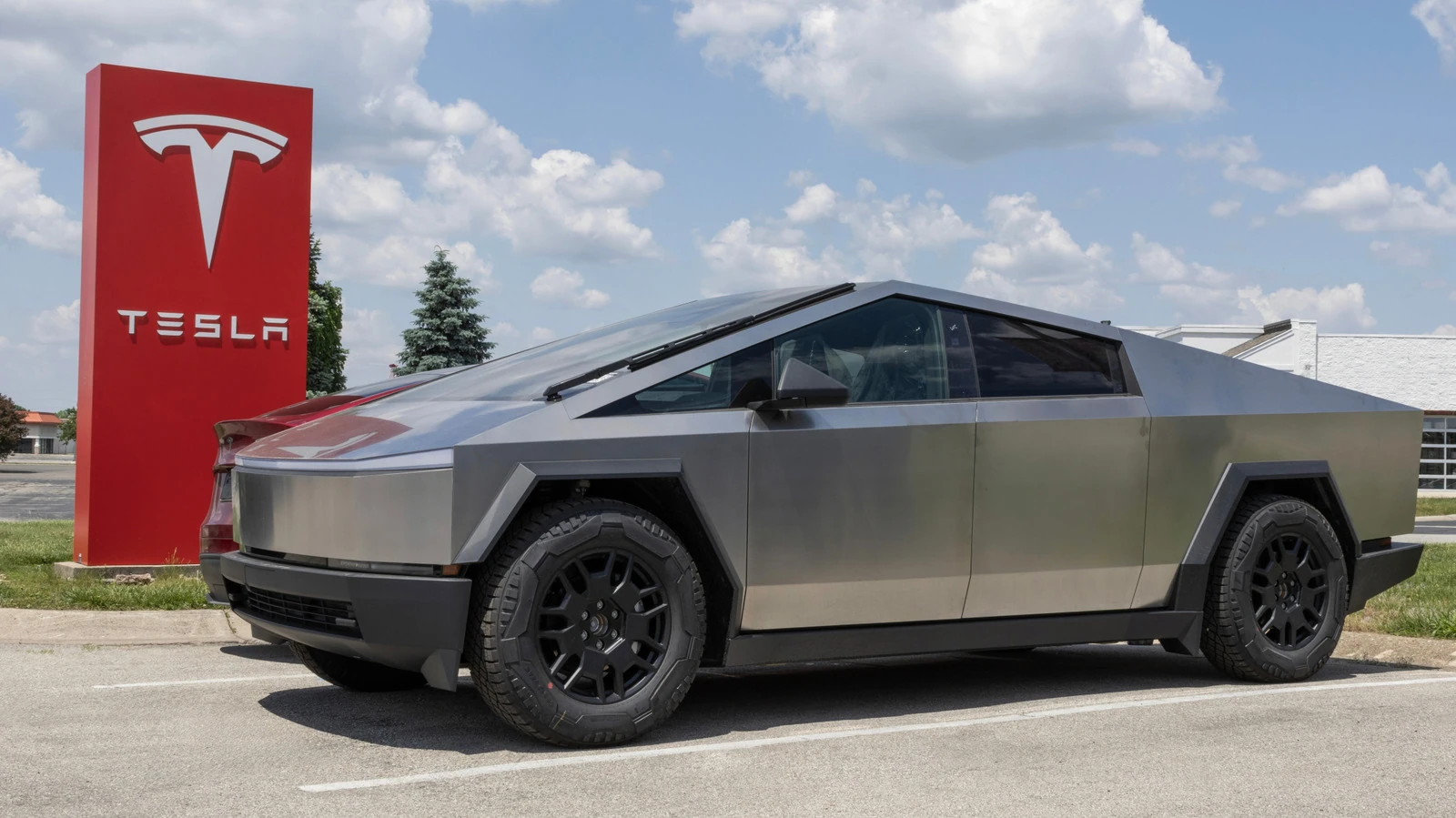
Tesla will stop building the Cybertruck at Gigafactory Texas around the middle of 2027, with the space going to higher-volume Cybercab production, Elon Musk said on X. The Cybertruck is assembled only in Texas, and Musk did not say whether output would move to another Tesla plant.
Wes Morrill, who was lead engineer on the Cybertruck project, wrote on X that the truck was "an incredible technology platform" that "lives on through Cybercab". He also told an owner that Tesla will keep spare parts stocked and continue service support.
Why Tesla is clearing space for the Cybercab
The Cybercab is Tesla's fully autonomous two-seat taxi, with scissor doors and no steering wheel. It was unveiled in 2024, shown in production form this September, and began limited paid public rides in Austin, Texas, the same month. Musk is placing large bets on driverless vehicles and robotics, and that has already cost the Model S sedan and Model X SUV their places in the range, while a long-rumoured smaller Tesla never arrived.
Tesla has not announced what, if anything, will replace the Cybertruck in its lineup. The sources here name no direct successor: the pickup's Texas line is being handed to the Cybercab, and the Cybertruck itself is described as living on through that platform rather than through a new truck. Whether a second pickup or a redesigned Cybertruck follows has not been confirmed.
Sales fell far short of Musk's targets
Musk once floated annual Cybertruck sales of 250,000, possibly rising to 500,000. Cox Automotive estimates put US sales at 11,586 in the first nine months of 2026, down 28 percent on the same period in 2025, and 2025 output was itself 48.1 percent below the prior year's sales. Total sales are believed to be around 71,000 over almost three years, with nearly 20 percent of fourth-quarter 2025 output going to businesses owned by Musk.
The gap between promise and reality is the clearest explanation for the decision. A model that was meant to be a high-volume pillar of Tesla's range has become a low-volume niche build, and the factory space it occupies is worth more to Tesla filled with Cybercabs.
A polarising truck with a price that climbed
The Cybertruck's stainless steel, angular body divided opinion from the start. Musk had promised a base single-motor, rear-wheel-drive truck at $39,900, but the production vehicle arrived with a sticker around 50 percent higher. The launch range was all-wheel drive only, starting at $62,380 including $1,390 destination and reaching $101,290 for the 845 hp (857 PS / 630 kW) triple-motor Cyberbeast. A cheaper single-motor Cybertruck at $71,985 was added in April 2025 but was dropped only months later as sales stayed weak.
Owners have also faced quality campaigns, including recalls for exterior trim detaching at speed, accelerator pedals sticking down (a particular concern in the Cyberbeast) and windshield wiper failure. For buyers weighing a Cybertruck now, the end of Texas production sharpens the question of resale value and parts supply, which is why Morrill's assurance that service and spares will continue matters more than usual.