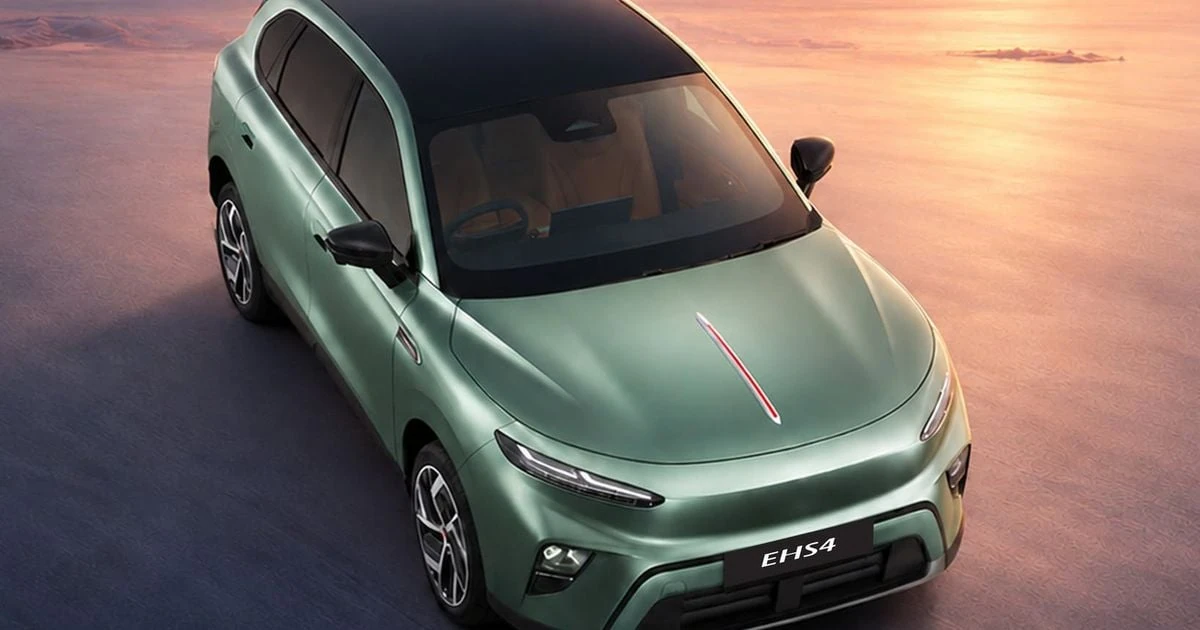
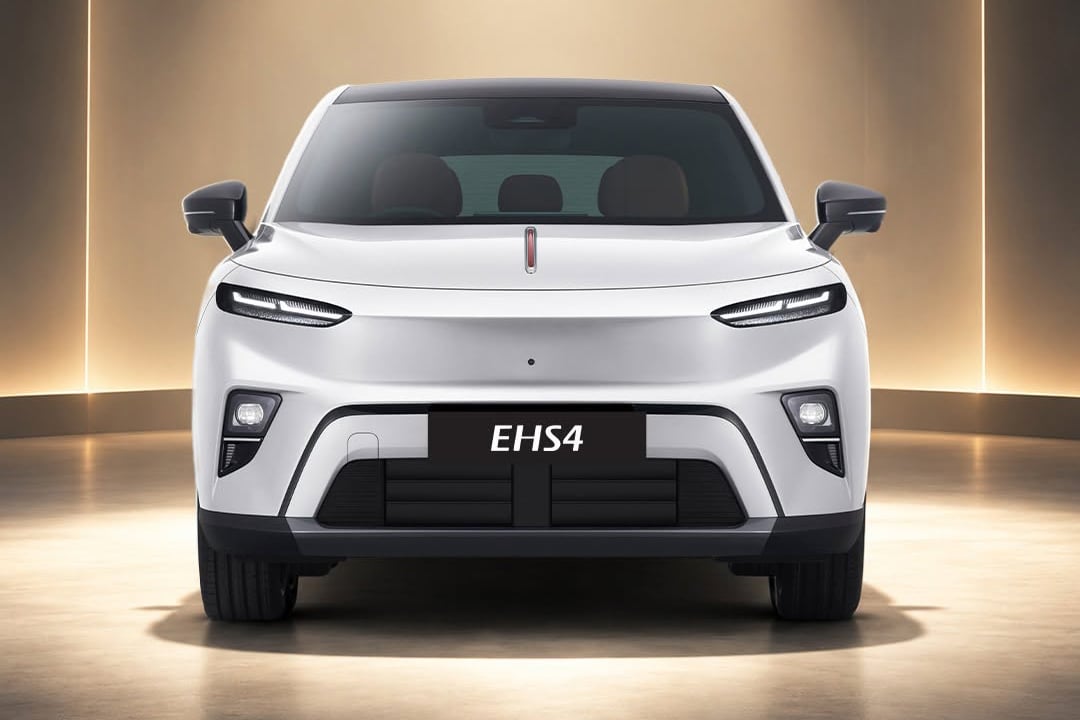
Hongqi's most affordable model, the EHS4 small electric SUV, has passed Australian Design Rule certification ahead of the brand's local launch, with the model set to follow the flagship E-HS9 into showrooms. The E-HS9 is due to begin customer deliveries in January 2026, and the EHS4 and larger EHS5 are expected within six months of that launch.
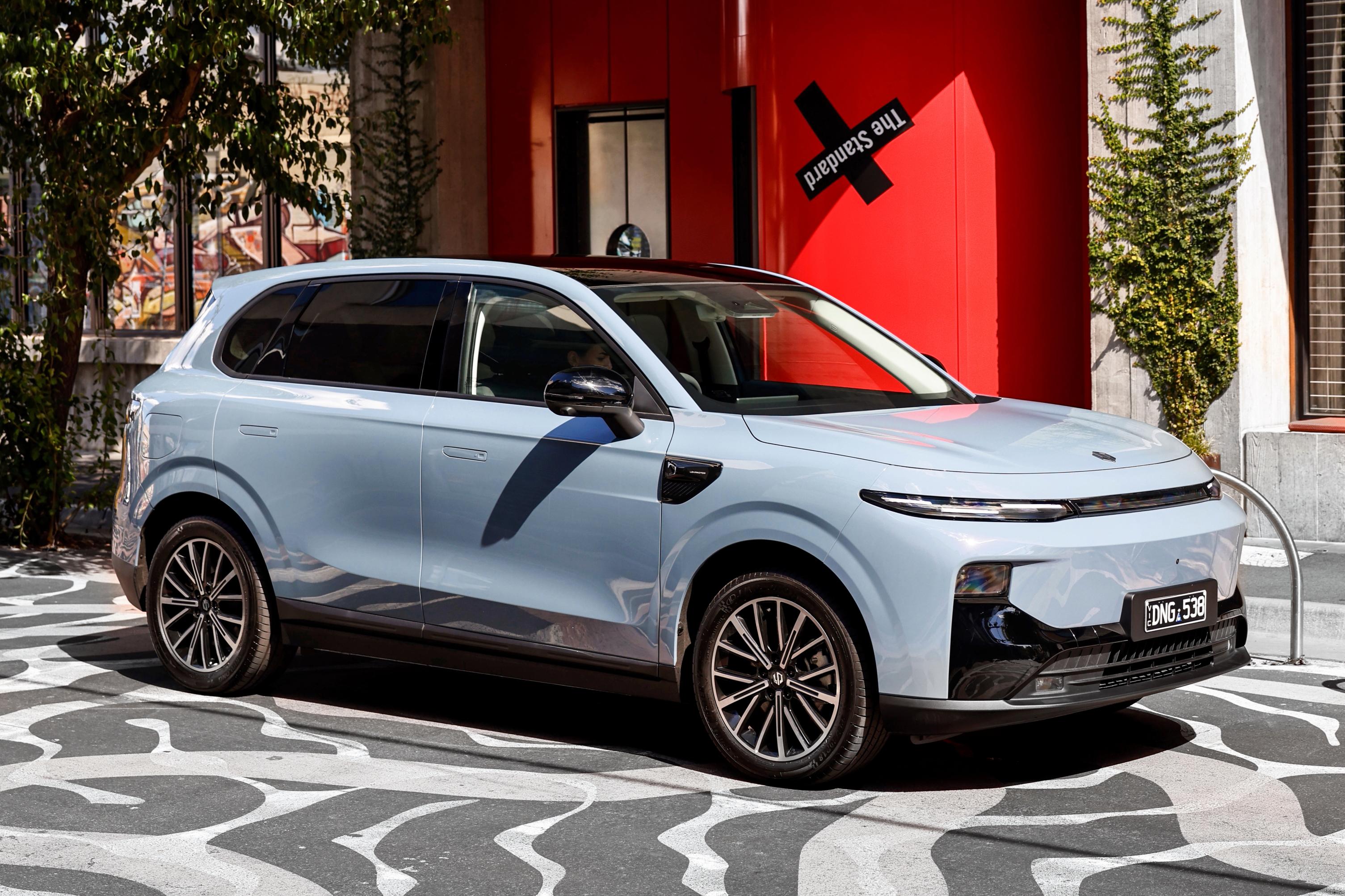
The EHS4 is closely related to the Leapmotor B10, sharing its platform, powertrain and much of its body, but Hongqi has not yet announced Australian pricing for the model.
What the certification documents show
ADR documents list the EHS4 at 4540mm long, 1890mm wide and 1655mm tall on a 2740mm wheelbase. That makes it 25mm longer and 5mm wider than the Leapmotor B10 it is based on, with a 5mm longer wheelbase.
Like the B10, it uses four-wheel independent suspension with MacPherson struts at the front and a five-link rear setup. The electric powertrain appears identical, with a single 160kW motor, and even the brake discs are the same size. Both models ride on 18-inch alloy wheels.
Battery, charging and performance details from overseas
The ADR documents do not list torque or battery capacity, but Hongqi has released those figures in other global markets. The EHS4 produces 240Nm of torque and uses a 67.1kWh lithium iron phosphate battery with a 400V electrical system supporting a maximum DC fast-charge rate of 168kW.
Those specifications match the Australian-market B10 rather than the Chinese-market version, which has been updated with an 800V electrical system. That distinction matters for buyers comparing the two: the Australian EHS4 will charge at the same rate as the Australian B10, not the faster-charging Chinese model.
Styling and cabin changes over the B10
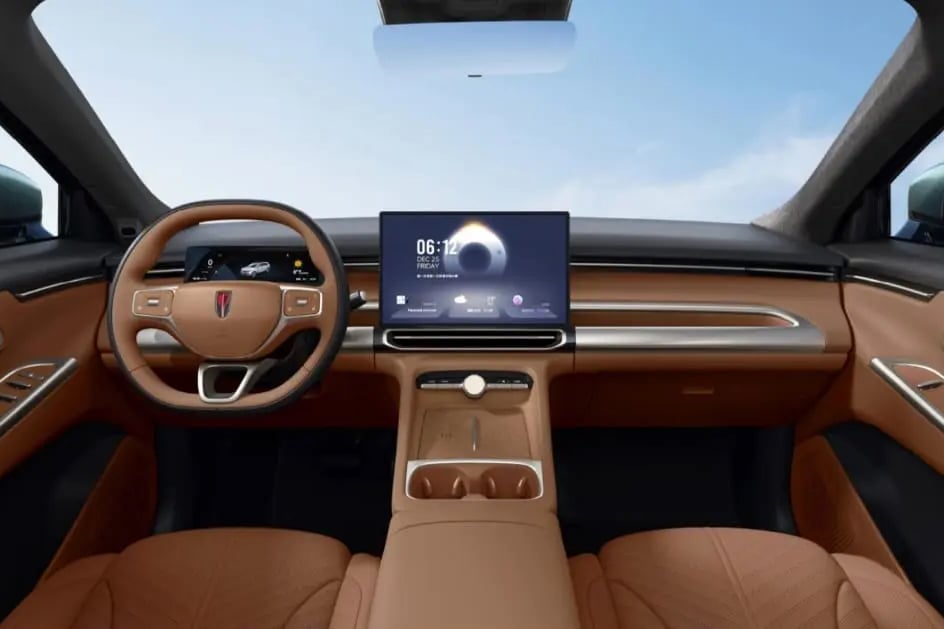
Hongqi has given the B10 new front-end styling and tweaked rear-end styling, along with a restyled dashboard, door panels and a new steering wheel. The overall body is unchanged, and the cabin keeps the B10's 8.8-inch digital instrument cluster and 14.6-inch touchscreen infotainment system.
The EHS4 is already on sale in Nepal, priced from 59.99 lakh, or around A$57,800. That is slightly more than the base price of the MG S5 EV in Nepal at 55.99 lakh, or around A$54,000. For reference, the MG S5 EV is priced from $41,990 drive-away in Australia. Those Nepali figures are a guide only: Hongqi has not confirmed Australian pricing for the EHS4, so buyers will have to wait for a local announcement.
Hongqi's Australian plans and the Leapmotor link
Hongqi, the premium Chinese brand owned by FAW, is entering the Australian market in 2027. The E-HS9 received ADR certification late last month ahead of customer deliveries starting in January 2026, and the EHS4 and EHS5 are set to follow within six months of that launch.
The relationship between the two brands runs deeper than a shared platform. FAW and Leapmotor signed a strategic cooperation agreement in March 2025 to jointly develop a new global vehicle, and FAW subsequently agreed to invest 3.74 billion yuan in Leapmotor in December for a five per cent stake. Leapmotor's local boss, Andy Hoang, told CarExpert in October that he welcomes the competition.
For Australian buyers, the EHS4 effectively offers Leapmotor B10 hardware under a premium badge, with the same motor, battery and charging architecture. The question is whether Hongqi's positioning and interior changes justify a price above the B10 when both arrive.