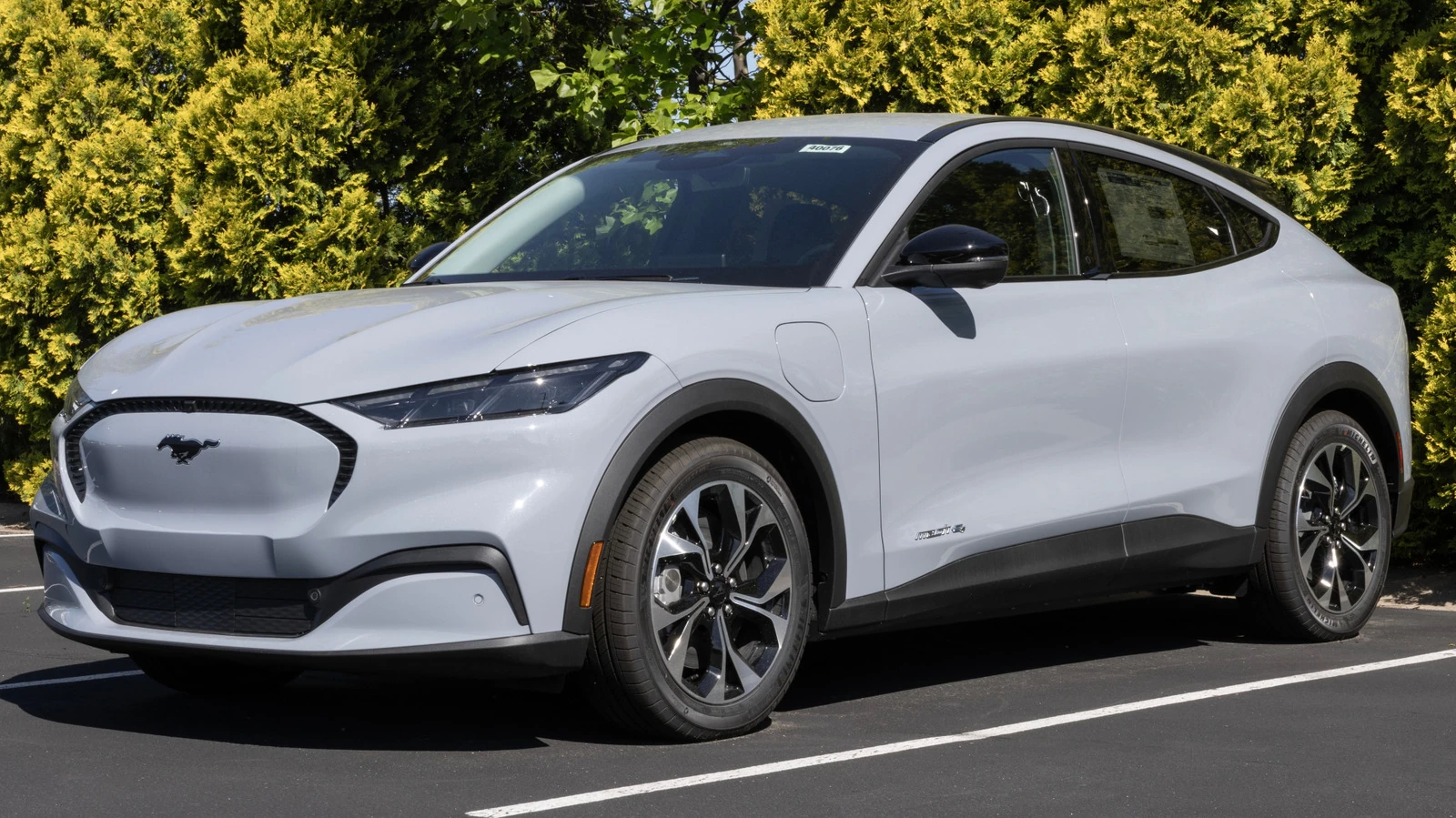
Ford has published a battery health report card for the 2021 Mustang Mach-E, saying the EVs it analysed retained an average battery state of health of 92% after more than two billion collective miles. The study covered more than 36,000 Mach-Es sold in the US and Canada in the model's first year on sale.
According to the figures Ford shared, 95% of the analysed 2021 cars have batteries sitting between 87% and 97% health, including high-mileage examples. The results suggest degradation fears around early EVs may be overstated, at least for this model.
Kevin Vander Laan, technical leader of high-voltage battery cells and systems at Ford, described the dataset as one of the company's most valuable feedback loops at this scale: more than 36,000 vehicles, five-plus years and billions of real-world miles. He said the data is encouraging and continues to inform how Ford approaches battery systems, software guidance and future electric vehicle programs.
The car behind the numbers
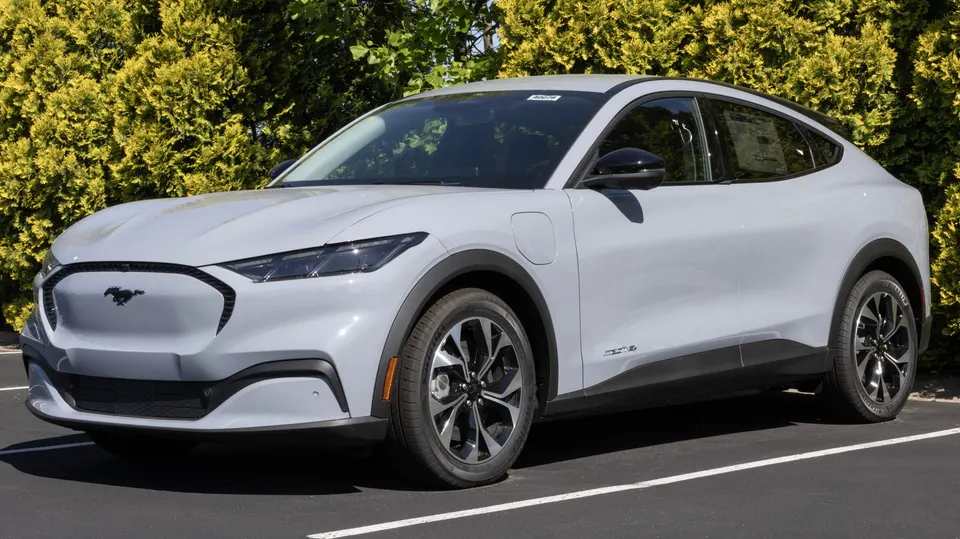
The Mustang Mach-E was Ford's first series-production EV of the modern era, pitched as a rival to the Tesla Model 3 and Model Y. It uses the company's Global Electrified 1 architecture, and 2021 and 2022 models were offered with standard-range and long-range battery packs.
Ford's conclusion from the study is that these packs can handle high mileage with minimal degradation and should last the life of the vehicle without a replacement. That is a manufacturer claim drawn from owner data rather than an independent laboratory test, so it is best read as Ford's own assessment of its hardware.
What comes next from Ford
Ford's next significant EV is the Fathom pickup, which will start at $29,945 and be the first model on the company's Universal Electric Vehicle platform. It will use large aluminium castings for its shell, offer bidirectional charging and adopt a simplified 400-volt electrical architecture with Ford's fifth-generation battery management system.
Ford has not said whether the Fathom will carry any specific battery warranty or health guarantee based on these findings, and it has not released state-of-health figures for Mach-Es from model years after 2021. The report card therefore covers the earliest cohort only, which is also the one with the most miles behind it.