INDEPENDENT AUTOMOTIVE NEWSGLOBAL PERSPECTIVE / AUSTRALIAN EDITION
TDCNTHE DAILY
CAR NEWS.

The road ahead.
Every day.

RSS ↗
Latest/Australia

455 original articles

Australia / TDCN ORIGINAL

GWM Haval H7 launches in Australia with PHEV demand leading pre-orders

GWM's Australian COO says pre-orders are running at 100 to 150 a week, two thirds of them for the plug-in hybrid, as the brand targets 1000 H7 sales a month.

GWM has launched the Haval H7 in Australia, and the plug-in hybrid version is doing most of the work before the car has even settled into showrooms. GWM Australia and New Zealand chief operating officer John Kett said pre-orders are running at "100 to 150 a week", with PHEV variants accounting for "two thirds" of that tally.

Kett, speaking to media at the H7's launch and in a follow-up interview with CarExpert, said the brand forecasts the H7 at "1000 [units]" a month in Australia. GWM has not announced Australian pricing for the H7 in the material available, so what buyers will pay for the PHEV-heavy range has yet to be confirmed.

A volume target that would reshape GWM's local line-up

The 1000-a-month figure would make the H7 one of GWM Australia's strongest sellers almost immediately. The smaller Haval Jolion currently leads the brand at an average of 1850 units a month in 2026, with the Haval H6 range averaging 1170 a month.

Kett framed the H7 as part of a broader push on the mid-size SUV segment rather than a standalone bet. "We want that segment to give us a top three volume, which is like 2500 a month. Our preference would be to see H7 be 1000 and H6 to be anywhere between 500 to 1000," he said.

Those numbers are solid but modest next to the class leaders. The Toyota RAV4 and Tesla Model Y are averaging 3590 and 3900 monthly registrations respectively year-to-date. The H7's incremental volume is aimed at a different goal: GWM wants to be a top five brand in Australia and currently sits seventh, with 49,376 registrations to the end of October, up 12.8 per cent, still more than 11,000 behind sixth-placed Hyundai.
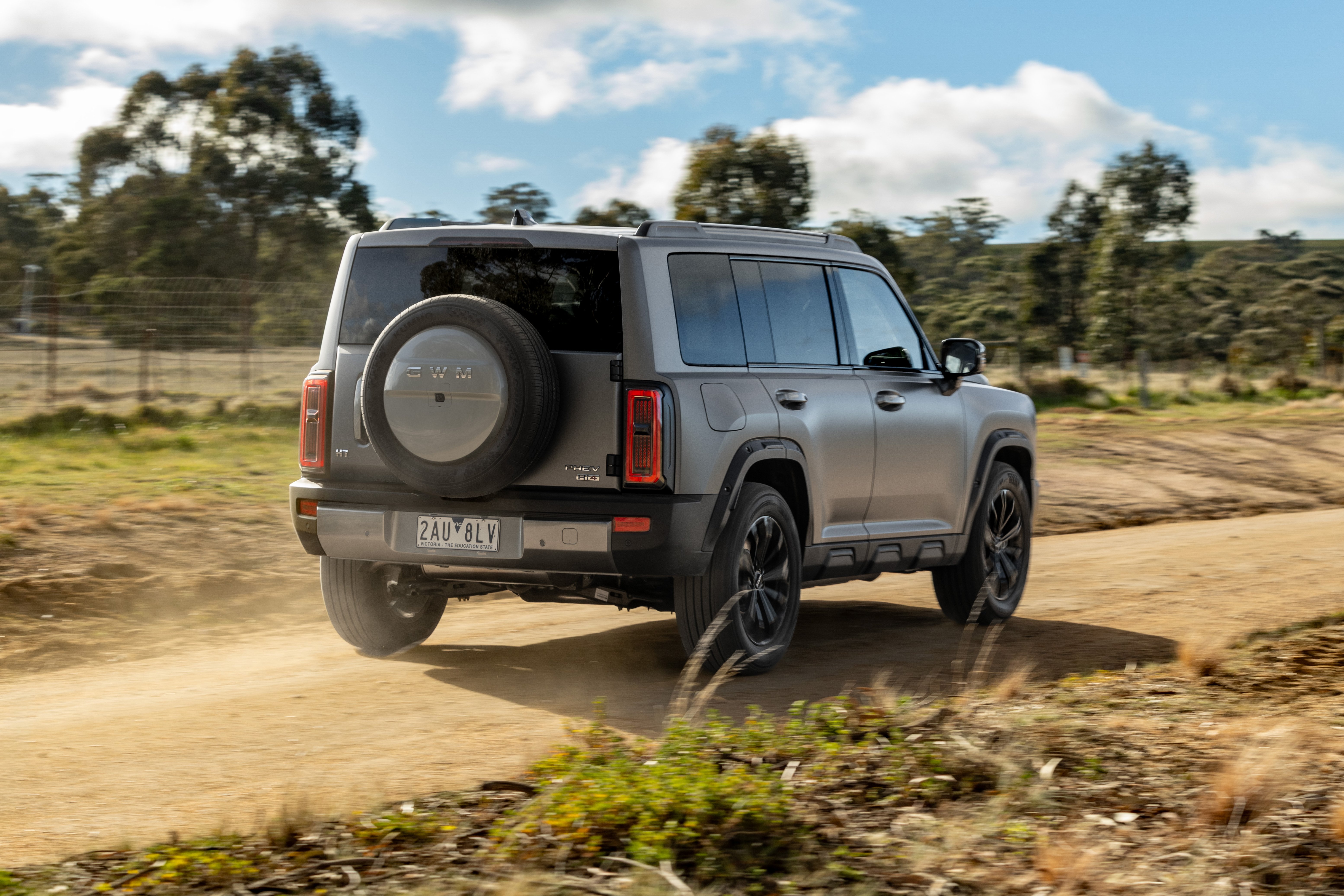
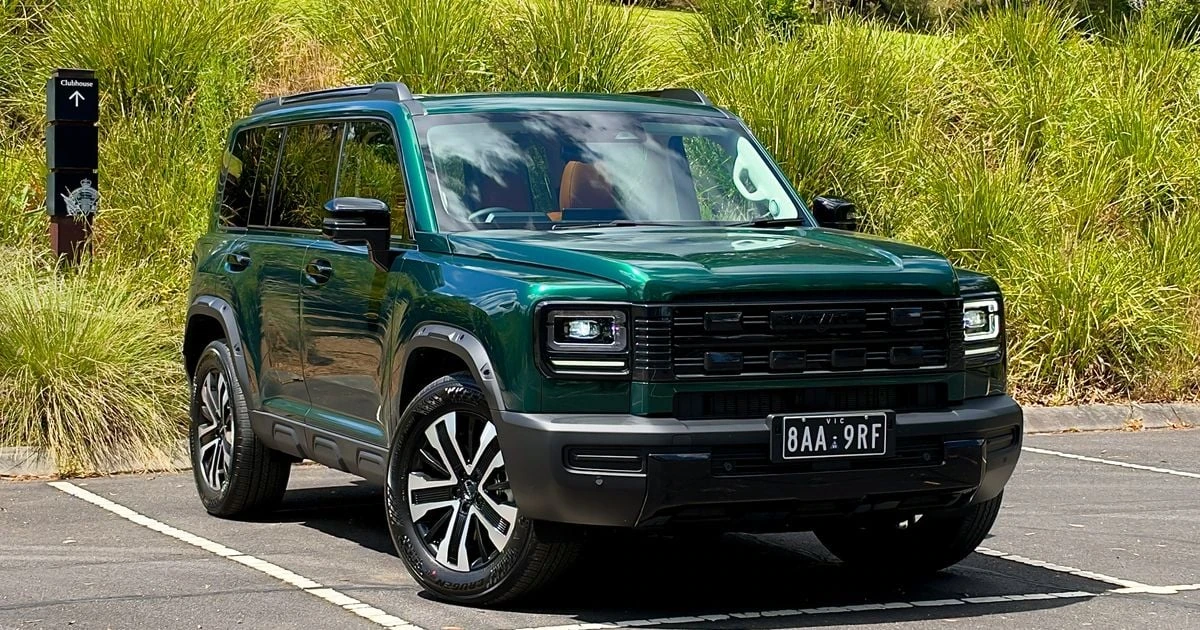
The rugged, boxy SUV body style GWM is betting on as it expands its Australian line-up
The rugged, boxy SUV body style GWM is betting on as it expands its Australian line-up, Image: CarExpert

Where GWM sits among Chinese brands in Australia

GWM is Australia's second most popular Chinese brand behind BYD, which has 86,639 registrations, and ahead of Chery on 42,339 and MG on 41,508 in eighth and ninth places respectively.

The gap to Hyundai is the number that matters most for the top-five ambition. A model line running at 1000 a month would close a meaningful slice of an 11,000-plus shortfall over a full year, which explains why GWM is leaning on the PHEV variant rather than treating electrified SUVs as a niche offering.
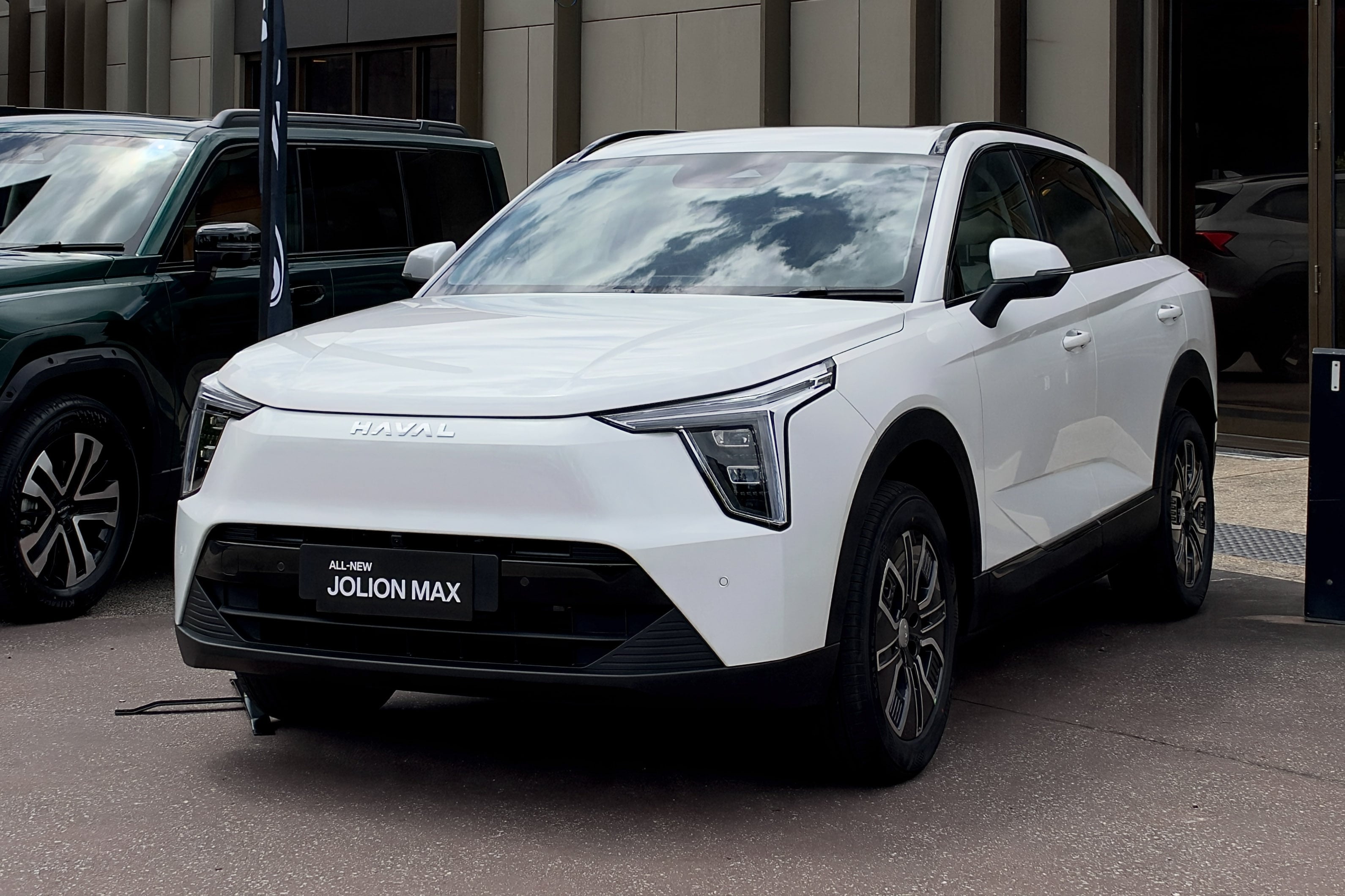
Haval's Jolion Max shows the design language GWM will build on for the H7 and its PHEV push
Haval's Jolion Max shows the design language GWM will build on for the H7 and its PHEV push, Image: CarExpert

Two more mid-size SUVs follow in early 2027

The H7 is the first of three mid-size SUV launches GWM has mapped out for Australia. The Jolion Max and Ora 5 Plus are both due in the first quarter of 2027.

The Jolion Max will be offered in plug-in hybrid and electric versions, slotting between the existing Jolion Hybrid and H6 PHEV. The Ora 5 Plus has not yet been revealed, but it is EV-only and is understood to be a larger version of the existing Ora 5, giving GWM a contender in the mid-size electric SUV segment currently dominated by Tesla and Zeekr, among others.

For buyers, the practical effect is a widening choice of electrified SUVs from one brand within a single model year, with the H7's PHEV tilt suggesting GWM expects plug-in hybrids, not battery-electric models, to carry its volume in the near term.
Open this article ↗
Electric / TDCN ORIGINAL

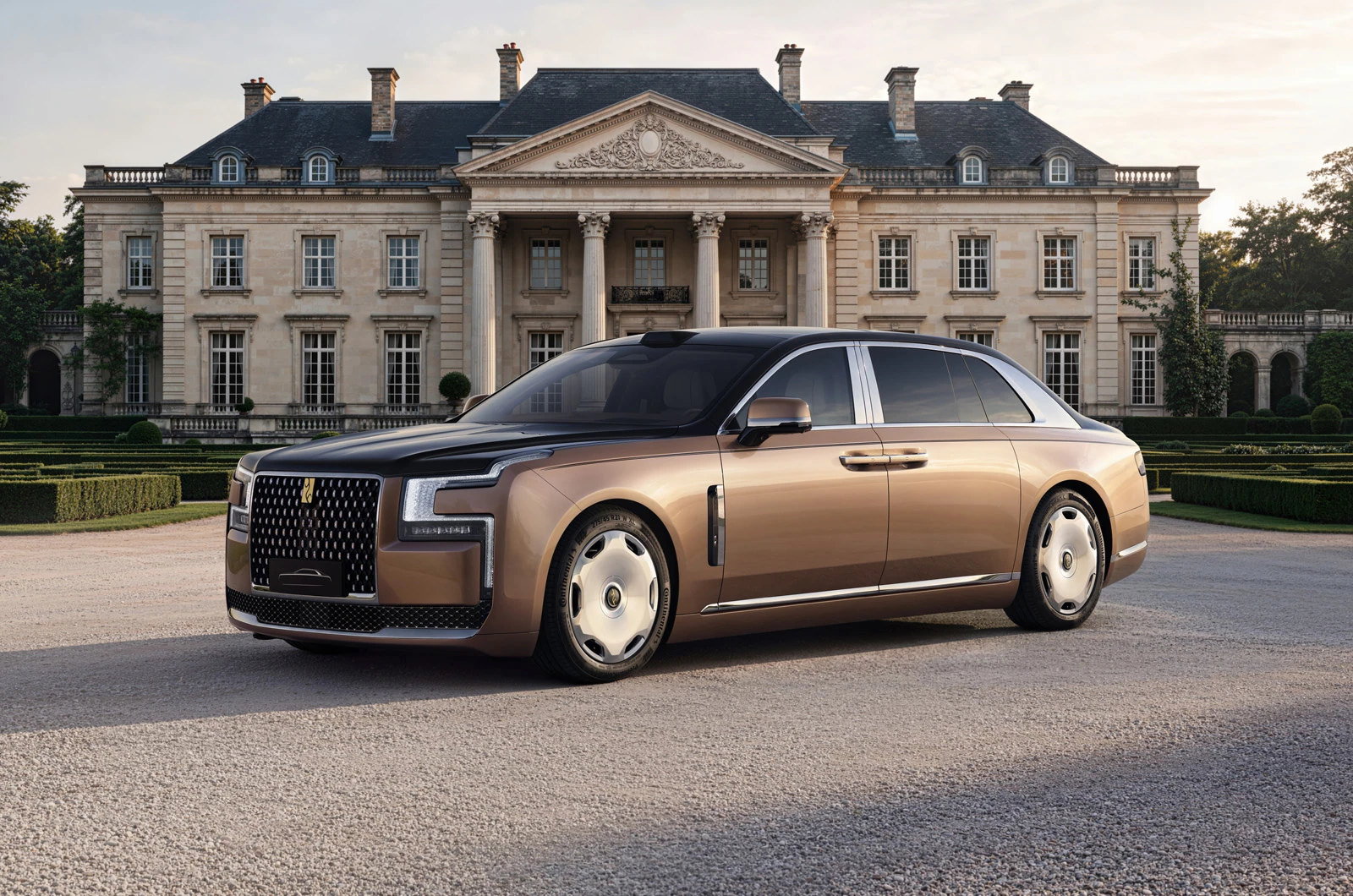
Yangwang Altior revealed as 5.6m electric limousine aimed at Rolls-Royce Phantom

BYD's luxury brand claims more than 621 miles of CLTC range, a 21.4in ceiling screen and two fridges for its four-seat flagship.

Yangwang has unveiled the Altior, a 5.6m electric ultra-luxury limousine that the BYD-owned brand is positioning against the Rolls-Royce Phantom. The four-seat flagship will sit above the U7 saloon, U8 SUV and U9 hypercar in Yangwang's range.

At 5.6m bumper to bumper, the Altior is 400mm longer than an extended-wheelbase Mercedes S-Class, with a 3500mm wheelbase opening up a cavernous cabin. Yangwang says the car is designed to "bring the depth of Chinese culture into a contemporary vision of ultra-luxury".

Craft details borrowed from jewellery and ceremony

Yangwang is leaning hard on craftsmanship rather than screen count. The front grille is described as "a masterpiece of high jewellery" and appears to change pattern under different lighting, while the headlights use 12 individually rotating elements that perform a routine as the owner approaches.

Patterned umbrellas are stowed in the rear doors, which open backwards in the manner of the Phantom to create what the brand calls "an elegant transition into the cabin". Inside, the air vents are detailed with a Chinese variety of jade stone, and the seats use a traditional silk-splitting method for their decoration.

Physical controls alongside a full-width screen

The Altior departs from the Chinese EV norm of minimalist, all-digital dashboards. It carries an extensive suite of physical buttons and switches alongside a full-width touchscreen in the style of Mercedes. Yangwang says it tapped the controls with small hammers during development to get the sound and feel right.

Rear passengers get a claimed 1209mm of leg room, which Yangwang notes is half the length of a Citroen Ami. The "aviation-style zero-gravity seats" have massage functions and a Relaxation mode that fully reclines them while closing the blinds, softening the lighting and raising the leg rests. A 21.4in cinema screen folds down from the ceiling for calls and entertainment, as in the BMW i7, and refrigerators front and rear keep drinks cold.

Quad-motor powertrain and CLTC range claim

The Altior uses the same architecture as Yangwang's other models, so it is expected to share a similar quad-motor electric powertrain, though output has not been disclosed. Tank turning is confirmed. It rides on the brand's DiSus active suspension, which monitors the road ahead and prepares the car for bumps and terrain changes.

Yangwang promises more than 621 miles per charge, but that figure is on China's CLTC test cycle, which is more generous than Europe's WLTP or the US EPA cycle. Full technical details have not been confirmed. The range claim therefore cannot be read directly against figures quoted on other cycles.

Europe in 2028, but the UK is unconfirmed

BYD vice-president Stella Li has previously said Yangwang is being prepared for a European launch in 2028, but whether the Altior will be part of that line-up has not been confirmed. Australian availability and pricing have not been announced.

If it reaches UK showrooms, the Altior would be the first ultra-luxury electric limousine on the market, since Rolls-Royce's Spectre EV is a coupe, and it would rank among the largest cars ever sold there. That positioning is the car's real argument: the electric luxury segment so far offers fast saloons and coupes, not a full-size four-seat limousine with a chauffeur-focused rear cabin. Buyers cross-shopping a Phantom have had no electric equivalent to consider until now.

Open this article ↗

Keep scrolling to read the next story.

Older articles →