INDEPENDENT AUTOMOTIVE NEWSGLOBAL PERSPECTIVE / AUSTRALIAN EDITION
TDCNTHE DAILY
CAR NEWS.

The road ahead.
Every day.

RSS ↗
Latest/Industry

455 original articles

Industry / TDCN ORIGINAL

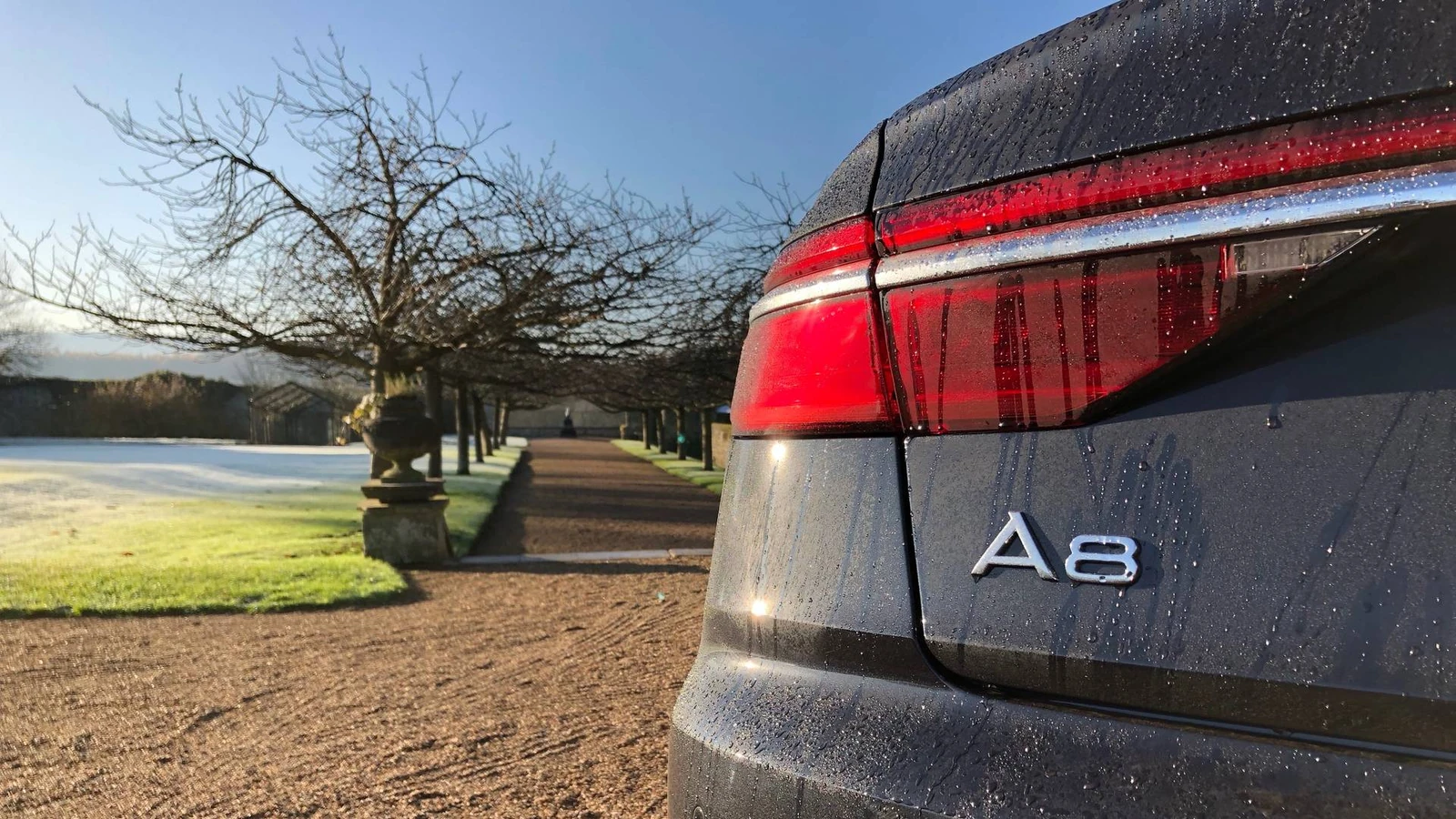
Audi ends A8 production at Neckarsulm after 32 years, successor due before 2030

The last D5-generation flagship has rolled off the line in Germany, with the Q9 SUV taking over as Audi's top model in the interim.

Image: Motor1

Audi has stopped building the A8 at its Neckarsulm plant in Germany, ending a 32-year production run for the flagship sedan at the site. The final example was assembled in mid-October, according to Auto Motor und Sport.

The nameplate is not being retired outright. Audi has confirmed a successor is planned, though the company has not said what form it will take.

From aluminium pioneer to end of the line

The A8 has been built at Neckarsulm since 1994, when the first D2 generation launched with aluminium-intensive Space Frame construction that distinguished it from its German rivals. Four generations followed, with the current D5 arriving in 2017 and receiving a facelift in 2021.

The wind-down was gradual. Audi stopped taking individual A8 orders in Germany in February, leaving buyers to pick from dealer stock. The current car had reached the end of its natural lifecycle, and full-size luxury sedans are simply not selling in the volumes they once did, at least not the A8: the Mercedes S-Class and BMW 7 Series remain strong in the segment.

A successor is confirmed, but not specified

Audi has already decided to replace the A8. Model line spokesperson Marcel Bestle said earlier this year that the decision had been taken and that the car would be presented towards the end of this decade, before 2030, with further details to follow in due course.

What has not been announced is the powertrain. Audi has not confirmed whether the next flagship sedan will be fully electric, combustion-powered or a plug-in hybrid, so any claim about an electric A8 remains speculation for now.

The gap matters for Audi's positioning. A brand competing with BMW and Mercedes lacks a proper flagship sedan until the replacement arrives, and the new design language shown on the Concept C and Nuvolari concepts has yet to be applied to a production sedan. The first Audi sedan to adopt it will be the electric A4, not an A8.

The Q9 becomes the temporary flagship

Until a successor lands, the Q9 large luxury SUV sits at the top of Audi's range, above the Q7. It is built in Bratislava, Slovakia, and fills a gap Ingolstadt had left open: Audi previously had no three-row full-size SUV to challenge the Mercedes GLS or BMW X7.

That swap says a lot about where demand has gone. The flagship role passes from a low-slung sedan to a tall SUV, a segment where Audi had been ceding ground to its two closest rivals.

What happens to Neckarsulm

The freed capacity at Neckarsulm will be used for the A5 Sedan and A5 Avant, including their S and RS derivatives.

The plant's longer-term future is less settled. Volkswagen Group's Supervisory Board has approved a Future Plan 2030 that acknowledges European production capacity exceeds demand by more than 500,000 vehicles, and that competitive production allocations for Neckarsulm, Emden, Zwickau and Hanover are not secured between 2031 and 2034. The group says it will develop a sustainable production strategy for its European plants by June 2027 and assess alternative uses for affected sites.

Neckarsulm is not slated to close, but its inclusion among the sites without secured production beyond 2030 is a warning sign. Reviving a full-size luxury sedan there would help the plant's case, though one model line alone would not be enough to reverse its fortunes.

For now the A8 nameplate lies dormant. Buyers wanting a large Audi flagship have the Q9; those wanting the sedan will be waiting until late in the decade at the earliest.
Open this article ↗
New cars / TDCN ORIGINAL

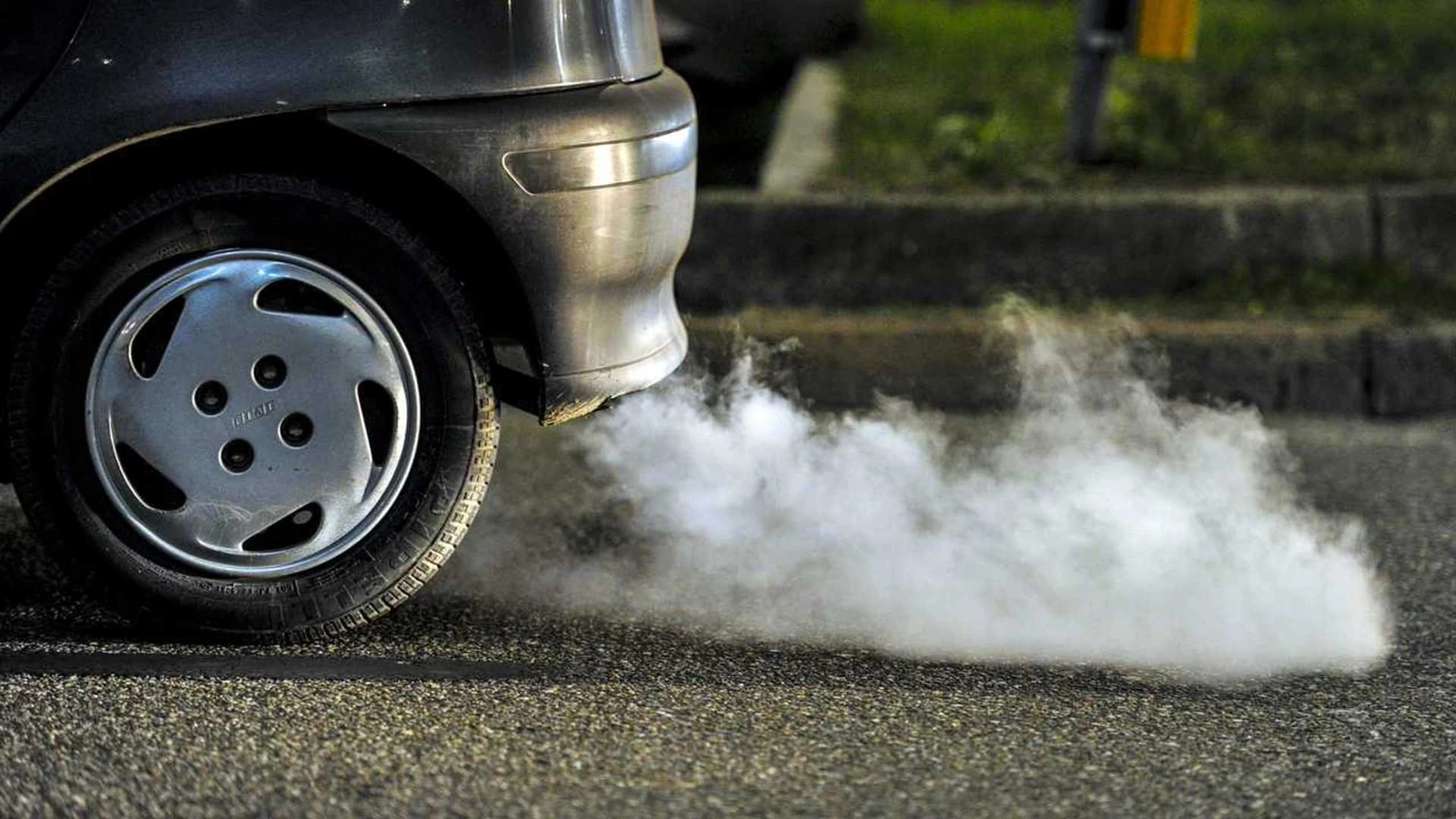
EU Parliament committee votes to soften the 2035 petrol and diesel car ban

Lawmakers backed an 87.5 percent CO2 cut for new cars by 2035 instead of a full phaseout, with credits for EU-made low-carbon steel.

Image: Motor1

The European Parliament's Environment Committee has voted to weaken the EU's 2035 combustion-engine phaseout, approving a text that would let petrol and diesel cars stay on sale in reduced numbers after that date. The committee backed the plan on November 4, 2026, by 48 votes in favour, 30 against and two abstentions.

Nothing has changed yet for buyers or automakers. The vote sets Parliament's negotiating position rather than a new law, and the existing 100 percent targets for cars and vans remain in force until the legislative process runs its course.

What the committee approved for cars

For new passenger cars, the committee proposal would lower the 2035 fleet-wide emissions target from a full phaseout to an 87.5 percent reduction against 2021 levels. Part of the remaining gap could be covered with credits for using low-carbon steel made in the EU, which the committee caps at 7.5 percent of the reference target, bringing the effective figure closer to 95 percent.

A tighter limit applies in the near term. Between the rules' entry into force and the end of 2034, low-carbon-steel credits would be restricted to just 3 percent of specific targets for both cars and vans, well below the long-term 7.5 percent ceiling.

Vans face a different set of numbers

Vans diverge further from what is currently on the books. The committee set a 2030 target of 35 percent, short of the European Commission's own 40 percent proposal and a steep step down from the 50 percent reduction vans face under rules already in force. By 2035, the committee would cut the van target from a full 100 percent to 80 percent, with the same low-carbon-steel credit mechanism available and again capped at 7.5 percent.

The credit system lets automakers hit a nominally lower target while still getting partial recognition for cleaner manufacturing. Steel production is one of the largest sources of embedded emissions in a vehicle's supply chain, so crediting EU-made low-carbon steel gives manufacturers another lever besides tailpipe output alone. That is a meaningful shift from the original 2035 framework, which counted only what came out of the exhaust pipe, and it explains why the committee's headline percentages look softer than a simple side-by-side comparison would suggest.

The industry had been split on the original ban, and the committee's compromise reflects that divide rather than resolving it.

Why the vote is not the final word

The committee's text is a negotiating mandate that still needs approval from the full Parliament before talks with EU governments can begin. That full Parliament vote is expected in December 2026. Until Parliament votes and any resulting deal clears the remaining legislative steps with the Council, the original 100 percent targets for both cars and vans stay exactly as they are.

For drivers and car buyers, the practical effect is that showroom rules are unchanged for now. The significance lies in the direction of travel: a committee of lawmakers has formally endorsed keeping some combustion-engined cars on sale past 2035, and has opened a second route to compliance through steel sourcing rather than exhaust output alone. Whether that position survives the full Parliament and negotiations with member states is the next test.

Open this article ↗

Keep scrolling to read the next story.

Older articles →