INDEPENDENT AUTOMOTIVE NEWSGLOBAL PERSPECTIVE / AUSTRALIAN EDITION
TDCNTHE DAILY
CAR NEWS.

The road ahead.
Every day.

RSS ↗
Latest/Electric

455 original articles

Electric / TDCN ORIGINAL

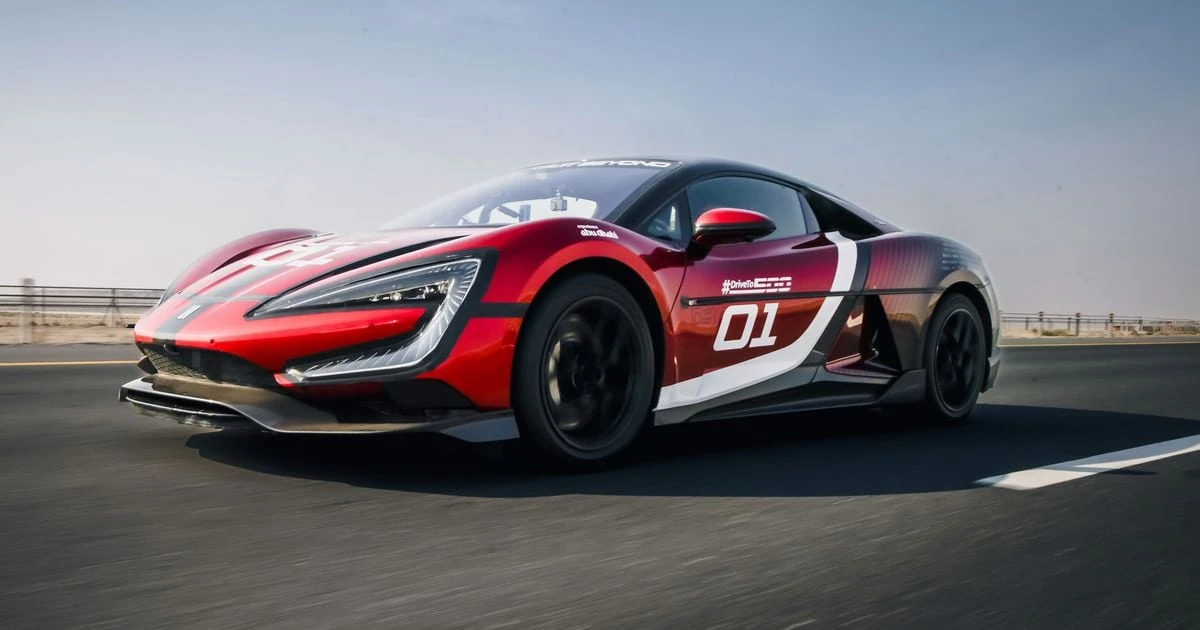
BYD's Yangwang U9 Xtreme hits 503.17km/h to claim FIA-recognised speed record

The 2,220kW electric hypercar, limited to 30 units, went past 500km/h on a closed road in Abu Dhabi after two earlier attempts fell short.

BYD's Yangwang U9 Xtreme has become the first production car to exceed 500km/h, recording a single-direction top speed of 503.17km/h on a closed 10-kilometre section of road in Abu Dhabi's Al Dhafra Region on November 1, 2026. The FIA recognised the run, and it also earned two Guinness World Records: highest speed by a production car and highest speed by an electric production car, both in a single-direction run.

The record was set by German racer Marc Basseng, the same driver who took the U9 Xtreme to its previous best of 496.22km/h in 2025 on a test track in Germany. Two attempts on October 31 topped out at 490km/h before engineers adjusted the car's aerodynamics, suspension settings and tyre pressures ahead of the successful run.

How the record compares

The 503.17km/h figure extends the U9 Xtreme's margin over the Bugatti Chiron Super Sport 300+, which recorded 490.484km/h in 2019. The Bugatti remains the fastest internal combustion road car on a single-direction run, while the SSC Tuatara holds the separate two-way production-car record with a 455.3km/h average set in 2021.

Those distinctions matter because top-speed claims are only comparable when the measurement method matches. A single-direction run and a two-way average are different tests, and the U9 Xtreme's headline number belongs to the former category.

The car behind the number

The U9 Xtreme, previously called the Track Edition, is the flagship version of Yangwang's two-door electric hypercar, built in a run of 30 cars priced above ¥20 million, or about $4.36 million at the conversion cited, against ¥1.8 million ($392,000) for the regular U9.

It uses a 1200V architecture and four electric motors, one per wheel, for a combined 2220kW, more than double the standard U9's 960kW. The regular U9 produces 1680Nm and claims 0-100km/h in 2.36 seconds and a standing 400m time of 9.78 seconds; BYD has not published official acceleration figures for the Xtreme.

The standard U9 launched with a claimed 309.19km/h top speed and later reached 391.94km/h in testing before the Xtreme went faster still. The Xtreme also holds a Nürburgring Nordschleife lap of 6 minutes 59.157 seconds, the fastest recorded by a production electric vehicle.
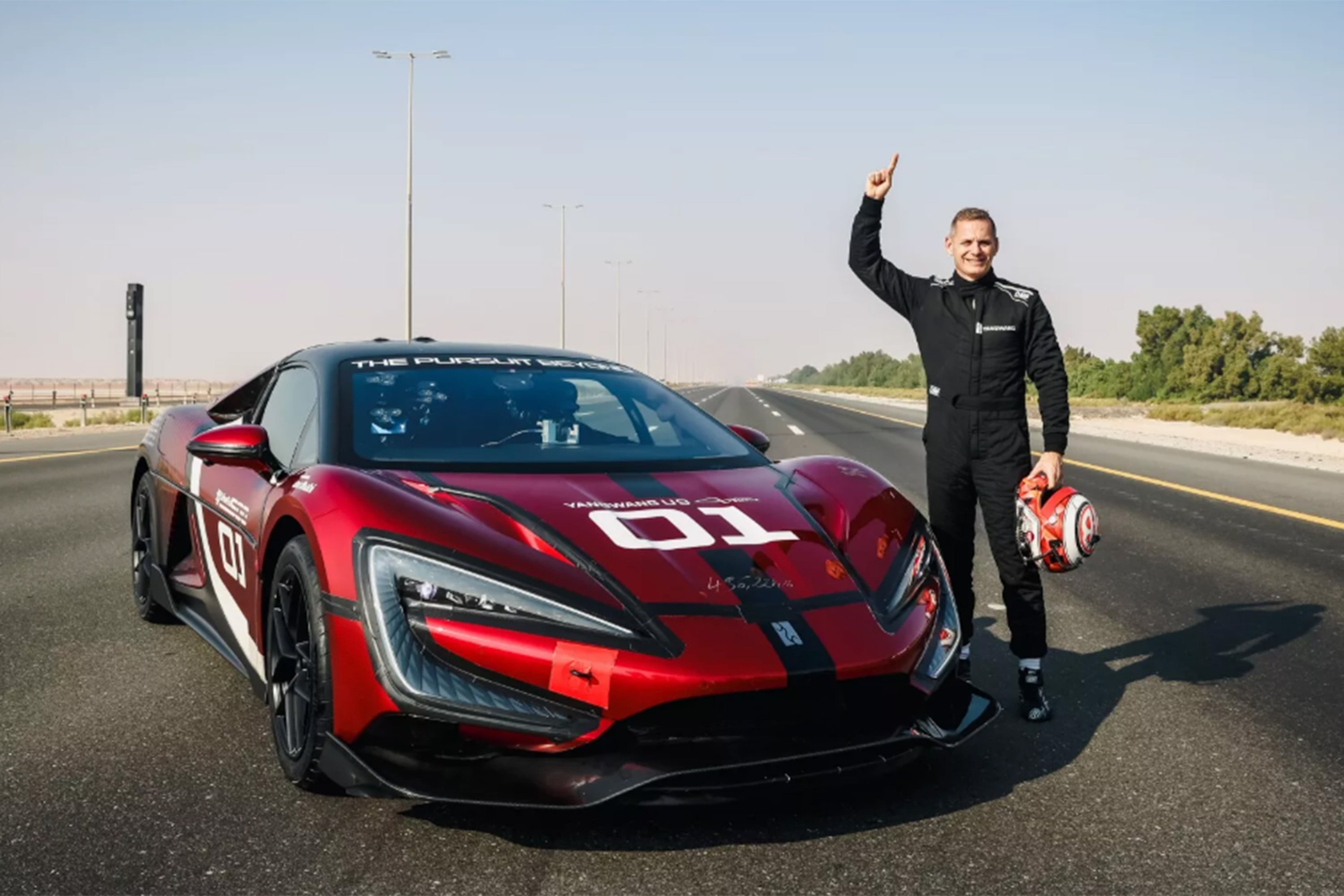
The driver signals number one after piloting the U9 Xtreme to 503.17km/h
The driver signals number one after piloting the U9 Xtreme to 503.17km/h, Image: CarExpert

What BYD says, and what it means

BYD executive vice-president Stella Li said the team was already reviewing data and planning the next step while celebrating the 496.22km/h run in Germany last year. "503.17km/h is a fantastic achievement, and it moves the benchmark for pure electric power even further ahead of where others might dream," she said.

The record is a marketing asset more than a sales one, given the 30-car build and seven-figure price. Its value lies in what it demonstrates about BYD's high-voltage, four-motor hardware, technology that can filter down to models more buyers can afford.
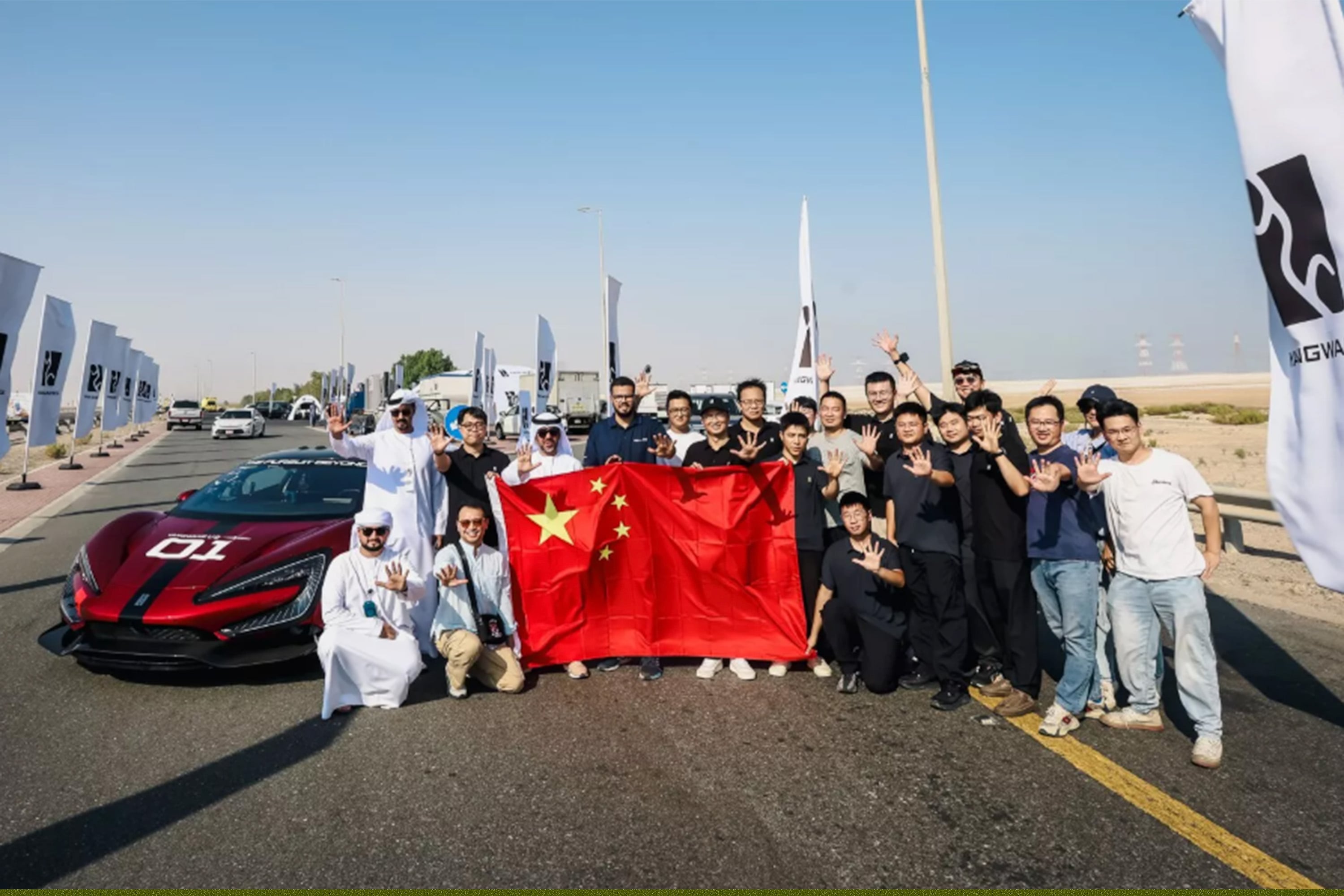
Team and crew celebrate the record run beside the U9 Xtreme, China's flag flying over the achievement
Team and crew celebrate the record run beside the U9 Xtreme, China's flag flying over the achievement, Image: CarExpert

Australian connection

The standard U9 is not sold in Australia, but Nick Politis, a director of Eagers Automotive, ordered a U9 Xtreme in April 2026, with delivery expected in early 2027. That makes the record a local story for at least one Australian buyer, even though the model has no official retail presence in the country.
Open this article ↗
Australia / TDCN ORIGINAL

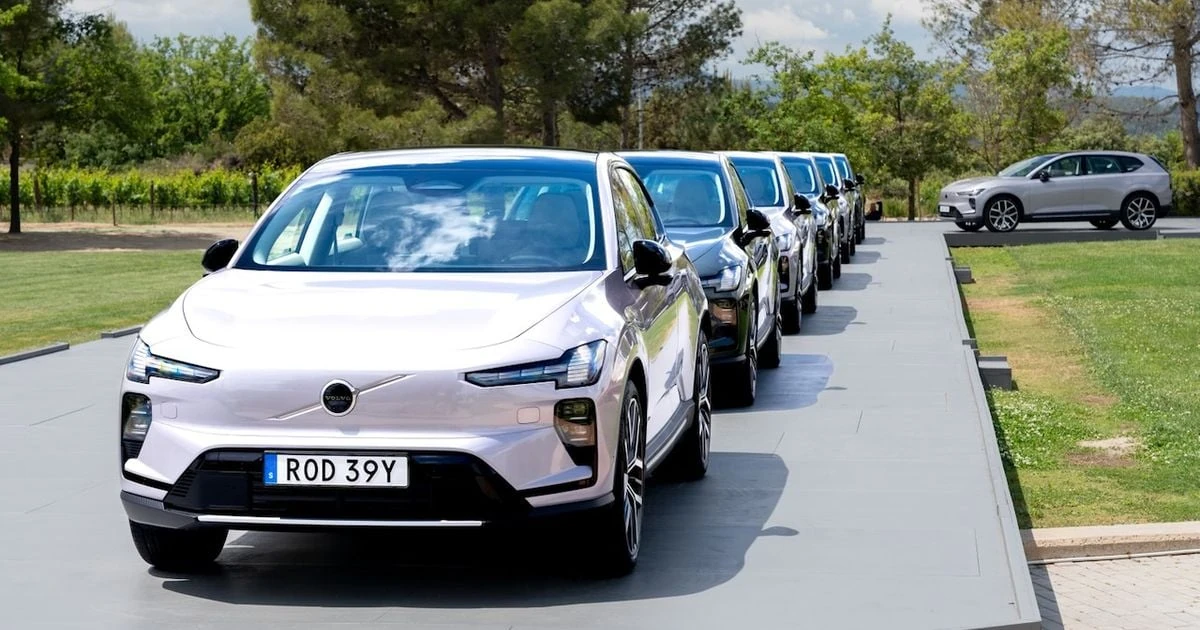
Volvo EX60 deliveries in Australia slip to late 2027

Slow production ramp-up in Sweden and roughly 50,000 European orders have pushed Australian cars into Model Year 2028, past the FBT exemption cut-off.

Australian buyers waiting on a Volvo EX60 are now looking at delivery in late 2027 or early 2028, roughly a year later than the brand originally indicated. Production for Australian-bound cars has been allocated to Model Year 2028, which begins around August or September 2027, according to CarExpert.

Volvo had initially said the electric SUV would start arriving in Australia in either the third or fourth quarter of 2026. The delay is understood to stem from a slower-than-expected production ramp-up at the company's Swedish factory, combined with priority given to the roughly 50,000 EX60 orders taken across Europe so far.

Why Australian cars are at the back of the queue

The European order bank is the immediate obstacle. Volvo has prioritised those approximately 50,000 orders, and the Swedish plant has not scaled up as quickly as planned, CarExpert understands. With Australian allocation now tied to Model Year 2028 production, there is little room for the schedule to recover before late 2027.

That matters beyond the wait itself. The delay means local customers will no longer take delivery before changes to the Australian Government's Fringe Benefits Tax treatment of electric vehicles. The current 100 per cent FBT exemption, which the base EX60 qualified for because its price sat under the $91,661 Luxury Car Tax threshold, is due to be replaced on April 1, 2027 by a reduced 25 per cent discount. Buyers may still secure the full exemption for a delayed EX60, but only if they already hold a binding lease agreement. For anyone leasing through a salary package, that paperwork is now as important as the delivery estimate.

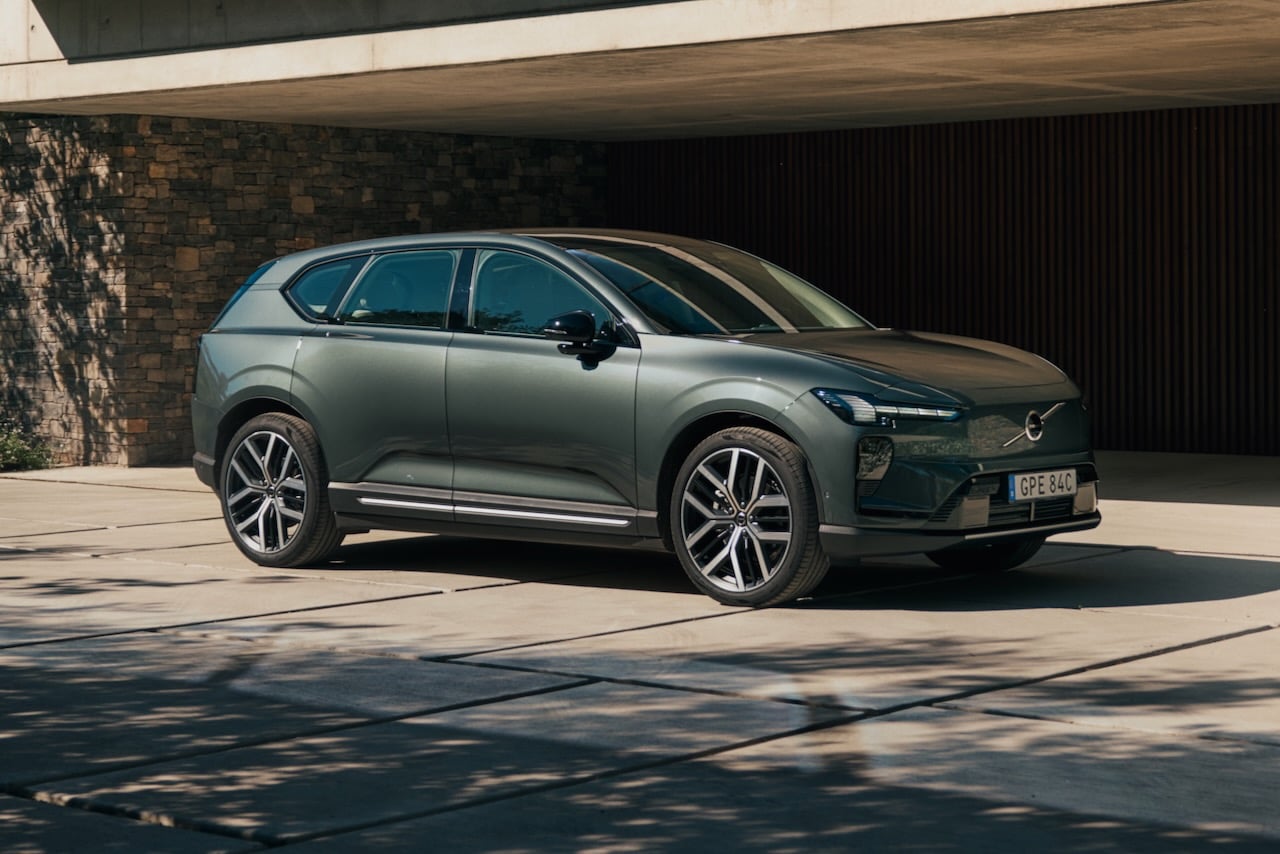
The Volvo EX60, whose Australian deliveries have slipped to late 2027
The Volvo EX60, whose Australian deliveries have slipped to late 2027, Image: CarExpert

Two variants priced from $86,990

The EX60 is offered in Australia in two forms: the rear-drive P6 Ultra and the all-wheel-drive P10 Ultra, priced from $86,990 and $101,990 before on-road costs respectively.

The P6 pairs an 83kWh battery with a single electric motor producing 275kW and 480Nm, for a 0-100km/h time of 5.9 seconds and a claimed 620km of driving range on the WLTP cycle. The P10 AWD uses a 95kWh battery and dual motors making a combined 375kW and 710Nm, reaching 100km/h in 4.6 seconds with a claimed 660km WLTP range. Those range figures are manufacturer claims under WLTP, not independently measured results.

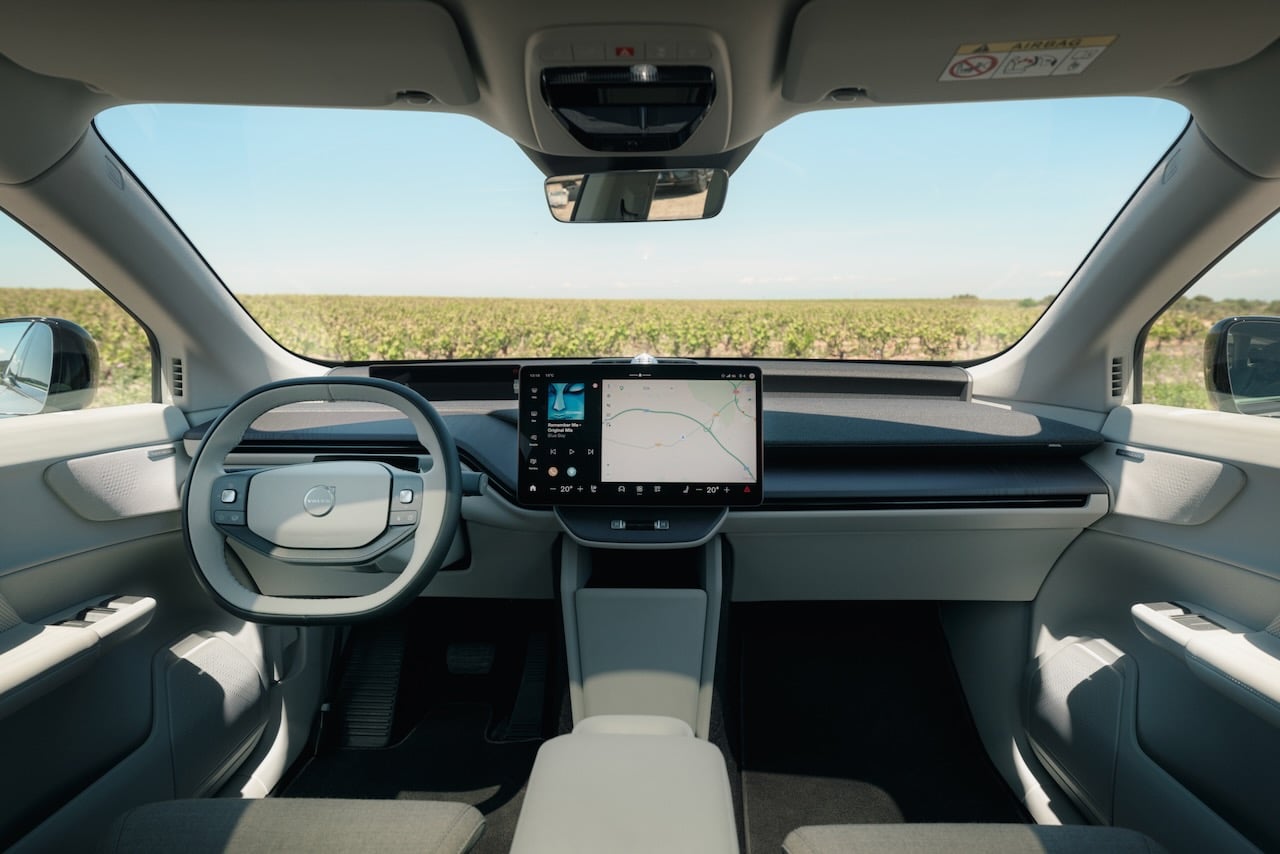
Inside the EX60: the cabin of the variant priced from $86,990
Inside the EX60: the cabin of the variant priced from $86,990, Image: CarExpert

More grades under consideration

Volvo is weighing additional versions for Australia. As reported in May 2026, the company is considering an entry-level grade and the range-topping P12, which would lift outputs to 500kW and 790Nm, cut the 0-100km/h sprint to 3.9 seconds and claim 810km from a 117kWh battery.

A higher-riding EX60 Cross Country is also under evaluation, initially with specifications similar to the P10 but adding air suspension for greater ground clearance and minor exterior changes for a more rugged look. Neither the extra grades nor the Cross Country have been confirmed for Australian sale, and Volvo has not announced revised delivery timing for them.

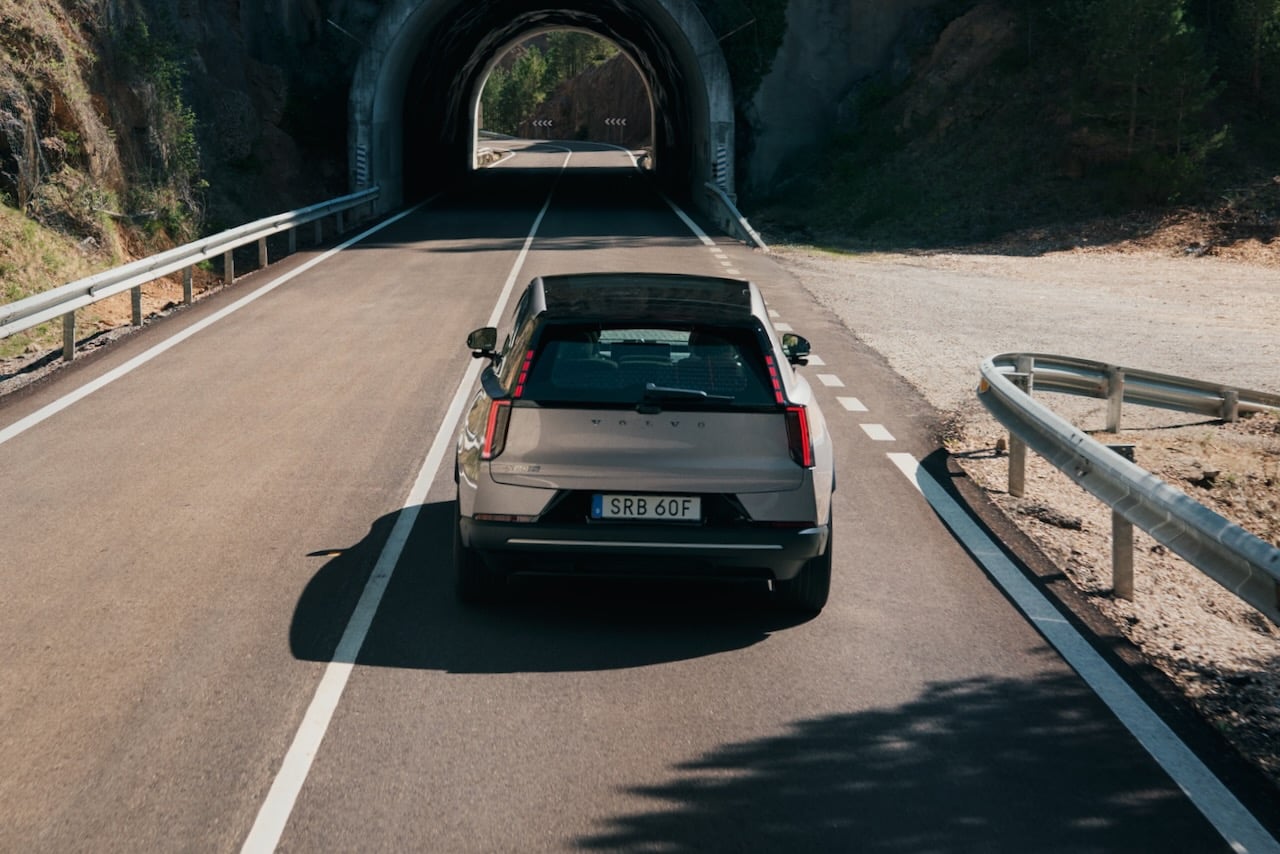
The EX60 on the road, with Australian buyers waiting until late 2027
The EX60 on the road, with Australian buyers waiting until late 2027, Image: CarExpert
Open this article ↗

Keep scrolling to read the next story.

Older articles →