INDEPENDENT AUTOMOTIVE NEWSGLOBAL PERSPECTIVE / AUSTRALIAN EDITION
TDCNTHE DAILY
CAR NEWS.

The road ahead.
Every day.

RSS ↗
Latest/Electric

455 original articles

Electric / TDCN ORIGINAL

Mercedes-Benz charging network reaches 100 US sites after three years

The network now spans 28 US states and British Columbia with nearly 1,000 ports, and Mercedes says its first-time charging success rate has climbed past 90 percent.

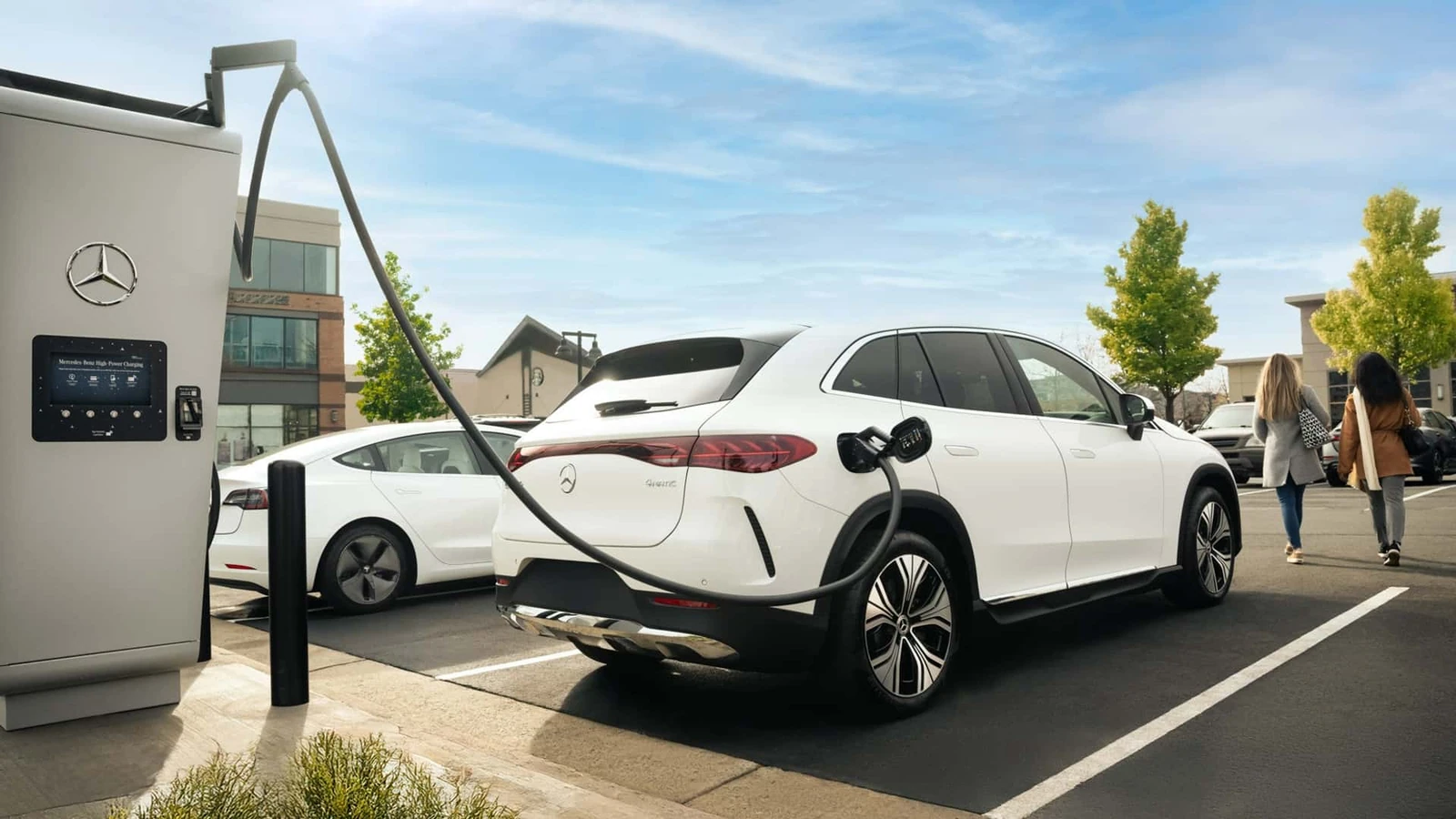
Mercedes-Benz's High-Power Charging network has reached 100 locations and nearly 1,000 individual charging ports across 28 US states and British Columbia, three years after its first US site opened in November 2023.

The company says its 400-kilowatt chargers have recorded more than 550,000 sessions and served over 245,000 customers in that period.

Connectors and station sizes

The vast majority of Mercedes-Benz stalls carry both CCS and NACS connectors, with only 3 percent of locations offering CCS alone, according to the company. That mix matters because most new EVs sold in the US now use the Tesla-style NACS inlet, and drivers of NACS cars can still use CCS stalls with an adapter, and the reverse.

The dispensers come from ChargePoint or Alpitronic, and sites are typically placed at or near premium shopping locations. The largest site, in Orlando, Florida, has 20 stalls, while the smallest, in Conyers, Georgia, and Red Bluff, California, have four each, according to DCFC Tracker.

Uptime and first-time success

Near-perfect uptime has been a headline feature of the US network since launch, and Mercedes says those figures have stayed relatively unchanged over three years. The company now points to a different measure as its benchmark: the first-time success rate, meaning sessions that start on the first attempt.

That figure stood at roughly 84 percent in 2023 and has since climbed above 90 percent, which Mercedes describes as its guiding star. The shift is a practical one for drivers, because a charger that works on the second or third attempt still costs time even when the site is technically online.

Payment and pricing

Every location has credit card readers, and drivers can also pay through various charging apps or with an RFID card issued by Mercedes-Benz dealers. Plug & Charge is supported.

Pricing ranges from $0.35 to $0.60 per kilowatt-hour depending on location, and a $25 pre-authorization hold is placed temporarily to verify available funds, with the balance released after the session and the actual energy used charged.

Leadership and the European contrast

Last month, Mercedes-Benz High-Power Charging North America appointed Madeline Ebert as its new CEO.

The US expansion stands in contrast to Europe, where Mercedes-Benz has given up on its own EV charging network. The company has not announced a target for how many US locations it plans to add next, so the pace of any further expansion has not been disclosed.
Open this article ↗
Electric / TDCN ORIGINAL

Lucid says service wait times fell 20% as it expands repair network

The EV maker is adding service centres and mobile technicians under a turnaround plan from new CEO Silvio Napoli, who admitted the company had underinvested in service.

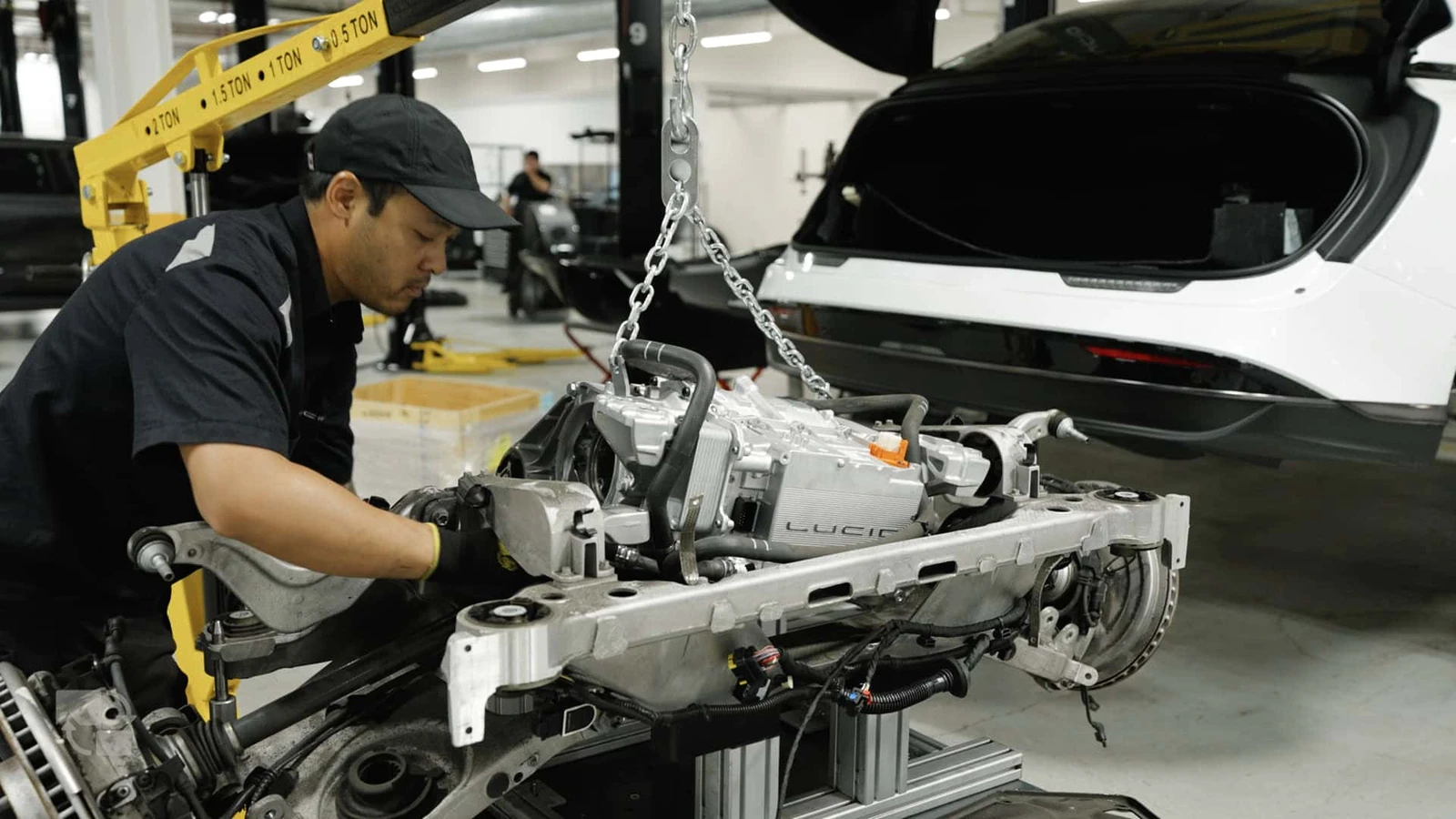
Lucid says it cut global service wait times by 20% in the third quarter of this year compared with the previous quarter, as it expands its repair network and hires more staff. The direct-to-consumer luxury EV maker is building more service centres in North America, Europe and the Middle East and adding mobile technicians to reach owners who are not near a physical location.

The push is part of a wider turnaround plan from new CEO Silvio Napoli, who took over this summer with a mandate to cut costs and reduce losses. On his first earnings call as CEO in August, Napoli acknowledged that Lucid had "underinvested in service".

What Lucid is changing

Lucid currently operates around 40 service centres across the United States, and owners outside those areas rely on mobile servicing. The company says it increased technical and support staffing by more than 40% globally in the third quarter compared with the second, and is targeting a 50% increase by the end of this year and 60% by early 2027.

Mobile service capacity is up 15% since the second quarter, with a target of a 40% increase by the end of the year, and 20 new Gravity support vehicles are helping transport technicians to cars in need. Lucid is also opening combined sites that pair a studio showroom with a service centre: the first opened in Mission Viejo, California, with two more due before the end of the year in Los Angeles and Dallas, and another planned for Chicago in early 2027.

"We are building a broader, more accessible service network that supports our guests wherever they are in the ownership journey," said Billy Hayes, Lucid's new chief customer officer. He said the company is expanding its network, adding service personnel and increasing mobile service capacity to reduce wait times.

Why the service build-out matters now

Lucid is preparing to launch the first vehicles on its midsize platform, more affordable cars it sees as its first with true mainstream potential, with production set to start in the second half of 2027. A larger, cheaper line-up would put far more cars on the road than the Air and Gravity have, and a service network that already strains under today's volumes would struggle further.

Napoli has also shaken up the executive ranks, made deep staff cuts and reduced production at Lucid's Arizona factory to better balance supply with demand, as sales of the Air and Gravity have been slow to grow. He has focused the company on robotaxi partnerships, the midsize vehicles and the customer experience. Service is one of the few levers a young EV maker can pull that directly affects owners, and the 20% wait-time reduction is a concrete early measure of whether the turnaround is reaching customers, not just the balance sheet.

What Lucid has not announced

Lucid has not published a price list for service visits, so what an individual repair costs, and whether the network expansion changes what owners pay, has not been announced. The company's figures cover wait times, staffing and mobile capacity only; it has not disclosed absolute wait times in days, the total number of mobile technicians, or how many of the planned new centres will be studio-plus-service sites.

Open this article ↗

Keep scrolling to read the next story.

Older articles →