INDEPENDENT AUTOMOTIVE NEWSGLOBAL PERSPECTIVE / AUSTRALIAN EDITION
TDCNTHE DAILY
CAR NEWS.

The road ahead.
Every day.

RSS ↗
Latest/Electric

455 original articles

Electric / TDCN ORIGINAL

BYD's Yangwang Altior luxury EV debuts in Abu Dhabi with quad motors and 1,000 km CLTC claim

The 2027 flagship sedan packs two refrigerators, 39 speakers and jade inlays, with Chinese pricing from 2,080,000 yuan and power figures still under wraps.

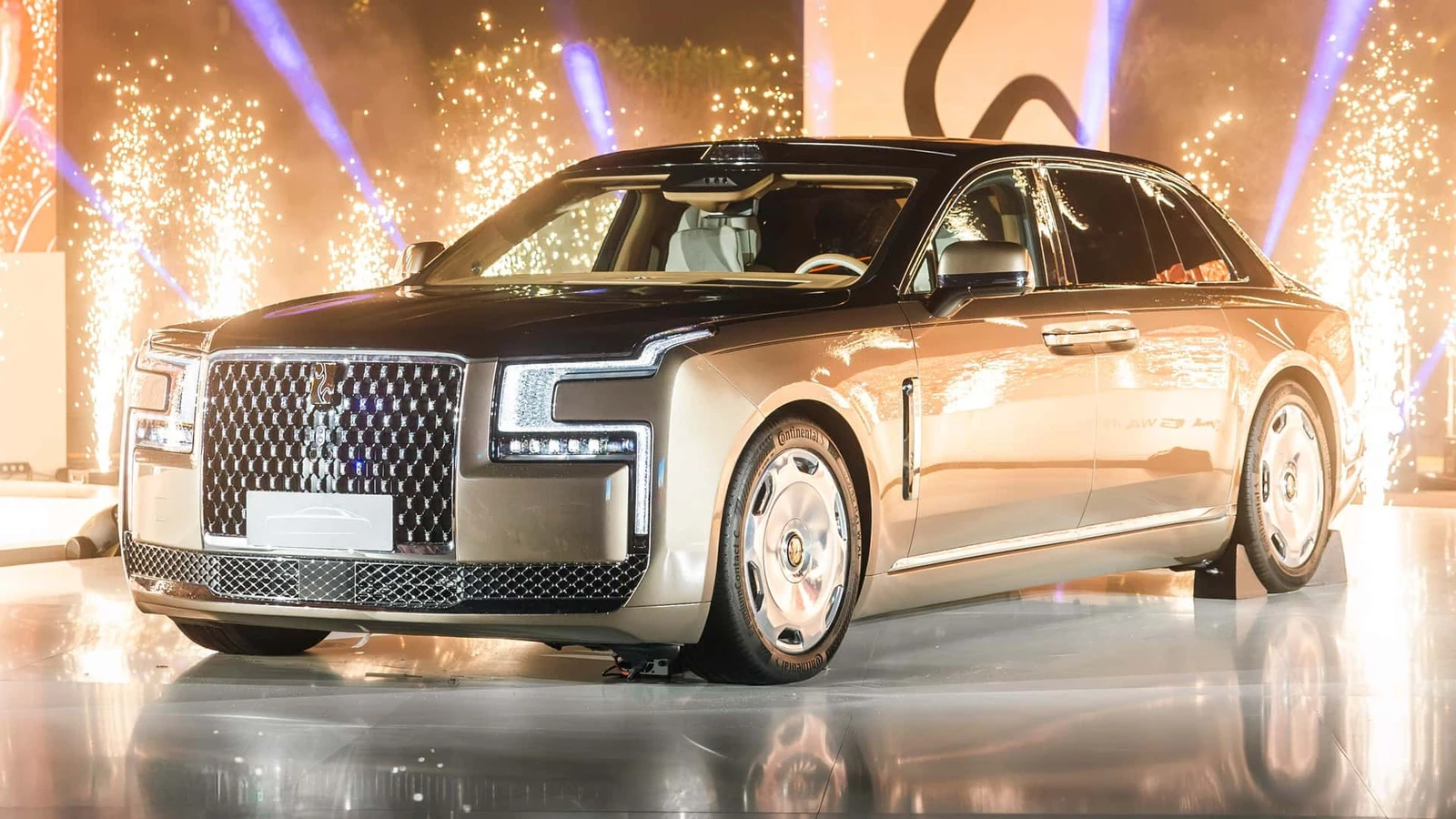
Image: Motor1

BYD has unveiled the Yangwang Altior, an electric flagship sedan the Chinese manufacturer is pitching at the top of the luxury market, at an event in Abu Dhabi. The car is a 2027 model and is priced from 2,080,000 yuan in China, roughly $311,000 at current exchange rates.

The Altior was developed over three years and takes styling inspiration from the ancient Chinese ding, a ceremonial bronze vessel. At 5,600 mm long, 2,030 mm wide and 1,590 mm tall on a 3,500 mm wheelbase, it is slightly longer than a standard-wheelbase Rolls-Royce Phantom.

Four motors, but no power figure yet

The Altior uses four independently controlled electric motors that can adjust torque at each wheel more than 100 times per second. BYD has not published power or torque outputs, so the Altior's output has not been announced. With a quad-motor layout, a figure above 1,000 horsepower would not be a surprise.

The car also offers tank turns and an emergency flotation function intended to help the driver escape if the vehicle ends up in water, plus a fully active suspension that reads the road ahead by camera and adjusts in real time.

Range claim rests on China's CLTC cycle

BYD claims more than 1,000 km (621 miles) of range, but that figure is measured on China's CLTC cycle, which is more lenient than WLTP or EPA testing. Equivalent WLTP and EPA figures would be considerably lower, and BYD has not published them.

That matters for buyers outside China: until WLTP or EPA numbers appear, the 1,000 km claim cannot be lined up against electric cars rated on those cycles.

Jade, silk and 39 speakers inside

The cabin uses yellow Hetian jade for air-vent detailing, upholstery combining traditional Suzhou embroidery with precision perforations, full-grain semi-aniline leather, pure-wool floor mats and natural wood trim. BYD spread 48 decorative pieces across 11 locations and went through more than 30 design iterations to tune how they reflect light. Engineers even tapped the metal switches with small hammers to compare their sound and feel.

It is a four-seat layout, with rear passengers getting 354 mm of knee room and 1,209 mm of legroom, aviation-style zero-gravity seats with mechanical massage systems using four ball-shaped massage heads, and a relaxation mode that reclines the seats, raises leg rests, closes sun blinds and softens ambient lighting. A 39-speaker sound system has tweeters that rotate and rise when the car starts, a powered 21.4-inch overhead screen handles entertainment and video calls, and two refrigerators are fitted, the rear unit holding 5.5 litres and able to cool or warm its contents. The luggage compartment measures 532 litres.

Outside, twelve lighting elements rotate and illuminate in sequence as the owner approaches, the doors open up to 80 degrees at the front and 90 degrees at the rear, bespoke umbrellas are stowed in the doors, and the 21-inch wheels use a polished disc design. A coachline runs 4.8 metres along the body.

China first, everywhere else unknown

Performance figures and availability outside China remain unknown. The Altior's launch shows BYD's Yangwang sub-brand is not content competing with mainstream luxury brands and wants to sit alongside Rolls-Royce and Bentley. The sub-brand had a busy week: it also set a production car speed record of 312 mph.

The interior's all-screen dashboard is the one note of caution. Screens of that size tend to date quickly, and an analog instrument cluster with a smaller display might have aged better, though jumbo screens remain the fashion in China.
Open this article ↗
Australia / TDCN ORIGINAL

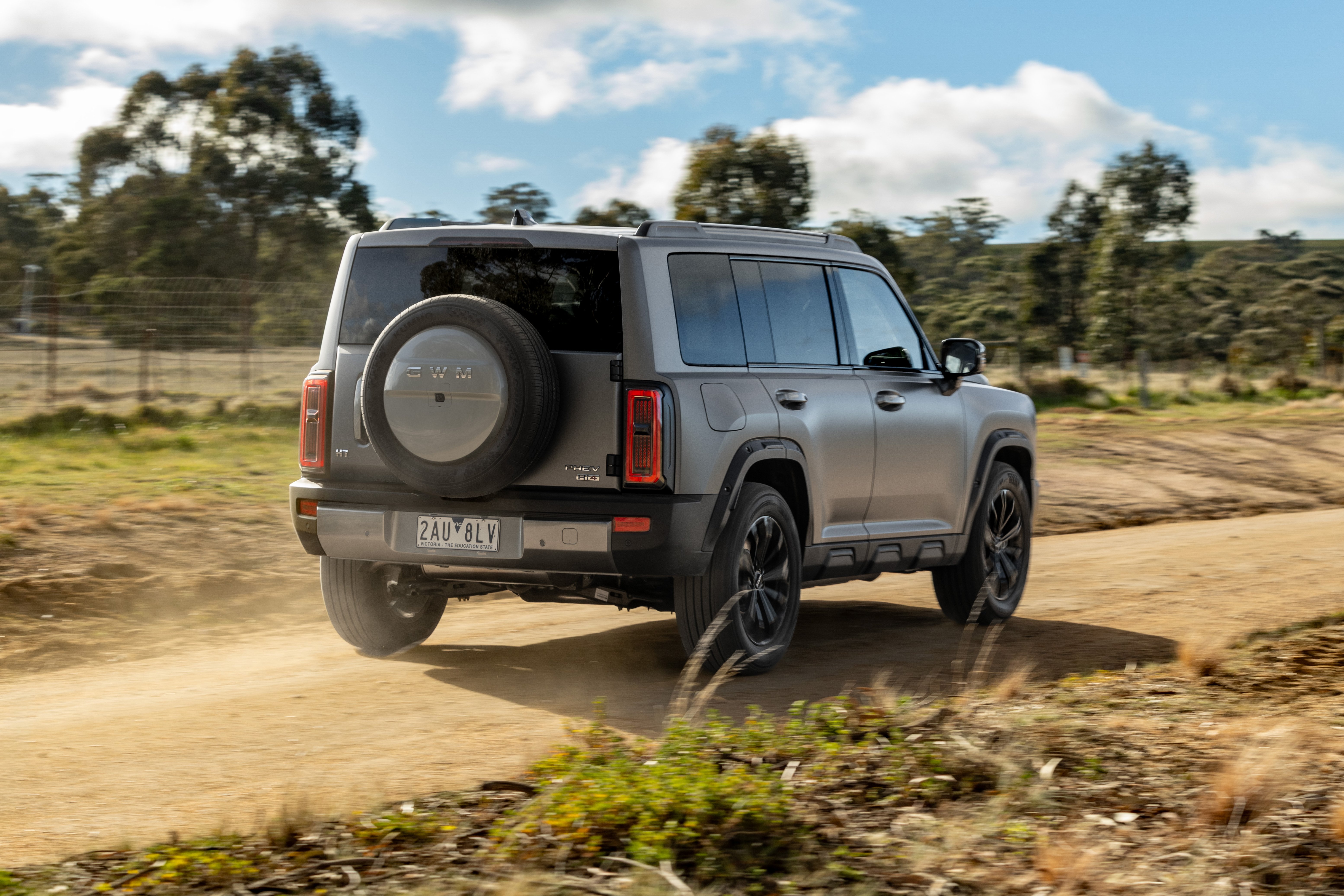
GWM Haval H7 launches in Australia with PHEV demand leading pre-orders

GWM's Australian COO says pre-orders are running at 100 to 150 a week, two thirds of them for the plug-in hybrid, as the brand targets 1000 H7 sales a month.

GWM has launched the Haval H7 in Australia, and the plug-in hybrid version is doing most of the work before the car has even settled into showrooms. GWM Australia and New Zealand chief operating officer John Kett said pre-orders are running at "100 to 150 a week", with PHEV variants accounting for "two thirds" of that tally.

Kett, speaking to media at the H7's launch and in a follow-up interview with CarExpert, said the brand forecasts the H7 at "1000 [units]" a month in Australia. GWM has not announced Australian pricing for the H7 in the material available, so what buyers will pay for the PHEV-heavy range has yet to be confirmed.

A volume target that would reshape GWM's local line-up

The 1000-a-month figure would make the H7 one of GWM Australia's strongest sellers almost immediately. The smaller Haval Jolion currently leads the brand at an average of 1850 units a month in 2026, with the Haval H6 range averaging 1170 a month.

Kett framed the H7 as part of a broader push on the mid-size SUV segment rather than a standalone bet. "We want that segment to give us a top three volume, which is like 2500 a month. Our preference would be to see H7 be 1000 and H6 to be anywhere between 500 to 1000," he said.

Those numbers are solid but modest next to the class leaders. The Toyota RAV4 and Tesla Model Y are averaging 3590 and 3900 monthly registrations respectively year-to-date. The H7's incremental volume is aimed at a different goal: GWM wants to be a top five brand in Australia and currently sits seventh, with 49,376 registrations to the end of October, up 12.8 per cent, still more than 11,000 behind sixth-placed Hyundai.

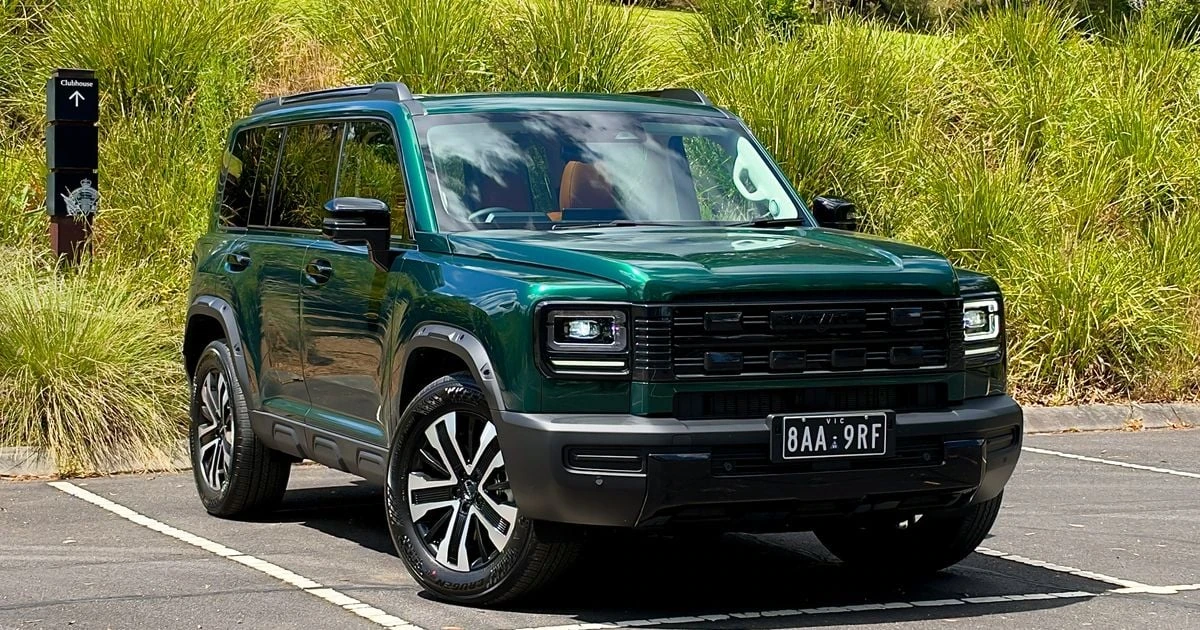
The rugged, boxy SUV body style GWM is betting on as it expands its Australian line-up
The rugged, boxy SUV body style GWM is betting on as it expands its Australian line-up, Image: CarExpert

Where GWM sits among Chinese brands in Australia

GWM is Australia's second most popular Chinese brand behind BYD, which has 86,639 registrations, and ahead of Chery on 42,339 and MG on 41,508 in eighth and ninth places respectively.

The gap to Hyundai is the number that matters most for the top-five ambition. A model line running at 1000 a month would close a meaningful slice of an 11,000-plus shortfall over a full year, which explains why GWM is leaning on the PHEV variant rather than treating electrified SUVs as a niche offering.

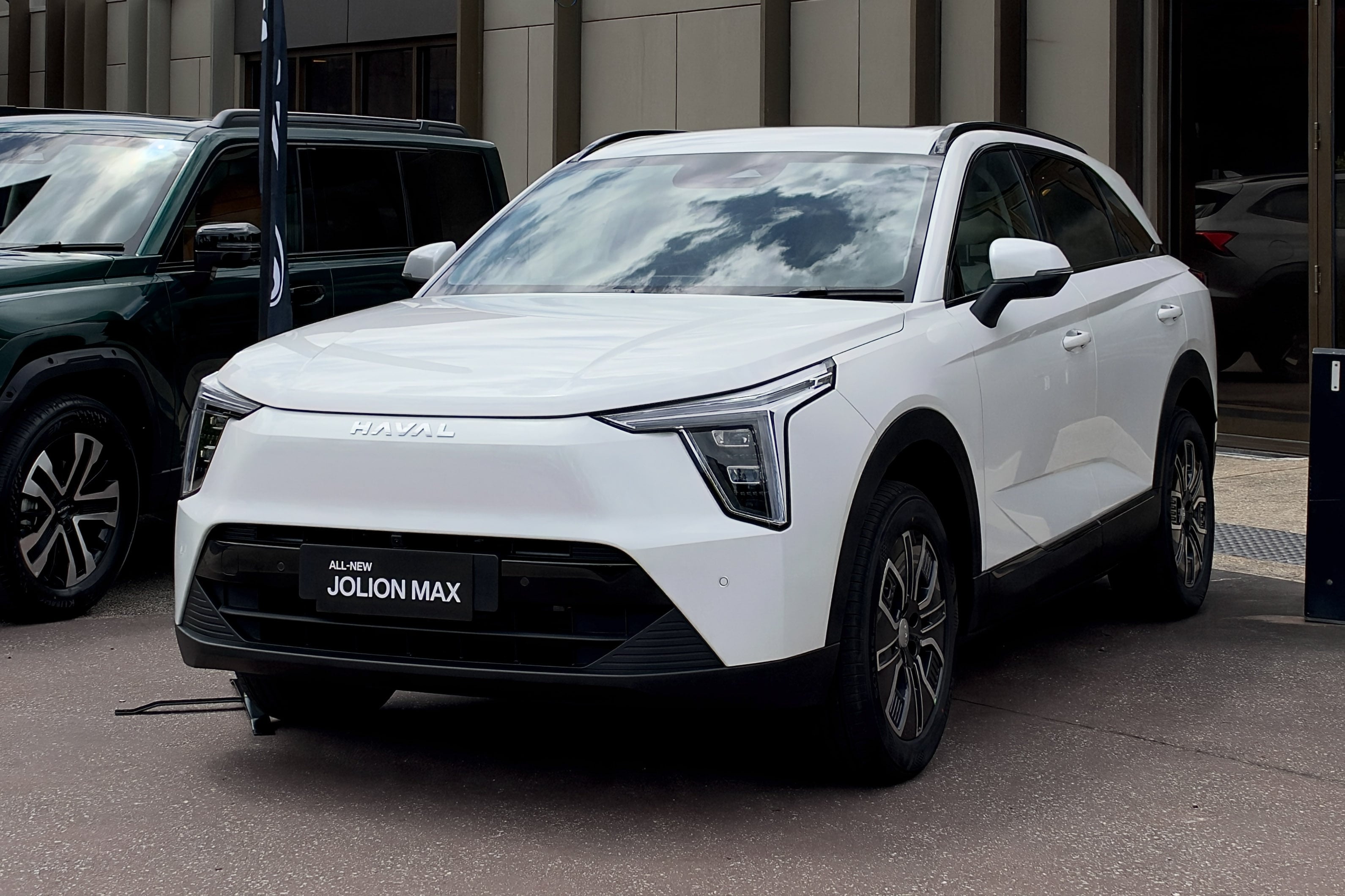
Haval's Jolion Max shows the design language GWM will build on for the H7 and its PHEV push
Haval's Jolion Max shows the design language GWM will build on for the H7 and its PHEV push, Image: CarExpert

Two more mid-size SUVs follow in early 2027

The H7 is the first of three mid-size SUV launches GWM has mapped out for Australia. The Jolion Max and Ora 5 Plus are both due in the first quarter of 2027.

The Jolion Max will be offered in plug-in hybrid and electric versions, slotting between the existing Jolion Hybrid and H6 PHEV. The Ora 5 Plus has not yet been revealed, but it is EV-only and is understood to be a larger version of the existing Ora 5, giving GWM a contender in the mid-size electric SUV segment currently dominated by Tesla and Zeekr, among others.

For buyers, the practical effect is a widening choice of electrified SUVs from one brand within a single model year, with the H7's PHEV tilt suggesting GWM expects plug-in hybrids, not battery-electric models, to carry its volume in the near term.

Open this article ↗

Keep scrolling to read the next story.

Older articles →