INDEPENDENT AUTOMOTIVE NEWSGLOBAL PERSPECTIVE / AUSTRALIAN EDITION
TDCNTHE DAILY
CAR NEWS.

The road ahead.
Every day.

RSS ↗
Latest/Electric

455 original articles

Electric / TDCN ORIGINAL

Fifteen EVs kept driving after showing empty, and the gaps between them were huge

In an AUTOBEST group test, the Leapmotor B10 covered 32 km past zero while the Xpeng P7+ managed just 1 km, a reminder that a dashboard's empty warning is not the end of the battery.

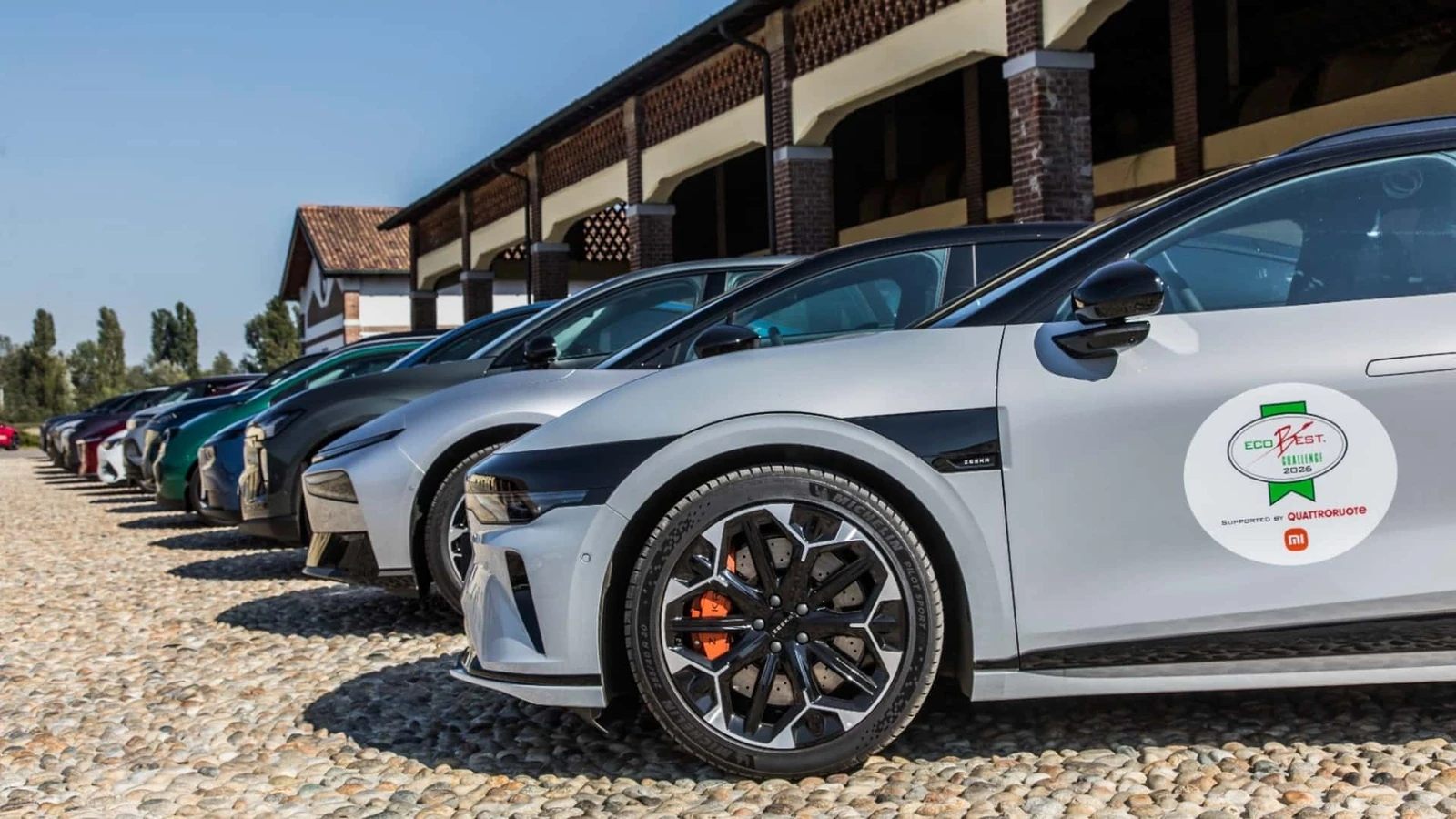
Every one of the 15 electric cars driven to a standstill in the AUTOBEST 2026 ECOBEST Challenge kept moving after its dashboard showed empty, averaging 16 km (10 miles) beyond the point where the car told its driver the battery was done. The spread between the best and worst performers was wide: the Leapmotor B10 went 32 km (19.9 miles) past empty, the Tesla Model Y Long Range 31 km (19.3 miles), and the Xpeng P7+ just 1 km (0.6 miles).

The test was run by car journalists in convoy near Milan, Italy, on a set route mixing city streets, country roads and highways, with a lead car setting the pace and drivers swapping cars every 30 km (19 miles) to even out driving styles. The final stretch took place at Quattroruote's Vairano proving ground, where each driver continued until the car could no longer move under its own power.

How the cars were run down

Only the driver was aboard each car, all vehicles ran in their standard rather than Eco mode with climate control on and tyres at recommended pressures, and ambient temperatures ranged from 20 to 25 degrees Celsius. A Zeekr 7GT served as the support vehicle, using its vehicle-to-load function to draw power from its own pack and get stopped cars moving again, which removed the need for a dedicated EV assistance van.

The measurement was deliberately narrow: the distance between the moment the dashboard showed either zero remaining range or 0% charge and the moment the car stopped. AUTOBEST's results table does not give the usable energy left in each pack at that point, nor the speed each car held afterwards, so the 32-to-1 gap between the Leapmotor and the Xpeng does not mean the Leapmotor had 32 times the reserve.

Why an EV can keep going at zero

When an EV reports empty, it means the driver has used the range the car promised, not that the pack is physically flat. All EVs carry a buffer: as state of charge falls, cell voltage drops, and before it gets low enough to damage the cells the car cuts power to the motor, leaving some charge in the pack permanently.

The two numbers a driver sees do not have to agree. A car can show 0% charge while still predicting some remaining range, and in one range test a Tesla Model 3 still displayed 3.2 km (2 miles) of range when state of charge hit 0%, then travelled another 50 km (31 miles).

That matters for anyone planning a charging stop on a thin margin. The practical lesson from the group test is that the distance between the empty warning and a dead car varies enormously by model, so the reserve a driver is quietly relying on is a property of their specific car rather than a rule of EV design. The Model Y's 31 km cushion and the Xpeng's 1 km sit at opposite ends of the same promise.

What the test does not settle

Because the run was a single convoy test on Italian roads in mild weather, it does not establish how much reserve a given model would have in cold conditions, at sustained motorway speed or with a full load aboard, none of which the published results isolate. Nor does it rank the cars on total range: the Xpeng P7+ can travel further on a full charge than the Model Y yet stopped almost immediately after showing empty, which is the finding InsideEVs singled out as the most revealing of the exercise.
Open this article ↗
Electric / TDCN ORIGINAL

Buick Electra GS plug-in hybrid sedan revealed in Chinese filings

The production car swaps the 2025 concept's pure-electric powertrain for a plug-in hybrid setup and shrinks dramatically in size.

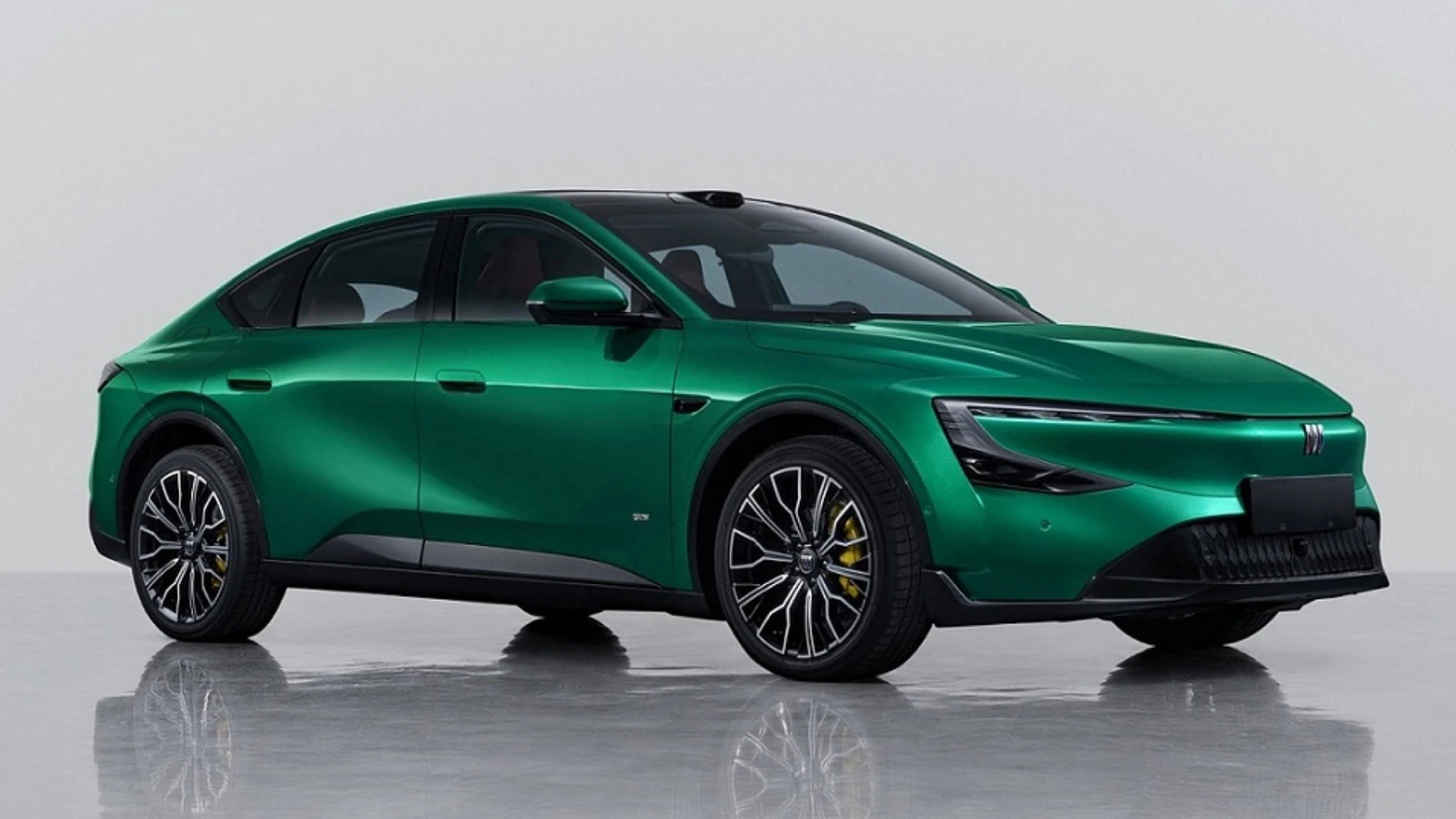
Image: Carscoops

Buick's Chinese division is preparing a plug-in hybrid sedan called the Electra GS, with the production design revealed through filings published by China's Ministry of Industry and Information Technology. The car was first shown as a concept at the 2025 Shanghai Auto Show, but the version bound for dealers differs substantially from that show car in size, body style and powertrain.

What the filings show

The Electra GS measures 196.0 to 196.1 inches long, roughly 4,980 mm, on a wheelbase of 112.8 inches (2,865 mm). That makes it about two inches shorter than the Electra L7, a sedan Buick already sells in China with electric and range-extender plug-in hybrid powertrains, and it is also 1.5 inches narrower with a 5.3-inch shorter wheelbase than that car. Against the concept, the change is far bigger: the show car was 208.7 inches (5,300 mm) long with axles 126 inches (3,200 mm) apart, so the production GS has shrunk by more than a foot in length and over 13 inches in wheelbase. At that size it lines up closer to a Toyota Crown than a Mercedes S-Class.

The plug-in hybrid system pairs a 221-hp electric motor with either a 97-hp naturally aspirated 1.5-liter inline-four or a turbocharged 1.5-liter making 154 hp. The electric motor draws from a lithium iron phosphate battery. Buick has not published electric-only range, fuel consumption or charging figures for the GS, and those details are expected to arrive with the car's full Chinese debut.

From electric concept to plug-in hybrid hatchback

GM confirmed at concept stage that the Electra GS was a fully electric car on a dedicated EV platform with a flat floor. The production car instead arrives as a plug-in hybrid. The body has changed too: the show car's traditional sedan trunk gives way to a more practical hatch, the fastback roofline carries over, and the taillights and the spelled-out Buick lettering at the rear are new. Pop-out door handles from the concept were dropped because of an imminent ban on them in China.

Up front, the LED headlights have been inverted and the Buick badge has moved from the hood to a fascia with less body-colour plastic. The concept's nose read a little like a Tesla Model 3, and the production version trades some of that look for a more conventional front end. The front trim piece that stretches across the nose can be body coloured or finished in silver, and the taillights span the width of the car before curving inward.

The interior has not been revealed. The studio images of the exterior show a conventional steering wheel, so the concept's yoke is unlikely to reach production, but whether the cabin otherwise resembles the show car will only be clear at the full debut.

Positioning in China, and why the US misses out

Buick sells a broad range of sedans in China, from the compact Verano to the larger LaCrosse, and the Electra GS looks set to slot in as a less potent and more affordable alternative to the Electra L7. Buick will be hoping it helps reverse a sales slide in China. Pricing has not been announced.

In the United States, Buick's lineup currently consists only of SUVs, and the brand has not sold a sedan there since Regal sales ended in 2020. The Electra GS will not be coming to the US. Two obstacles stand in the way: the car is the product of a joint venture between GM and China's SAIC, and restrictions on Chinese software taking effect with the 2027 model year would complicate compliance even if production moved to North America to dodge tariffs. GM does already import the Chinese-built Buick Envision, though production of that model is due to shift to Kansas in 2028.

The wider context is GM's product planning. The automaker bet that EVs would dominate the market by the end of the decade and developed few hybrids beyond the Corvette E-Ray, now renamed Grand Sport X, while rivals such as Toyota and Hyundai built both and are now seeing the benefit. A plug-in hybrid sedan is exactly the kind of vehicle missing from Buick's US range, which makes its absence there a notable gap rather than a surprise. The GS may still preview styling that reaches a rumoured gas-powered sedan expected in the next couple of years.

Open this article ↗

Keep scrolling to read the next story.

Older articles →