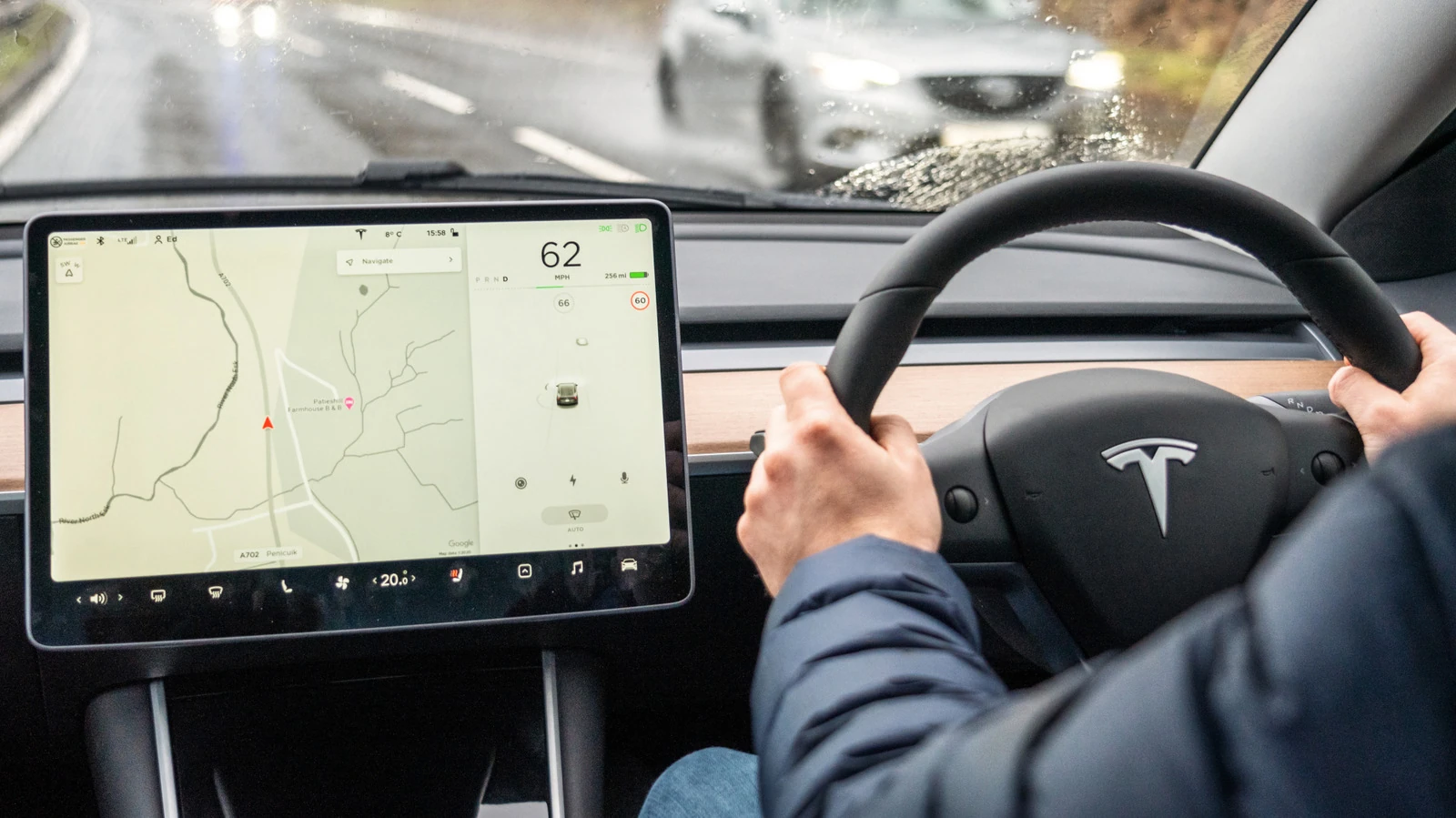
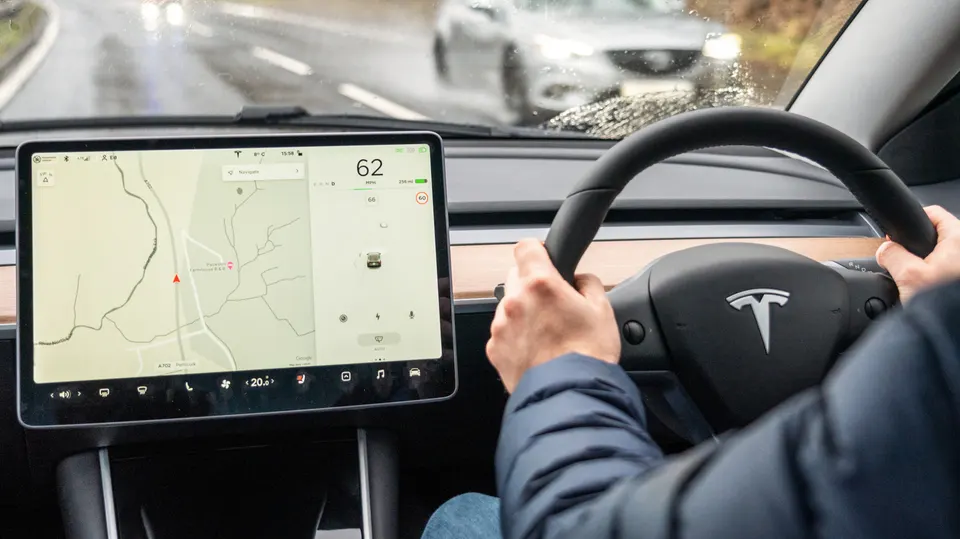
Turo renters can now search for and book Teslas fitted with the company's Full Self-Driving (Supervised) system, after the rental marketplace added an FSD filter to its app. The feature rolled out last month and covers thousands of cars already listed on the platform.
The system is not hands-off despite its name. Tesla's FSD is a Level 2 driver-assistance feature, so the person behind the wheel stays responsible for the car and must keep paying attention.
What renters will see in the app
The updated Turo app lets users narrow their search to Teslas with FSD installed. Listings carry a message saying the car "will be able to drive itself almost anywhere with minimal driver intervention".
That wording is broadly accurate but easy to misread, and Turo is steering renters toward Tesla's Full Self-Driving (Supervised) safety documentation before they book. Hosts are also being asked to tell guests that the system needs their full attention, that they remain in charge of the vehicle, and that FSD can cut out suddenly if the cameras are obstructed.
The risk is that renters skim past the caveats. Anyone who books expecting a robotaxi may let their guard down in the driver's seat, which is exactly the wrong posture for a Level 2 system.
Rules for hosts and the cost question
Tesla owners who already list a car on Turo but have not activated FSD can get a free one-month subscription to try it. To qualify, the vehicle needs Tesla's latest AI4 hardware and the owner must have completed at least one trip as a Turo host.
FSD cannot be sold as a paid extra on a listing, though hosts are free to raise their nightly rate for a car that has it. That leaves renters comparing prices without a clean line item for the software, so it pays to check the listing description rather than assume a premium is or is not included.
Why Turo is pushing driver assistance
Turo chief executive Andre Haddad framed the rollout as an industry first and a way to widen access to driver-assistance tech. "Most travelers have had limited opportunity to experience driver's assistance technology, but the demand is clear," he said as the feature launched.
Turo's own research puts interest in driverless technology for travel at 55% of Americans, rising to 71% among Gen Z. Those figures measure curiosity rather than hands-on experience, which is the gap the rental marketplace says its model can close.
For drivers, the practical appeal is trying FSD on a holiday or a weekend rather than committing to a new car. The catch is that a short rental is a poor place to learn a system's limits, so the first drive in an unfamiliar car is the one to watch most closely.