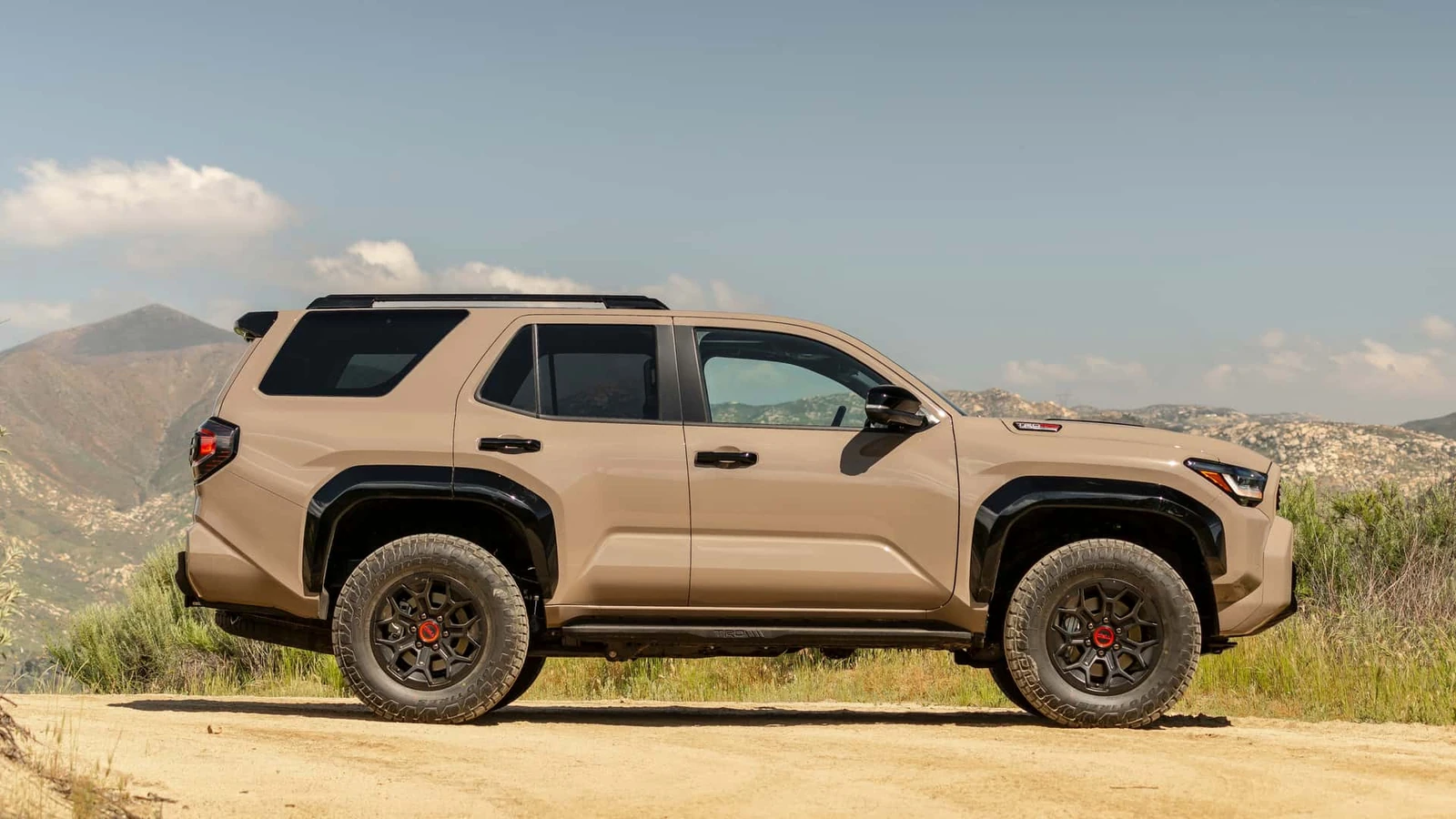
The average transaction price for a new vehicle in the United States passed $51,000 for the first time in October 2026, reaching $51,109, according to Kelley Blue Book data. That is $649 above September, a 1.3 percent monthly rise and 2.1 percent higher than October 2025.
The record reflects what buyers are choosing as much as what dealers are charging. Kelley Blue Book attributes the new high to the growing popularity of larger, more expensive SUVs and pickup trucks, and the average manufacturer's suggested retail price climbed alongside it to $52,933, up 1.4 percent month on month and 2.4 percent year on year.
Mid-size SUVs take the volume lead
Mid-size SUVs became the industry's highest-volume segment in October, displacing compact SUVs, which held the top spot in September. Sales volume in the segment rose almost 10 percent year on year.
The average transaction price for a mid-size SUV was $50,570, up 1.9 percent from a year earlier. Full-size pickups cost considerably more at $67,912, a 1.4 percent annual increase.
Compact SUVs averaged $37,895 (up 4.3 percent), subcompact SUVs $31,333 (up 1.9 percent) and compact cars $28,030 (up 3.4 percent). Those five segments together accounted for 64.4 percent of all new-vehicle sales in October.
The pattern is straightforward: the segments gaining share are the expensive ones. When mid-size SUVs outsell cheaper compact SUVs, the industry average moves up even if no individual sticker changes, which is exactly the dynamic behind October's record.
EV prices fall year on year but rise month on month
Electric vehicles moved differently. The average transaction price for a new EV hit $56,220 in October, 1 percent above September but 2.7 percent below October 2025.
EV buyers are also receiving far deeper discounts. Incentives averaged 11.3 percent of EV transaction prices, against 6.8 percent across the industry.
Tesla's average transaction price was $54,194, lower than in September but 1.2 percent higher than a year earlier. Kelley Blue Book links the annual increase to stronger sales of the now-discontinued Cybertruck, estimating Tesla sold 1,914 of the electric pickups in October, its best monthly showing in more than a year, at an estimated average transaction price of $92,380.
That a discontinued model is lifting a brand's average price is a quirk worth noting: the Cybertruck's price point sits far above Tesla's other vehicles, so a stronger month for it pulls the brand figure upward regardless of what happens elsewhere in the range.
Discounts are not coming to the rescue
With transaction prices above $51,000, affordability remains a major challenge for the industry, and incentives are still relatively restrained, so shoppers should not expect discounts to bring prices down soon.
The annual increase of 2.1 percent is modest by historical standards, but it compounds on an already high base. For buyers, the practical effect is that the affordable end of the market is shrinking in relative terms: compact cars at $28,030 are the cheapest of the five biggest segments, yet they are also the segment losing the volume crown.