INDEPENDENT AUTOMOTIVE NEWSGLOBAL PERSPECTIVE / AUSTRALIAN EDITION
TDCNTHE DAILY
CAR NEWS.

The road ahead.
Every day.

RSS ↗
Latest/Australia

455 original articles

Australia / TDCN ORIGINAL

Volvo EX60 deliveries in Australia slip to late 2027

Slow production ramp-up in Sweden and roughly 50,000 European orders have pushed Australian cars into Model Year 2028, past the FBT exemption cut-off.

Australian buyers waiting on a Volvo EX60 are now looking at delivery in late 2027 or early 2028, roughly a year later than the brand originally indicated. Production for Australian-bound cars has been allocated to Model Year 2028, which begins around August or September 2027, according to CarExpert.

Volvo had initially said the electric SUV would start arriving in Australia in either the third or fourth quarter of 2026. The delay is understood to stem from a slower-than-expected production ramp-up at the company's Swedish factory, combined with priority given to the roughly 50,000 EX60 orders taken across Europe so far.

Why Australian cars are at the back of the queue

The European order bank is the immediate obstacle. Volvo has prioritised those approximately 50,000 orders, and the Swedish plant has not scaled up as quickly as planned, CarExpert understands. With Australian allocation now tied to Model Year 2028 production, there is little room for the schedule to recover before late 2027.

That matters beyond the wait itself. The delay means local customers will no longer take delivery before changes to the Australian Government's Fringe Benefits Tax treatment of electric vehicles. The current 100 per cent FBT exemption, which the base EX60 qualified for because its price sat under the $91,661 Luxury Car Tax threshold, is due to be replaced on April 1, 2027 by a reduced 25 per cent discount. Buyers may still secure the full exemption for a delayed EX60, but only if they already hold a binding lease agreement. For anyone leasing through a salary package, that paperwork is now as important as the delivery estimate.
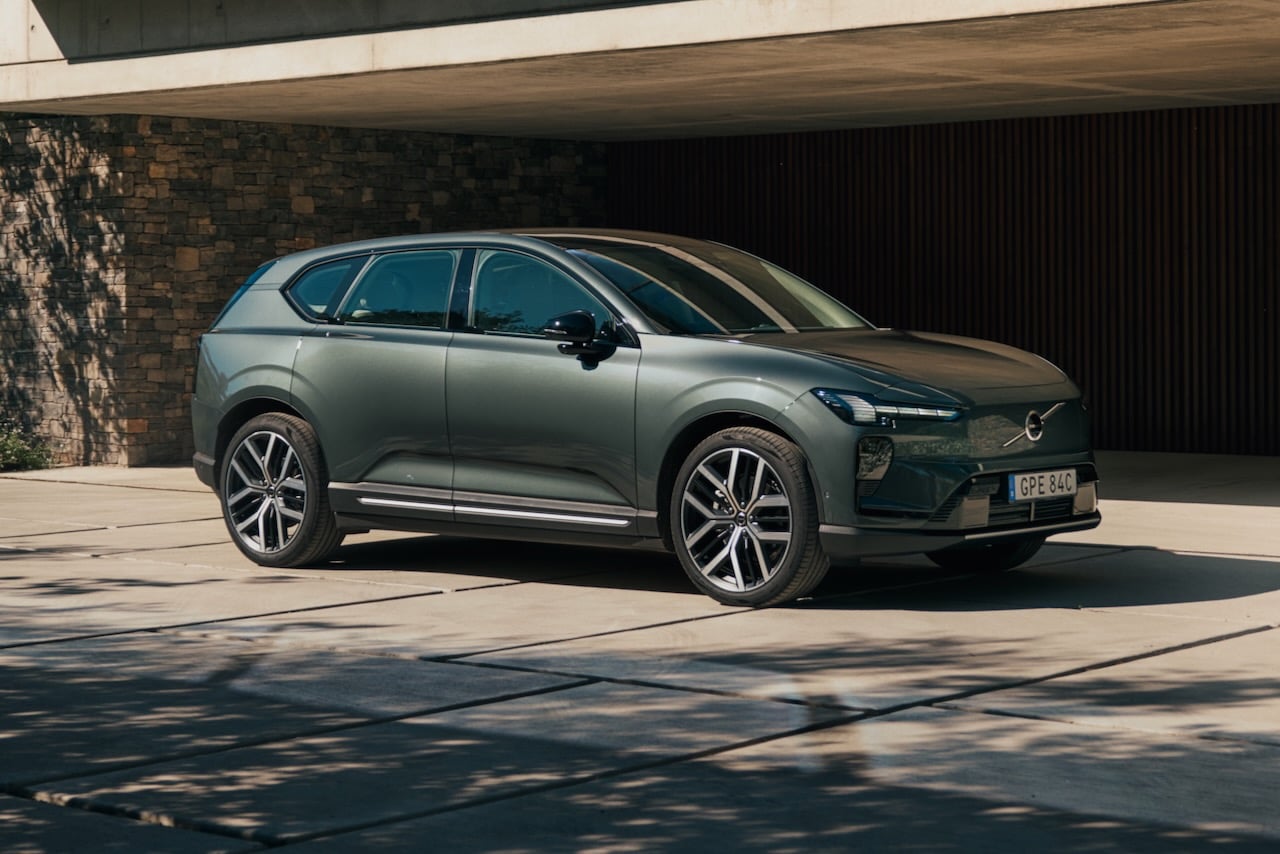
The Volvo EX60, whose Australian deliveries have slipped to late 2027
The Volvo EX60, whose Australian deliveries have slipped to late 2027, Image: CarExpert

Two variants priced from $86,990

The EX60 is offered in Australia in two forms: the rear-drive P6 Ultra and the all-wheel-drive P10 Ultra, priced from $86,990 and $101,990 before on-road costs respectively.

The P6 pairs an 83kWh battery with a single electric motor producing 275kW and 480Nm, for a 0-100km/h time of 5.9 seconds and a claimed 620km of driving range on the WLTP cycle. The P10 AWD uses a 95kWh battery and dual motors making a combined 375kW and 710Nm, reaching 100km/h in 4.6 seconds with a claimed 660km WLTP range. Those range figures are manufacturer claims under WLTP, not independently measured results.
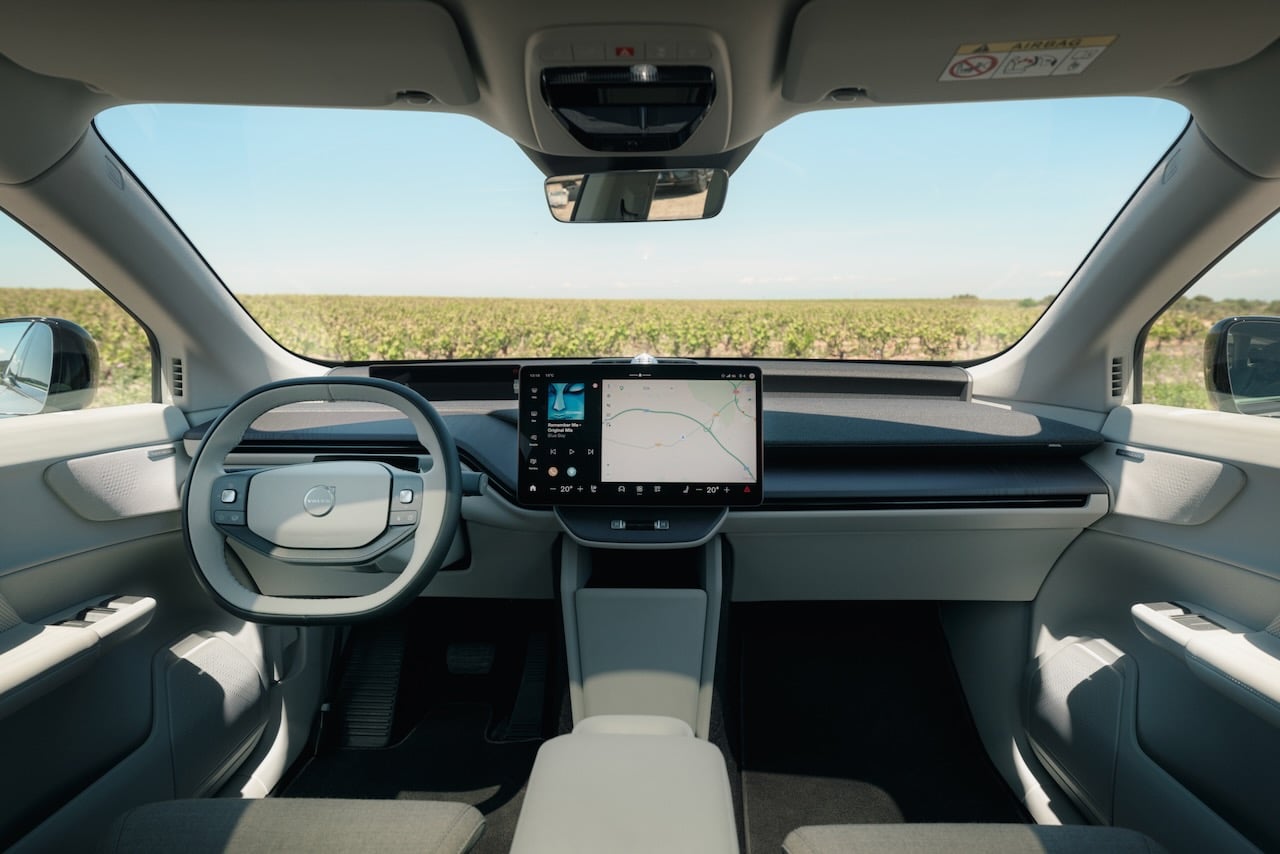
Inside the EX60: the cabin of the variant priced from $86,990
Inside the EX60: the cabin of the variant priced from $86,990, Image: CarExpert

More grades under consideration

Volvo is weighing additional versions for Australia. As reported in May 2026, the company is considering an entry-level grade and the range-topping P12, which would lift outputs to 500kW and 790Nm, cut the 0-100km/h sprint to 3.9 seconds and claim 810km from a 117kWh battery.

A higher-riding EX60 Cross Country is also under evaluation, initially with specifications similar to the P10 but adding air suspension for greater ground clearance and minor exterior changes for a more rugged look. Neither the extra grades nor the Cross Country have been confirmed for Australian sale, and Volvo has not announced revised delivery timing for them.
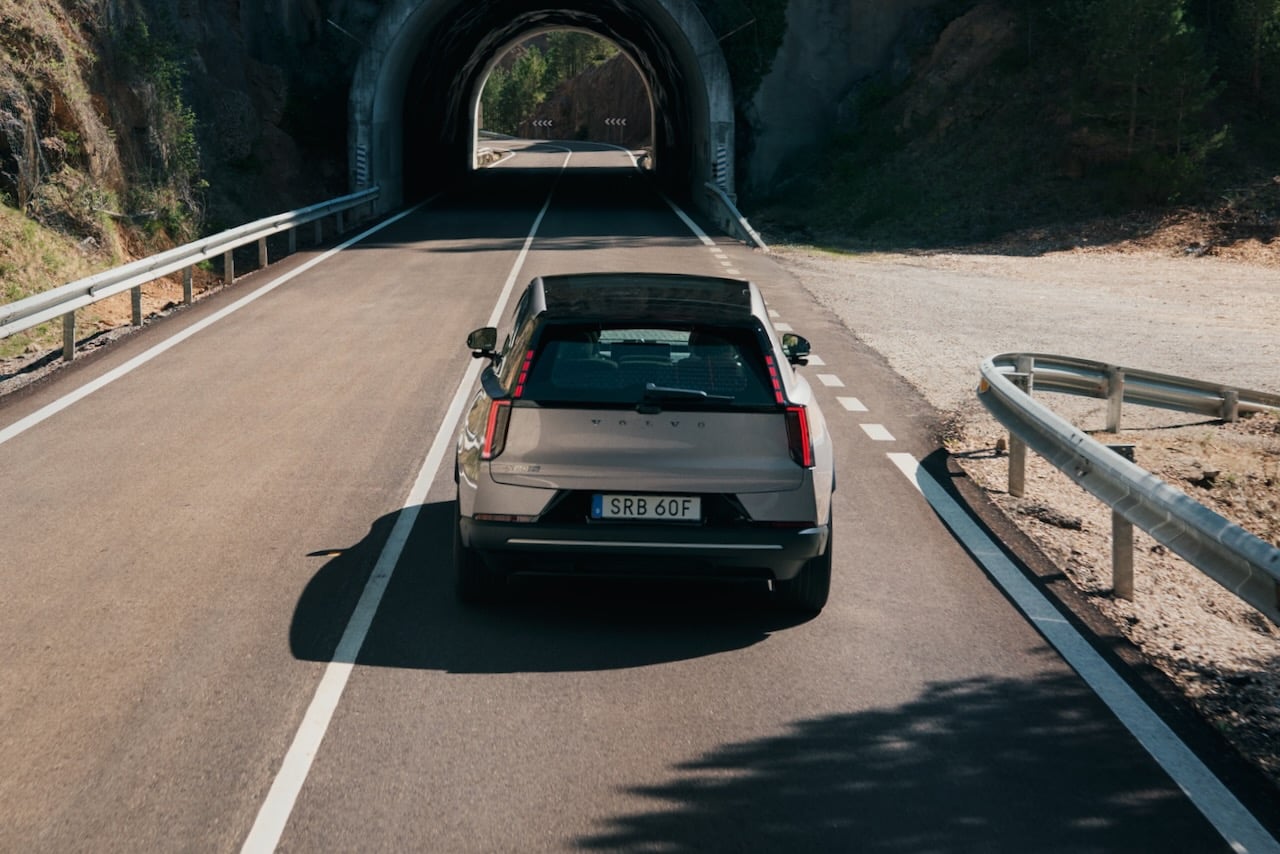
The EX60 on the road, with Australian buyers waiting until late 2027
The EX60 on the road, with Australian buyers waiting until late 2027, Image: CarExpert
Open this article ↗
New cars / TDCN ORIGINAL

Hot Wheels launches $4.99 brick-built 1:64 cars, starting with six models

Mattel's Brick Shop Racer Series puts metal axles and rolling wheels under brick bodies, with the range due to reach 20 vehicles by the end of 2027.

Image: Motor1

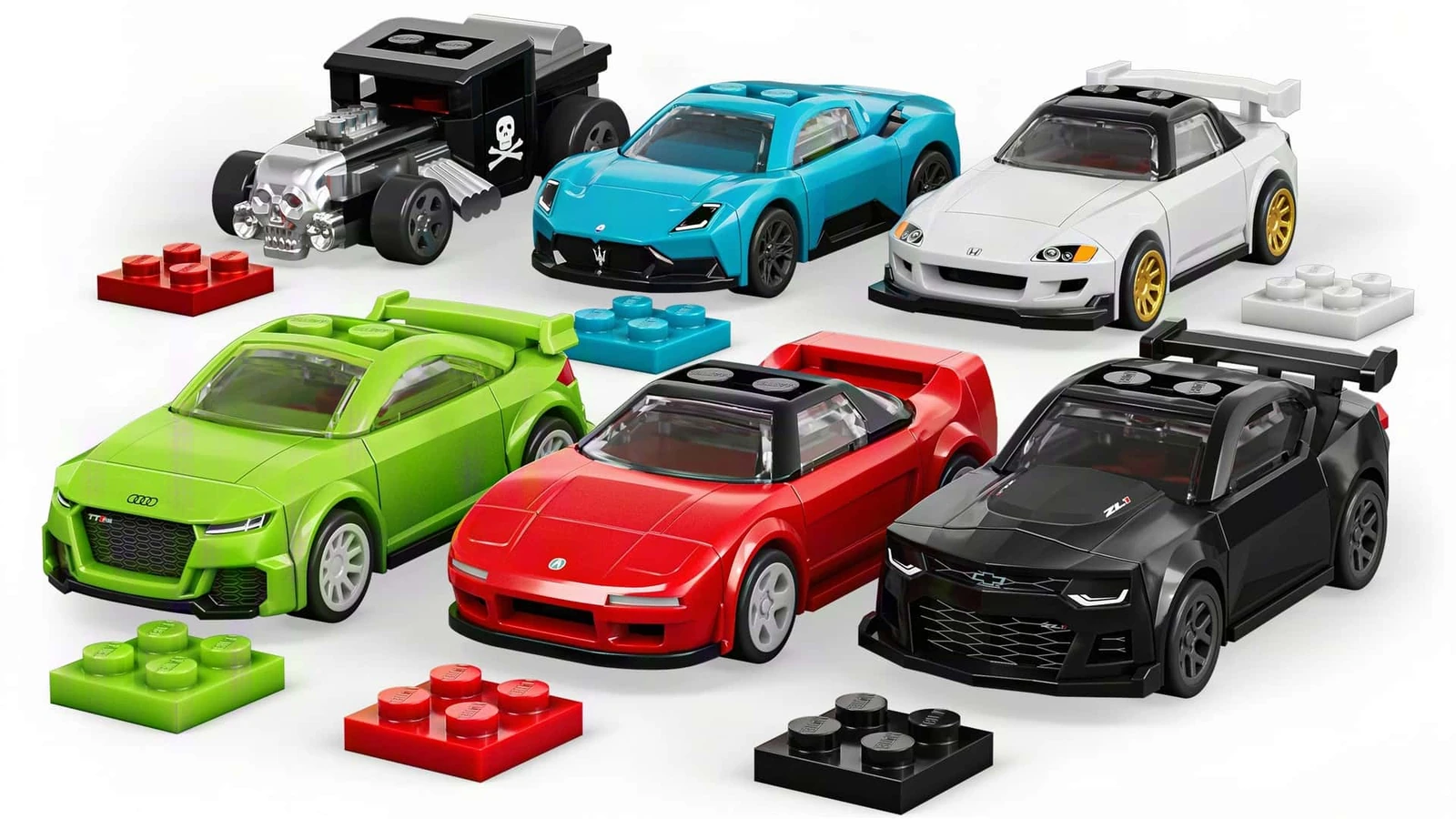
Mattel is launching a Brick Shop Racer Series that turns six Hot Wheels vehicles into buildable 1:64-scale models, with prices starting at $4.99. The first six sets arrive in January, and Mattel intends to grow the line to 20 collectible vehicles by the end of next year.

The opening six cars

The debut lineup spans modern muscle, European sports coupes, Japanese performance cars and a Hot Wheels original. Buyers will be able to build a 2024 Chevrolet Camaro ZL1, a 2018 Audi TT RS, a Maserati MCPura, a 1991 Acura NSX, a 1999 Honda S2000 and the Bone Shaker hot rod.

Piece counts range from 27 to 29 depending on the vehicle. The Camaro, Audi, Acura and Honda each need 29 pieces, the Bone Shaker uses 28 and the Maserati is the simplest at 27. Mattel has not yet identified which cars will fill out the remaining slots in the 20-model plan.

Built to roll, not just to sit on a shelf

These are not static display bricks. Each set includes a metal base plate, functional metal axles, rolling wheels and rubber-like tyres, plus specialised pieces shaped to reproduce each car's silhouette. Smooth resin bricks are designed to click together for straightforward assembly, and step-by-step instructions are included.

The sets are aimed at children aged six and up. Staying at the traditional 1:64 scale means a finished model is roughly the same size as a conventional Hot Wheels car, so it can sit alongside an existing die-cast collection without looking out of place.

That combination is the point. A four-piece-per-dollar build with real axles sits between a toy and a model kit, which is a far lower commitment than the larger Mattel Brick Shop sets launched last year at scales including 1:12, 1:16 and 1:32. For a parent or a collector curious about brick building, the entry price removes most of the risk.

Mattel takes aim at Lego's turf

The Racer Series puts Mattel into direct competition with Lego in construction toys, using one of its strongest brands to do it. Lego has long dominated that market, and Mattel is using the Hot Wheels name to claim a share of it at a price point where an impulse purchase is easy.

The crossover works both ways. Hot Wheels collectors are not necessarily building-set hobbyists, but familiar licensed cars could pull them toward brick construction, while Lego fans who already buy automotive sets now have another brand competing for their money.

The pricing is the sharpest part of the strategy. A conventional Hot Wheels collection tends to grow quickly and cheaply, and a $4.99 brick model fits that habit rather than asking buyers to commit to an expensive, time-consuming project. Someone who picks up one car can plausibly work through the whole set.

What is still unconfirmed

Mattel has not announced Australian availability or local pricing for the Racer Series, so the $4.99 figure is the US suggested retail price and any AUD figure has yet to be set. The identity of the 14 additional vehicles planned to complete the 20-model range is also still under wraps.

Open this article ↗

Keep scrolling to read the next story.

Older articles →