INDEPENDENT AUTOMOTIVE NEWSGLOBAL PERSPECTIVE / AUSTRALIAN EDITION
TDCNTHE DAILY
CAR NEWS.

The road ahead.
Every day.

RSS ↗
Latest/Electric

455 original articles

Electric / TDCN ORIGINAL

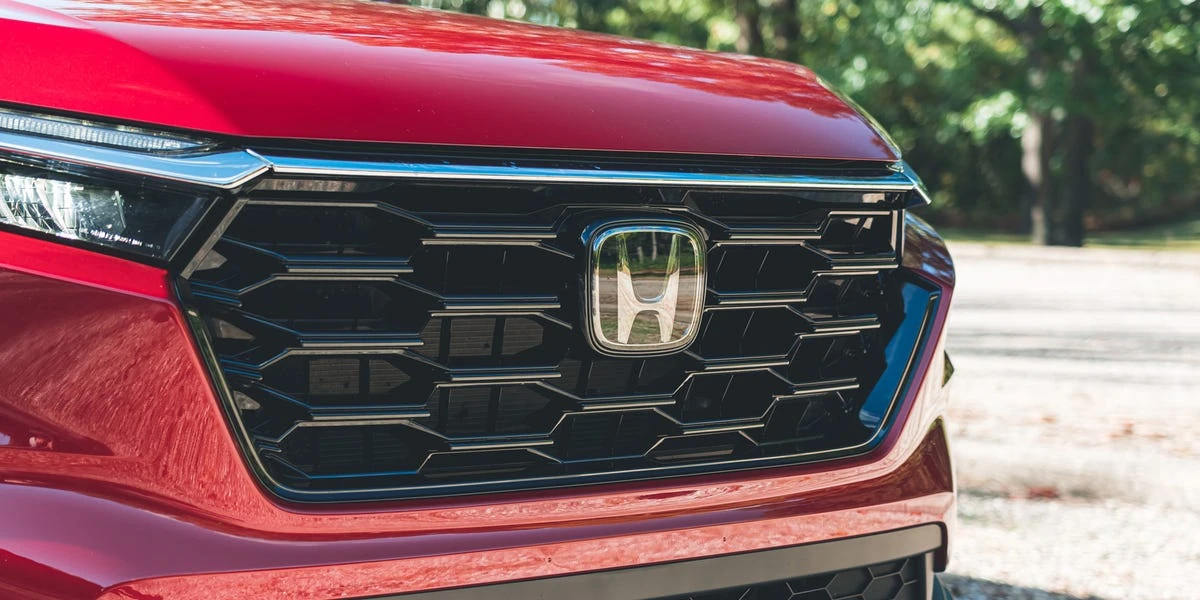
Honda plans $3bn Ohio assembly plant with 240,000-unit capacity for 2029

The factory would sit between Honda's existing East Liberty and Marysville sites and be flexible enough for petrol, hybrid and fully electric models.

Honda will build a new $3 billion vehicle assembly plant in central Ohio, on land between its existing East Liberty and Marysville factories, with production scheduled to begin in 2029. The plant is planned for a capacity of 240,000 vehicles a year and is expected to create more than 2,000 jobs, Honda says.

What the plant will build

Honda has not specified which models will be built at the new factory. The company says only that the plant will be capable of producing everything from petrol-powered models to hybrids and full EVs, so the model line-up will not be confirmed until closer to the 2029 start of production.

The capacity figure is the clearest guide to scale: at 240,000 vehicles a year, the site would be a substantial addition rather than a niche facility. Honda says the plant will lift its US production capacity to around 1.3 million vehicles a year.

An Ohio footprint that keeps growing

Honda already runs two vehicle assembly factories in Ohio, at East Liberty and Marysville, alongside the Anna Engine Plant and a transmission facility in Russells Point. The new site extends a manufacturing base that has been in the state for decades, and the choice of land next to existing operations suggests the company intends to share suppliers, logistics and labour with plants it already runs.

That matters for buyers mainly through what it signals about Honda's product plans. A plant flexible enough for combustion, hybrid and electric models gives Honda room to shift the mix as demand changes, rather than committing a single line to one powertrain type.

Hybrid investment spreads beyond Ohio

The Ohio plant is one part of a wider push into hybrid production. Honda is investing in its Lincoln, Alabama factory to raise capacity and expand engine output to include a new V6 hybrid powertrain, and says the plant will be able to build multiple models across its two vehicle production lines.

The Anna Engine Plant is being substantially retooled to build a next-generation Atkinson-cycle four-cylinder engine for upcoming compact and midsize models. At the Russells Point transmission facility, an existing transmission line is being converted into a second production line for next-generation hybrid systems destined for compact and midsize vehicles. That facility will also lead production of Honda's hybrid system for larger vehicles, which will additionally be built at the company's transmission plant in Georgia.

Honda says more detail on the vehicles that will use these hybrid systems should emerge over the next couple of years. Until then, the powertrain hardware is confirmed but the nameplates are not.
Open this article ↗
Industry / TDCN ORIGINAL

Chery considers building cars in Canada as it plans 2027 launch

The Chinese automaker says Canada alone could justify a factory, and it is talking to investors about using existing plant capacity.

Image: Carscoops

Chery is weighing local vehicle production in Canada alongside its plan to start selling cars there next year, with an executive saying the market is large enough to support a factory even without access to the United States. The Chinese automaker is one of several manufacturers moving into Canada under a trade deal that allows 49,000 Chinese-made electric and hybrid vehicles into the country each year at a reduced tariff rate.

Guibing Zhang, Chery's executive vice president, said in an interview with Bloomberg that Canada is worth having a factory for manufacturing even without the American market, and that the company is looking for the right opportunity and discussing possible formats.

No site or product line announced yet

Chery has not announced where in Canada a factory would be located or which models it would build. The company's preferred route is to find an existing local plant with spare capacity rather than start from scratch, and Zhang said Chery has begun speaking with investors across Canada who are enthusiastic about Chinese car manufacturers. Building a new plant remains an alternative, but it would be expensive and hard to justify unless the import quota is raised substantially or removed altogether.

That caution is easy to understand. Chery is currently competing for a share of just 49,000 imported vehicles a year, so there is no need to spend billions of dollars on a new factory at this stage. Using an underused plant would let the company establish a Canadian manufacturing footprint at far lower cost and risk, while keeping its options open if the quota grows.

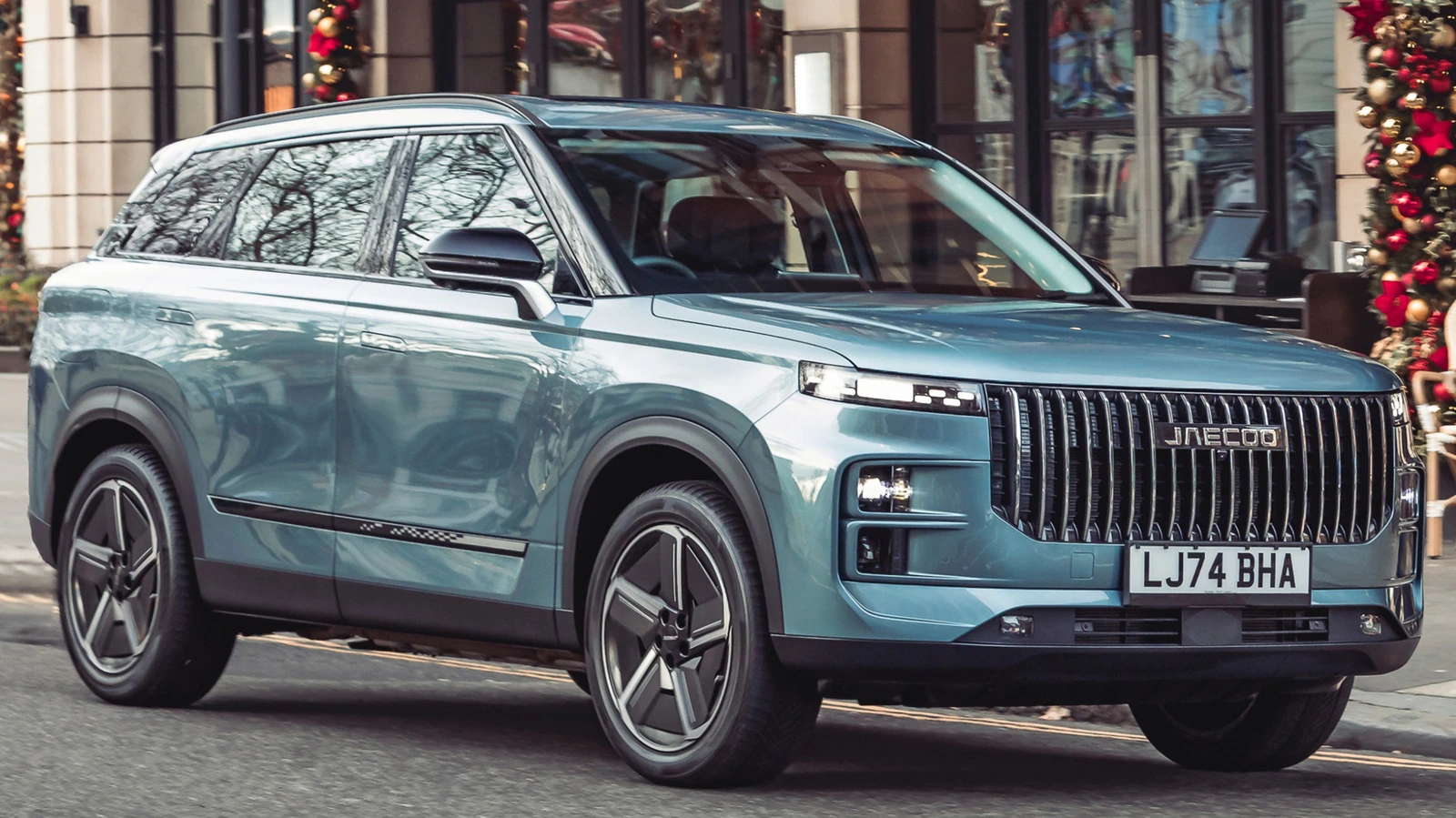
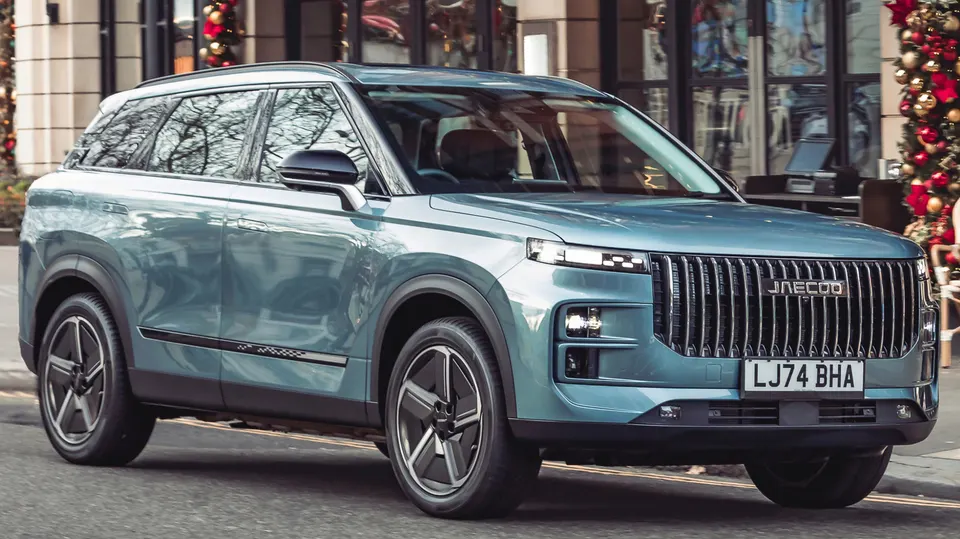
A Jaecoo SUV, from Chery's sub-brand lineup, previews the kind of vehicle the Chinese automaker could build in Canada after 2027.
A Jaecoo SUV, from Chery's sub-brand lineup, previews the kind of vehicle the Chinese automaker could build in Canada after 2027., Image: Carscoops

Canada's quota draws several Chinese brands

The trade agreement between Canada and China permits 49,000 Chinese-built EVs and hybrids to be imported at a reduced tariff rate, and BYD, Geely and Chery are among the companies taking advantage. Chery intends to launch its vehicles in Canada next year.

Chery has already shown it is willing to share space with established automakers elsewhere. It signed a memorandum of understanding with Nissan in the UK that could see vehicles built at Nissan's Sunderland site, and it operates an ex-Nissan factory in South Africa where it will start building its own vehicles.

Ottawa draws a line at knockdown kits

Canada has welcomed Chinese vehicles but does not want companies simply assembling so-called knockdown kits, which are built elsewhere, partially disassembled and shipped over for local workers to reassemble. A report earlier this year said Stellantis was considering that approach with EVs from Leapmotor, drawing sharp criticism from federal Industry Minister Melanie Joly and Ontario Premier Doug Ford.

Flavio Volpe, president of the Automotive Parts Manufacturers' Association, told CTV News that such vehicles are completely manufactured in China with Chinese components, then partially disassembled and reassembled by several hundred workers like flat-pack furniture, which he contrasted with making cars in Canada, buying C$3 billion worth of parts a year and employing 10,000 to 12,000 people.

Open this article ↗

Keep scrolling to read the next story.

Older articles →