INDEPENDENT AUTOMOTIVE NEWSGLOBAL PERSPECTIVE / AUSTRALIAN EDITION
TDCNTHE DAILY
CAR NEWS.

The road ahead.
Every day.

RSS ↗
Latest/New cars

455 original articles

New cars / TDCN ORIGINAL

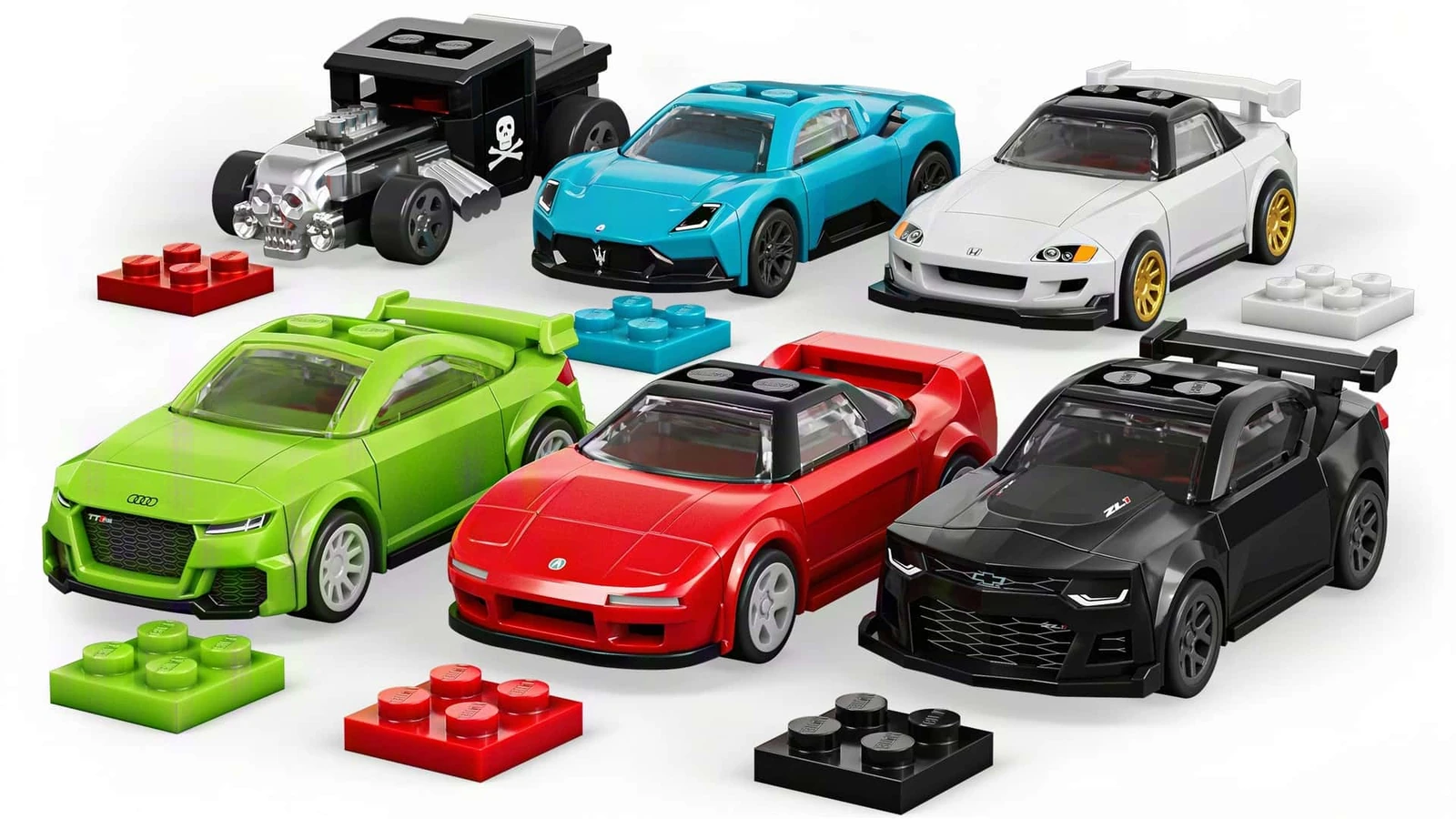
Hot Wheels launches $4.99 brick-built 1:64 cars, starting with six models

Mattel's Brick Shop Racer Series puts metal axles and rolling wheels under brick bodies, with the range due to reach 20 vehicles by the end of 2027.

Image: Motor1

Mattel is launching a Brick Shop Racer Series that turns six Hot Wheels vehicles into buildable 1:64-scale models, with prices starting at $4.99. The first six sets arrive in January, and Mattel intends to grow the line to 20 collectible vehicles by the end of next year.

The opening six cars

The debut lineup spans modern muscle, European sports coupes, Japanese performance cars and a Hot Wheels original. Buyers will be able to build a 2024 Chevrolet Camaro ZL1, a 2018 Audi TT RS, a Maserati MCPura, a 1991 Acura NSX, a 1999 Honda S2000 and the Bone Shaker hot rod.

Piece counts range from 27 to 29 depending on the vehicle. The Camaro, Audi, Acura and Honda each need 29 pieces, the Bone Shaker uses 28 and the Maserati is the simplest at 27. Mattel has not yet identified which cars will fill out the remaining slots in the 20-model plan.

Built to roll, not just to sit on a shelf

These are not static display bricks. Each set includes a metal base plate, functional metal axles, rolling wheels and rubber-like tyres, plus specialised pieces shaped to reproduce each car's silhouette. Smooth resin bricks are designed to click together for straightforward assembly, and step-by-step instructions are included.

The sets are aimed at children aged six and up. Staying at the traditional 1:64 scale means a finished model is roughly the same size as a conventional Hot Wheels car, so it can sit alongside an existing die-cast collection without looking out of place.

That combination is the point. A four-piece-per-dollar build with real axles sits between a toy and a model kit, which is a far lower commitment than the larger Mattel Brick Shop sets launched last year at scales including 1:12, 1:16 and 1:32. For a parent or a collector curious about brick building, the entry price removes most of the risk.

Mattel takes aim at Lego's turf

The Racer Series puts Mattel into direct competition with Lego in construction toys, using one of its strongest brands to do it. Lego has long dominated that market, and Mattel is using the Hot Wheels name to claim a share of it at a price point where an impulse purchase is easy.

The crossover works both ways. Hot Wheels collectors are not necessarily building-set hobbyists, but familiar licensed cars could pull them toward brick construction, while Lego fans who already buy automotive sets now have another brand competing for their money.

The pricing is the sharpest part of the strategy. A conventional Hot Wheels collection tends to grow quickly and cheaply, and a $4.99 brick model fits that habit rather than asking buyers to commit to an expensive, time-consuming project. Someone who picks up one car can plausibly work through the whole set.

What is still unconfirmed

Mattel has not announced Australian availability or local pricing for the Racer Series, so the $4.99 figure is the US suggested retail price and any AUD figure has yet to be set. The identity of the 14 additional vehicles planned to complete the 20-model range is also still under wraps.
Open this article ↗
Electric / TDCN ORIGINAL

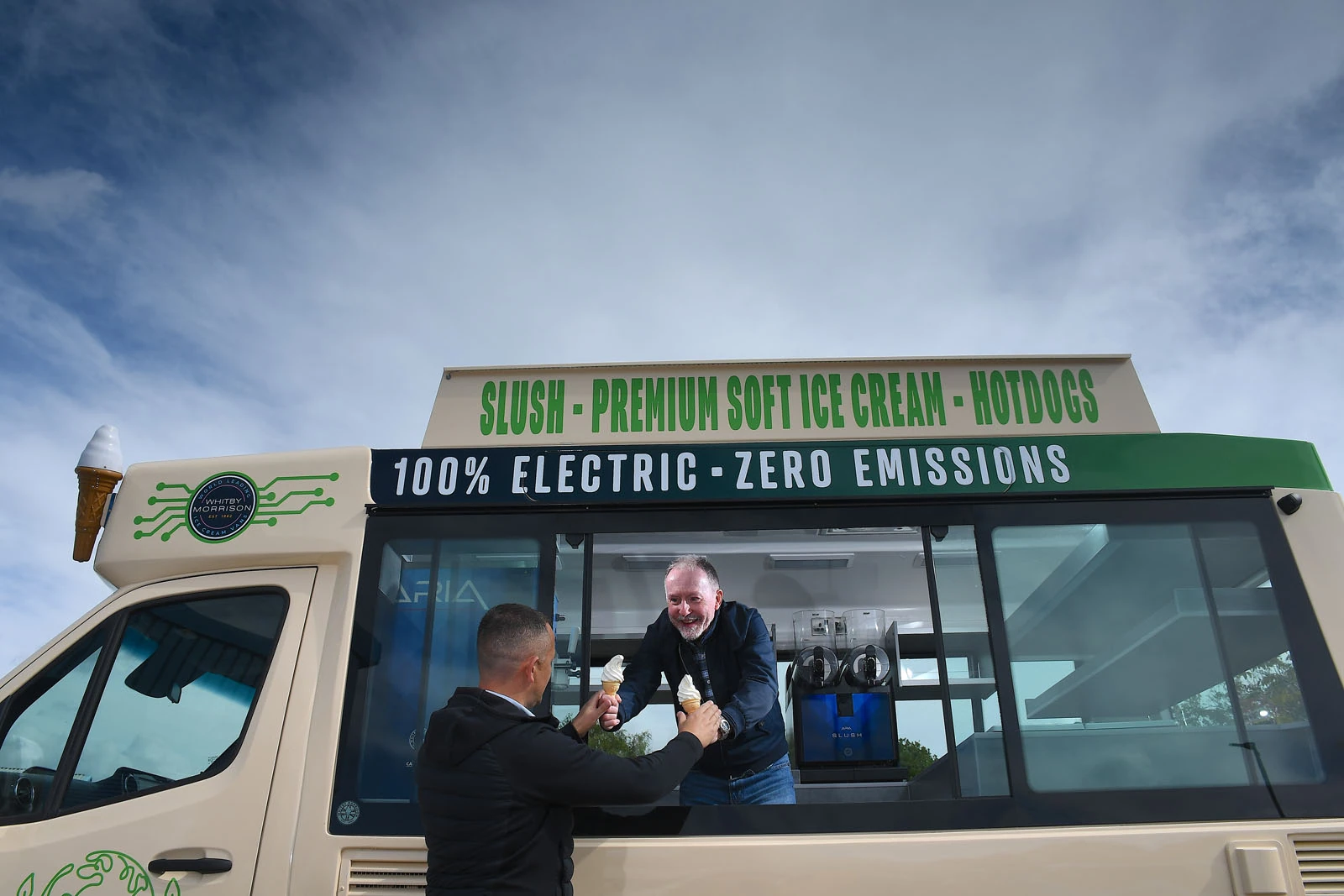
Whitby Morrison launches its first fully certified electric ice cream van

The Crewe converter, which builds around 80 vans a year mostly on Mercedes Sprinter chassis cabs, says the electric model marks a turning point for the firm.

Whitby Morrison has launched its first fully certified electric ice cream van, the Crewe-based converter's operations director Ed Whitby has confirmed. The vehicle was parked on the company's forecourt during Autocar's factory visit, described by Whitby as a real turning point for the family business.

A family firm moving with the times

Whitby Morrison was founded in 1962 by engineer Bryan Whitby, who developed a system that powered an ice cream van's soft-serve machinery directly from the vehicle's drive system. The company remains a family business based in Crewe, and Ed Whitby, the founder's grandson, now serves as operations director.

Around 80 new ice cream van conversions leave the factory each year, most of them based on Mercedes Sprinter chassis cabs and destined for UK operators. Each build takes roughly eight weeks, with an average lead time to delivery of 12 months.

Certification and the electric conversion

The electric van is described as fully certified, but the sources do not name the body that certifies it, nor do they specify which chassis the electric conversion is built on. The petrol and diesel conversions are overwhelmingly Mercedes Sprinter-based, but whether the electric model follows the same recipe has not been stated.

Battery size, range, charging times and price for the electric van have likewise not been announced in the source material. Readers wanting those figures will have to wait for Whitby Morrison to publish them.

Why an electric ice cream van matters

Ice cream vans have long been associated with idling diesel engines at pitches and seaside stops, so a certified electric conversion speaks directly to the emissions question that has gathered pace around vans and buses in Britain. The SMMT, the motor industry trade body, reported the week after Autocar's visit that more than £1 billion has been committed to Britain's van, truck and bus manufacturing industry and supply chains over the past five years, and highlighted that more than 30 models and conversions, from low-emission vehicles to electric and hydrogen options, are already being built or planned.

Whitby Morrison's electric van is a small-scale example of that shift, but it is a visible one: the vehicles operate in public spaces, often around children, where exhaust fumes are noticed. For operators, the appeal is not only environmental. A certified electric conversion gives buyers a route into low-emission operation without abandoning the familiar van format that the trade relies on.

What is still unknown

Whitby Morrison has not said how many electric vans it expects to build, whether the electric model will sit alongside or replace the Sprinter-based conversions, or when deliveries begin beyond the launch being described as taking place this year. Pricing, battery capacity, range and charging details remain unannounced.

Open this article ↗

Keep scrolling to read the next story.

Older articles →