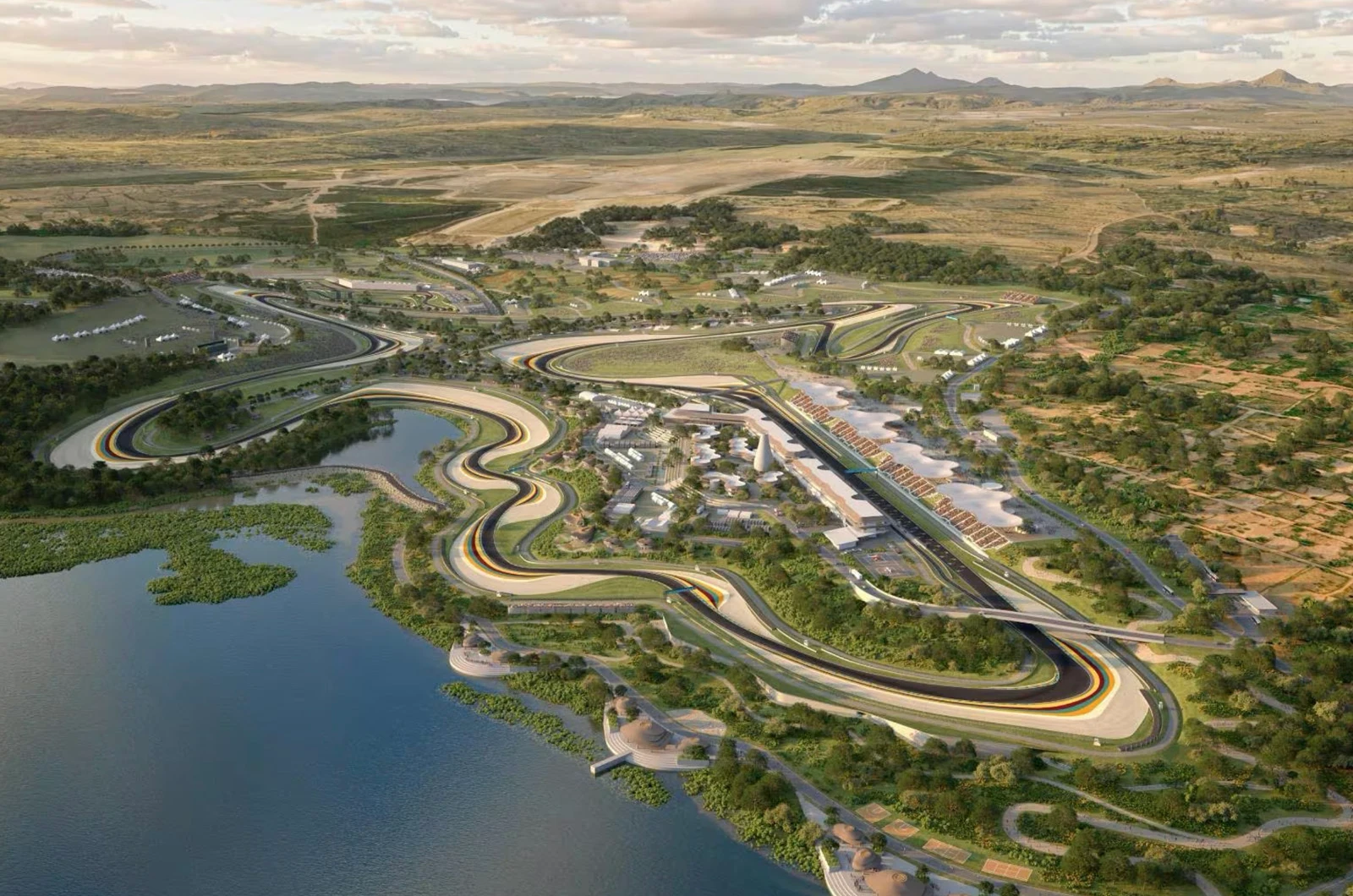
Formula 1 has agreed a 10-year deal to race in Rwanda, with the grand prix due to join the calendar in the early 2030s once a new track is constructed. It would be the sport's first race in Africa since 1993.
Why Rwanda and not France or Germany
The Rwanda deal lands at a moment when neither France nor Germany holds a place on the F1 schedule. France last hosted a race at Paul Ricard in 2022, and Germany has not staged a grand prix since the one-off Eifel GP at the Nürburgring in 2020, a race held during the Covid-affected season.
Autocar frames the shift bluntly: traditional heartlands are no longer sacrosanct when untapped regions offer richer returns. F1's hosting fees are steep enough that a country without the private or public investment to meet them has no automatic claim on a calendar slot, particularly when demand exists elsewhere.
That matters because the calendar is now a commercial contest as much as a sporting one. Under Liberty Media since 2017, F1 has expanded into Miami and Las Vegas, and the Rwanda race is presented as another landmark for chief executive Stefano Domenicali and his team.
The case for Africa
F1 justifies Rwanda partly on audience grounds, claiming a following of 100 million people across Africa even without a grand prix, with a high proportion of them under 35. Lewis Hamilton has consistently argued that the sport should return to the continent, and the deal delivers on that long-standing call.
Exposing motorsport to fresh audiences is the obvious upside. The cost is that fans in countries where racing is deeply rooted now have to cross borders to see a grand prix.
Sportswashing questions
The announcement, made last month, drew claims of sportswashing, given that Rwanda still has questions to answer over its human rights record. The country is also still shaped by the genocide within living memory.
Autocar notes that such concerns have followed F1 before, as they have football and boxing, and tend to skim off the surface. The same applies to suggestions that the substantial funding behind the race, said to come from a mix of private and public sources, might do more direct good for local people if spent differently.
The catch for F1 is that the commercial logic and the human rights debate are now running on parallel tracks. The deal is signed, but the circuit still has to be built before the race can happen.