INDEPENDENT AUTOMOTIVE NEWSGLOBAL PERSPECTIVE / AUSTRALIAN EDITION
TDCNTHE DAILY
CAR NEWS.

The road ahead.
Every day.

RSS ↗
Latest/Australia

455 original articles

Australia / TDCN ORIGINAL

Toyota Australia backs away from record fourth-quarter sales forecast

October's 20,649 deliveries fell short of the monthly pace needed to beat the 66,179 vehicles Toyota sold in the final quarter of 2020.

Toyota Australia has stopped short of repeating its forecast of a record fourth quarter for 2026, after October sales came in below the pace the target requires. A Toyota spokesperson this week said only that the brand is "targeting a very strong fourth quarter", a noticeably softer line than the record prediction executives made in early October.

The HiLux did return to the top of the Australian market in October, with 5954 of Toyota's 20,649 deliveries. That was Toyota's best month of 2026 so far and a 4.7 per cent rise year on year, more than double second-placed BYD's 10,025 and nearly triple third-placed Ford's 7310.

At a media briefing in October, Toyota vice president of sales John Pappas said the final quarter would be a record and would exceed the roughly 66,000 vehicles the brand sold in the same period of 2020. Toyota's official figure for that quarter was 66,179.

October's result leaves Toyota needing more than 45,530 sales across November and December, an average above 22,765 a month, to beat that 2020 mark. October's 20,649 fell below that monthly average, which is why the record is now harder to reach.

The full-year picture is tighter too. Pappas had said Toyota expected to sell more than 220,000 vehicles in 2026, already a downward revision from a July projection of more than 230,000. With 152,944 vehicles sold to the end of September, Toyota needed another 67,056 in the final three months to hit 220,000.

Toyota Australia's dealer network faces a supply-constrained quarter rather than weak demand
Toyota Australia's dealer network faces a supply-constrained quarter rather than weak demand, Image: CarExpert

Supply, not demand, is the stated constraint

Pappas said Toyota's sales depend more on vehicle supply than on customer demand, and the spokesperson's statement pointed to increased supply now reaching customers as a large part of the brand's strength.

The context is a market Toyota has led for three decades. Pappas said the brand expects to be number one in Australia again this year, which would be its 31st consecutive year at the top. Toyota set an all-time annual record of 241,296 sales in 2024 and followed it with 239,863 last year, so 2026 is tracking well below those highs on the current forecast.

For buyers, the practical read is that Toyota's problem is stock rather than interest. A brand that keeps citing supply as its ceiling is one whose showroom traffic is holding up, and the HiLux's return to the top of the market in October underlines that demand has not collapsed. The softer language from head office is about how many cars can be delivered, not whether people want them.
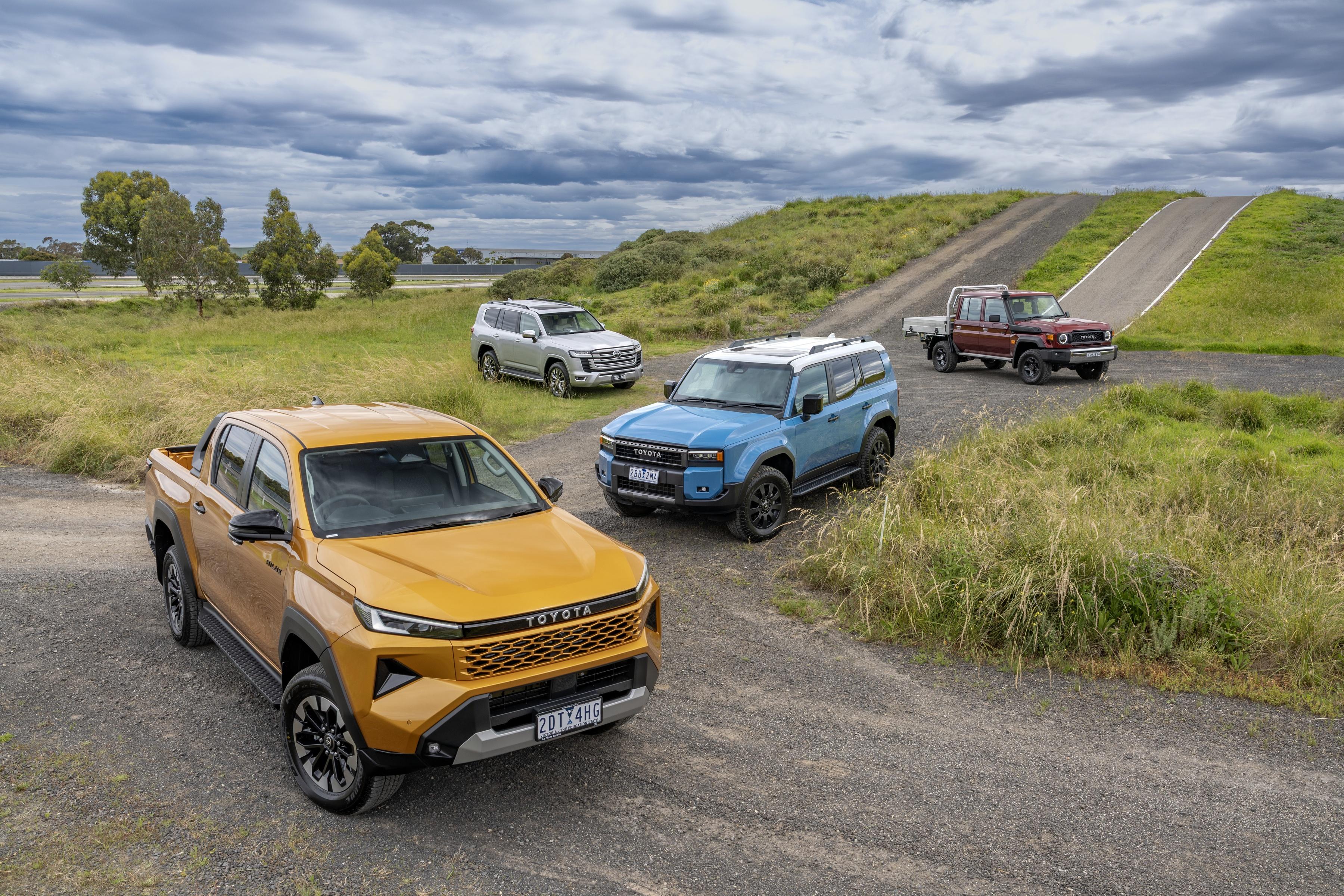
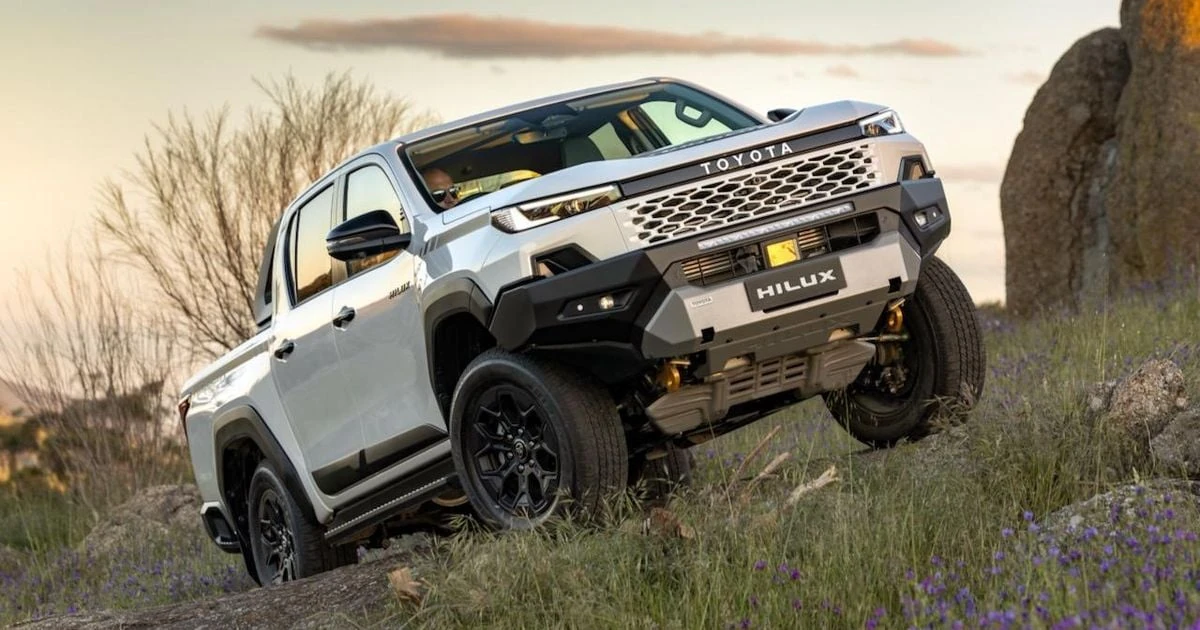
Utes and SUVs like these are the volume drivers Toyota Australia must keep supplied to hit its sales targets
Utes and SUVs like these are the volume drivers Toyota Australia must keep supplied to hit its sales targets, Image: CarExpert

What is still unconfirmed

Toyota has not formally abandoned the record fourth-quarter target. The spokesperson's statement simply did not repeat it, and the company has not issued a revised quarterly figure. Whether the 220,000 full-year target is also revised has not been announced.
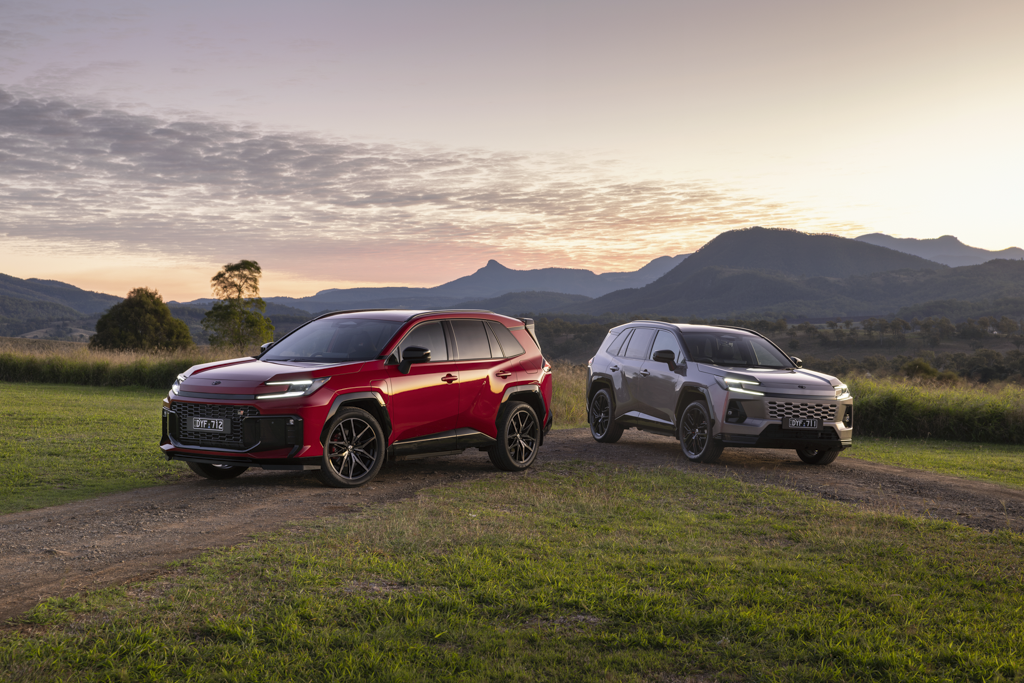
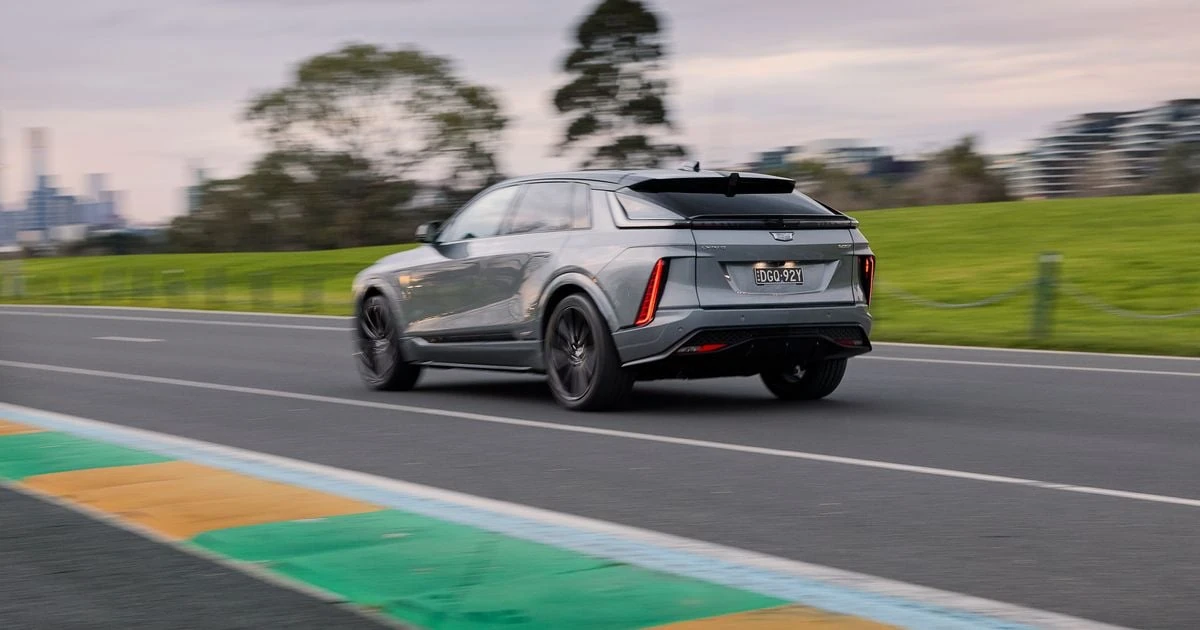
Toyota's SUV lineup remains in demand, but stock availability is the stated constraint
Toyota's SUV lineup remains in demand, but stock availability is the stated constraint, Image: CarExpert
Open this article ↗
Electric / TDCN ORIGINAL

Cadillac EVs are not track-ready yet, engineer says, as Blackwing badge waits

A Cadillac performance engineer says electric concepts have met track use but not GM's stricter internal durability benchmarks, so no EV has earned a Blackwing badge.

Cadillac has built electric concepts capable of lapping a circuit, but none has yet cleared the company's own durability standards, which is why the brand's EVs are not yet sold as track cars. Tom Schinderle, a Cadillac vehicle performance engineer, said the company's electric performance models are currently tuned for spirited road driving rather than circuit work.

Speaking to CarExpert at a General Motors event in New York, Schinderle said the obstacle is thermal endurance: keeping battery and motor temperatures in check over sustained laps rather than a single fast one.

Why a fast lap is not enough

Schinderle framed the gap as a durability question rather than a power one. Many performance EVs can deliver one blistering lap, but heat builds in the battery and motors and output is often scaled back soon after. Cadillac does not want to badge a car as track-capable until it can keep going.

"Right now, our holdup is we have been gearing our EVs more to the canyon carving, spirited driving, and not full track performance at the moment," Schinderle said. "There's a lot of engineering work on the thermal side to make sure we have a car that can do it lap after lap after lap".

He said GM's internal durability standards are stricter than those of its competitors and that Cadillac holds itself to that higher level. "We've certainly come up with concepts that are track capable, but haven't passed all of our internal benchmarks that are critically important," he said.

That matters because a track badge is a promise about repeated use, not a peak number. Buyers comparing electric performance cars increasingly look at whether power holds up over a session, and Cadillac is effectively saying it will not make that claim until its own tests back it.

The crest stays, but the Blackwing nameplate remains on hold.
The crest stays, but the Blackwing nameplate remains on hold., Image: CarExpert

Blackwing stays a V8 sedan for now

Cadillac splits its performance lineup between V-Series models, including the electric Lyriq-V and Optiq-V and the supercharged V8 Escalade-V, and the more hardcore, track-focused V-Series Blackwing line. Until recently the Blackwing category included the twin-turbo V6 CT4-V Blackwing; now the only Blackwing model is the supercharged V8 CT5-V Blackwing, which Schinderle works on.

No Cadillac EV has been confirmed for a Blackwing badge, and the sources give no date for when one might arrive. Schinderle said the combustion-powered V-Series sedans set the benchmark: "These V-Series ICE sedans, I mean, they can [do] lap after lap after lap, and so we are certainly investigating that on the EVs. We're just not quite ready to commit to that yet".

His comments echo those made last year by Lyriq-V lead development engineer Alex Doss, who pointed to battery weight and cooling as the main hurdles to a Blackwing-badged EV.

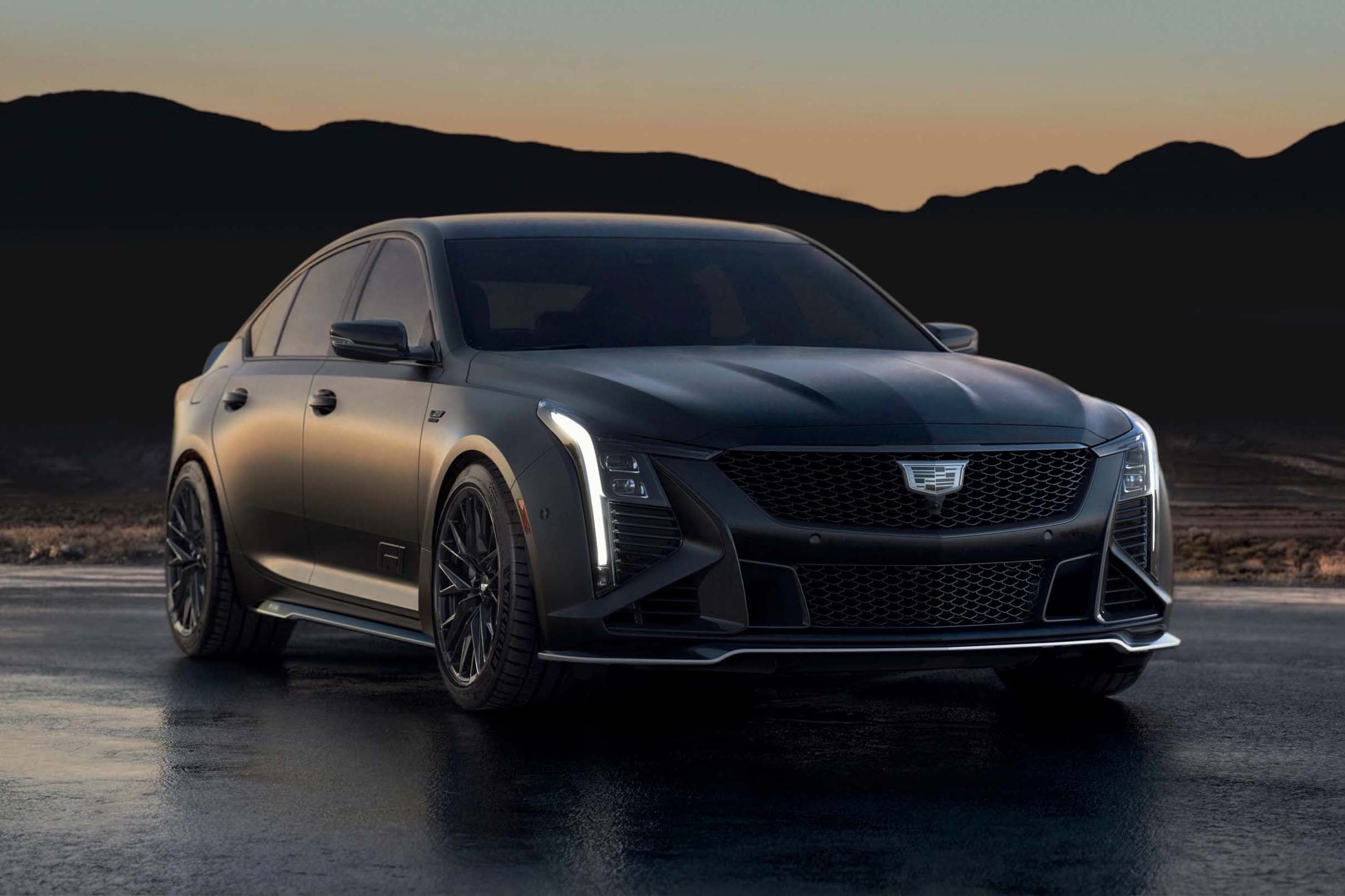
Cadillac's sharp-edged EV sedan design language, still waiting for a Blackwing badge.
Cadillac's sharp-edged EV sedan design language, still waiting for a Blackwing badge., Image: CarExpert

Traction tech could follow once the tests are passed

The Blackwing sedans use Performance Traction Management, a multi-stage traction and stability control system that lets drivers progressively dial back intervention on track. Asked whether something similar would come to Cadillac's EVs, which can control torque far more precisely than a combustion engine, Schinderle said it was likely, but only once the durability work is done.

For drivers, the near-term picture is straightforward: Cadillac's electric V-Series cars are positioned for road use, and the track-focused electric models remain a future step rather than a current showroom claim. The smarter move for buyers eyeing an electric Cadillac for track days is to treat the V-Series badge as a road-performance marker until the brand says otherwise.

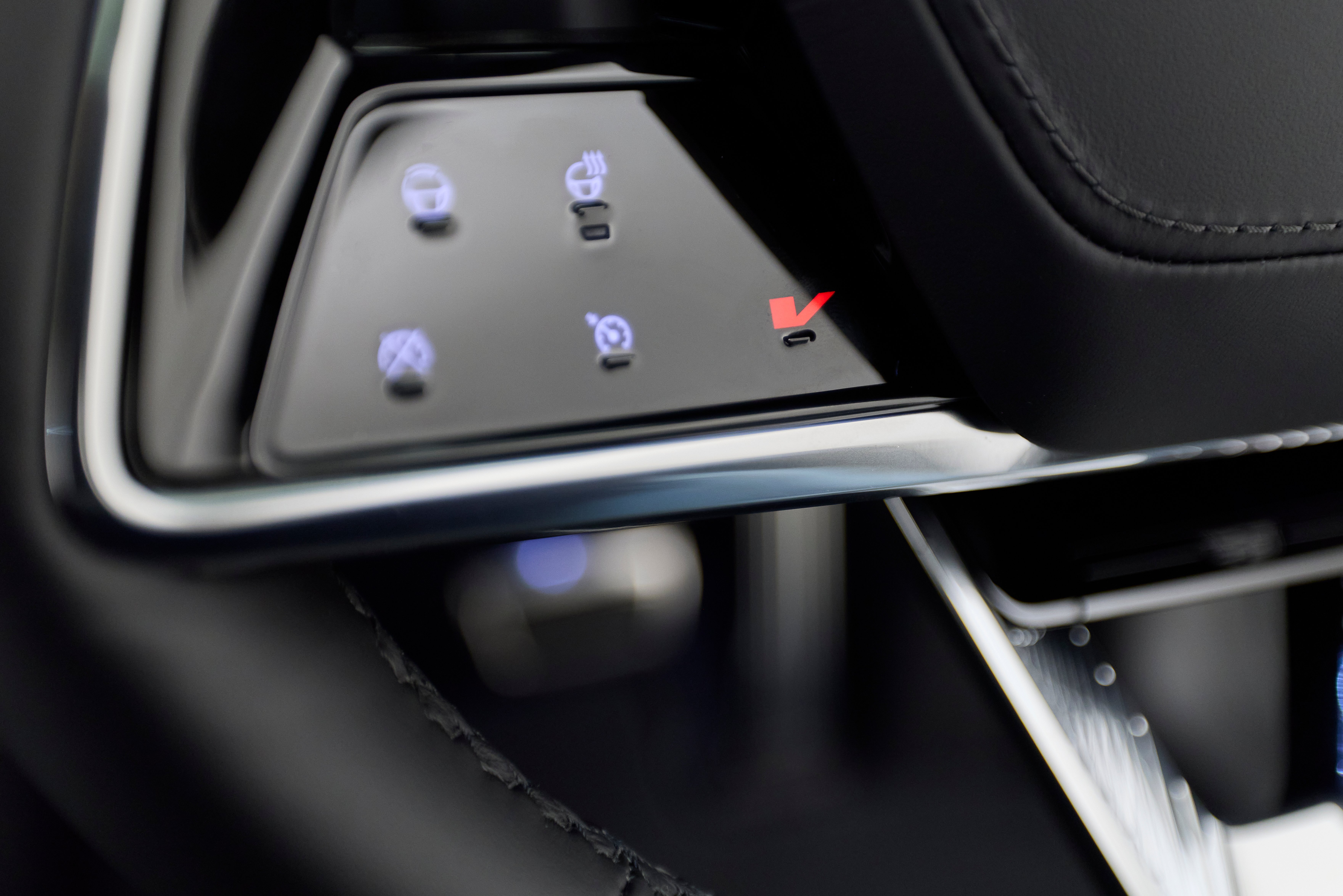
Driver controls and traction settings hint at the tech still being validated.
Driver controls and traction settings hint at the tech still being validated., Image: CarExpert
Open this article ↗

Keep scrolling to read the next story.

Older articles →