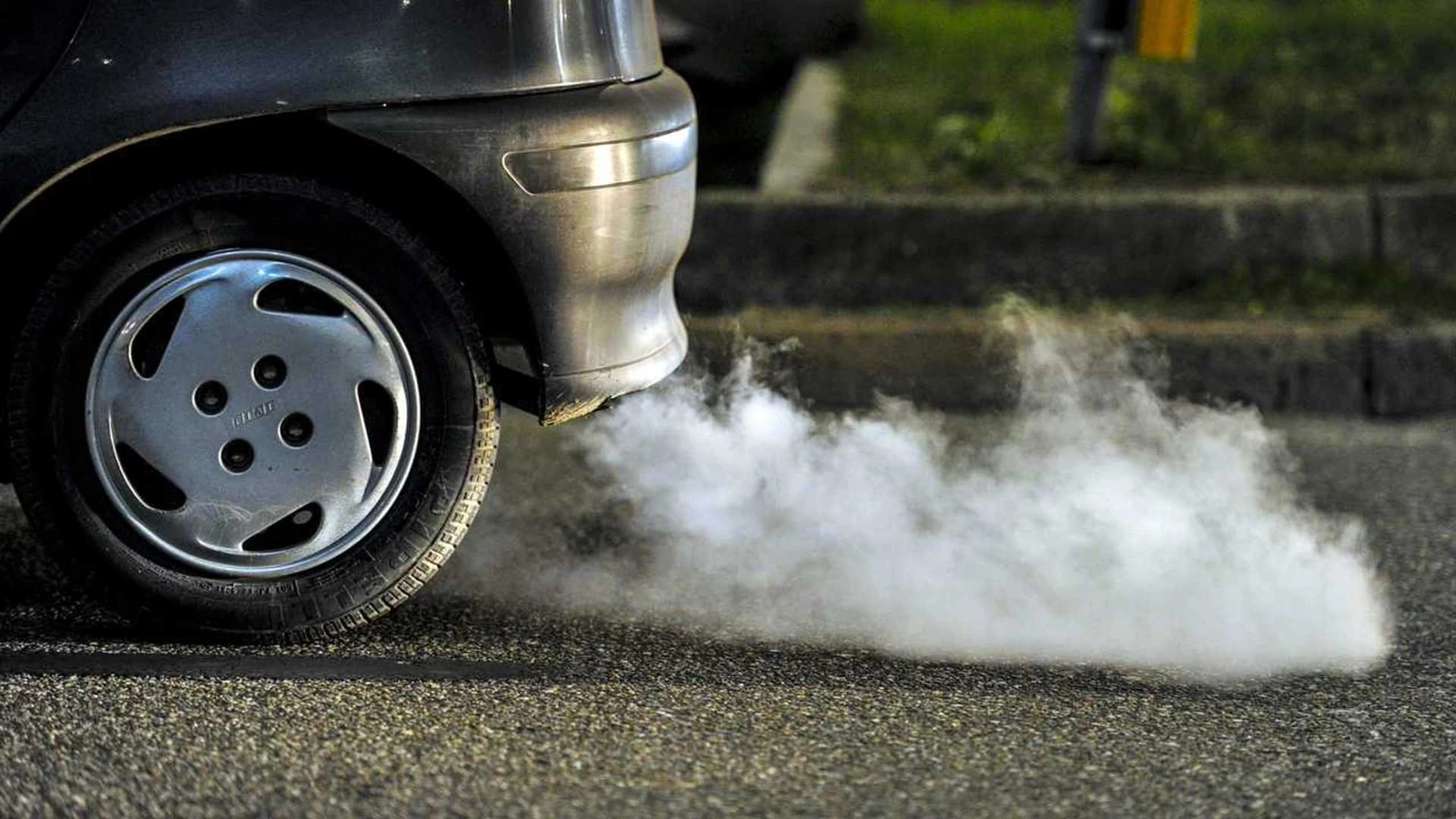
The European Parliament's Environment Committee has voted to weaken the EU's 2035 combustion-engine phaseout, approving a text that would let petrol and diesel cars stay on sale in reduced numbers after that date. The committee backed the plan on November 4, 2026, by 48 votes in favour, 30 against and two abstentions.
Nothing has changed yet for buyers or automakers. The vote sets Parliament's negotiating position rather than a new law, and the existing 100 percent targets for cars and vans remain in force until the legislative process runs its course.
What the committee approved for cars
For new passenger cars, the committee proposal would lower the 2035 fleet-wide emissions target from a full phaseout to an 87.5 percent reduction against 2021 levels. Part of the remaining gap could be covered with credits for using low-carbon steel made in the EU, which the committee caps at 7.5 percent of the reference target, bringing the effective figure closer to 95 percent.
A tighter limit applies in the near term. Between the rules' entry into force and the end of 2034, low-carbon-steel credits would be restricted to just 3 percent of specific targets for both cars and vans, well below the long-term 7.5 percent ceiling.
Vans face a different set of numbers
Vans diverge further from what is currently on the books. The committee set a 2030 target of 35 percent, short of the European Commission's own 40 percent proposal and a steep step down from the 50 percent reduction vans face under rules already in force. By 2035, the committee would cut the van target from a full 100 percent to 80 percent, with the same low-carbon-steel credit mechanism available and again capped at 7.5 percent.
The credit system lets automakers hit a nominally lower target while still getting partial recognition for cleaner manufacturing. Steel production is one of the largest sources of embedded emissions in a vehicle's supply chain, so crediting EU-made low-carbon steel gives manufacturers another lever besides tailpipe output alone. That is a meaningful shift from the original 2035 framework, which counted only what came out of the exhaust pipe, and it explains why the committee's headline percentages look softer than a simple side-by-side comparison would suggest.
The industry had been split on the original ban, and the committee's compromise reflects that divide rather than resolving it.
Why the vote is not the final word
The committee's text is a negotiating mandate that still needs approval from the full Parliament before talks with EU governments can begin. That full Parliament vote is expected in December 2026. Until Parliament votes and any resulting deal clears the remaining legislative steps with the Council, the original 100 percent targets for both cars and vans stay exactly as they are.
For drivers and car buyers, the practical effect is that showroom rules are unchanged for now. The significance lies in the direction of travel: a committee of lawmakers has formally endorsed keeping some combustion-engined cars on sale past 2035, and has opened a second route to compliance through steel sourcing rather than exhaust output alone. Whether that position survives the full Parliament and negotiations with member states is the next test.