INDEPENDENT AUTOMOTIVE NEWSGLOBAL PERSPECTIVE / AUSTRALIAN EDITION
TDCNTHE DAILY
CAR NEWS.

The road ahead.
Every day.

RSS ↗
Latest/Safety

455 original articles

Safety / TDCN ORIGINAL

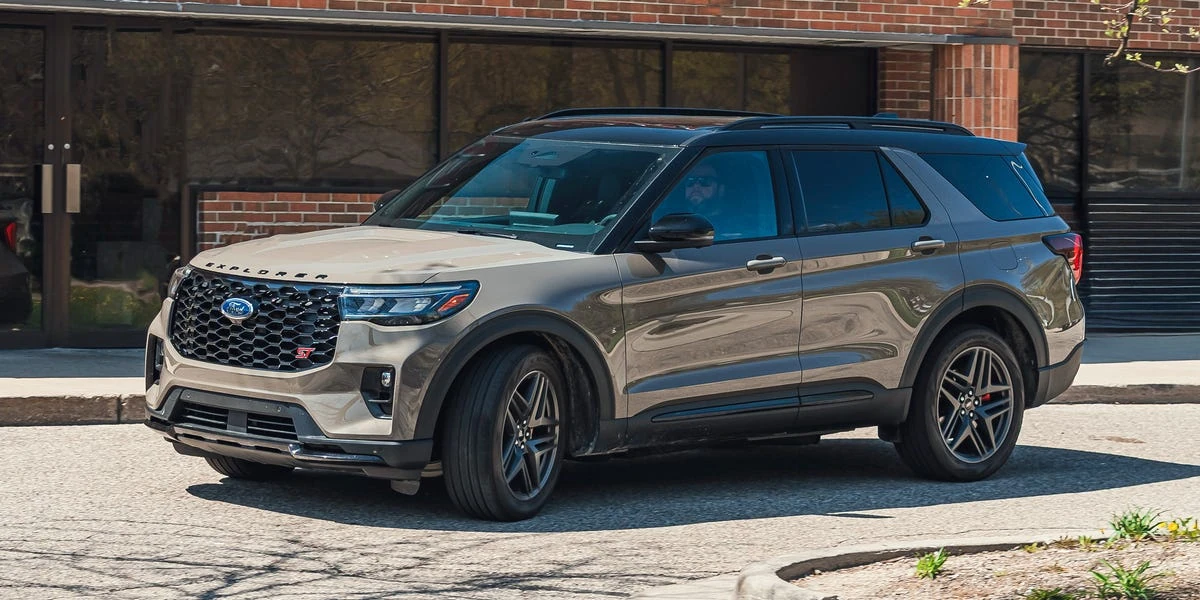
Ford Explorer airbags under NHTSA investigation over burn injuries

The US safety regulator is examining seat-mounted side airbags in an estimated 1.24 million Explorers from the 2021 to 2026 model years, with no recall ordered yet.

The National Highway Traffic Safety Administration has opened a preliminary evaluation into seat-mounted side airbags in an estimated 1,236,155 Ford Explorer SUVs built for the 2021 through 2026 model years, following reports that deployment has caused burns.

The probe sits with the agency's Office of Defects Investigation, which has not issued a recall and has not said one will follow. Owners of affected Explorers therefore do not yet know whether their vehicle is covered by a fix.

What drivers have reported

The ODI has received eight Vehicle Owner Questionnaires and four Early Warning Reporting "Death and Injury" reports alleging burn injuries from deploying seat-mounted side airbags. No fatalities have been reported in connection with the issue.

Injuries in the filings were confined to the driver, the front passenger, or both, with no rear-passenger injuries detailed. The burns were typically diagnosed as second or third degree and required medical treatment to heal.

Some of the questionnaires describe injuries to law enforcement officers whose Police Interceptor versions of the Explorer had their side airbags deploy. That detail matters because police-spec Explorers are subject to the same investigation as civilian vehicles, so the affected population is not limited to private buyers.

What the investigation will decide

The preliminary evaluation will establish the scope and frequency of the problem and assess its safety consequences. A recall is possible but not guaranteed: the filing leaves open whether NHTSA will require one.

Until that question is settled, the practical advice for Explorer owners is to watch for a recall notice and to treat any airbag-related burn as worth reporting to the agency, since the ODI's picture of the defect is currently built from owner submissions and early warning data.

The investigation covers a large share of the current Explorer fleet, spanning six model years, which means the outcome will reach a substantial group of owners whatever the agency decides.
Open this article ↗
Industry / TDCN ORIGINAL

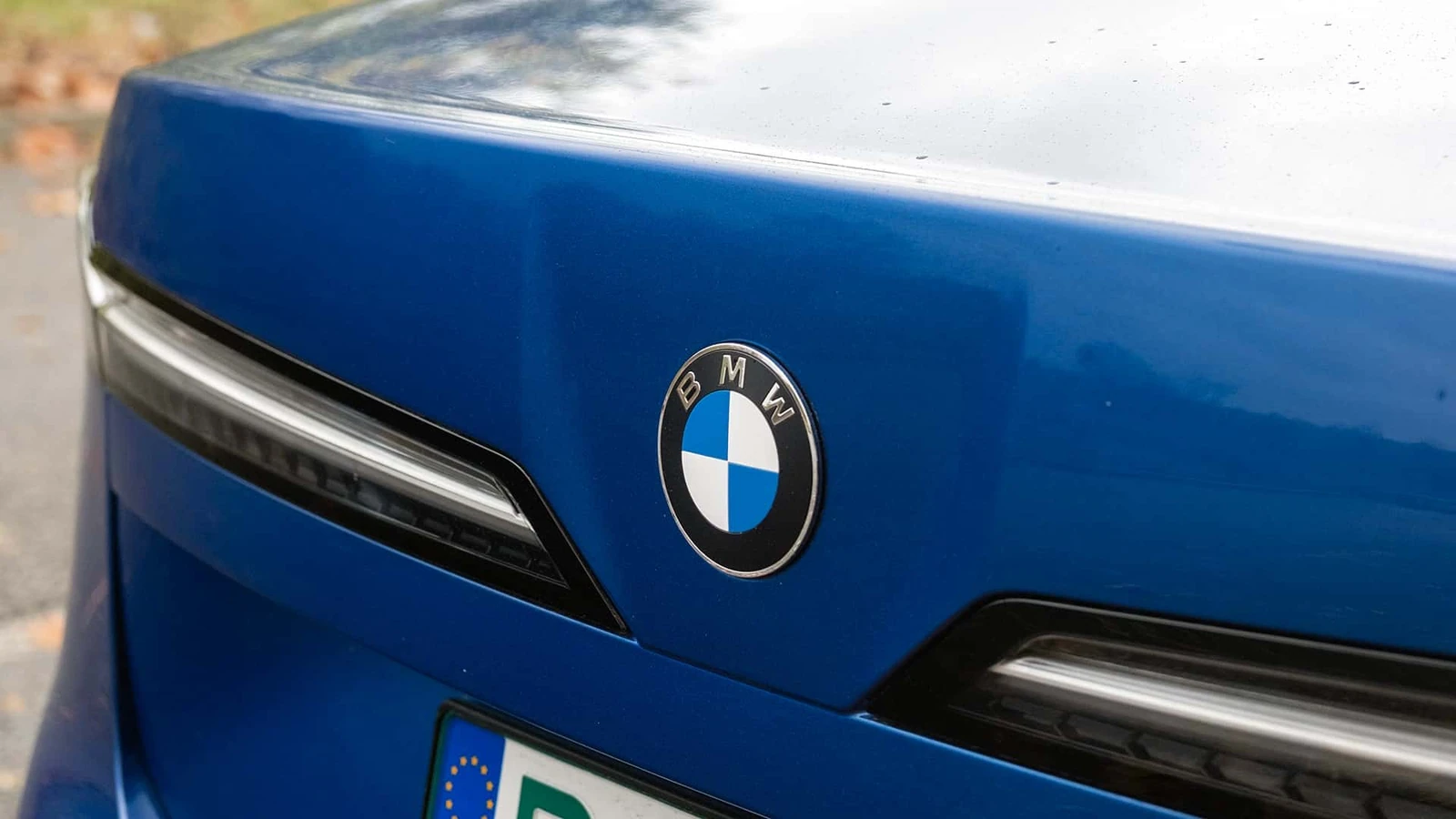
BMW to widen use of cheaper LFP batteries across Neue Klasse EVs

CEO Milan Nedeljkovic confirmed the shift on BMW's third-quarter earnings call but did not name the next models or a launch date outside China.

BMW will expand its use of lithium iron phosphate (LFP) batteries to more of its Neue Klasse electric cars, a move that could open the door to cheaper models even if they travel fewer miles per charge. CEO Milan Nedeljkovic confirmed the plan during BMW's third-quarter earnings call.

Nedeljkovic said BMW would be selective about where the chemistry goes, without identifying which vehicles will get it next or when LFP cars will reach markets outside China.

What BMW has actually confirmed

Nedeljkovic framed LFP as a different balance of cost and range rather than a replacement for BMW's current cells. He described the cylindrical nickel-manganese-cobalt (NMC) cells used in most Neue Klasse cars as superior for the range they deliver, but said LFP has its own merits.

"We will add the LFP technology in our vehicles, but we will be very specific in which vehicle and for which purpose," he said, according to an account of the call. He did not promise that lower battery costs would translate directly into lower sticker prices.

That caveat matters for buyers: a cheaper pack does not automatically mean a cheaper car, and BMW has left itself room to keep pricing where it is.

China already shows the playbook

The strategy is already visible in China, where the entry-level, long-wheelbase iX3 30L uses a 77-kilowatt-hour LFP battery while the pricier 40L and 50L variants carry NMC packs. The 30L has a claimed CLTC range of 630 kilometres (391 miles), a figure that flatters real-world expectations because the Chinese test cycle is more optimistic than WLTP and EPA.

That single-market example is the clearest evidence of how BMW might split a lineup: a cheaper, shorter-range entry variant alongside longer-legged NMC versions. Mercedes has taken a similar route with the electric CLA, which offers an 85-kWh NMC battery and an entry variant with a 58-kWh LFP pack, letting buyers choose between a lower entry price and more range within one model.

Why LFP cuts costs, and what it gives up

LFP's price advantage begins with its cathode, which uses relatively inexpensive iron and phosphate instead of the nickel and cobalt found in NMC cells. The chemistry is also generally known for high longevity, thermal stability and less degradation from frequent fast charging to 100%.

The trade-off is lower energy density, which is why NMC remains more attractive for long-range applications. BMW's newest EVs make that case well: the iX3 is quoted at 435 miles of range and the i3 at 468 miles. LFP would suit buyers who do not need that much range and would rather keep money in their pockets.

Which models could get LFP

BMW has not confirmed the next models to receive LFP batteries. A compact Neue Klasse EV due in 2028, confirmed by BMW and aimed at Europe, looks like a strong candidate because it targets a more affordable segment, but that remains unconfirmed. LFP versions of existing models, following the Chinese iX3's example, are another possibility.

The compact model is also shaping up as a likely rival to Mercedes' electric CLA, which already offers the LFP-or-NMC choice BMW is weighing.

For buyers outside China, BMW has not specified a launch date for LFP models. The chemistry's wider rollout is therefore a direction of travel rather than a dated product plan.

Battery supply is widening, but not yet LFP

BMW is also diversifying where its cells come from. It announced a deal with Samsung SDI to supply Gen6 cells from Europe and LG Energy Solution from the U.S., starting toward the end of the decade. Samsung joins CATL and EVE Energy in BMW's European cell supply network, although none of those agreements identifies the cells as LFP.

Local production does not guarantee lower costs, so the sourcing expansion and the LFP shift are separate threads for now. Even with cheaper chemistry underneath, BMW's badge will still command a premium, meaning an LFP BMW will likely still cost more than comparable offerings from mainstream brands.

Open this article ↗

Keep scrolling to read the next story.

Older articles →