INDEPENDENT AUTOMOTIVE NEWSGLOBAL PERSPECTIVE / AUSTRALIAN EDITION
TDCNTHE DAILY
CAR NEWS.

The road ahead.
Every day.

RSS ↗
Latest/Electric

455 original articles

Electric / TDCN ORIGINAL

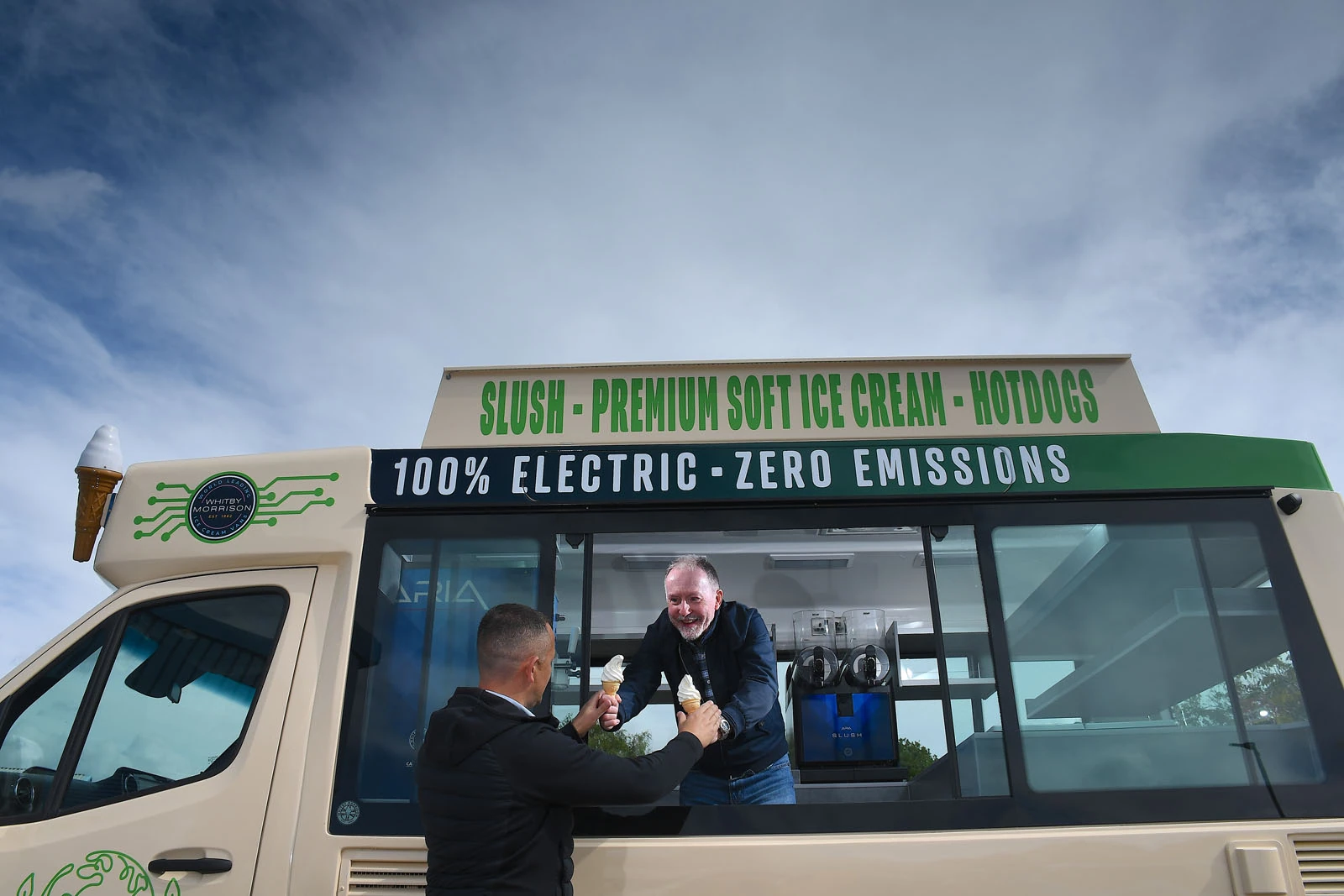
Whitby Morrison launches its first fully certified electric ice cream van

The Crewe converter, which builds around 80 vans a year mostly on Mercedes Sprinter chassis cabs, says the electric model marks a turning point for the firm.

Whitby Morrison has launched its first fully certified electric ice cream van, the Crewe-based converter's operations director Ed Whitby has confirmed. The vehicle was parked on the company's forecourt during Autocar's factory visit, described by Whitby as a real turning point for the family business.

A family firm moving with the times

Whitby Morrison was founded in 1962 by engineer Bryan Whitby, who developed a system that powered an ice cream van's soft-serve machinery directly from the vehicle's drive system. The company remains a family business based in Crewe, and Ed Whitby, the founder's grandson, now serves as operations director.

Around 80 new ice cream van conversions leave the factory each year, most of them based on Mercedes Sprinter chassis cabs and destined for UK operators. Each build takes roughly eight weeks, with an average lead time to delivery of 12 months.

Certification and the electric conversion

The electric van is described as fully certified, but the sources do not name the body that certifies it, nor do they specify which chassis the electric conversion is built on. The petrol and diesel conversions are overwhelmingly Mercedes Sprinter-based, but whether the electric model follows the same recipe has not been stated.

Battery size, range, charging times and price for the electric van have likewise not been announced in the source material. Readers wanting those figures will have to wait for Whitby Morrison to publish them.

Why an electric ice cream van matters

Ice cream vans have long been associated with idling diesel engines at pitches and seaside stops, so a certified electric conversion speaks directly to the emissions question that has gathered pace around vans and buses in Britain. The SMMT, the motor industry trade body, reported the week after Autocar's visit that more than £1 billion has been committed to Britain's van, truck and bus manufacturing industry and supply chains over the past five years, and highlighted that more than 30 models and conversions, from low-emission vehicles to electric and hydrogen options, are already being built or planned.

Whitby Morrison's electric van is a small-scale example of that shift, but it is a visible one: the vehicles operate in public spaces, often around children, where exhaust fumes are noticed. For operators, the appeal is not only environmental. A certified electric conversion gives buyers a route into low-emission operation without abandoning the familiar van format that the trade relies on.

What is still unknown

Whitby Morrison has not said how many electric vans it expects to build, whether the electric model will sit alongside or replace the Sprinter-based conversions, or when deliveries begin beyond the launch being described as taking place this year. Pricing, battery capacity, range and charging details remain unannounced.
Open this article ↗
Electric / TDCN ORIGINAL

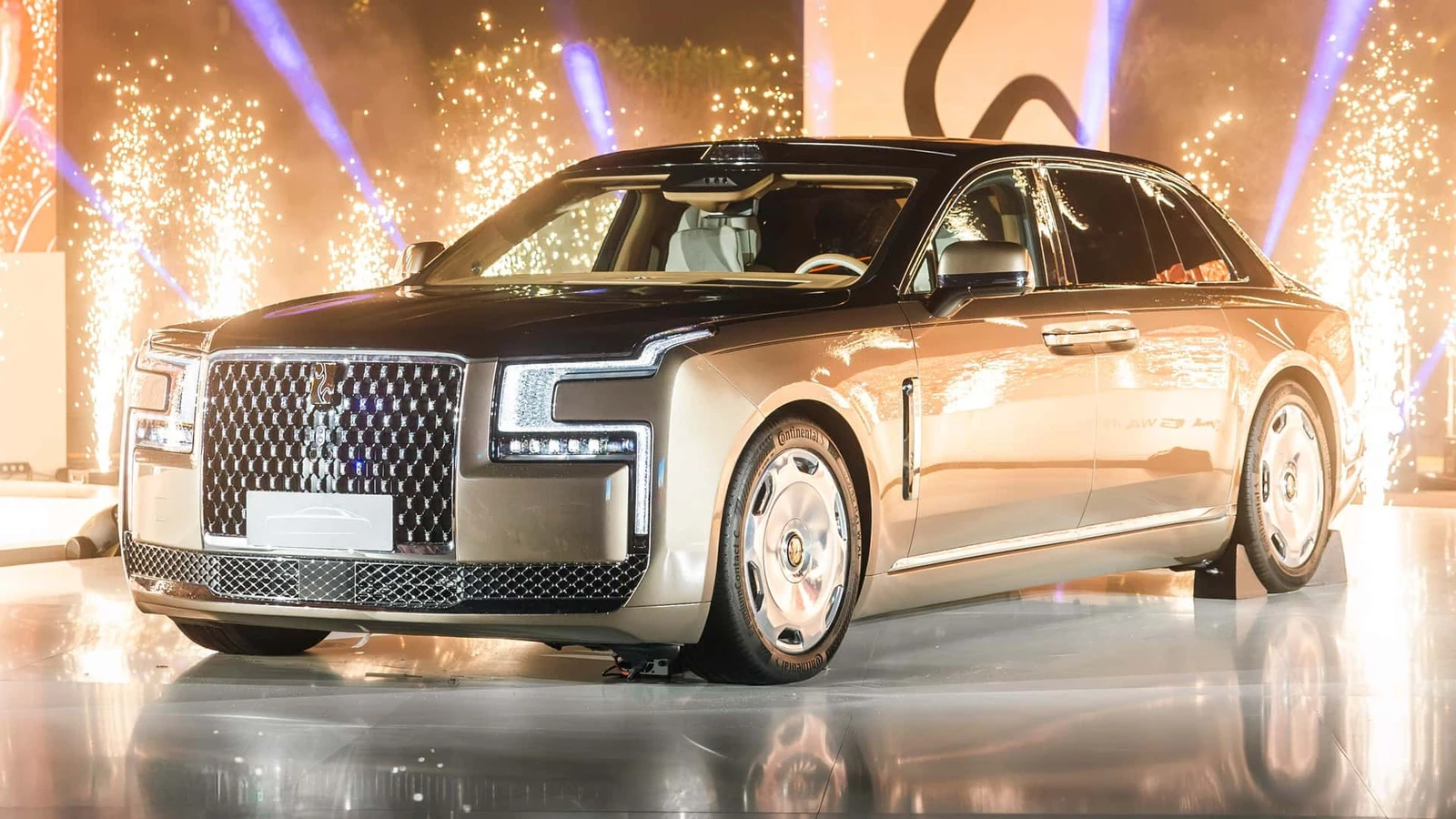
BYD's Yangwang Altior luxury EV debuts in Abu Dhabi with quad motors and 1,000 km CLTC claim

The 2027 flagship sedan packs two refrigerators, 39 speakers and jade inlays, with Chinese pricing from 2,080,000 yuan and power figures still under wraps.

Image: Motor1

BYD has unveiled the Yangwang Altior, an electric flagship sedan the Chinese manufacturer is pitching at the top of the luxury market, at an event in Abu Dhabi. The car is a 2027 model and is priced from 2,080,000 yuan in China, roughly $311,000 at current exchange rates.

The Altior was developed over three years and takes styling inspiration from the ancient Chinese ding, a ceremonial bronze vessel. At 5,600 mm long, 2,030 mm wide and 1,590 mm tall on a 3,500 mm wheelbase, it is slightly longer than a standard-wheelbase Rolls-Royce Phantom.

Four motors, but no power figure yet

The Altior uses four independently controlled electric motors that can adjust torque at each wheel more than 100 times per second. BYD has not published power or torque outputs, so the Altior's output has not been announced. With a quad-motor layout, a figure above 1,000 horsepower would not be a surprise.

The car also offers tank turns and an emergency flotation function intended to help the driver escape if the vehicle ends up in water, plus a fully active suspension that reads the road ahead by camera and adjusts in real time.

Range claim rests on China's CLTC cycle

BYD claims more than 1,000 km (621 miles) of range, but that figure is measured on China's CLTC cycle, which is more lenient than WLTP or EPA testing. Equivalent WLTP and EPA figures would be considerably lower, and BYD has not published them.

That matters for buyers outside China: until WLTP or EPA numbers appear, the 1,000 km claim cannot be lined up against electric cars rated on those cycles.

Jade, silk and 39 speakers inside

The cabin uses yellow Hetian jade for air-vent detailing, upholstery combining traditional Suzhou embroidery with precision perforations, full-grain semi-aniline leather, pure-wool floor mats and natural wood trim. BYD spread 48 decorative pieces across 11 locations and went through more than 30 design iterations to tune how they reflect light. Engineers even tapped the metal switches with small hammers to compare their sound and feel.

It is a four-seat layout, with rear passengers getting 354 mm of knee room and 1,209 mm of legroom, aviation-style zero-gravity seats with mechanical massage systems using four ball-shaped massage heads, and a relaxation mode that reclines the seats, raises leg rests, closes sun blinds and softens ambient lighting. A 39-speaker sound system has tweeters that rotate and rise when the car starts, a powered 21.4-inch overhead screen handles entertainment and video calls, and two refrigerators are fitted, the rear unit holding 5.5 litres and able to cool or warm its contents. The luggage compartment measures 532 litres.

Outside, twelve lighting elements rotate and illuminate in sequence as the owner approaches, the doors open up to 80 degrees at the front and 90 degrees at the rear, bespoke umbrellas are stowed in the doors, and the 21-inch wheels use a polished disc design. A coachline runs 4.8 metres along the body.

China first, everywhere else unknown

Performance figures and availability outside China remain unknown. The Altior's launch shows BYD's Yangwang sub-brand is not content competing with mainstream luxury brands and wants to sit alongside Rolls-Royce and Bentley. The sub-brand had a busy week: it also set a production car speed record of 312 mph.

The interior's all-screen dashboard is the one note of caution. Screens of that size tend to date quickly, and an analog instrument cluster with a smaller display might have aged better, though jumbo screens remain the fashion in China.

Open this article ↗

Keep scrolling to read the next story.

Older articles →