INDEPENDENT AUTOMOTIVE NEWSGLOBAL PERSPECTIVE / AUSTRALIAN EDITION
TDCNTHE DAILY
CAR NEWS.

The road ahead.
Every day.

RSS ↗
Latest/Industry

457 original articles

Industry / TDCN ORIGINAL

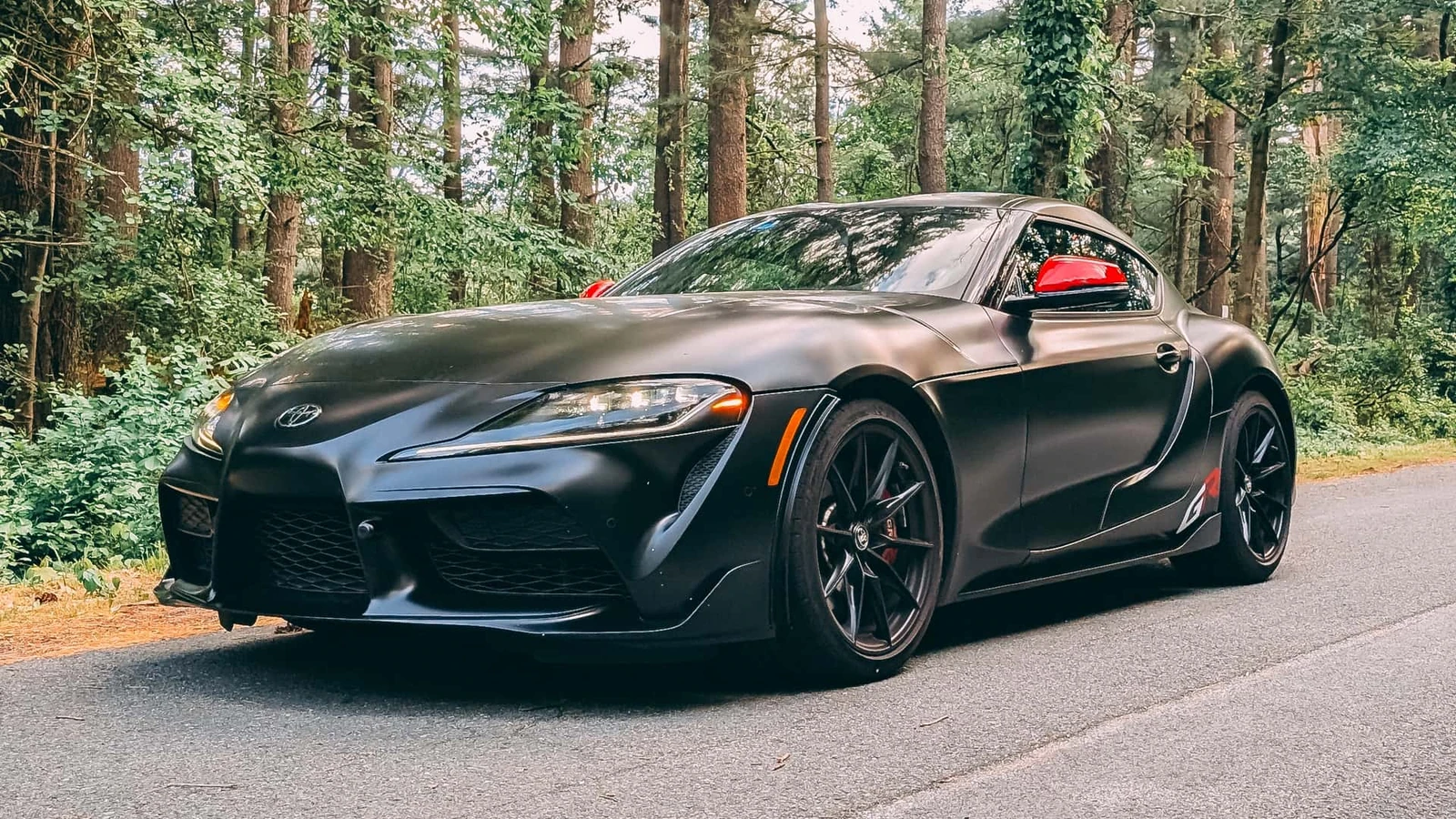
Toyota Supra and BMW Z4 sold out in the US as production ends

Toyota says the Supra nameplate will return but has given no timeline or powertrain details, while BMW has said nothing about a new Z4.

Image: Motor1

New Toyota Supra and BMW Z4 stock is gone across the United States, with no remaining inventory for buyers who left it until the end of the run. Production of the two mechanically related sports cars ended in March at Magna Steyr's plant in Graz, Austria, the contract manufacturer that built both.

The pair shared a platform, engines and much of their engineering, but were positioned very differently: the Supra was a coupe only, while the Z4 was a soft-top roadster. Depending on the market, both rear-wheel-drive two-seaters came with four- or six-cylinder engines and a choice of six-speed manual or eight-speed automatic gearboxes.

Slow sales preceded the shutdown

Neither car was a volume seller. Toyota delivered 2,953 Supras in the US in 2025 and BMW moved 2,113 Z4s over the same period. Both companies had already decided to discontinue the models, and that weak demand suggests the decision was not taken reluctantly.

The upside for buyers is that the two-door, combustion-engined sports car field is thinning fast. Porsche has changed its plans and will not bring back the 718 Boxster and Cayman with petrol engines, which leaves the Nissan Z and the Mazda MX5 among the remaining affordable options, with a new MX5 generation due in the coming years.

Toyota keeps the Supra name alive

Toyota has made clear it remains committed to the Supra nameplate, so the current generation is not the end of the road. The company has not announced a timeline or technical details for a successor, and it has not said when the next Supra will arrive or what will power it.

Its public statements suggest another generation is on the table, and it could depart from the BMW-derived approach: the next Supra may use a Toyota-developed powertrain rather than BMW engineering. A new model would slot naturally into Toyota's expanding GR performance sub-brand, alongside the GR Yaris, GR Corolla and GR86.

Toyota has also been signalling a return for the mid-engined MR2, and it recently confirmed the Celica is coming back in WRC. If those projects reach production in road-legal form, Toyota would have one of the more appealing sports car line-ups on sale.

No replacement Z4 in sight

BMW has said nothing about developing a Z4 replacement and has stayed tight-lipped about another roadster, with no indication a new Z model is in the pipeline. An i4 Convertible is in the works, but its four seats, larger footprint and all-electric powertrain mean it will not be a direct substitute.

For now the 4 Series Convertible is the closest open-top alternative BMW offers, a considerably different proposition that is expected to stay on sale until the end of the decade with M Performance and full M versions using inline-six engines. The 2 Series and M2 are closer in size to the Z4 but come strictly as coupes.

The result is a lopsided picture: Toyota has publicly kept the door open for its sports car, while BMW has left the roadster's future unspoken. For anyone shopping in this segment now, the practical choice is remaining stock elsewhere or waiting on a Supra that has been promised but not yet specified.
Open this article ↗
Electric / TDCN ORIGINAL

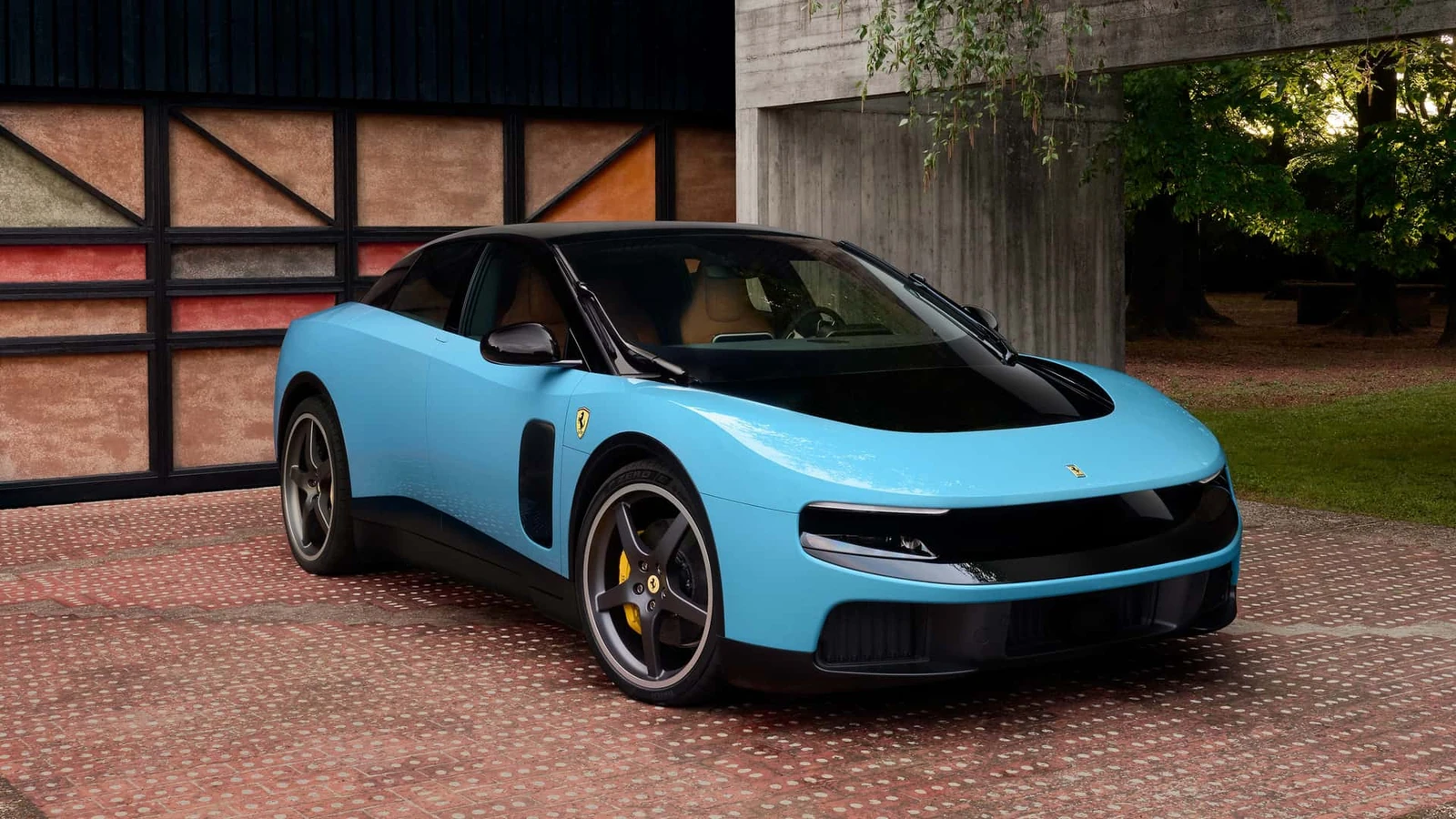
Ferrari Luce electric car is sold out through 2027, CEO says

Ferrari's first EV has no buyers left to find for next year's build, and the CEO declined to give a 2027 sales target.

Image: Motor1

Ferrari's first electric model, the Luce, is already allocated through 2027, before customer deliveries have begun. CEO Benedetto Vigna told analysts on the company's third-quarter earnings call that every car Ferrari plans to sell next year is spoken for.

"All the Luce that we plan to sell next year basically are all allocated. If someone comes, he has to wait one year to get the cars," Vigna said, indicating demand is running ahead of planned supply. The first few cars are due on the road before the end of this year, with the customer rollout gathering pace in 2027.

No 2027 volume figure has been announced

Ferrari has not disclosed how many Luce units it intends to build or sell in 2027, and Vigna declined to give a specific sales target. So the size of that sold-out allocation is unknown from the outside: what is confirmed is that the planned 2027 output is fully taken, not how large it is.

The wider order book is just as tight. Ferrari's entire production run planned for 2027 is already booked, with some customers facing delivery in 2028. That is the context in which the Luce's allocation status sits: the brand's output for next year is committed across its range, not only on the electric car.

A new factory sets the pace

Capacity is a factor in how quickly the Luce reaches buyers. The car is assembled at a newly built facility dedicated to electric motors, battery packs and other key components as well as the vehicle itself, unlike Ferrari's other models. Bringing an entirely new plant up to speed takes time, so Ferrari will ramp production gradually rather than building the Luce at full capacity from the start.

That gradual ramp is a plausible part of why the 2027 allocation closed so early, and it also means the sold-out status reflects a supply curve still climbing rather than a fixed ceiling on how many cars Ferrari could eventually build. For a buyer, the practical consequence is a queue measured in months: Vigna's own framing was a wait of about a year for anyone ordering now.

Private viewings before test drives

Ferrari has not relied on the unveiling alone to generate interest. It has organised more than 50 private, local and premiere presentations across North America, Europe, the Middle East and Asia-Pacific, plus five public events. Vigna said seeing the car in person has helped potential customers understand what makes it different.

The next milestone is scheduled for the first quarter of 2027, when Ferrari plans international media test drives, followed by driving experiences for prospective clients. Vigna expects time behind the wheel could further shift perceptions of the electric model, particularly in markets where dealers still have room to build interest.

Ferrari says the Luce has drawn a balanced mix of customers and regions, with no dominant demographic or geographic pattern, though it has not said how many buyers are existing Ferrari owners and how many are new to the brand.

Pricing and the rest of the range

The Luce starts at $560,800 in the United States, $122,190 more than the V12-powered Purosangue SUV. Ferrari also intends to launch two new models before the end of this year, with one likely to be a 296 Challenge Stradale or something along those lines.

The online reaction to the Luce's design has been loud, but order books are the measure that matters commercially: a car that is fully allocated for its first full production year has found its buyers regardless of the comment sections. The open question is whether that early demand holds once deliveries begin and the car is judged on the road rather than in photographs.

Open this article ↗

Keep scrolling to read the next story.

Older articles →