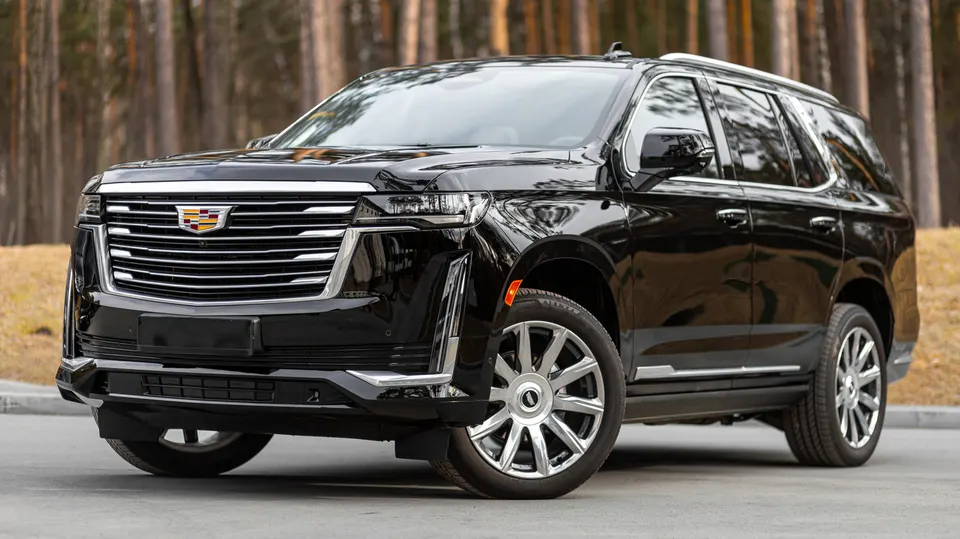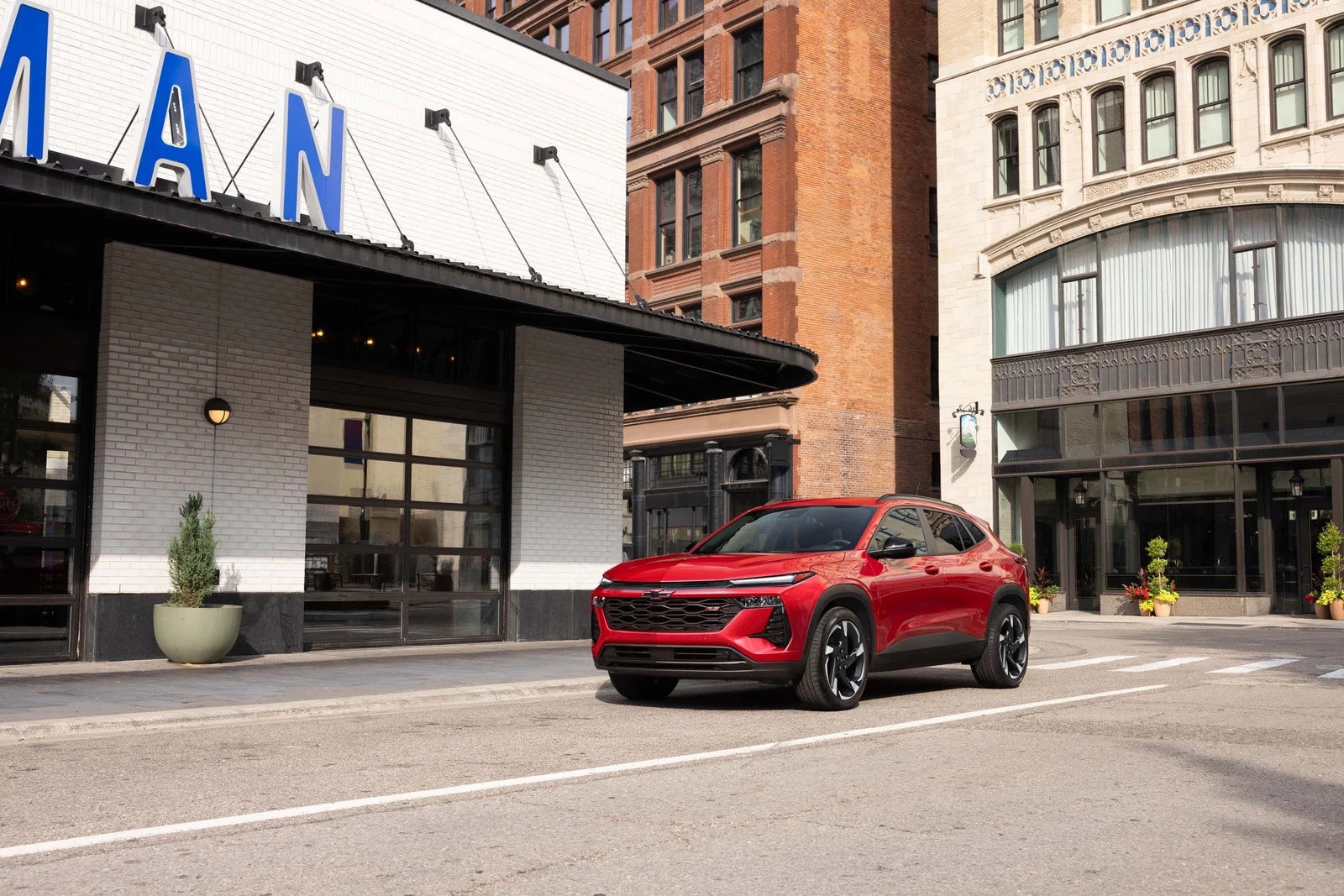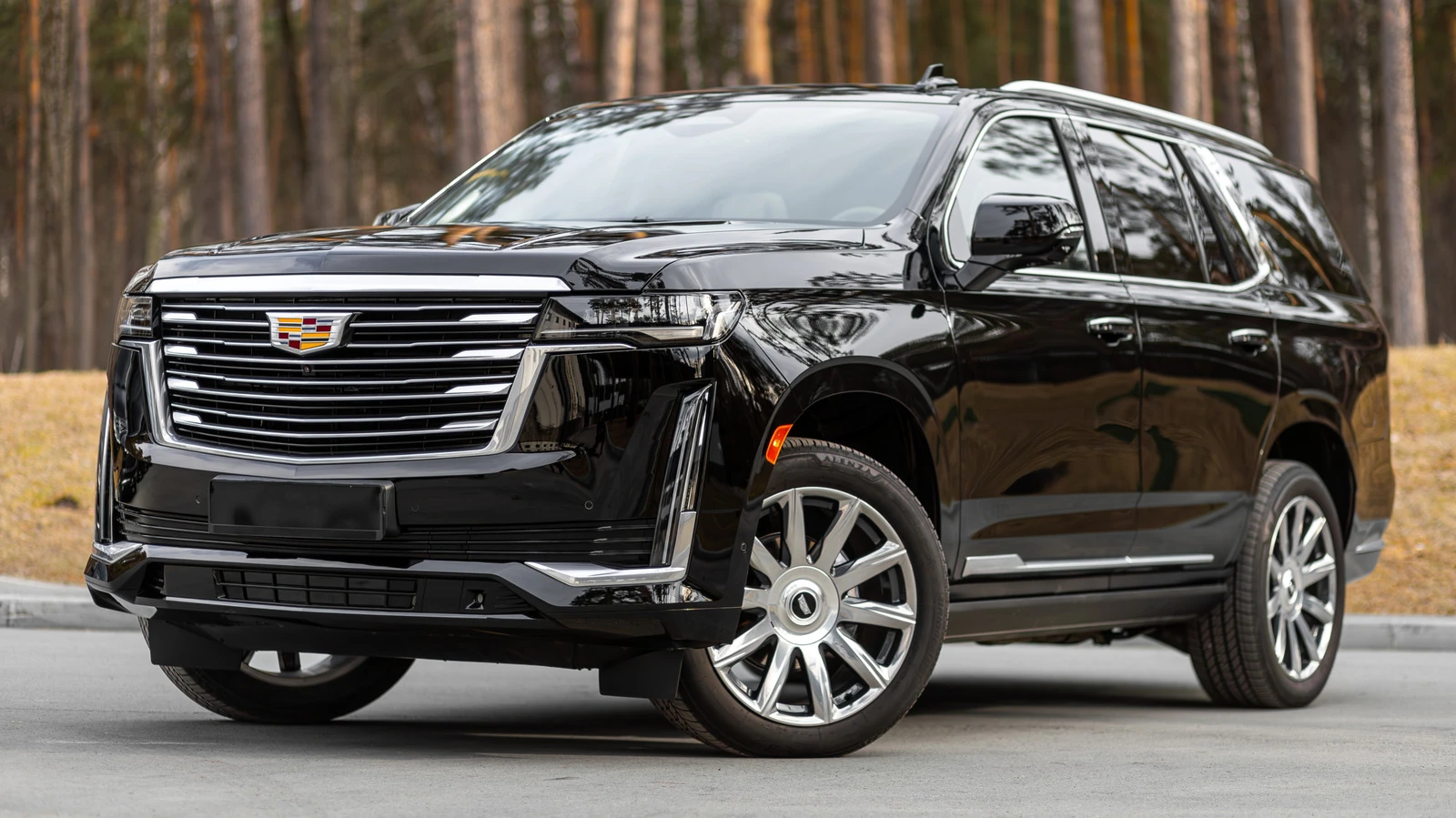
General Motors has been granted a patent for a stability system that predicts when a car will pull off course and corrects it by changing the vehicle's ride height, camber and steering before the driver feels anything. The patent, US 12,780,181 B1, was published on November 3.
The filing targets what GM calls traction steer: the unwanted pull or turn that happens when the tyres on one side of a car have more grip than those on the other, most often under acceleration or braking. Rather than reacting after the car has already begun to move sideways, GM's system is designed to see the problem coming.
How the system is meant to spot trouble
The patent describes a car using a forward-facing camera to read the shape of the road ahead, then checking that against digital mapping data to judge how the surface could affect stability. An inertial measurement unit and a steering rack force sensor would be used to verify those predictions, with the system recalculating continuously in real time.
If the system decides the car is about to lose stability, it starts making corrections before a traction steer event occurs. GM's approach goes beyond steering and braking inputs: it actively shifts weight between the corners of the car to load up whichever tyres have the most grip. The patent gives the example of raising the left side of the vehicle to transfer load onto the right-side tyres, and raising the front suspension to push load toward the rear axle. Depending on conditions, each corner could be adjusted individually.
Camber and steer-by-wire do the rest
The camber element is the most unusual part of the filing. Camber is the angle at which a tyre leans when viewed from the front or rear, and most manufacturers specify some of it during an alignment because it helps traction in turns. Carscoops notes that no production car on sale today can change camber on the fly; a system that could would let a vehicle use camber for maximum grip whether turning or driving straight.
Steer-by-wire, meanwhile, has existed for decades but only reached a production vehicle on American roads with the Tesla Cybertruck. Its appeal here is a variable ratio, so that turning the wheel 30 degrees at 80 mph moves the physical wheels differently than it would at 15 mph. GM could use that to make small steering adjustments at the front or rear wheels to counter forces that would otherwise pull the car off course.
The hard part may be making all of this feel natural. A car that quietly lifts a corner and adds camber mid-corner is doing something drivers have never felt from a production vehicle, and the patent's promise depends on those corrections staying invisible rather than arriving as a lurch. Get it right and the payoff is broad: performance cars would gain grip in corners and on straights, while ordinary vehicles could see longer tyre life because tyres are no longer chewed up by fixed camber settings.
No production plan yet
GM has not named a model or confirmed any production plan for the technology. As Carscoops puts it, the system could end up on a shelf and never reach showrooms, or it could become the next big step in traction control. A granted patent protects an idea; it does not commit a manufacturer to building it, so the practical question for buyers is which GM platform, and which model year, would carry the hardware first. For now, that has not been announced.