INDEPENDENT AUTOMOTIVE NEWSGLOBAL PERSPECTIVE / AUSTRALIAN EDITION
TDCNTHE DAILY
CAR NEWS.

The road ahead.
Every day.

RSS ↗
Latest/New cars

457 original articles

New cars / TDCN ORIGINAL

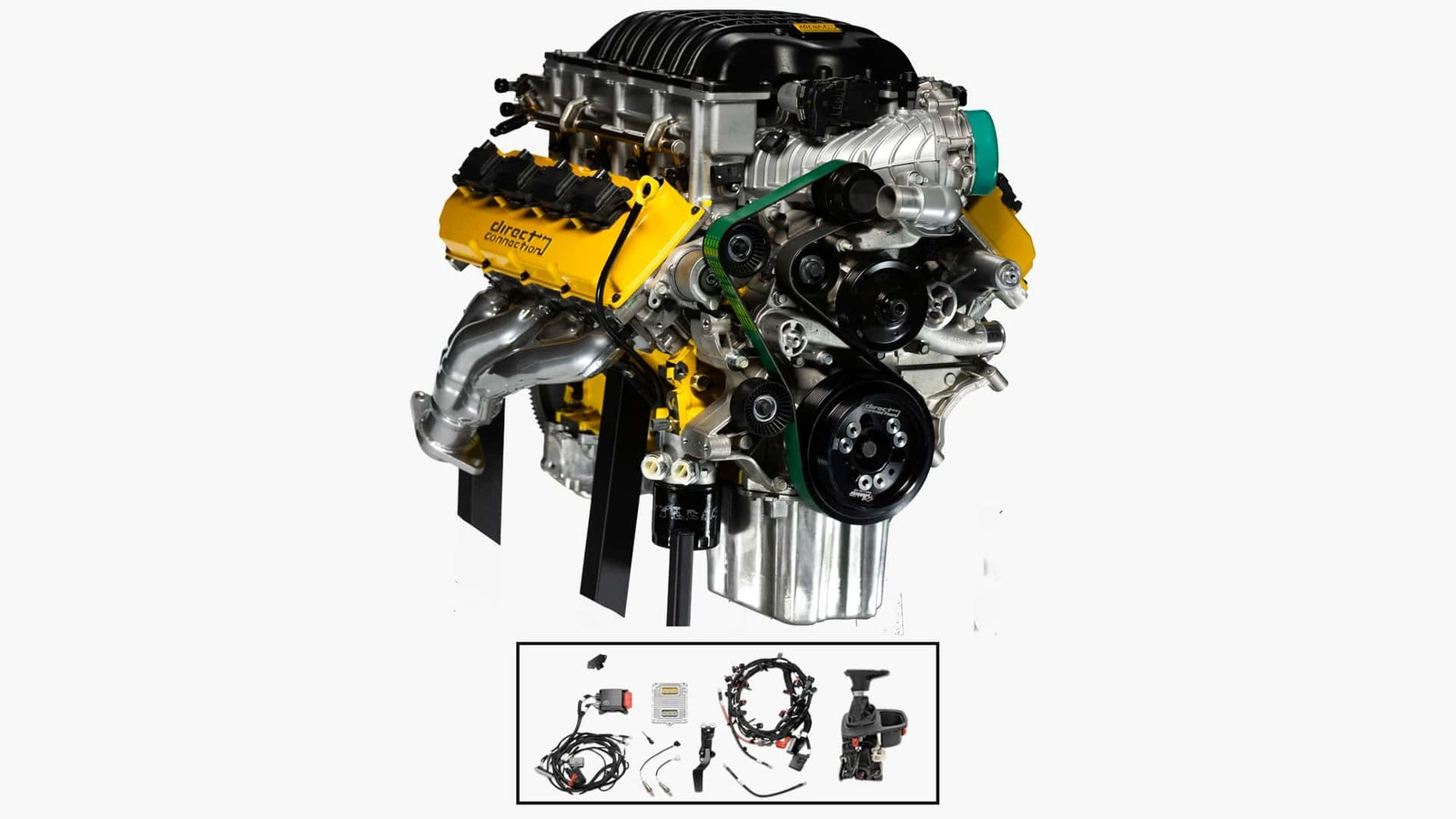
Dodge's Hellephant C170 crate engine hits 1,025 hp on E85

Stellantis' Direct Connection range now spans six turnkey Hemi V8 packages from 385 hp to four figures, each with a matched controller and a 3-year warranty.

Image: Motor1

Dodge's Direct Connection parts arm has unveiled a 1,025 hp crate engine, the Hellephant C170, as the head of a six-package Hemi V8 lineup shown at SEMA 2026. The supercharged 6.2-litre unit also makes 945 lb-ft of torque, but only on an E85 blend rather than pump gasoline.

All six packages are sold as turnkey swaps with matched electronics, and Direct Connection says they will be available to order in early 2027.

What the Hellephant C170 packs

Reaching the four-figure rating depends on flex-fuel. The C170 uses a 3.0-litre IHI supercharger with a 3.02-inch pulley, a 105 mm throttle body, an ethanol sensor, an upgraded fuel rail and higher-flow injectors, and the ethanol sensor lets the controller adjust timing and fuelling automatically as the blend ratio changes.

That fuel requirement shapes the build, not just the spec sheet. A buyer without reliable E85 access is effectively paying for output they cannot use, which makes the C170 a harder sell for a road car than for a weekend toy or a drag build.

For comparison, the earlier Hellephant A30 crate engine uses a 7.0-litre 426 Hemi and is rated at 1,000 hp without the flex-fuel tune. The 25 hp gap between the two peaks understates the difference: the newer 6.2-litre package gets there with a smaller displacement and hardware optimised around ethanol.

The rest of the range, from 385 hp up

The entry point is the 345 Hemi, a 5.7-litre unit offered in Street Strip and Super Stock trim, both rated at 385 hp and 417 lb-ft of torque. Street Strip uses a remanufactured block, while Super Stock gets a brand-new block and high-RPM valve springs borrowed from Redeye-spec engines.

Next is the 392, a 6.4-litre Gen III Hemi in the same two trims, rated at 485 hp and 475 lb-ft. It shares displacement and general output with the current Durango R/T, though the crate versions are packaged as performance swap engines rather than direct service parts.

Above that sits the Hellcrate Redeye, a supercharged 6.2-litre producing up to 885 hp and 787 lb-ft in High Octane Mode. That mode needs higher-octane fuel to unlock the full rating, a detail that matters to anyone budgeting a build around premium pump gas versus a flex-fuel tune.

What comes in the box, and the warranty

Each package ships with a wiring harness, a power distribution centre, a flashed powertrain control module and oxygen sensors, plus an accelerator pedal and starter relay. Automatic versions add a shifter, a transmission control module and a brake switch.

Builders can specify a TorqueFlite 8HP90 automatic or a TREMEC manual without sourcing a separate tuning solution. That pre-matched electronics set is the practical appeal here: the usual swap headache is making an engine talk to a gearbox and a pedal, and Direct Connection has removed that step from the order form.

Every package carries a 3-year/100,000-mile powertrain limited warranty, an unusual commitment for engines headed into swaps, restorations and race builds rather than factory installations.

The warranty is the sharper edge against the aftermarket. Independent shops offer crate V8s beyond 1,000 hp, but a factory-backed package sold as one validated unit is a different proposition for a buyer who wants a single supplier to stand behind the whole assembly.

Timing and what is still open

Direct Connection says the six packages will be available to order in early 2027, giving workshops time to plan installs around the rollout. Pricing has not been announced, and the sources do not state which markets beyond the US will receive the range.
Open this article ↗
Electric / TDCN ORIGINAL

Mercedes-AMG's electric GT gets console dials that tune handling and traction

The AMG Race Engineer system lets GT55 and GT63 drivers adjust cornering agility, accelerator response and nine traction levels from the centre console.

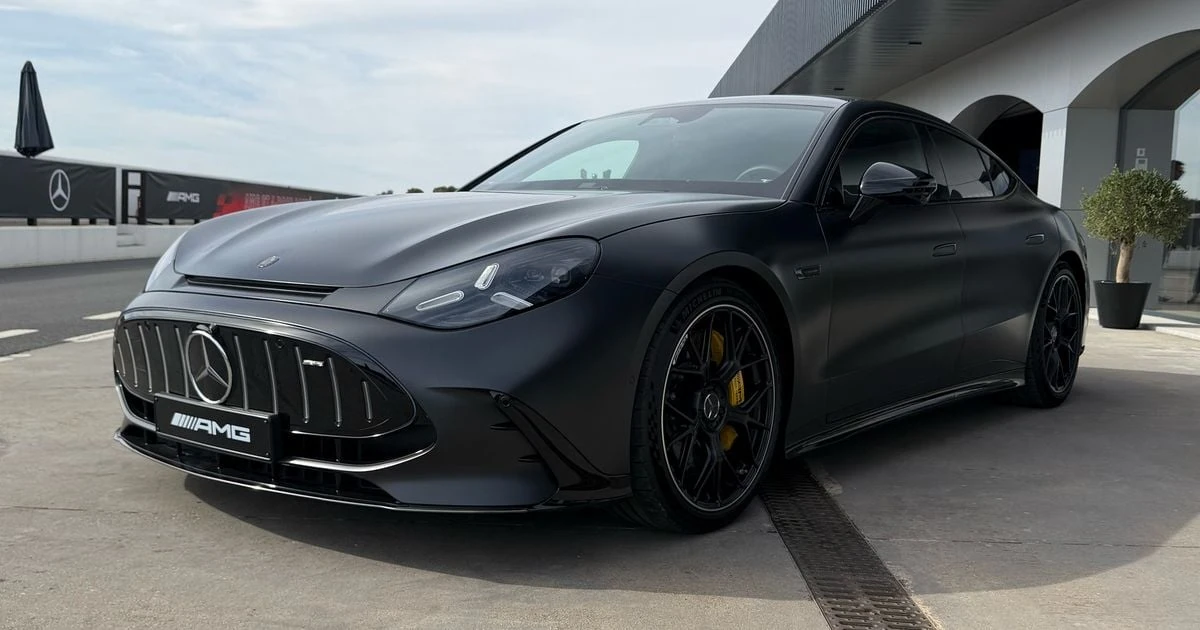
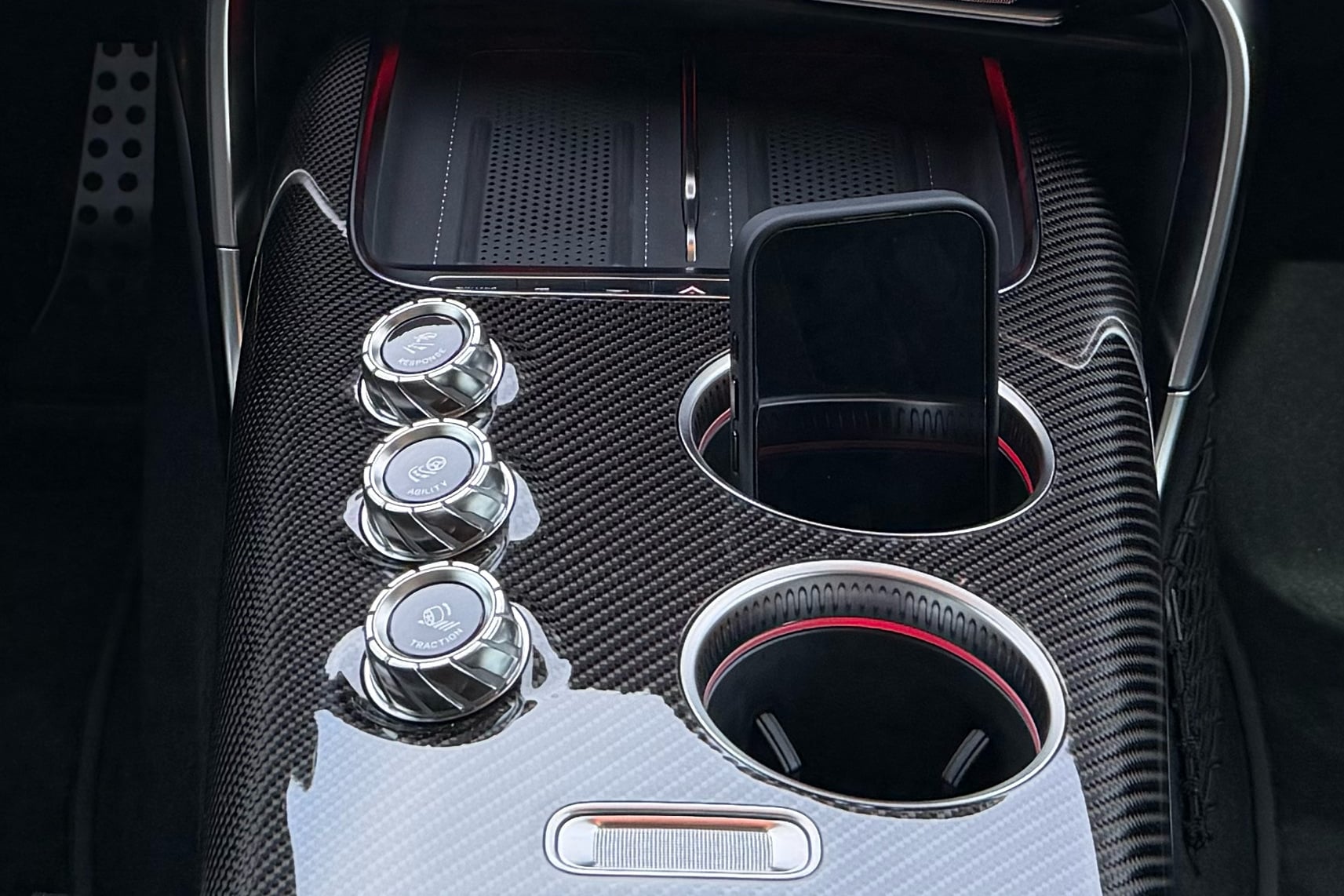
Mercedes-AMG's new electric GT 4-Door Coupe will let drivers retune how the car turns into corners, responds to the accelerator and manages wheelspin, using three rotary dials on the centre console. The AMG Race Engineer system is offered on the GT55 and GT63, the two electric variants of the four-door.

The setup pairs a central vehicle-control computer with dials labelled Response Control, Agility Control and Traction Control. Mercedes-AMG product manager Oliver Ganzmann, speaking at the car's launch in Spain, described the agility function as changing the sensation of the car's wheelbase.

How the three dials work

Turning up agility makes the car feel as though it has a shorter wheelbase and turns in more eagerly, Ganzmann said, while dialling it back gives a more stable feel closer to a longer-wheelbase car. The effect comes from adjusting torque distribution to change how the car rotates through a corner, with AMG saying drivers can pick behaviour from slight understeer through neutral handling to controlled oversteer.

Response Control changes how the motors react to accelerator inputs, and Traction Control offers nine levels of intervention. The individual agility and traction settings are available in Sport, Sport+ and Race modes with electronic stability control switched off, while accelerator-response adjustment stays available with stability control on.

The three console dials that tune handling and traction sit front and center in the AMG GT's carbon-trimmed tunnel.
The three console dials that tune handling and traction sit front and center in the AMG GT's carbon-trimmed tunnel., Image: CarExpert

The hardware underneath

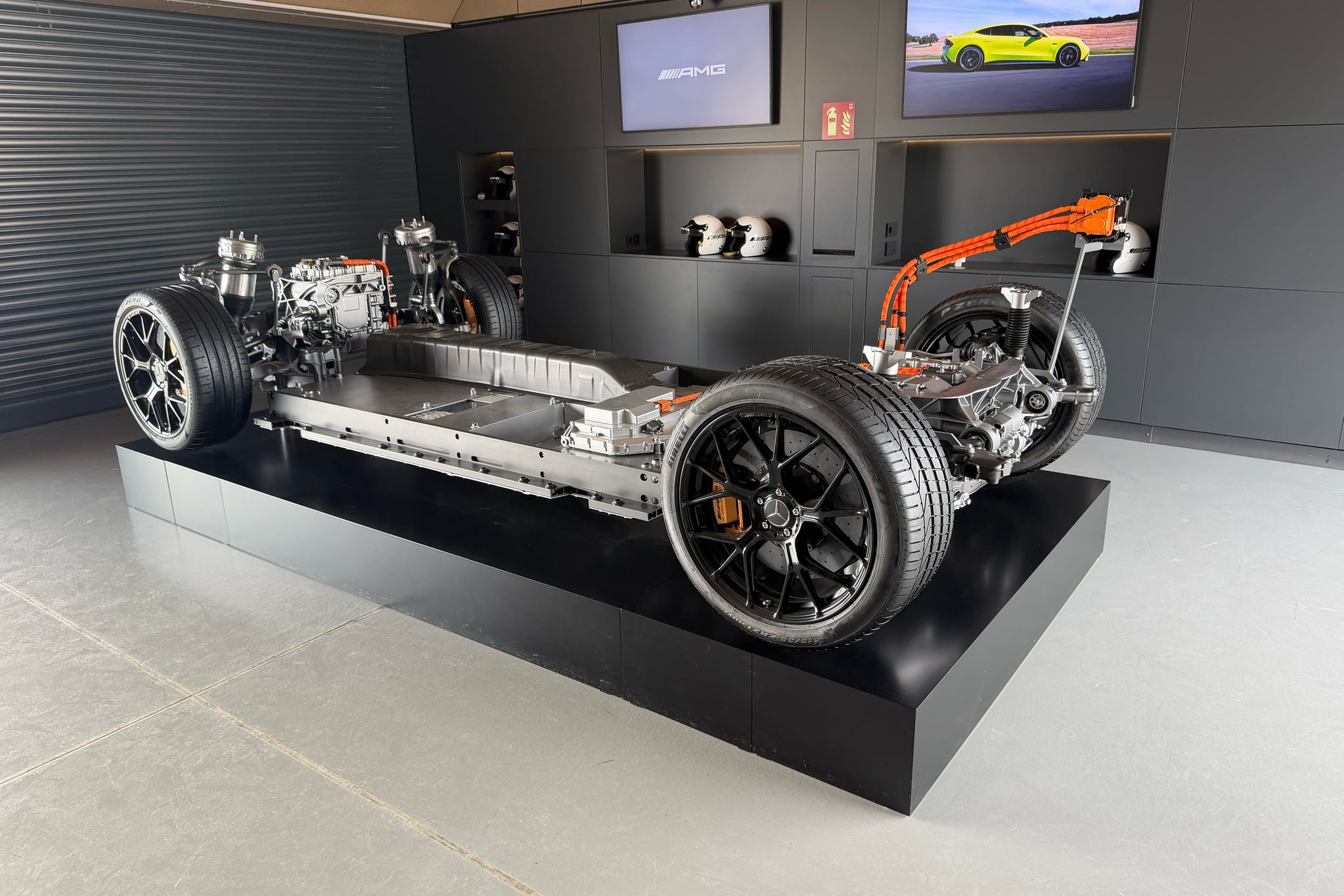
The GT63 has up to 860kW of power and 2000Nm of torque for the system to manage, while the GT55 is quoted at 600kW. Both use three electric motors, one at the front and two at the rear; the rear pair share a housing but run independently so torque can be split between the rear wheels.

René Szczepek, who oversees driving dynamics simulation and integration at Mercedes-AMG, said a stiff, stable base chassis is a prerequisite for adding that much torque vectoring and software control. The AMG Active Ride Control suspension uses hydraulically linked dampers instead of conventional anti-roll bars, and three-chamber air springs allow the spring rate to change while the hydraulic system controls body roll.

Stripped of bodywork, the GT's electric platform and rear-drive hardware are laid bare.
Stripped of bodywork, the GT's electric platform and rear-drive hardware are laid bare., Image: CarExpert

What buyers still don't know

Mercedes-AMG has not announced pricing for the electric GT 4-Door Coupe in the material available, so what the GT55 and GT63 will cost remains unconfirmed. Range figures, battery capacity and charging details for the electric four-door have also not been stated.

Australian availability and local pricing have not been announced either, so buyers here will need to wait for a Mercedes-AMG statement before treating the car as confirmed for this market.

What is clear is the intent behind the dials. Plenty of fast electric cars already let drivers pick a traction level; letting them reshape cornering balance on the move is a rarer offer, and it puts the sort of adjustment usually reserved for a race engineer's laptop into the hands of the person in the driver's seat.

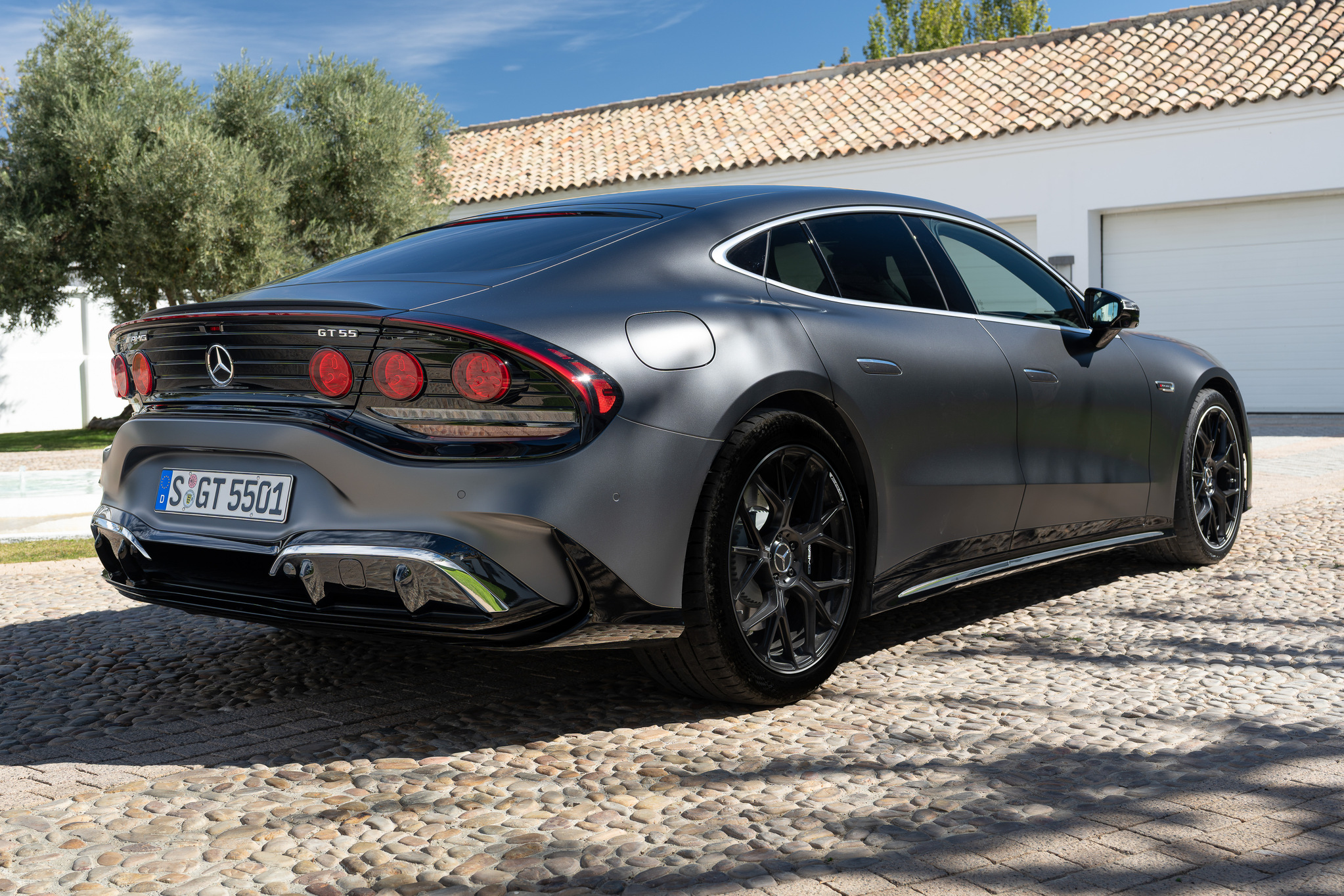
The AMG GT's fastback rear hints at the hardware beneath, but key specs remain under wraps.
The AMG GT's fastback rear hints at the hardware beneath, but key specs remain under wraps., Image: CarExpert
Open this article ↗

Keep scrolling to read the next story.

Older articles →