INDEPENDENT AUTOMOTIVE NEWSGLOBAL PERSPECTIVE / AUSTRALIAN EDITION
TDCNTHE DAILY
CAR NEWS.

The road ahead.
Every day.

RSS ↗
Latest/Safety

474 original articles

Safety / TDCN ORIGINAL

Chery recalls Omoda 5 in Australia over rear axle weld risk

The precautionary recall covers vehicles built between 11 January and 31 December 2023, but Chery has not yet said how many cars are affected.

Chery is recalling certain Omoda 5 small SUVs in Australia to check for a rear axle assembly that could crack or tear and, in extreme cases, separate from the vehicle. The precautionary recall applies to rear axle components manufactured for the Australian market between 11 January 2023 and 31 December 2023 inclusive.

What the fault is and how it will be fixed

In a statement, Chery Motor Australia said its parent company had identified a potential problem in an overseas market involving rear axle assemblies from a particular supplier within a set production range, where the weld may have insufficient strength and may crack or tear in certain circumstances. The company said that in extreme cases this could reduce the structural integrity of the rear axle and increase the risk of an accident.

Owners whose vehicles are included are being contacted directly and told to arrange an inspection at an authorised Chery dealer. If the rear axle assembly came from the relevant supplier and its serial number falls within the identified production range, it will be replaced free of charge as a precaution; if not, no replacement is needed.

Chery stressed that the recall is precautionary and that inclusion does not mean a fault has been found on an individual vehicle, adding that there have been no reported cases of the issue in Australia. The company apologised for any inconvenience and said it is working with its dealer network to resolve the matter as quickly and efficiently as possible.
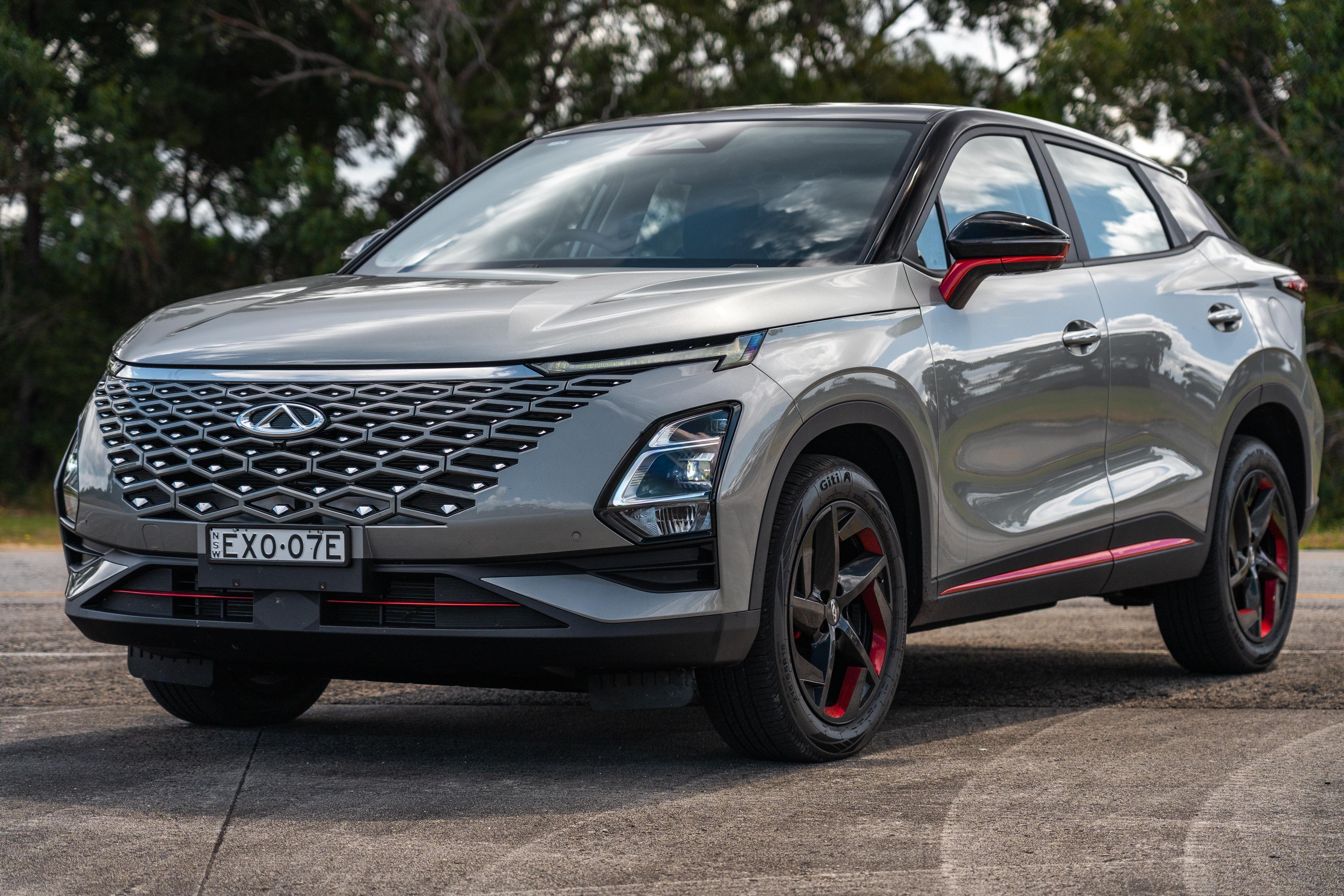
The Chery Omoda 5 at the centre of the Australian recall over a rear axle weld defect.
The Chery Omoda 5 at the centre of the Australian recall over a rear axle weld defect., Image: CarExpert

How many cars are involved

Chery Australia has not yet confirmed how many Australian vehicles are covered by the recall, and the recall is yet to appear on the federal government's Vehicle Recalls website. For scale, the official recall notice in China covers 53,882 vehicles across two model ranges, the Chery Tiggo 5x and a related model.

That Chinese figure is not a guide to the Australian total, since it counts vehicles sold in a different market across two model lines. Australian buyers will need to wait for Chery or the regulator to publish the local count.
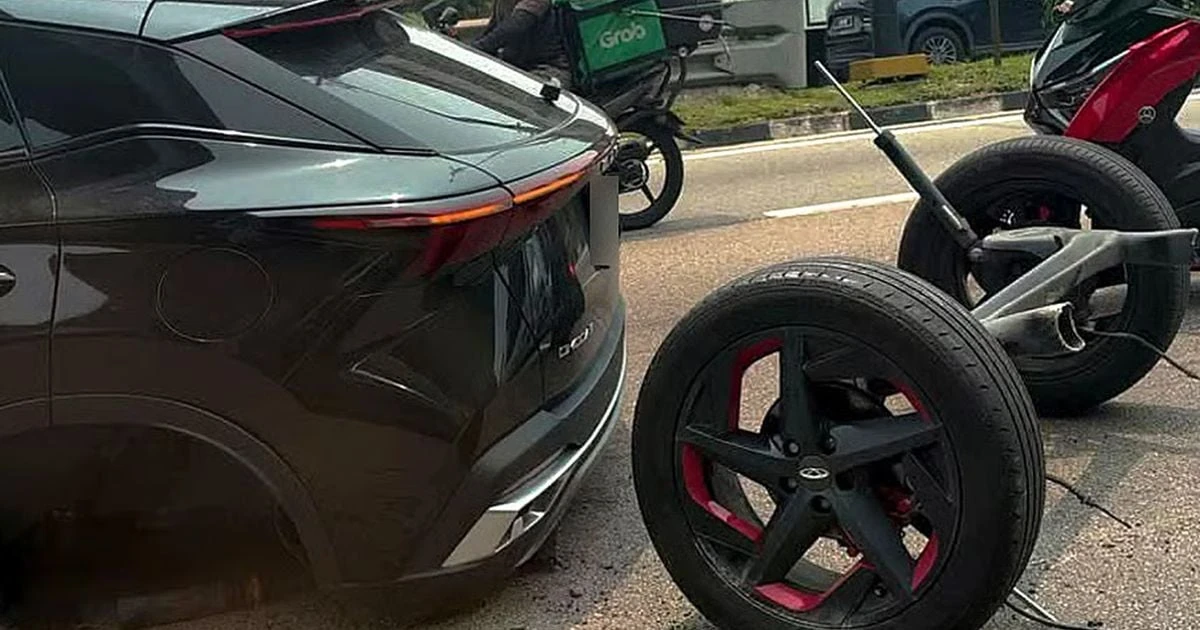
The Omoda 5's rear end, where the suspect axle welds are located.
The Omoda 5's rear end, where the suspect axle welds are located., Image: CarExpert

The Tiggo 4 is not part of the Australian recall

The Omoda 5 is now badged in Australia as the Chery C5. Chinese-market versions of the Omoda 5 and the related Chery Tiggo 4 small SUV were recalled recently to fix the same rear axle problem, which has also surfaced in Malaysia and Indonesia.

So far there is no local recall for the Tiggo 4, which is Chery Australia's top-selling model and currently Australia's equal-cheapest SUV alongside the Mahindra XUV 3XO. That split is the detail Tiggo 4 owners will watch most closely: the same fault has triggered action on the Omoda 5 in several markets, yet the brand's volume seller in Australia has not been called in.
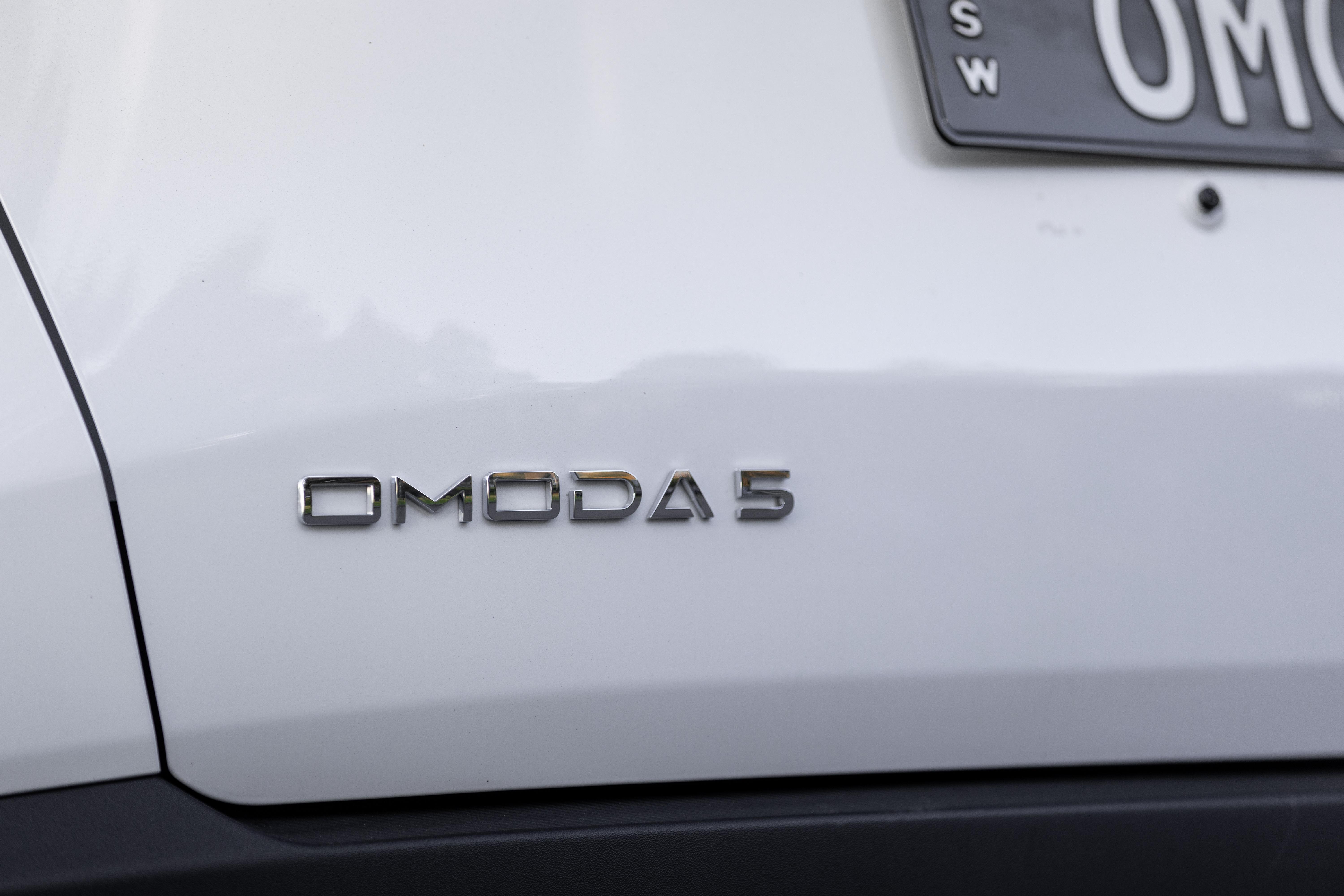
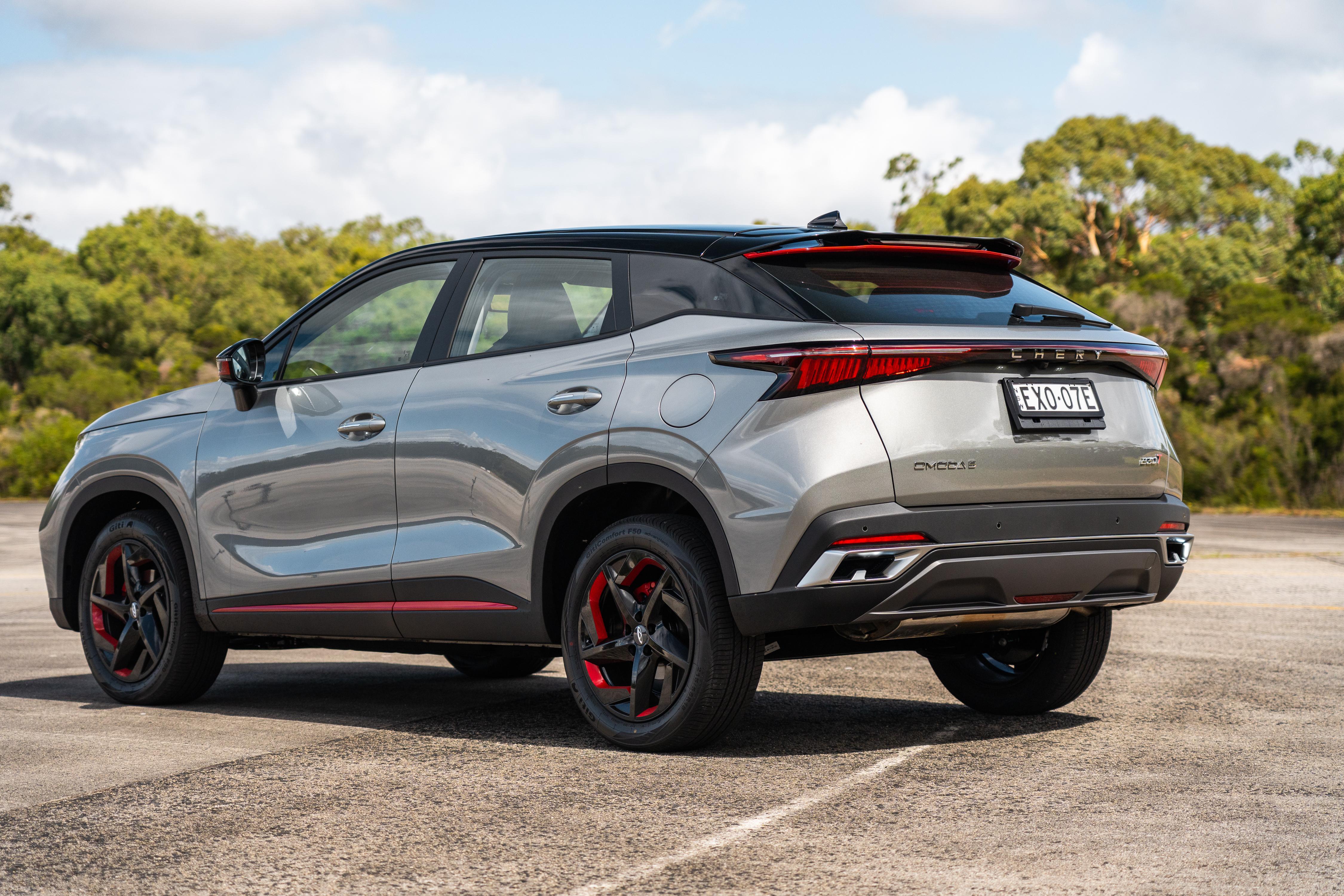
Badging confirms the affected model: the Chery Omoda 5.
Badging confirms the affected model: the Chery Omoda 5., Image: CarExpert

What owners should do

Affected Omoda 5 owners do not need to act until they are contacted, at which point the step is to book an inspection with an authorised Chery dealer. The replacement, where required, is free. Chery directs owners to the Australian Government's vehicle recall website for further information.
Open this article ↗
Australia / TDCN ORIGINAL

GWM Cannon Alpha output hit by seat parts shortage, Australian supply impact unclear

GWM Australia says it is still working out how the seat component shortage will affect local deliveries of the diesel and PHEV dual-cab ute.

Production of the GWM Cannon Alpha has been disrupted by a shortage of seat components, and GWM's Australian arm says it does not yet know what that means for local supply. A GWM Australia spokesperson told CarExpert the company had been advised of "a component shortage affecting the seats of the Cannon Alpha" and was working with its global production team to understand the impact on future supply and timing.

The shortage is understood to affect both the diesel and plug-in hybrid versions of the dual-cab ute. Which specific seat part is short has not been disclosed.

The part in question

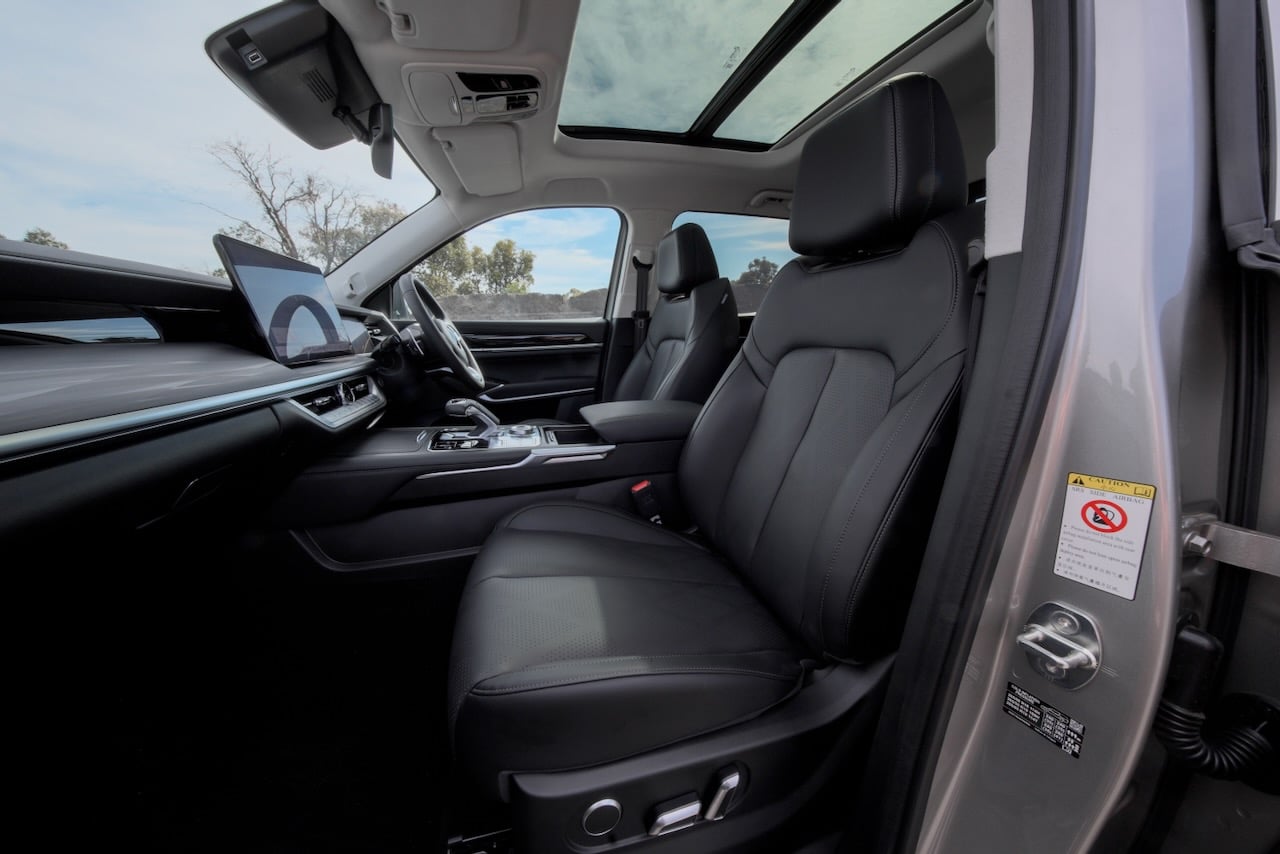
GWM has not named the seat component involved, so the exact cause of the interruption is not public. What is known is that the Cannon Alpha's front seats are not shared with any other GWM model sold in Australia, and even the related Tank 500 large SUV uses different front seats. That makes the Alpha's seat supply a single point of failure rather than something GWM can spread across several models.

Cannon Alpha's cabin: seat components are the bottleneck behind the output slowdown
Cannon Alpha's cabin: seat components are the bottleneck behind the output slowdown, Image: CarExpert

Dealer stock and a forecast from an accessory seller

GWM Australia says it still has Cannon Alpha stock on the ground locally, though it has not given an exact figure.

Forbidden Gearhouse, an Australian firm that sells accessories for GWM vehicles, said in a Facebook post that "production of the Cannon Alpha 3.0L [is] coming to a halt". The company claims current Australian stock may be all that is available until late March or early April 2027, with the possibility of a handful of utes arriving next month, but in single digits. Those figures are the accessory seller's assessment rather than a confirmed GWM position.

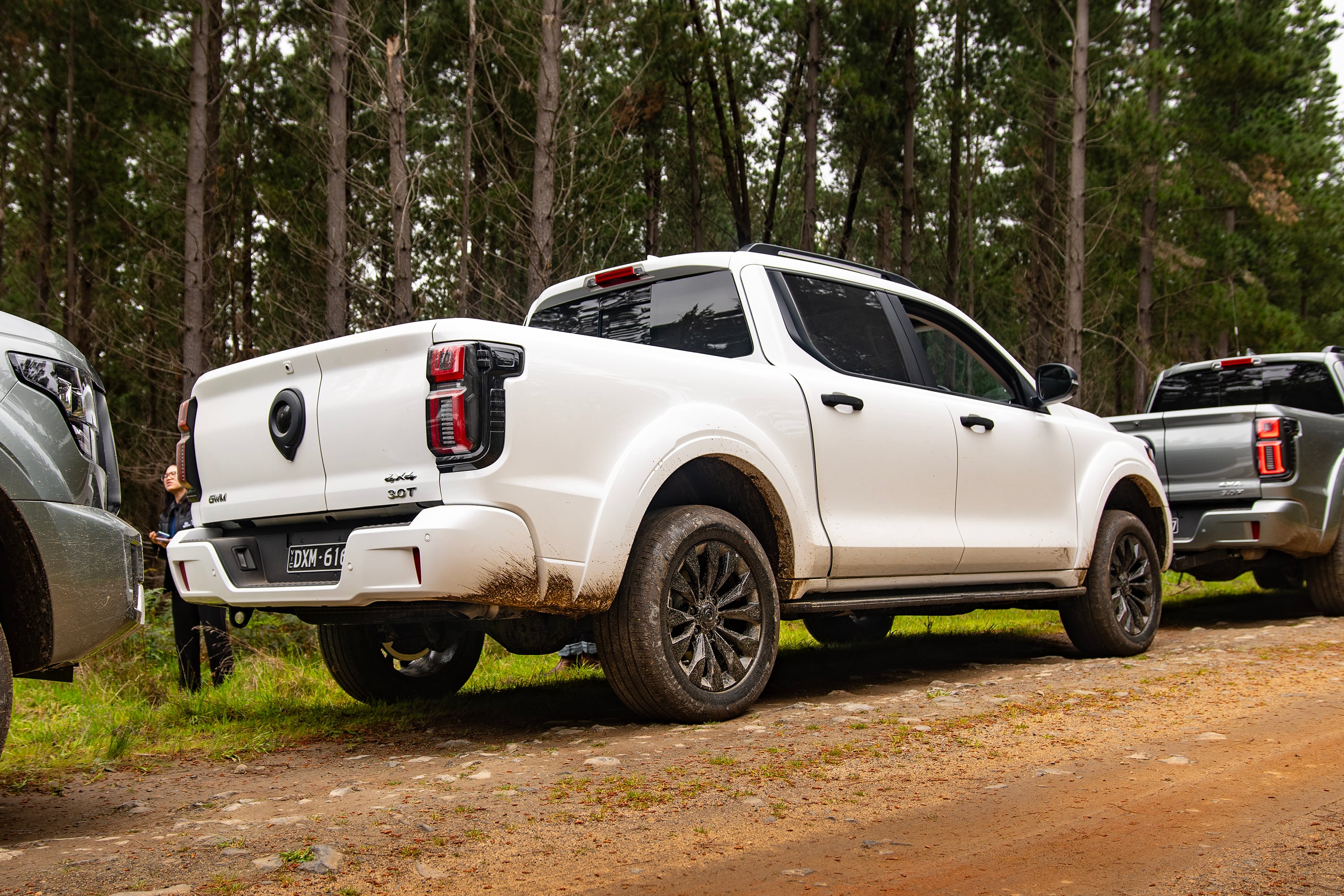
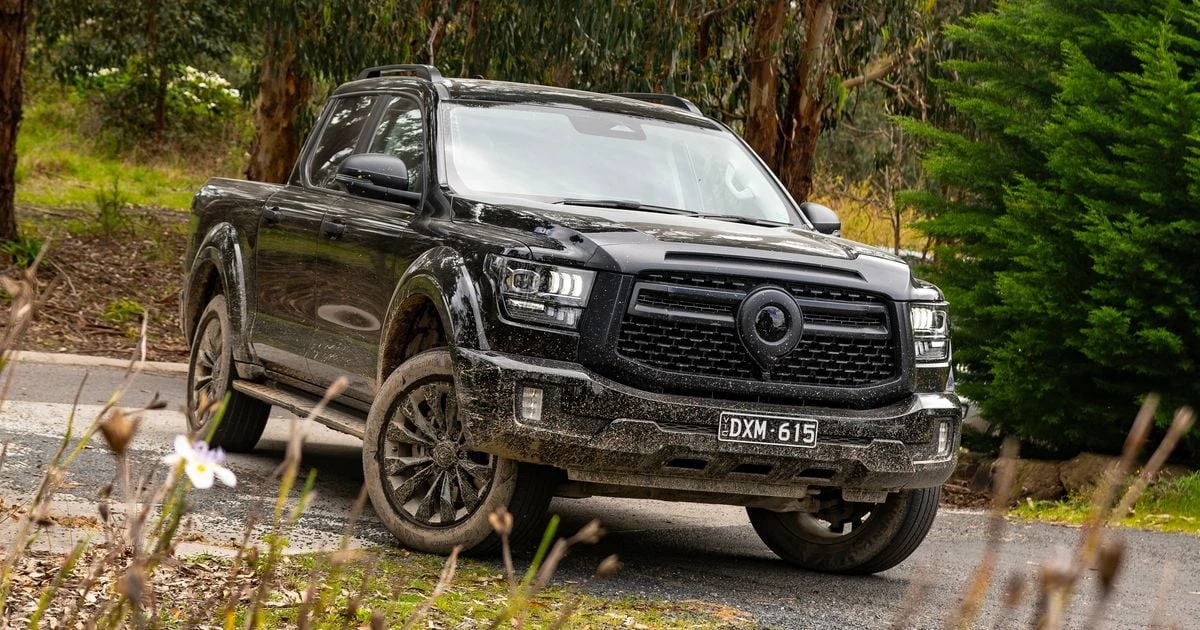
A white Cannon Alpha on test — dealer stock levels and supply forecasts remain uncertain
A white Cannon Alpha on test, dealer stock levels and supply forecasts remain uncertain, Image: CarExpert

A new diesel only months old

The timing is awkward for GWM. The Cannon Alpha received a new 3.0-litre turbo-diesel four-cylinder, shared with the Tank 500, in September 2026. It joined the PHEV variant that launched in Australia in 2025 as a replacement for the regular hybrid, and the larger diesel replaced the previous 2.4-litre turbo-diesel four-cylinder. In Australia the 3.0-litre is offered only in the Cannon Alpha and the Tank 500. A supply interruption now lands just as the newer diesel is settling into showrooms.

Sales figures are reported as a combined total

GWM began reporting Cannon and Cannon Alpha sales together in monthly VFACTS reports from January 2026, so there is no published split between the two utes. To the end of October, GWM had delivered 8764 vehicles across the combined range, a tally that excludes 4x2 versions of the Cannon, of which 677 were delivered year-to-date. The Cannon Alpha itself is the larger, more luxurious dual-cab ute that launched in Australia in 2024.

Because the two models are counted as one line, buyers and dealers have no official read on how much of that 8764 is Alpha volume, which makes the seat shortage harder to size from the outside. Both utes are now available with the same PHEV powertrain, but only the Alpha and Tank 500 get the 3.0-litre diesel in Australia.

Open this article ↗

Keep scrolling to read the next story.

Older articles →