INDEPENDENT AUTOMOTIVE NEWSGLOBAL PERSPECTIVE / AUSTRALIAN EDITION
TDCNTHE DAILY
CAR NEWS.

The road ahead.
Every day.

RSS ↗
Latest/Electric

461 original articles

Electric / TDCN ORIGINAL

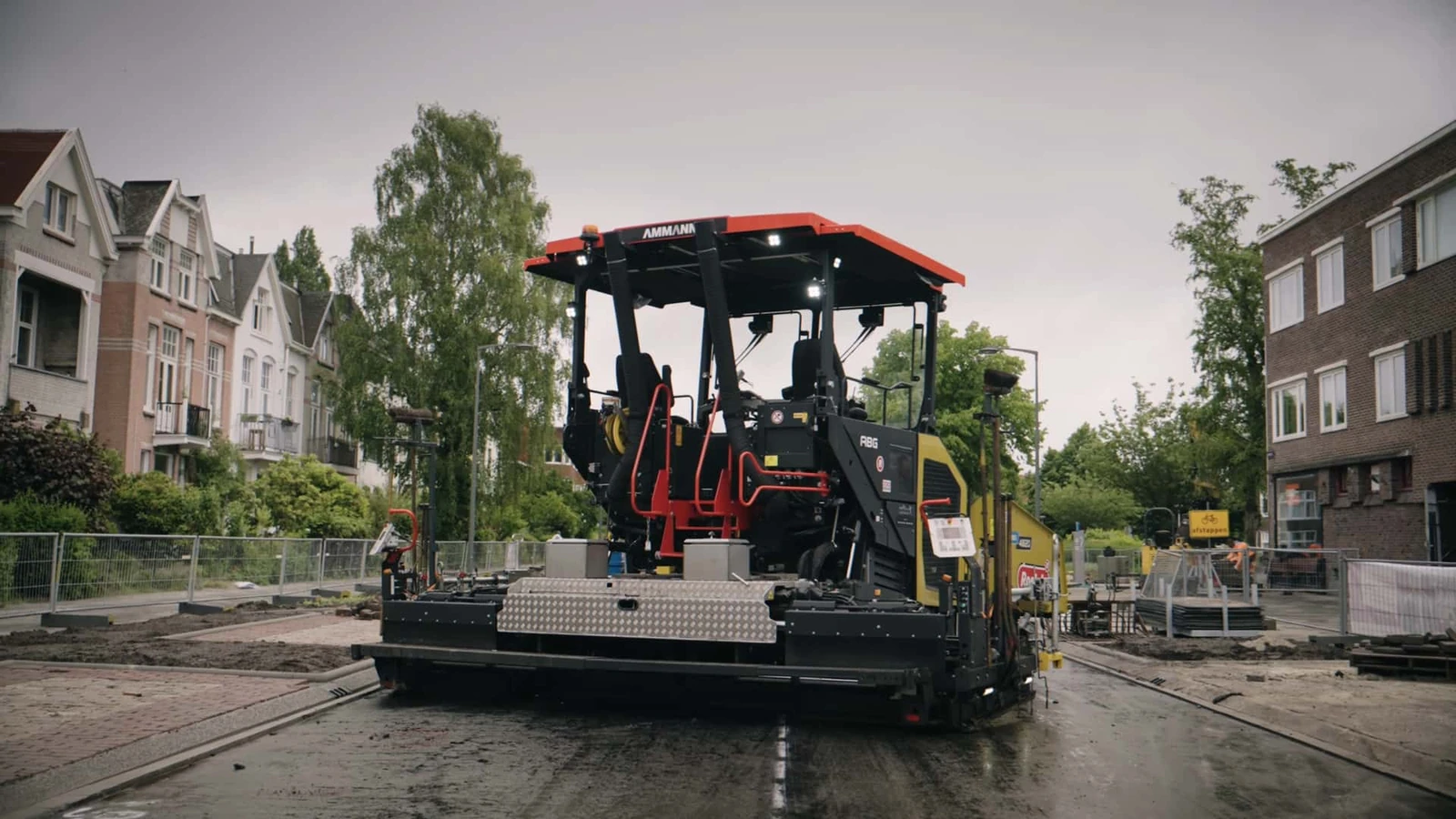
Ammann's electric asphalt paver lays up to 1,200 tonnes a day on a Volvo Penta powertrain

The Swiss-built eABG 4820 runs a 99 kW motor and a 270 kWh battery pack, and can recharge from a CCS2 connector at up to 150 kW.

Switzerland's Ammann has turned one of its mainstream diesel asphalt pavers into an electric machine, the eABG 4820, using a powertrain supplied by Volvo Penta. The company says it is one of the largest electric pavers on the market, with a maximum output of 1,200 tonnes of asphalt per day when a charging stop is included.

Without intermediate charging, the paver lays between 350 and 450 tonnes of asphalt, and its peak hourly rate is 500 tonnes. Volvo Penta supplies the batteries, motors, power electronics and control technology, while Ammann assembled the system using its experience with hydraulic-powered machinery.

Paving width and where it makes sense

The eABG 4820 uses a 99-kilowatt electric motor fed by a 270-kilowatt-hour battery pack split into three separate units. The cells are nickel-cobalt-aluminum oxide (NCA) traction batteries, and Ammann says the pack holds enough energy for an entire work shift.

Charging is possible through a CCS2 connector at up to 150 kW, which refills the pack in roughly one and a half hours, or through AC charging at up to 22 kW, which takes 12 hours. The proprietary ABG e+ screed heat system draws on an external power supply rather than the traction battery.

Philipp Bramer, who heads Ammann's e-paver development team, framed the engineering challenge around energy management rather than the motor alone. "It comes down to energy management and architecture," he said. "The electric driveline doesn't just power the machine. It communicates seamlessly with the hydraulics. Simultaneously, the intelligent control system makes sure that the system supplies exactly the right amount of energy to the machine."

The catch for contractors

The machine can pave at widths of up to 21.3 feet, or 6.5 metres, which covers most common paving scenarios. Ammann positions it for job sites where emissions and noise are sensitive, since the electric driveline is significantly quieter than a diesel rig.

Ammann also claims the paver emits up to 70 percent less carbon dioxide than a diesel equivalent. That figure is a manufacturer claim rather than an independently measured result.

The quieter operation is the practical selling point. Diesel pavers are loud enough that a paving crew and nearby residents notice them, and an electric machine changes the working environment on residential streets and in dense urban areas where paving often happens alongside occupied buildings. Fewer moving parts in an electric driveline also removes many of the maintenance tasks tied to a diesel engine, along with their costs.

Electrification shifts work to the depot. Construction companies need charging equipment installed where machines are parked overnight, and they need a way to top up on the jobsite if a shift runs long. The 1,200-tonne daily figure depends on that mid-shift charging stop, so the headline number and the 350 to 450 tonne figure without charging describe two different working days.

Ammann has not announced pricing for the eABG 4820, and the sources do not specify which markets it will be sold in or when deliveries begin.
Open this article ↗
New cars / TDCN ORIGINAL

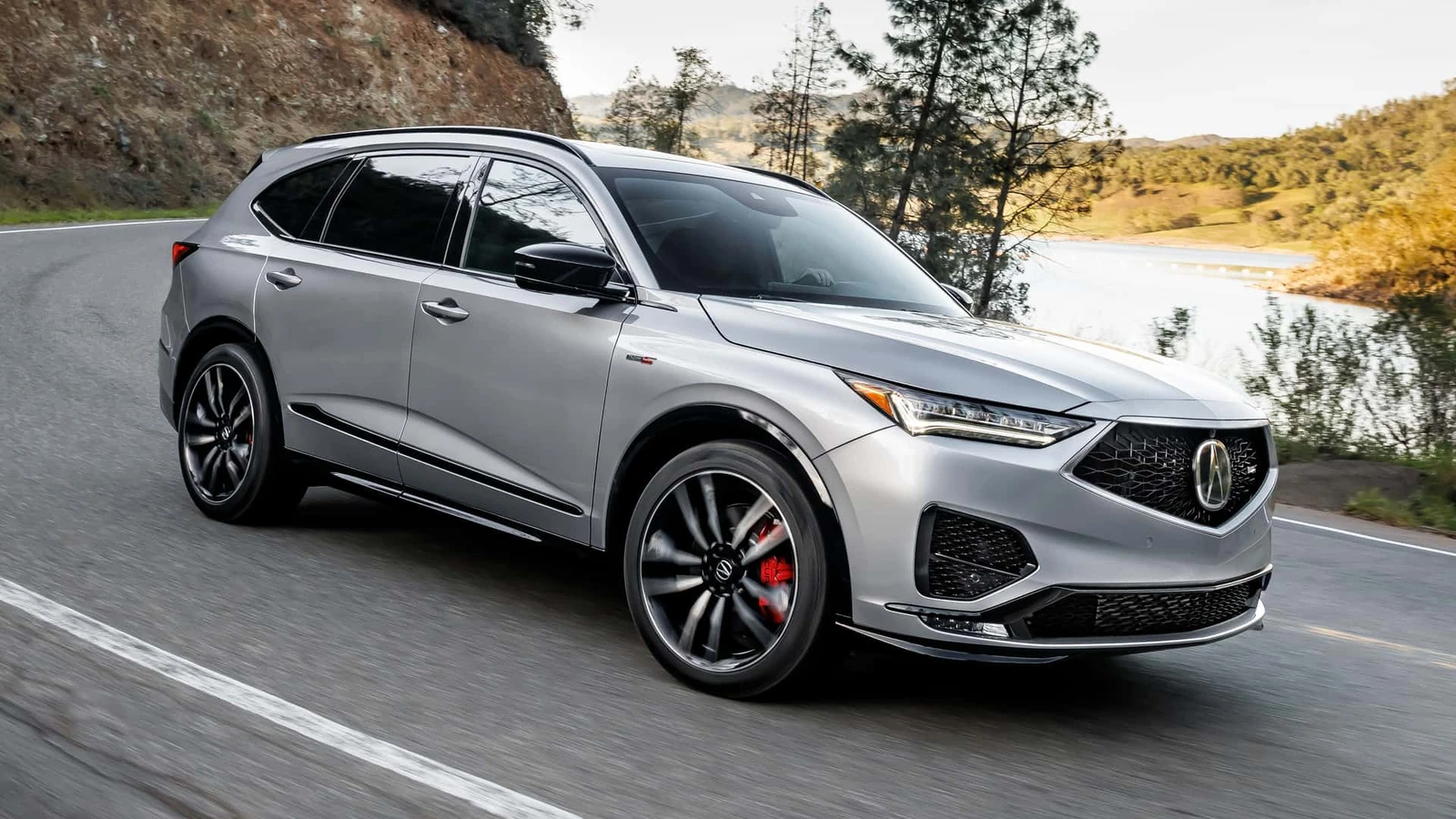
Honda recalls 635,808 US vehicles over power steering software fault

The campaign covers 2021-2025 Acura TLX, 2022-2024 MDX and 2023-2025 Pilot models, with dealers reprogramming the steering control unit free of charge.

Image: Motor1

Honda has issued a recall in the United States covering 635,808 vehicles across its Honda and Acura brands because a software fault can switch off electric power steering assistance. The campaign, filed with the National Highway Traffic Safety Administration under recall number 26V721000, covers certain 2021-2025 Acura TLX, 2022-2024 Acura MDX and 2023-2025 Honda Pilot vehicles.

Honda reported the problem to NHTSA on October 29 and has identified supplier-developed software as the source. The fix is a free reprogramming of the electric power steering control unit rather than a hardware replacement.

How the fault disables steering assistance

The recall report describes an error in the Driver Attention Monitor's road-condition compensation calculation within the EPS software. Under specific operating conditions, the software may attempt a floating-point division by zero, triggering an internal error, and the EPS software was incorrectly configured to respond by shutting down power steering assistance.

Drivers do not lose the ability to steer. The mechanical connection remains, but considerably more force is needed to turn the wheel without electric assistance, and the extra effort is most noticeable at low speed, such as parking or tight maneuvers. NHTSA warns the loss of assistance could reduce controllability and raise the risk of a crash or injury, and warning indicators illuminate in the instrument cluster when the system enters failsafe mode.

The spread of the fault across two brands and three model lines points to shared steering-system software rather than a single body style or segment, which is why one defect reaches hundreds of thousands of vehicles.

Pilot accounts for the largest share

The 2025 Pilot is the most affected model, with 240,830 vehicles potentially involved, close to 38 percent of the total recall population.

Dealer notifications were scheduled to begin around October 30, and Honda expects to start mailing letters to affected owners on December 14. Affected VINs became searchable through NHTSA's database on November 11.

No Do Not Drive warning

Honda is not telling owners to stop driving, and the recall carries no Do Not Drive warning. Even so, anyone who sees a steering warning or notices an unexpected loss of assistance should have the vehicle inspected rather than wait for the letter.

A software-only remedy keeps the cost and disruption low for owners, since no steering rack or other major component is replaced. The trade-off is that the repair depends on a dealer visit and a reflash, so the recall's benefit arrives only as quickly as owners book the work.

Open this article ↗

Keep scrolling to read the next story.

Older articles →