INDEPENDENT AUTOMOTIVE NEWSGLOBAL PERSPECTIVE / AUSTRALIAN EDITION
TDCNTHE DAILY
CAR NEWS.

The road ahead.
Every day.

RSS ↗
Latest/Electric

480 original articles

Electric / TDCN ORIGINAL

Hyundai's $1bn NSW battery and car plant plan collapsed after failed meeting, report says

Text messages from a former NSW trade commissioner suggest Hyundai wanted to invest more than $1 billion in the state before the proposal slipped to Victoria and then stalled.

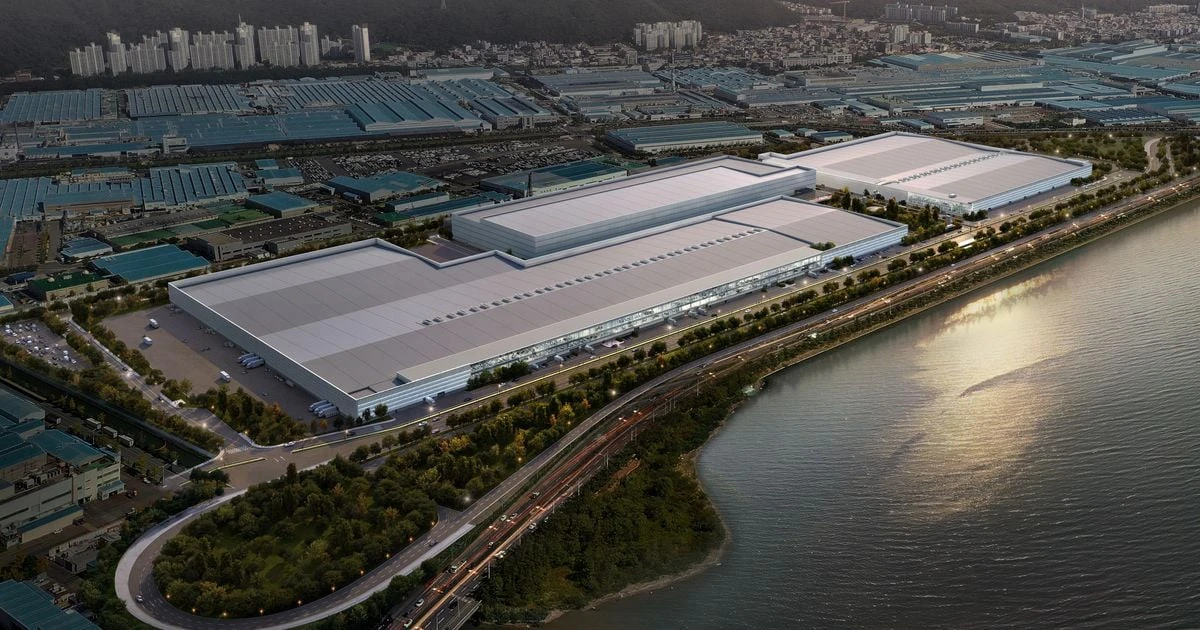
Hyundai Motor Group's plan to invest more than $1 billion in a battery factory and car plant in New South Wales reportedly collapsed in 2024 after a meeting with the state government fell through, according to text messages aired by Channel 7 and detailed by CarExpert.

The messages were sent in January 2024 by Mike Newman, then Investment NSW's senior trade and investment commissioner for North Asia, as he pressed for NSW Premier Chris Minns to sit down with Hyundai executives.

What the messages said

In a text to the Premier's chief of staff dated January 17, 2024, Newman wrote that Hyundai executives had come back to him and appeared keen to invest north of $1 billion in NSW, including building a car plant, and that seniority on the government side was essential. He noted the group had invested $7 billion in a US battery plant late the previous year and called the Australian opportunity a massive one.

Channel 7's report said the NSW meeting fell through and was subsequently bungled, with the proposal moving to Victoria and Hyundai ultimately not investing. Hyundai Australia has made no public comment on the proposed meeting and declined to comment when contacted by CarExpert, while the Prime Minister's office and Newman's office were also approached.

Newman held the commissioner role from 2021 to 2024, based in Japan and covering South Korea, and now leads One Nation in NSW. The report said Euisun Chung, head of Hyundai Motor Group, was in Australia in early 2024 and is believed to have sought an initial meeting with either Prime Minister Anthony Albanese or the premier of the most populous state.

Australia was viewed as a strong candidate for battery manufacturing because of its critical mineral resources. The group's reach extends well beyond cars, taking in Hyundai, Kia and Genesis plus robotics and other technology businesses.

A missed opening, not a closed door

The episode is a reminder of how much of the investment case for Australia rests on access rather than resources. Hyundai's interest was reportedly there, and so were the minerals, but the deal needed a meeting at the right level and did not get one in time.

For car buyers, the practical effect is that the promised factory has not translated into local battery production or local vehicle assembly. Hyundai's Australian lineup continues to arrive as imported product, and nothing in the reported plan would have changed that overnight.

The sources do not say whether Hyundai will build a battery plant in Australia in future. No new proposal has been announced, and the company has not publicly commented on the 2024 talks.

There is a political backdrop too. Albanese, as opposition leader, visited Brisbane EV equipment maker Tritium in April 2022 ahead of the federal election he went on to win, telling media that delay, prevarication and inaction from the government had meant missed opportunities. The Hyundai episode gives that criticism a concrete example, though the report rests on one former official's messages rather than a public Hyundai commitment.
Open this article ↗
Australia / TDCN ORIGINAL

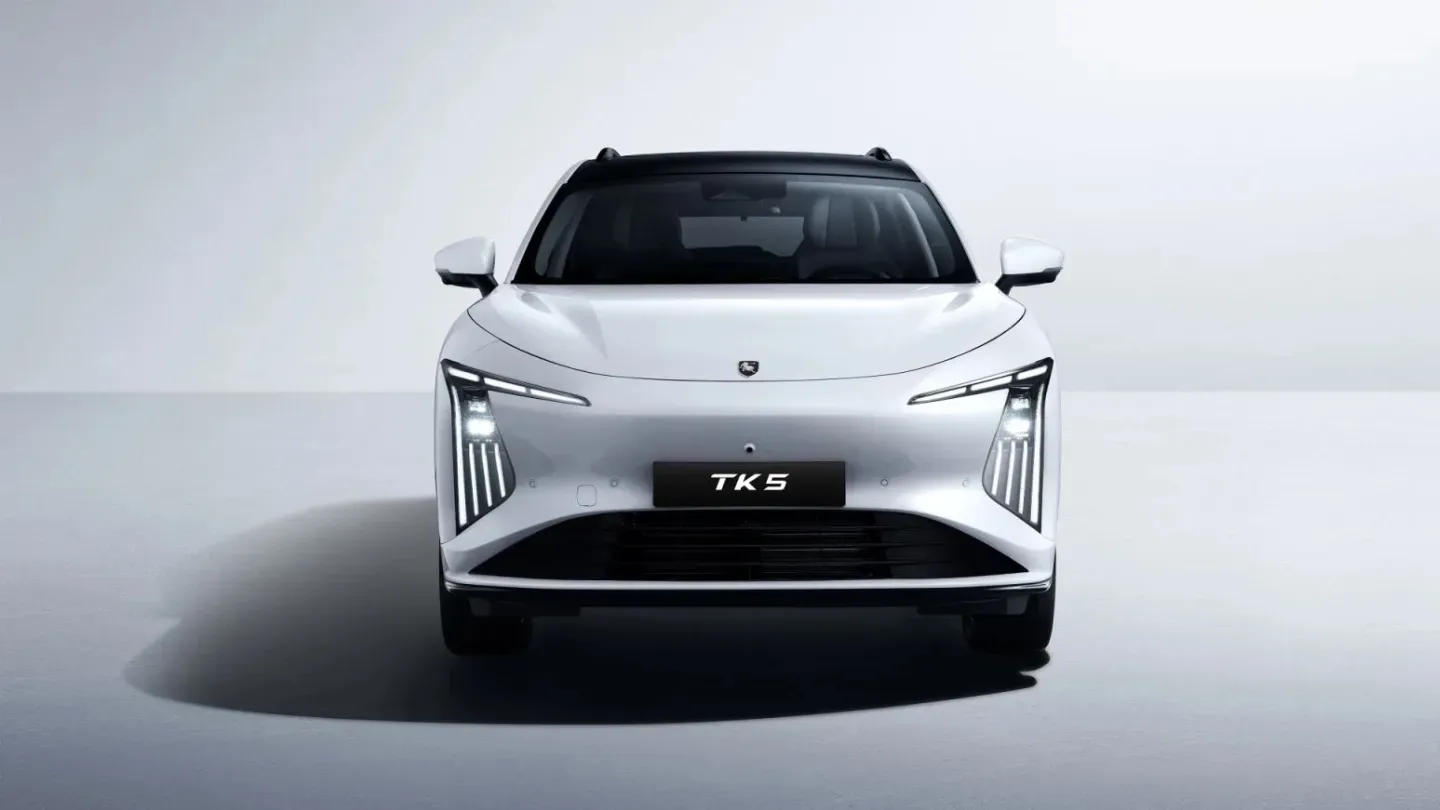
Forthing TK5 electric SUV confirmed for New Zealand in early 2027, Australian launch undecided

The updated SUV, revealed at the Paris motor show, brings an 800V architecture and 500km WLTP range in Europe, but Forthing Australia has not confirmed it locally.

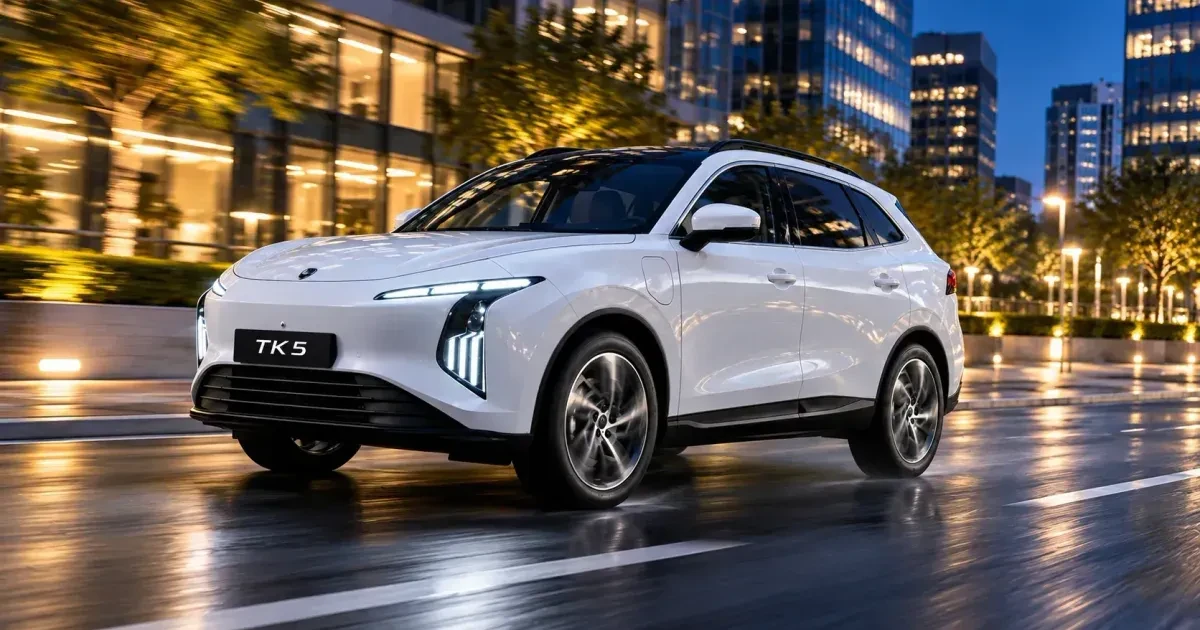
Forthing has confirmed the updated TK5 SUV for New Zealand, with the brand's local representative telling CarExpert NZ it is expected to arrive towards the end of the first quarter of 2027. An Australian launch date has not been announced, and a Forthing Australia spokesperson said the model sold in Europe as the TK5 is not confirmed for the local market.

What the TK5 changes over the Taikon 5

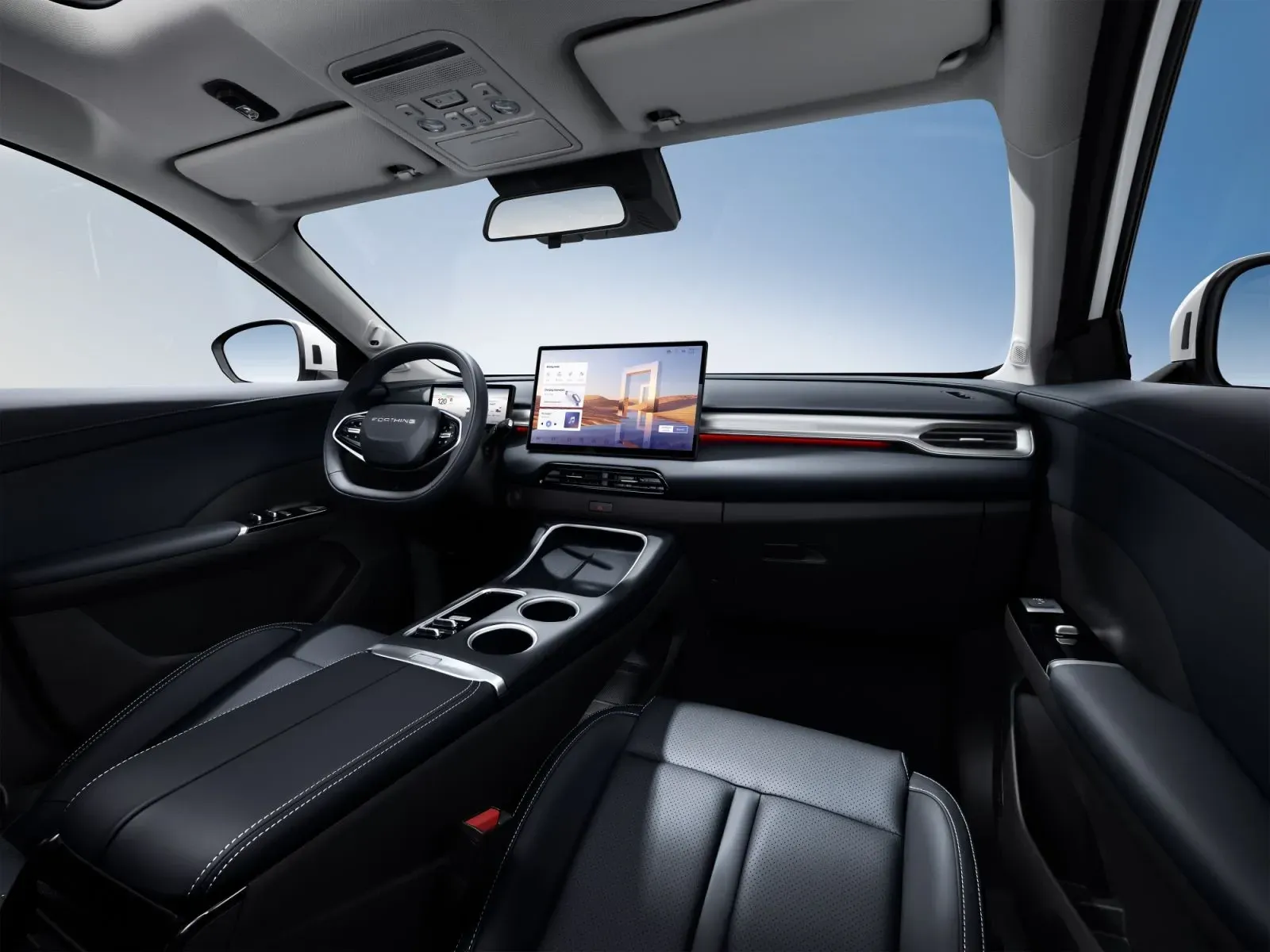
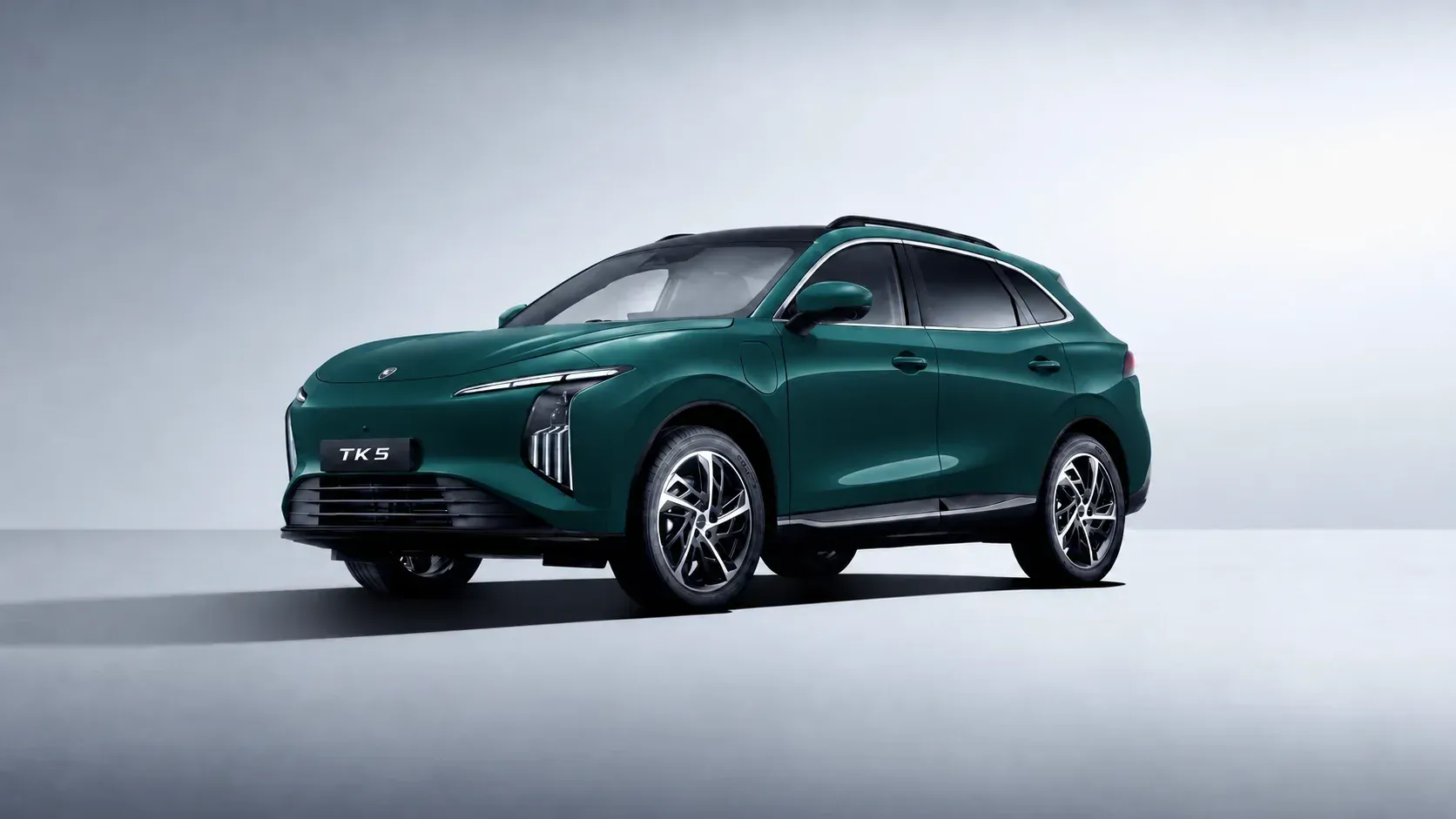
The TK5 is a comprehensive update of the Taikon 5, the mid-size SUV that introduced the Forthing brand to Australia and New Zealand earlier this year with both electric and extended-range electric powertrain options. The facelifted model was revealed at last month's Paris motor show and adopts a more minimalist front end with styling cues taken from the brand's S7 electric sedan, along with an all-new cabin layout.

The most significant technical change is an 800V architecture for electric variants. In Europe, the TK5 EV is listed with a 75kWh battery pack and a WLTP-rated range of 500km, and the higher-voltage system lifts peak charging speed to 160kW, enough to take the battery from 10 to 80 per cent state of charge in as little as 16 minutes.

The European TK5 EV uses a single electric motor producing 200kW of power and 360Nm of torque. For comparison, the current Taikon EV makes 150kW and 340Nm from a 64kWh battery, with a claimed range of up to 400km. Those figures are not directly comparable, since the Taikon's 400km claim is not stated against the same WLTP cycle as the TK5's 500km rating.

The Forthing TK5 electric SUV, confirmed for New Zealand in early 2027.
The Forthing TK5 electric SUV, confirmed for New Zealand in early 2027., Image: CarExpert

Range-extender variant and its electric-only range

Forthing refers to the updated plug-in variant as the TK5 PHEV in its press release, pairing a naturally aspirated 1.5-litre four-cylinder petrol engine with a 39kWh battery pack and a 155kW/315Nm electric motor. Its pure electric range is rated at a figure that is cut off in the available material, so the electric-only range of the range-extender version has not been confirmed here.

That gap matters for buyers weighing the two powertrains. The 39kWh pack is far smaller than the EV's 75kWh unit, so the range-extender's electric-only figure will be the number that decides whether it can cover a daily commute without petrol, but until Forthing publishes it, the EV remains the only variant with a confirmed range figure for this market.

The TK5's cabin pairs a large central display with a minimalist dashboard layout.
The TK5's cabin pairs a large central display with a minimalist dashboard layout., Image: CarExpert

The naming dispute behind the badge

The switch from Taikon 5 to TK5 follows an ongoing trademark dispute in Australia between Forthing and Porsche. Forthing Australia has removed the Taikon name from its marketing and now labels the model simply as 'Electric' or 'Range Extender Hybrid' depending on the variant, while Forthing New Zealand has kept the Taikon name.

The split means the same vehicle will carry different badges on either side of the Tasman, which complicates comparisons for buyers who cross-shop the two markets.

The TK5's styling departs from the Taikon 5 with a smoother, more coupe-like profile.
The TK5's styling departs from the Taikon 5 with a smoother, more coupe-like profile., Image: CarExpert

New Zealand timing and Australian uncertainty

New Zealand's arrival window of late Q1 2027 coincides with the planned launch of the brand's TK7 people mover. The TK7 has also been confirmed for Australia, though its local launch timing has not been announced.

Forthing Australia said it has announced three new models for Australia over the next 18 months and will add more detail closer to local showroom arrivals. Until then, Australian buyers have the current Taikon-badged Electric and Range Extender Hybrid models, with no confirmed date for the updated TK5.

Open this article ↗

Keep scrolling to read the next story.

Older articles →