INDEPENDENT AUTOMOTIVE NEWSGLOBAL PERSPECTIVE / AUSTRALIAN EDITION
TDCNTHE DAILY
CAR NEWS.

The road ahead.
Every day.

RSS ↗
Latest/New cars

341 original articles

New cars / TDCN ORIGINAL

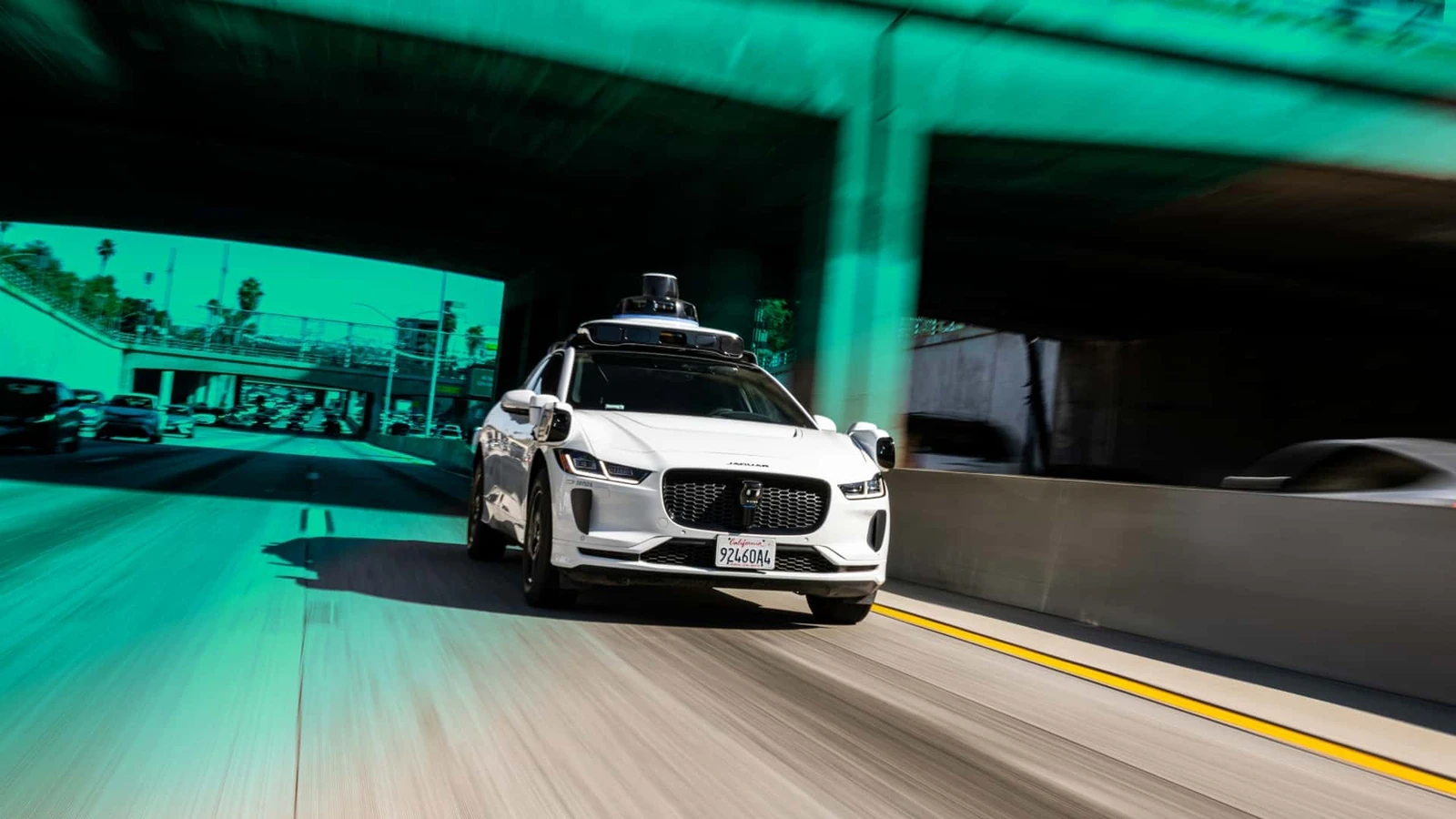
Waymo will leave Uber's app in Austin and Atlanta from January 2028

The robotaxi company says riders want a guaranteed driverless trip, and Uber's app cannot promise one.

Waymo will stop offering rides through Uber in Austin and Atlanta starting in January 2028, moving those cities onto its own app. Co-CEO Tekedra Mawakana told Bloomberg the decision rests on the Uber app's inability to guarantee that a rider gets a driverless car.

Today those two cities are the exception: they are the places where a Waymo can only be booked through Uber, under an exclusive arrangement between the two companies. From 2028 they will work like the more than two dozen other US cities where Waymo already runs its own booking service.

Mawakana's explanation is about consistency rather than technology. Uber riders can switch on autonomous rides in the app's settings, but whether a Waymo turns up depends on how many of the cars are nearby. If none is, the app matches the rider with a human driver.

Uber proposed adding a dedicated robotaxi option so customers would be matched with driverless cars more reliably, and Waymo declined, according to the report.

"In the early days, we would partner because we didn't have the scale," Mawakana told Bloomberg, describing the partnering as "a little bit of a crapshoot". She said customers now want a more consistent experience.

That matters because a robotaxi brand is only as strong as the promise it makes. A rider who opens an app hoping for a driverless car and gets a human-driven one has effectively been given a lottery, not a service. Waymo's own app turns the ride into a guarantee, which is the product it is selling in every other market it serves.

The change turns a partner into a competitor in Austin and Atlanta. Uber is already the default ride-hail app for millions of riders and brings fleet operations and logistics experience, while Waymo is far smaller but growing quickly.

Waymo is a wholly owned subsidiary of Google parent Alphabet, which the report values at over $3.5 trillion. The company says it completes more than 500,000 paid driverless trips a week and operates in 15 US cities, with plans to add over a dozen more in the coming months.

Its lead in the US robotaxi race over Tesla and others is comfortable for now. Ending the Uber arrangement in two cities is a sign of that confidence rather than a retreat: the partnership existed to borrow scale Waymo no longer needs to borrow there.

Waymo still works with Lyft on driverless rides in Nashville, though that arrangement is not exclusive, and it also serves the city through its own app. The Austin and Atlanta exit is therefore a targeted change, not an end to third-party distribution.

Uber, meanwhile, is positioning itself as a broker of robotaxi technology rather than a builder. It plans to have 700 robotaxis online by the end of this year and 2,000 by the end of 2027, and has signed deals with companies including Rivian, Lucid and Wayve to offer their driverless vehicles through its app.

Those two strategies can coexist. Uber can lose Waymo's cars in two cities and still rent out other companies' robotaxis at scale, while Waymo keeps its own app as the front door wherever it can fill demand itself.

Waymo has not said whether Uber will offer its own robotaxis in Austin and Atlanta from 2028. The sources describe Uber's 700 and 2,000 vehicle targets and its deals with Rivian, Lucid, Wayve and others, but do not confirm which vehicles, if any, Uber will run in those two cities once the Waymo arrangement ends.

Also unannounced is what happens to the Uber partnership beyond Austin and Atlanta, and whether the two companies will strike further exclusive deals elsewhere. For now the only confirmed date is January 2028, and the only confirmed change is that Waymo riders in those two cities will book through Waymo.
Open this article ↗
Australia / TDCN ORIGINAL

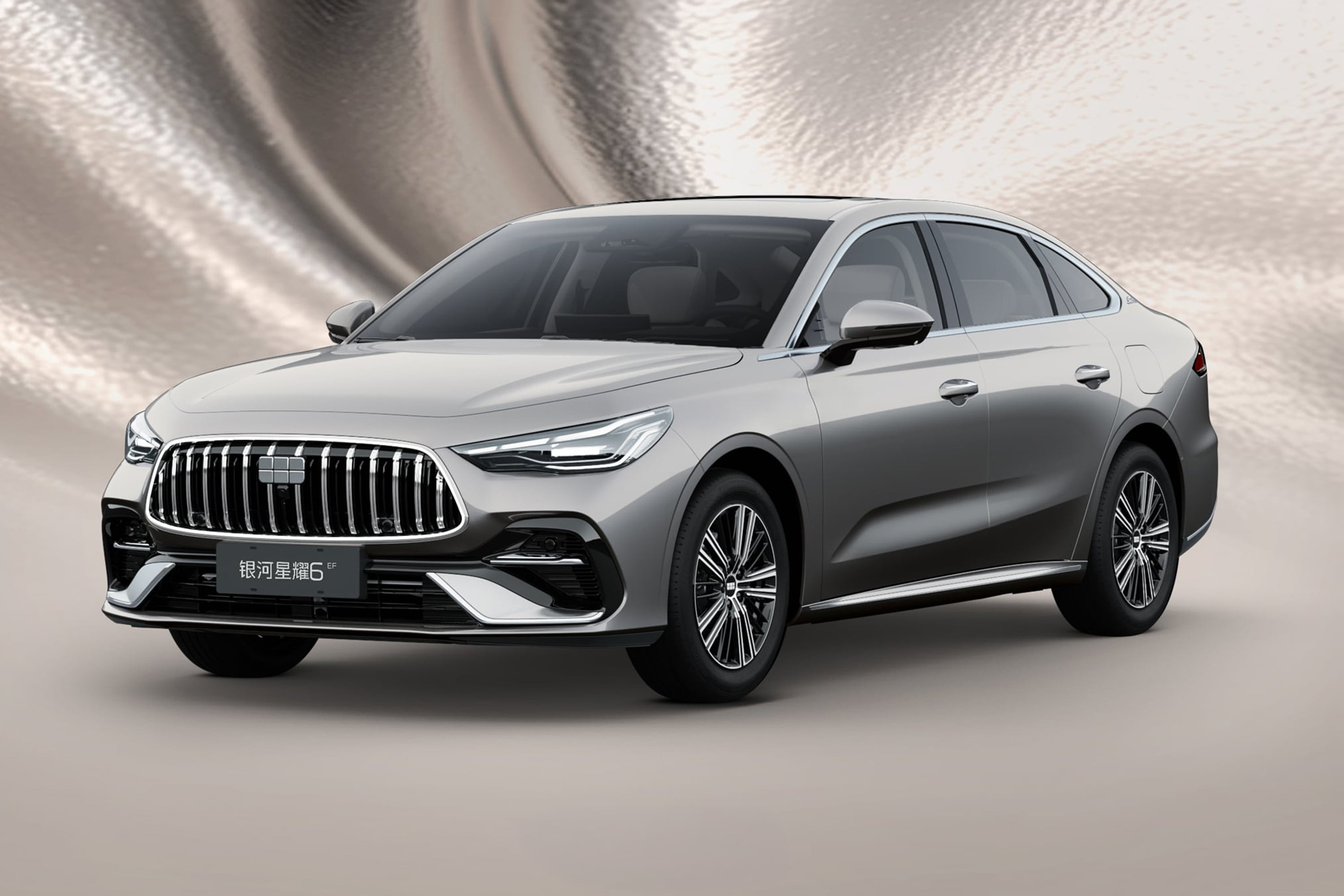
Geely's Xingyao 6 EF sedan runs on methanol, petrol or electricity

The Chinese four-door can switch between fuels in the same tank and claims up to 1880km of combined range on petrol, though Australian plans are unconfirmed.

Geely has unveiled a production sedan that can run on methanol, petrol or electric power, with both fuels able to share the same tank. The Xingyao 6 EF, also called the Galaxy Starshine 6 EF, is a four-door model sized close to a Toyota Camry and is described by Geely as the world's first production methanol hybrid.

The car is a plug-in hybrid rather than a pure electric vehicle, pairing a 1.5-litre four-cylinder engine with an electric motor. Geely has not announced whether it will be sold in Australia.

Two fuel tanks in one, and a long claimed range

Geely says the sedan accepts any blend of methanol and petrol, including running on 100 per cent methanol or 100 per cent petrol. On a tank of methanol plus a full battery charge, the company quotes a combined range of up to 1250km on the CLTC test cycle; switching to petrol extends that figure to 1880km.

Those numbers come from China's CLTC cycle, which is generally more generous than the WLTP or EPA procedures used in other markets, so they are not directly comparable with range figures quoted for cars sold in Australia or Europe.

Electric-only range depends on the battery fitted. The entry-level version uses a 17kWh lithium iron phosphate pack for a claimed 130km of CLTC electric running, while the two higher grades carry a 28.3kWh LFP pack and claim 230km.

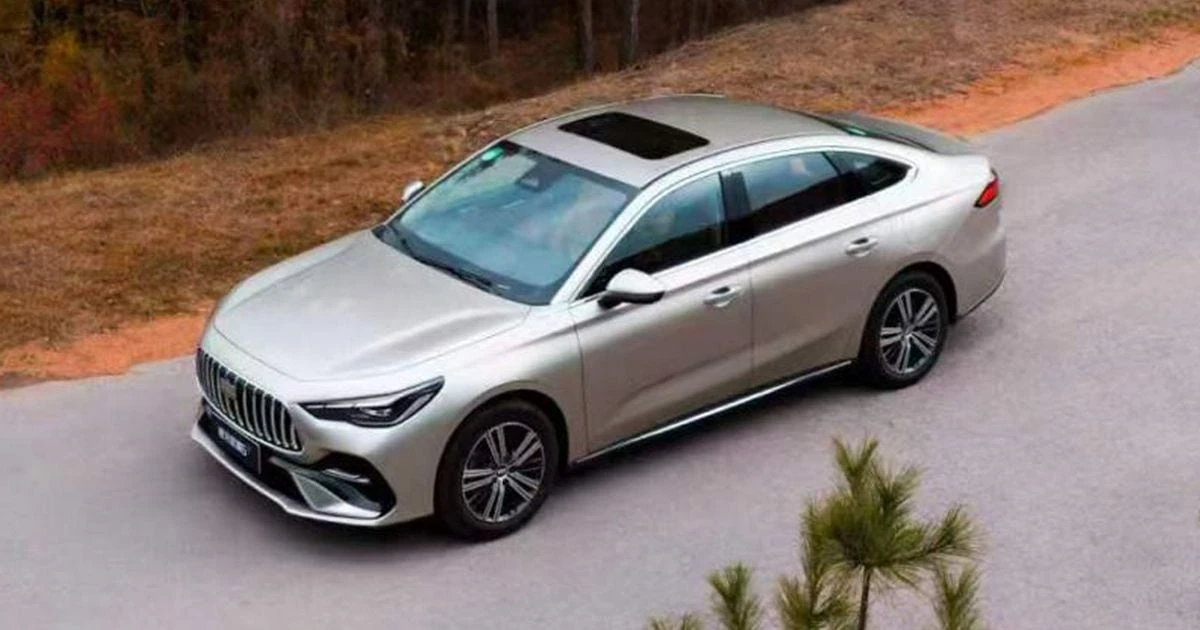
Geely's Xingyao 6 EF sedan: a single body engineered to drink methanol, petrol or electricity.
Geely's Xingyao 6 EF sedan: a single body engineered to drink methanol, petrol or electricity., Image: CarExpert

Powertrain and cold-weather engineering

The petrol engine is a 1.5-litre naturally aspirated four-cylinder producing 93kW and 170Nm, driving the front axle alongside a 140kW/240Nm electric motor. Geely claims the engine was designed specifically for methanol and achieves 48.15 per cent thermal efficiency, which it says is the highest of any mass-produced methanol engine.

Geely also says the car has been engineered for cold starts at temperatures approaching minus 40 degrees Celsius, aimed at the range loss electric vehicles suffer in northern China's winters. In Geely's words, the Xingyao 6 is positioned not as a replacement for electric or conventional hybrid models but as a complementary solution for cold-climate and long-distance driving.

That framing is the interesting part. Methanol sidesteps the charging infrastructure problem in regions where batteries struggle in winter, but it depends on fuel supply, and methanol is not commonly sold at Australian service stations, though it is used in motorsport for its high octane rating.

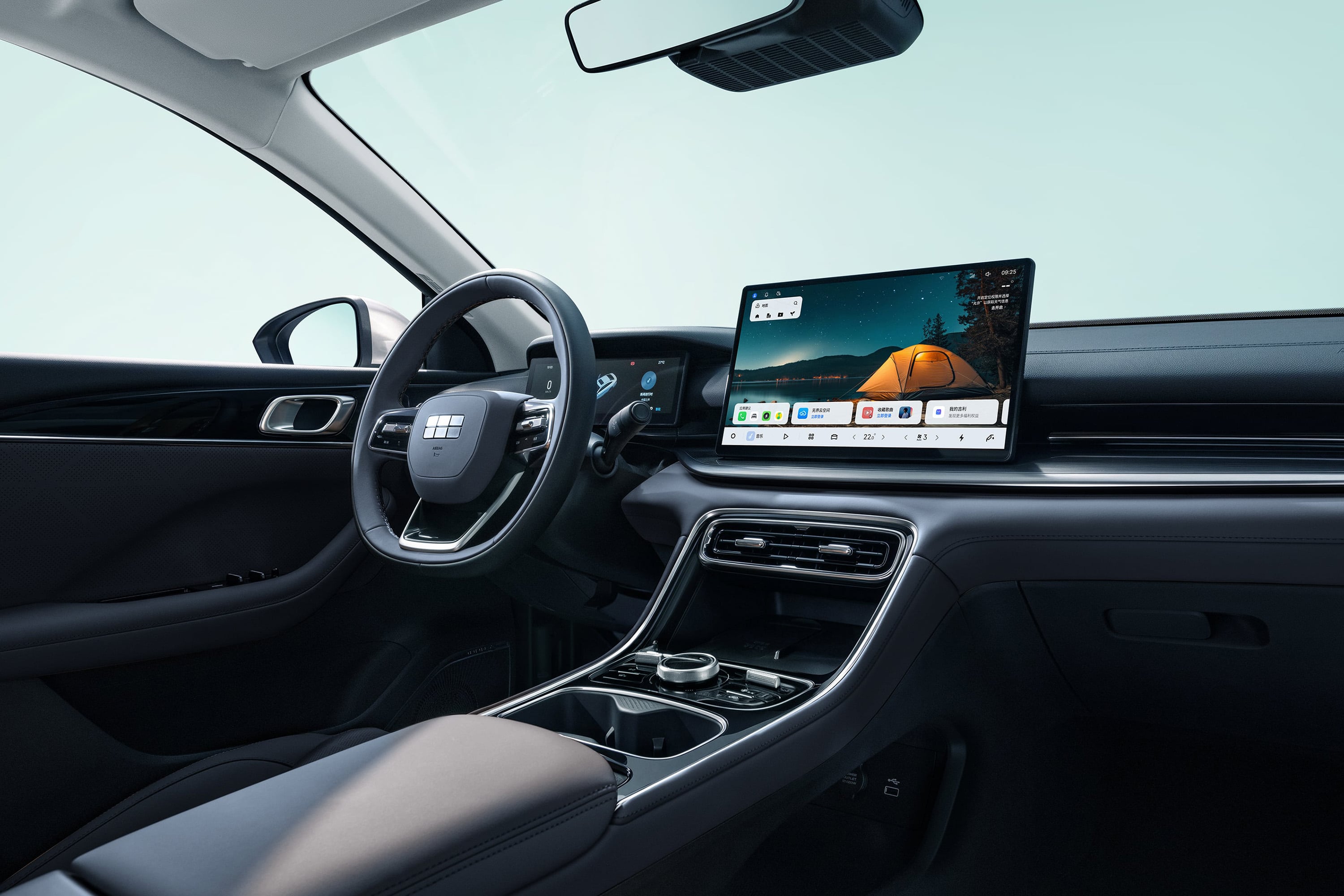
Inside the Xingyao 6 EF, a wide central display anchors a cabin built around its multi-fuel powertrain.
Inside the Xingyao 6 EF, a wide central display anchors a cabin built around its multi-fuel powertrain., Image: CarExpert

Platform links to cars Australia already gets

The Xingyao 6 EF uses Geely's GEA global intelligent electric architecture, the same platform underpinning the EX2 electric hatchback and EX5 mid-size electric SUV currently sold in Australia. It also shares its underpinnings with the Emgrand L EM-i petrol plug-in hybrid, which has been confirmed for Australia with arrival scheduled in the first half of 2027.

Geely Australia has not announced plans to bring the methanol sedan here, so the Emgrand L EM-i remains the confirmed PHEV route into the brand's local line-up for now. Pricing, final specification and market rollout beyond China have not been announced.

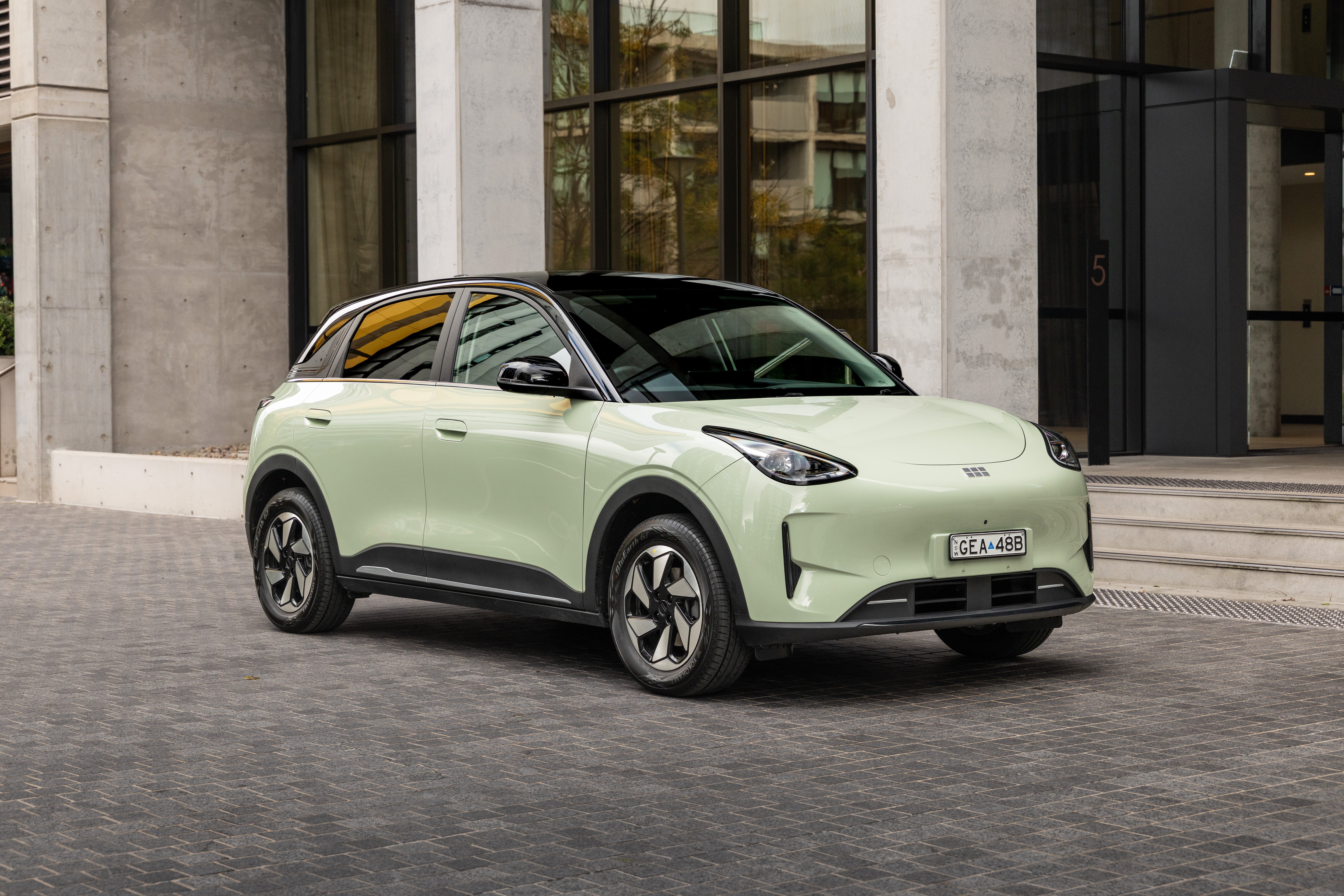
A Geely-group EV hatchback — the kind of electric platform engineering that underpins the Xingyao 6 EF.
A Geely-group EV hatchback, the kind of electric platform engineering that underpins the Xingyao 6 EF., Image: CarExpert
Open this article ↗

Keep scrolling to read the next story.

Older articles →