INDEPENDENT AUTOMOTIVE NEWSGLOBAL PERSPECTIVE / AUSTRALIAN EDITION
TDCNTHE DAILY
CAR NEWS.

The road ahead.
Every day.

RSS ↗
Latest/New cars

264 original articles

New cars / TDCN ORIGINAL

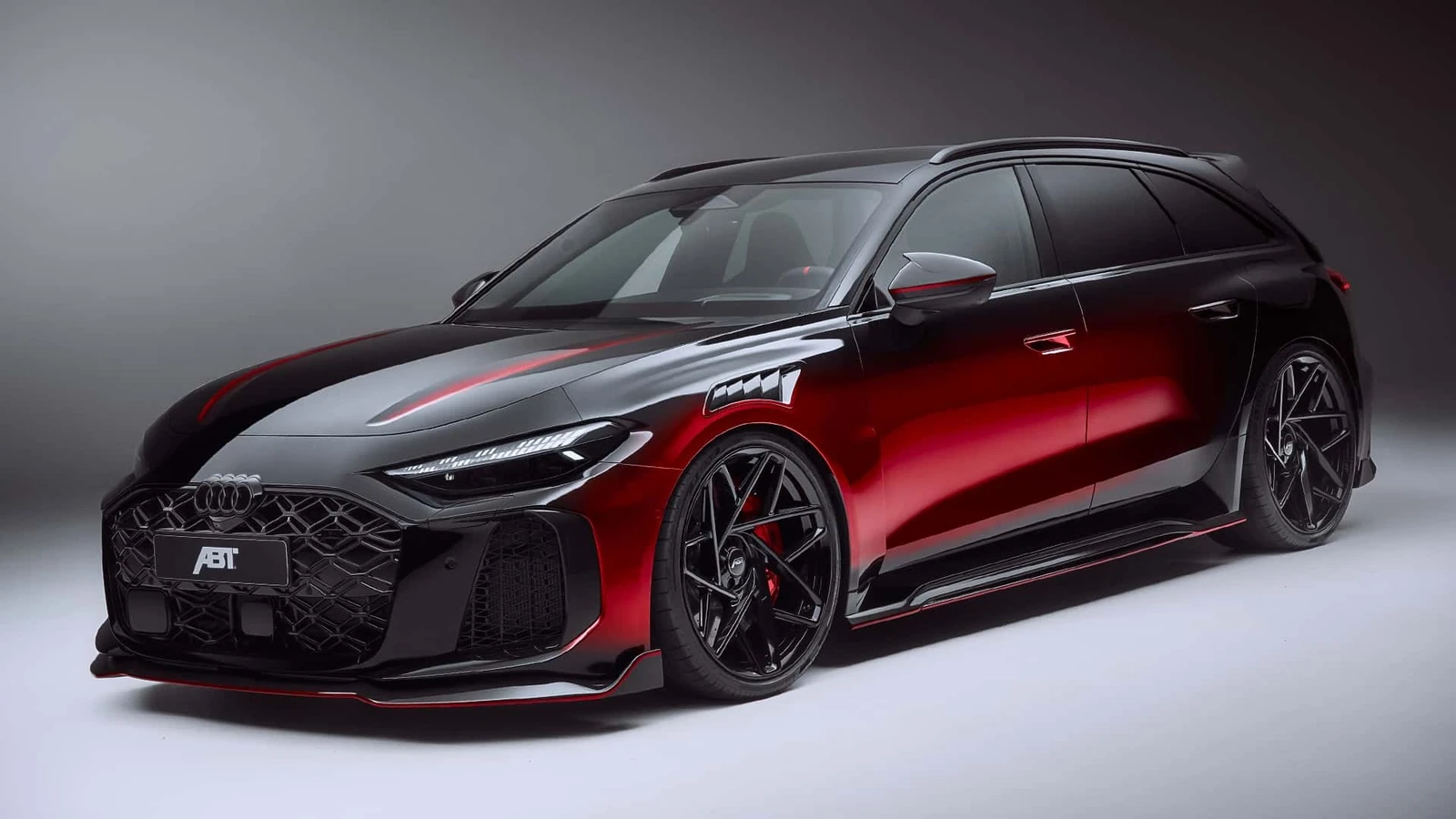
Abt reveals 709hp Audi RS5-R, limited to 130 cars worldwide

The German tuner's conversion costs from €62,000 before you buy the donor RS5, and an 800hp upgrade is planned for 2027.

Image: Motor1

Abt Sportsline has revealed the RS5-R, a tuned version of the Audi RS5 plug-in hybrid producing around 709hp, with production capped at 130 cars worldwide across sedan and Avant body styles. Orders are open now, and the conversion package starts at €62,000 for the sedan in gloss carbon, before the cost of the base car.

What Abt changes under the skin

The donor car is Audi's own RS5, which combines a twin-turbo V6 with an electric motor for a combined 630hp and 608 lb-ft of torque. Abt's Power S software upgrade lifts the engine alone to 583hp, taking total system output to about 709hp, a figure the tuner has confirmed.

Engine torque rises from 443 lb-ft to roughly 502 lb-ft, and the combined figure with the electric motor lands at about 667 lb-ft. Abt has not published a new 0-60 mph time, though the extra output should trim a few tenths from the standard car's sprint.

The RS5's plug-in hybrid hardware keeps curb weight well above two tons, and top speed stays at the factory limit, which can reach about 177 mph with the appropriate Audi package specified.

Carbon bodywork and a wagon-specific wing

The visual package includes a front spoiler with blades, louvered front fenders, mirror caps and side skirts, offered in gloss or matte carbon. The Avant adds a rear wing with aero blades that the sedan does not get, which underpins Abt's claim that the wagon is the sharper-looking of the two.

Inside, badges and door sills are stamped "1 of 130", and microfiber trim covers the console and seat frames.

Pricing and the cost of a finished car

The sedan conversion starts at €62,000 (about $69,000) in gloss carbon, while the Avant is €65,000 (about $72,500). The Carbon Camouflage finish adds €3,000 ($3,350) to either body style.

Installation, paint work and Germany's mandatory TUV inspection add at least €7,160 ($8,000) for the sedan or €7,600 ($8,500) for the Avant. With a well equipped donor car included, a complete RS5-R in Germany clears €180,000, which converts to something in the $200,000 range.

That structure matters for buyers: the headline conversion figure is not the price of the car, and the final cost depends heavily on how the donor RS5 is specified. The 130-car cap also means the RS5-R is a limited-run build rather than a volume tuning package.

A second stage planned for 2027

Abt has confirmed a second wave of upgrades for the second quarter of 2027, including a titanium exhaust developed with Akrapovič and a further tune pushing output toward 800hp. Pricing for that package has not been announced.

For now, Abt has not detailed market-by-market availability beyond the German pricing it has released, and Australian availability and pricing have not been announced.
Open this article ↗
Industry / TDCN ORIGINAL

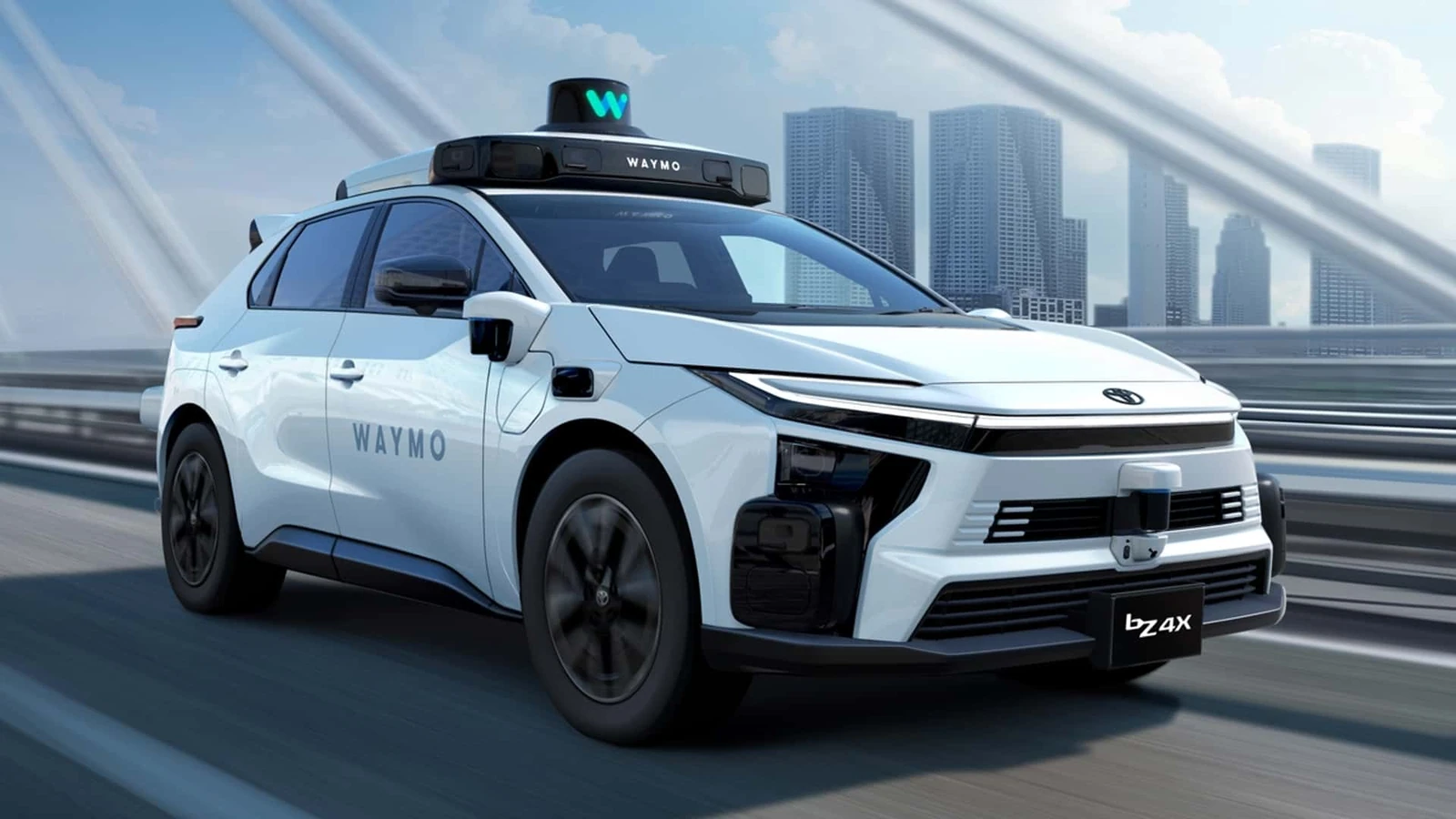
Toyota and Waymo to build driverless bZ4X robotaxis at Japanese factory from 2027

Waymo's self-driving hardware will be fitted on the Takaoka assembly line alongside standard bZ4X EVs, with right-hand-drive markets including Japan targeted first.

Image: Motor1

Toyota and Waymo will build factory-integrated robotaxis on the Toyota bZ4X platform, with autonomous testing in Japan due to begin in 2027. Waymo's self-driving sensors and computing hardware will be installed during the same assembly run as the standard electric SUV at Toyota's Takaoka plant in Toyota City.

The program is aimed at right-hand-drive markets, starting with Japan. The United Kingdom and other countries where Waymo operates are penciled in for later years, though no dates have been set.

A robotaxi straight off the production line

Toyota already builds facelifted bZ4X models at Takaoka, and the autonomous versions will use that same line rather than a dedicated one. Fitting Waymo's hardware at the factory could simplify quality control and cuts the extra engineering work needed to adapt a production vehicle after the fact.

That factory-first approach is the part that separates this deal from most autonomous programs, which typically bolt hardware onto cars built for private buyers. Building it in at the plant gives Toyota tighter control over how every sensor and computer is mounted, which matters when the vehicle has no driver to intervene.

Small fleet, few specifics

Toyota's chief technology officer said the initial fleet will stay small. Neither company has named the test locations or a vehicle count, and it has not been confirmed when paying riders might get into one.

The companies described 2027 as a testing and validation phase for the bZ4X program. Financial terms, production volume targets and whether the Takaoka line will dedicate separate capacity to the autonomous builds were all left undisclosed.

Two Waymo platforms in Japan at once

Waymo already runs robotaxis in several US cities and is testing Jaguar I-Pace fleets in London and Tokyo. Its all-electric I-Pace fleet with the Waymo Driver is already driving in Tokyo, ahead of fully driverless commercial taxi service planned there in 2027, and the bZ4X program runs alongside that effort.

The bZ4X deal is Waymo's first factory-integrated program aimed at right-hand-traffic markets. Running two separate autonomous platforms tied to its Japan plans at the same time gives Waymo a fallback if one integration path runs into trouble, though the sources give no indication which platform is expected to carry commercial service.

Kept apart from private cars

Toyota has kept this robotaxi work separate from anything meant for private buyers. The company said it will keep exploring vehicle-to-infrastructure technology and other ways to eventually bring driver-assist advances to customers, and that work sits outside the Waymo deal entirely.

So drivers shopping for a bZ4X should not expect Waymo hardware on their own car any time soon. The smarter read for buyers is that the program is a proving ground: what Toyota learns about integrating autonomous systems at the factory may shape later driver-assist features, but the sources set no timeline for that transfer.

What is still open

Firm timelines for the UK rollout remain among the open questions heading into 2027, along with fleet size and test cities. Toyota has not announced Australian availability for the autonomous bZ4X, and no pricing for the robotaxi program has been disclosed in any market.

Open this article ↗

Keep scrolling to read the next story.

Older articles →