INDEPENDENT AUTOMOTIVE NEWSGLOBAL PERSPECTIVE / AUSTRALIAN EDITION
TDCNTHE DAILY
CAR NEWS.

The road ahead.
Every day.

RSS ↗
Latest/Performance

313 original articles

Performance / TDCN ORIGINAL

Dodge confirms NASCAR Cup Series return in 2026 with two-car Kaulig Racing effort

The brand will unveil its new race car on December 4 at the Snowball Derby and name its drivers at Homestead-Miami, ending a Cup absence dating to 2012.

Image: Carscoops

Dodge will return to the NASCAR Cup Series next year, fielding a two-car team alongside Kaulig Racing after leaving the championship at the end of the 2012 season. The manufacturer says it will confirm its driver lineup for next season at Homestead-Miami Speedway during this weekend's NASCAR event.

The comeback is a full factory-backed programme run under the Dodge SRT Racing banner, and the brand will line up against Ford, Chevrolet and Toyota. Its on-track debut is set for February during Speedweeks at Daytona International Speedway.

A one-year programme, by design

Tim Kuniskis, who heads SRT Performance and Direct Connection in the US, framed the compressed timeline as deliberate. "Everyone said it was impossible to get back in one year," he said. "We said, 'watch this.'" He added that Dodge could have spent three years planning, testing and perfecting, or done all three in real time on the track, conceding the approach will be exponentially harder.

That matters because a manufacturer entering a new rule set usually buys itself a long runway of testing before it races in anger. Dodge is skipping that cushion, which raises the risk of early-season reliability problems but shortens the gap between announcement and visible competition. The brand's own framing is that speed of execution is part of its identity, not a compromise.

The car breaks cover in December

Dodge will unveil its all-new racing car on December 4 at the 2026 Snowball Derby at Five Flags Speedway in Florida. The reveal will be livestreamed on FloRacing and the NASCAR Channel for those not at the track.

The return sits inside a broader performance push at Stellantis. The company entered the NASCAR Craftsman Truck Series this year before committing to a full Cup Series effort with Dodge SRT Racing.

A history of winning, and a first since 2007

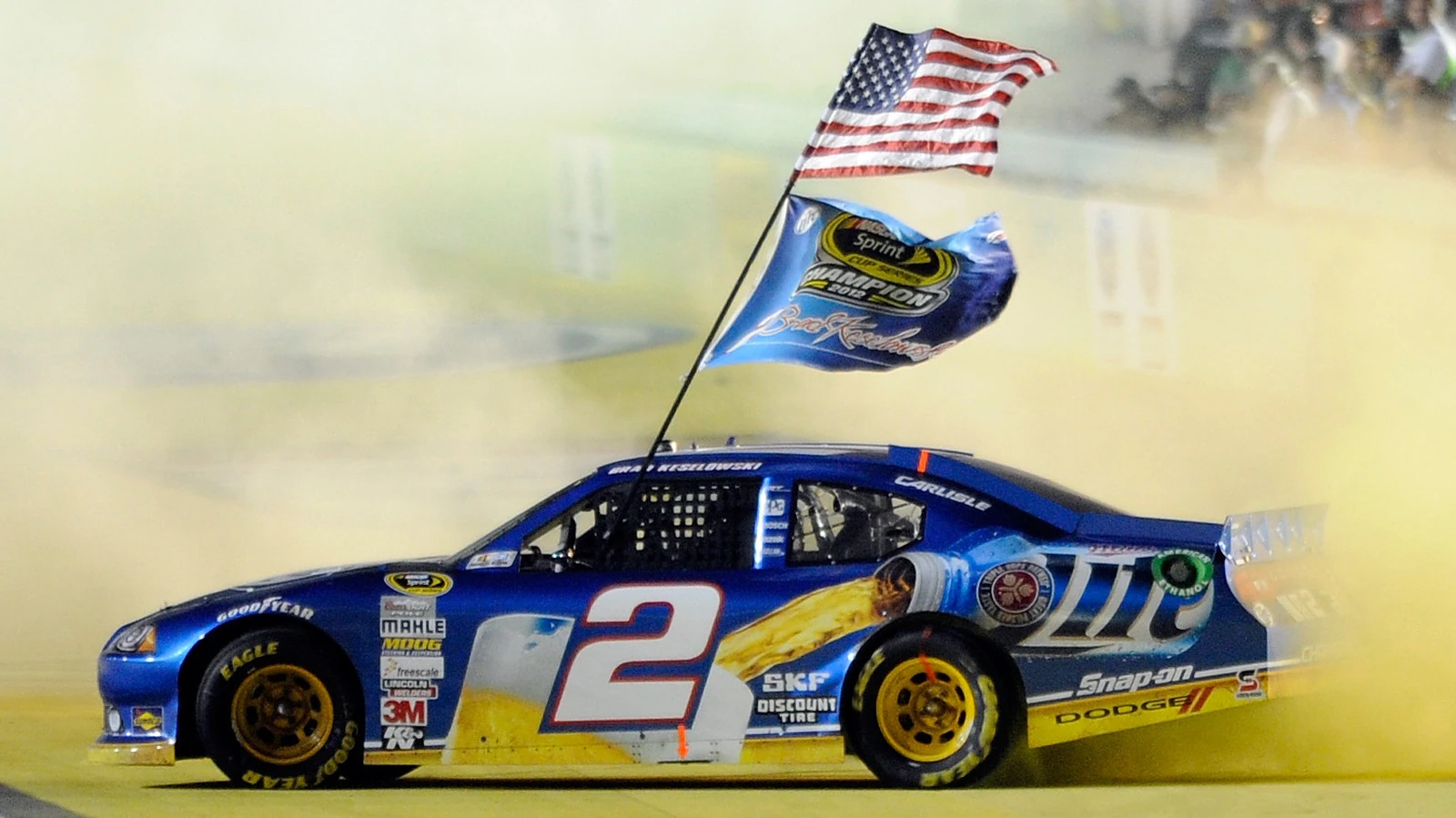
Dodge's last Cup campaign ended with Brad Keselowski taking the 2012 championship. The manufacturer has 217 Cup victories to its name, including 57 across its most recent tenure from 2001 to 2012.

It will be the first new manufacturer in the Cup Series since Toyota joined in 2007. NASCAR Event Management president John Probst called the return a proud moment and acknowledged the long talk about it: "sometimes we talk about it so much and it didn't happen that you almost feel like you lose credibility at some point".

For the series, a fourth factory entry widens the manufacturer base in a field long dominated by three badges. For Dodge owners and buyers, the value is less about direct showroom links than about the brand being visible weekly at the top level of American motorsport, which is where the SRT name will now live on Sundays.
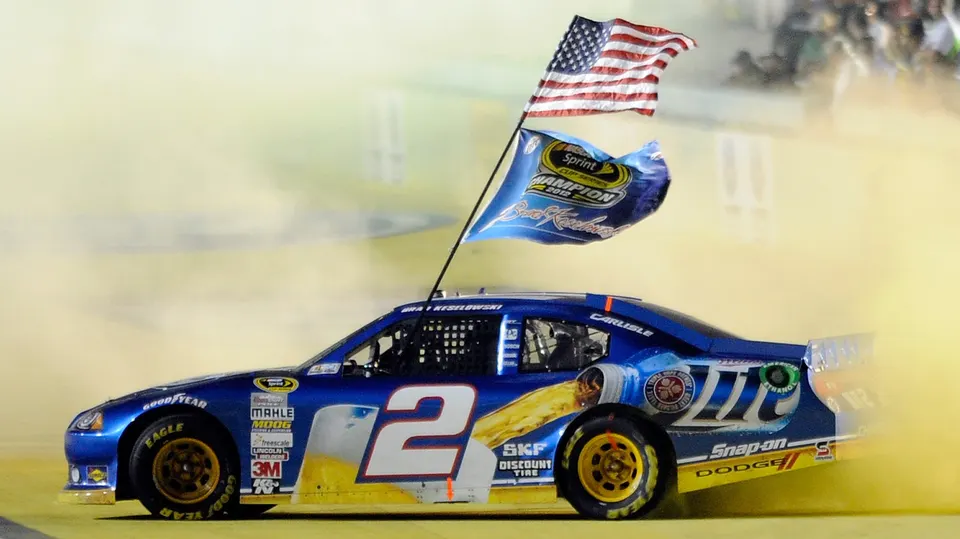
Dodge's winning pedigree: a Miller Lite Dodge celebrates in a cloud of tire smoke, the kind of scene Kaulig Racing will be chasing in its 2026 two-car Cup Series return.
Dodge's winning pedigree: a Miller Lite Dodge celebrates in a cloud of tire smoke, the kind of scene Kaulig Racing will be chasing in its 2026 two-car Cup Series return., Image: Carscoops

What is still open

The two drivers who will pilot the Dodges have not been named. Dodge says the lineup will be confirmed at Homestead-Miami this weekend, so the identity of either driver is not yet public.

Beyond the February Daytona debut and the December 4 car reveal, Dodge has not announced further details of its programme in the material available.
Open this article ↗
New cars / TDCN ORIGINAL

Volvo EX60 delayed for US as tariffs and weak demand hit profits

Volvo's chief commercial officer says US consumer sentiment is at a 50-year low, and the EX60 will reach Europe before America.

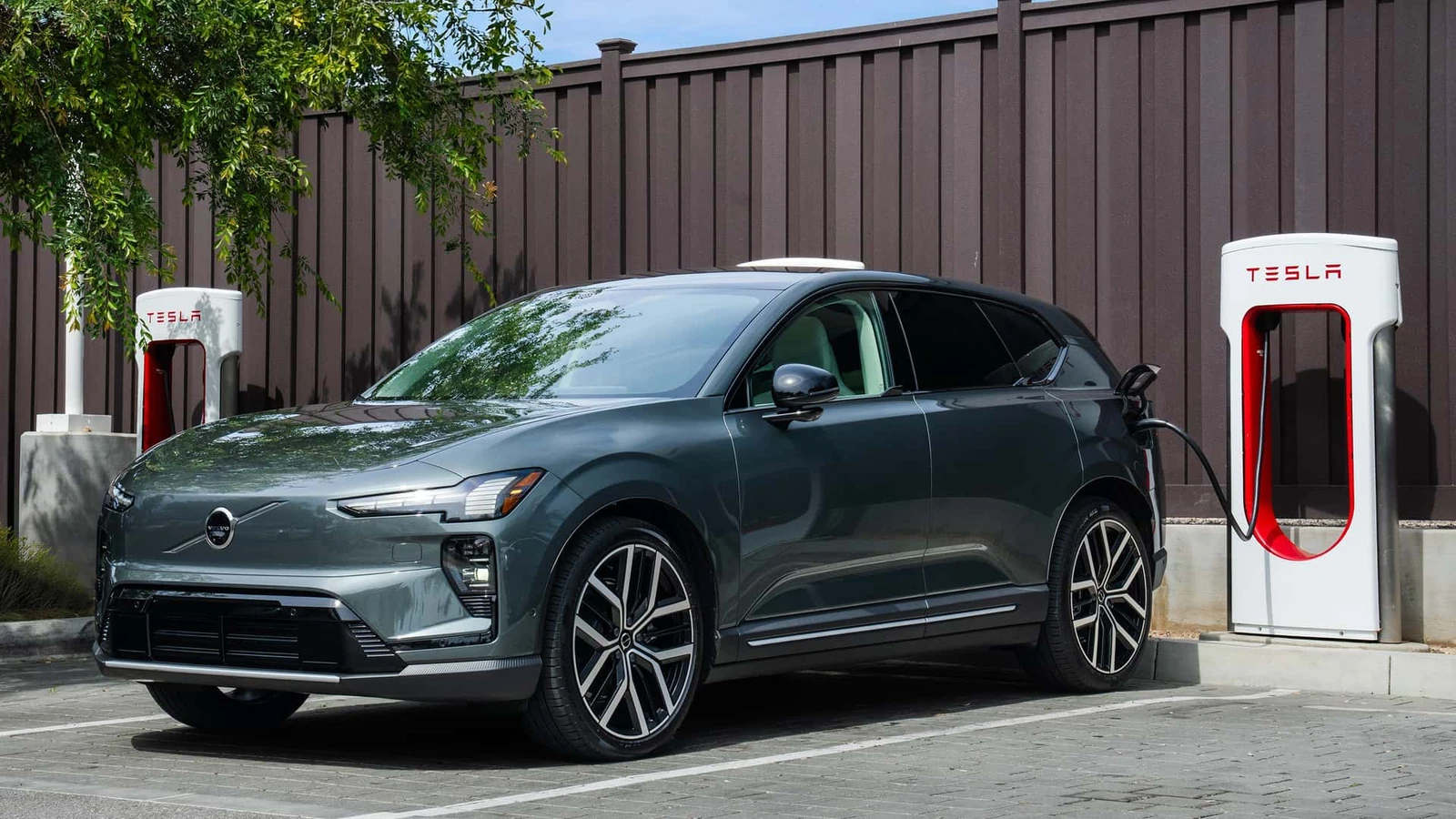
Volvo's EX60 electric SUV will reach US buyers later than originally planned, with Europe prioritised while the company works through manufacturing difficulties on the model. The delay comes as Volvo's leadership conceded on its third-quarter earnings call that the US has proven a difficult market in which to find profitability.

Chief commercial officer Erik Severinson told the call that consumer sentiment in the US is at a 50-year low, and CEO Hakan Samuelsson said Volvo should have anticipated how tariffs would affect its American business.

Tariffs catch Volvo out

Samuelsson said one of the company's oversights was failing to plan for tariffs, admitting Volvo "should have realized" they were a real possibility and that it would need to localize more production in the US to address them. He said the company is now working to correct those shortcomings.

The admission lands in the middle of a turbulent stretch for the brand in America, with shifting tariff policy and the departure of sister brand Polestar from the market cited as changes Volvo has struggled to keep pace with.

The stakes are plain in the numbers Volvo's executives put on the call. Severinson described profitability in the US as difficult to find, and the company is now trying to rebuild demand in one of the world's most important car markets. For buyers, that means the near-term Volvo lineup in America is likely to lean on locally built, multi-powertrain vehicles rather than the high-volume electric models sold elsewhere.

EX60 held back by manufacturing problems

The EX60 was long seen inside Volvo as the model that could reverse its US sales slump. The electric SUV is intended to compete with the BMW iX3 and Mercedes-Benz GLC Electric, but it has proven a manufacturing challenge.

With EV sales continuing to boom in Europe and other electrification hotspots, Americans hoping for an EX60 in their driveway will wait longer than originally anticipated while Europe is prioritised. Volvo has not announced a specific US launch date for the EX60.

That is a notable reversal for a model positioned as a volume seller in the US. Volvo has already pulled the EX30 and EX40 from the American market, removing the high-volume electric vehicles it had counted on, so the EX60's delay leaves the brand with a thinner EV offering in the country at exactly the moment it needs one.

South Carolina plant at a fifth of capacity

Volvo's South Carolina plant is running at just 20 percent capacity, building the EX90 and soon the XC60. A second new vehicle, designed around multiple powertrains, is planned for the site by the top of the decade.

Samuelsson framed that flexibility as a response to the pace of US electrification. "The U.S. is electrifying slower than the rest of the world. We need to have a new car that is also flexible in that respect, with all-electric, plug-in or hybrid," he said.

The logic is straightforward: a plant that can build combustion, plug-in hybrid and electric versions of the same vehicle hedges against demand swings and against tariff exposure that comes with importing finished cars. Volvo has not said which model will be built there beyond the multi-powertrain description.

A strategy built for a market that changed

Volvo's predicament mirrors that of several automakers that committed to all-electric lineups just as the US market cooled on them. Having gone all-in on electrification, Volvo is now recalibrating around localization and a broader powertrain mix to regain traction.

Whether that combination revives Volvo's US fortunes is the open question. What is settled is the sequence: Europe gets the EX60 first, the US waits, and the South Carolina plant carries the localization bet until a more flexible model arrives later in the decade.

Open this article ↗

Keep scrolling to read the next story.

Older articles →