INDEPENDENT AUTOMOTIVE NEWSGLOBAL PERSPECTIVE / AUSTRALIAN EDITION
TDCNTHE DAILY
CAR NEWS.

The road ahead.
Every day.

RSS ↗
Latest/Australia

313 original articles

Australia / TDCN ORIGINAL

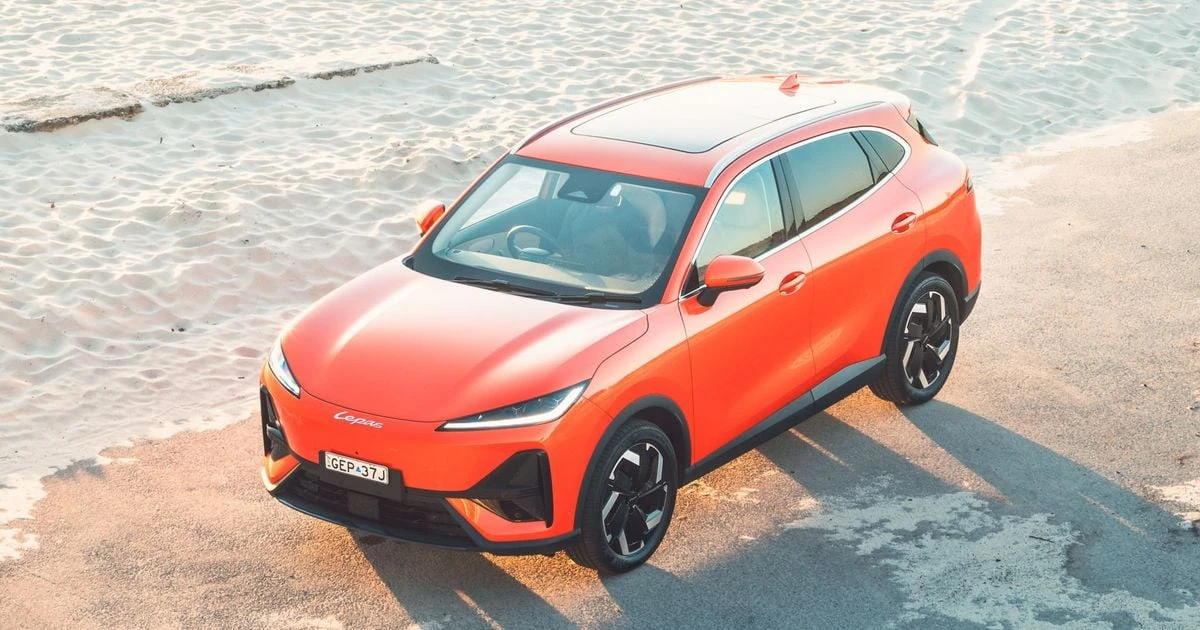
Lepas launches L6 electric SUV in Australia at $47,990, with cheaper Classic variant planned

Chery's new premium brand has launched with a single high-spec variant, and its local boss has not ruled out future price cuts.

Lepas, the new premium brand from Chery, has launched in Australia with its first model, the L6 electric SUV, priced at $47,990 before on-road costs in a single highly specified Signature trim. The brand has confirmed a cheaper Classic version is planned, though it has not said when it will arrive or what it will cost.

The L6 arrives above related Chery group models

At $47,990 before on-road costs, the L6 Signature sits above the related top-spec Jaecoo J7, the base Jaecoo J8 once on-road costs are applied, and the top-spec Chery Tiggo 8 plug-in hybrid. It also undercuts nothing among key rivals: the BYD Atto 3 and Geely EX5 both come in below it.

Lepas Australia boss Brad Ryan told CarExpert that a sub-model, a Classic version, is planned, but the brand is sticking with the single Signature variant for now. "We'll do that as hard as we can until it's run its course and there's a need for another one," he said at the brand's local launch.
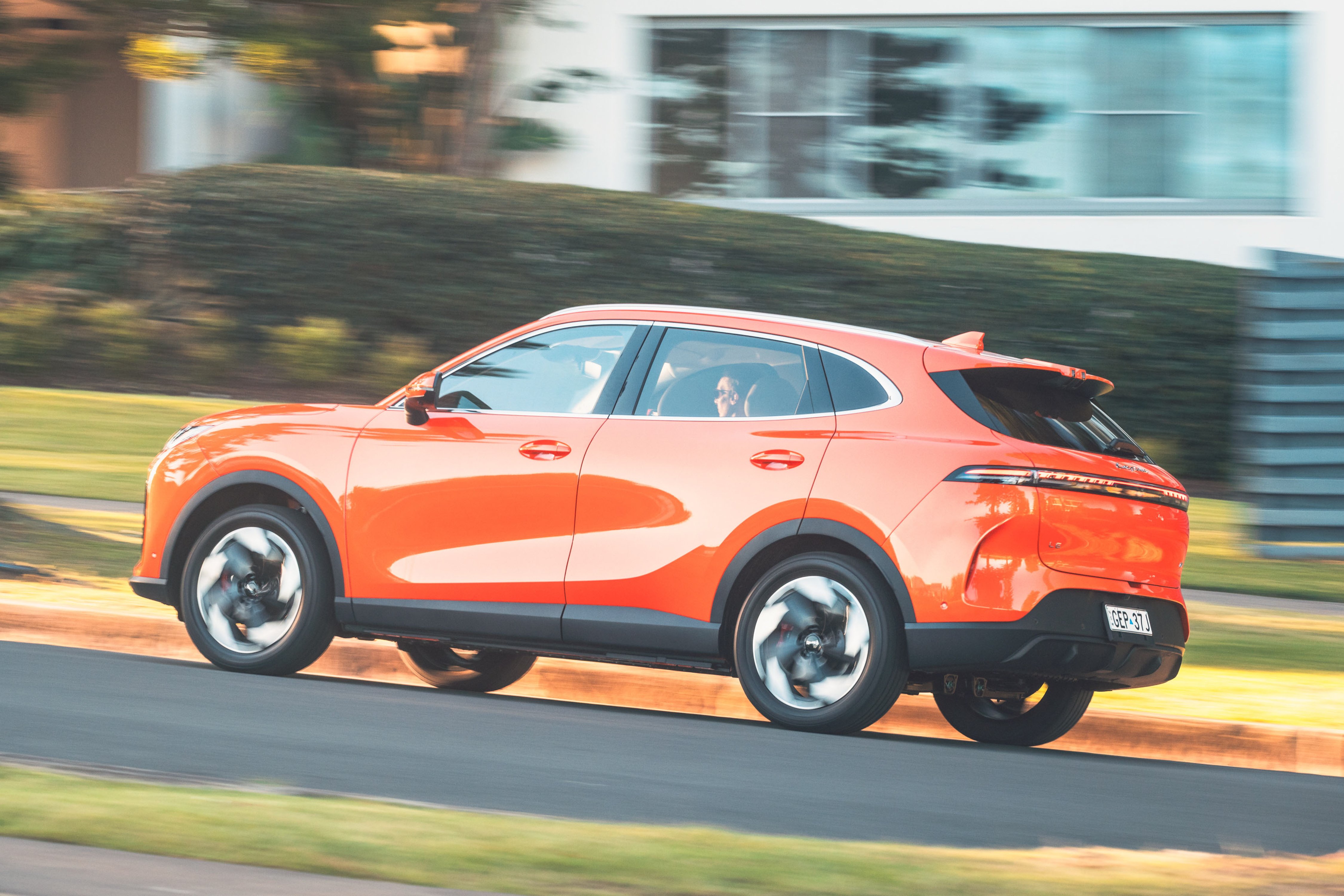
The Lepas L6 electric SUV on the move in Australia, priced from $47,990.
The Lepas L6 electric SUV on the move in Australia, priced from $47,990., Image: CarExpert

Price cuts not ruled out

Asked whether the L6 Signature could be cut in price, Ryan would not rule anything out. "Look, you never say never; nothing is fixed forever; the only constant is change," he told CarExpert, adding that there are no plans at the moment and the brand is not even considering price changes.

The positioning runs against recent trends from several Chinese manufacturers, which have tended to launch with aggressive pricing. Lepas has instead gone premium from the start, with cheaper models to follow.

Resale values and aftersales

Ryan acknowledged the risk around depreciation and future resale values, particularly for EVs, but said he remains confident despite the L6's relatively high pricing. "Obviously, it's a challenge in the market at the moment; we see some of our competitors really struggling with it," he said. "We don't have a volume problem; we're not going to have tens of thousands of them every month coming through needing to be resold, so at this stage, I don't see it being as much of an issue."

Lepas is considering guaranteed future value (GFV) plans in the near future, though Ryan said the brand is not far enough down the track to give an indication of potential resale values.

On aftersales, Lepas vehicles will be sold through standalone dealerships while drawing on the established Chery network behind the scenes. Chery Australia COO Lucas Harris said Lepas is subject to the parent brand's minimum standard for parts supply, with 95 to 96 per cent of a model's bill of materials required to be landed and in stock in the country before launch.
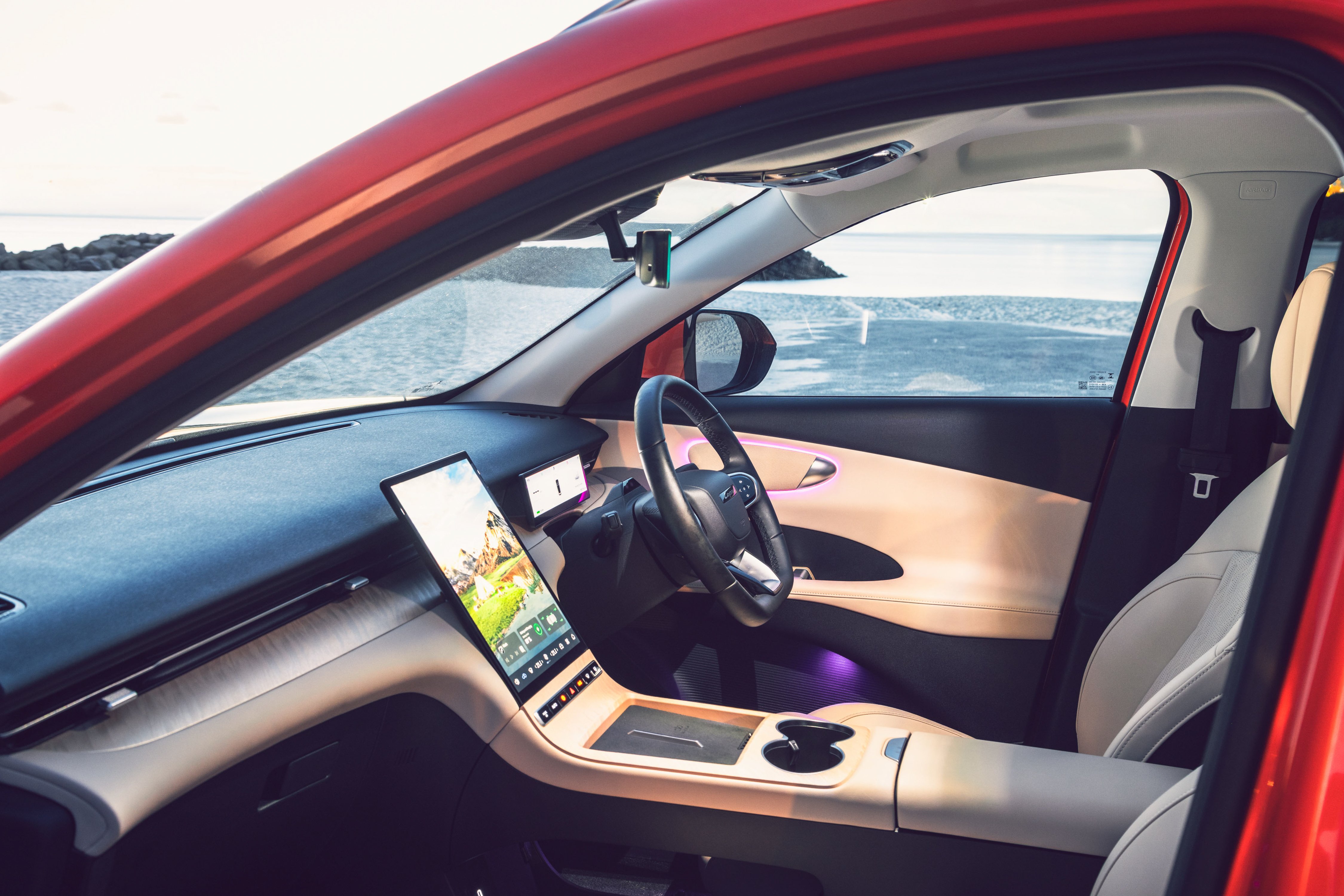
Inside the L6, where the cabin tech and aftersales support will matter to buyers.
Inside the L6, where the cabin tech and aftersales support will matter to buyers., Image: CarExpert

Battery, range and charging details not yet announced

The source material does not include the L6's battery size, driving range or charging figures, and Lepas has not yet confirmed those details for the Australian launch. Buyers weighing the L6 against the cheaper BYD Atto 3 and Geely EX5 will need those numbers before the premium positioning can be judged on anything but price and trim level.
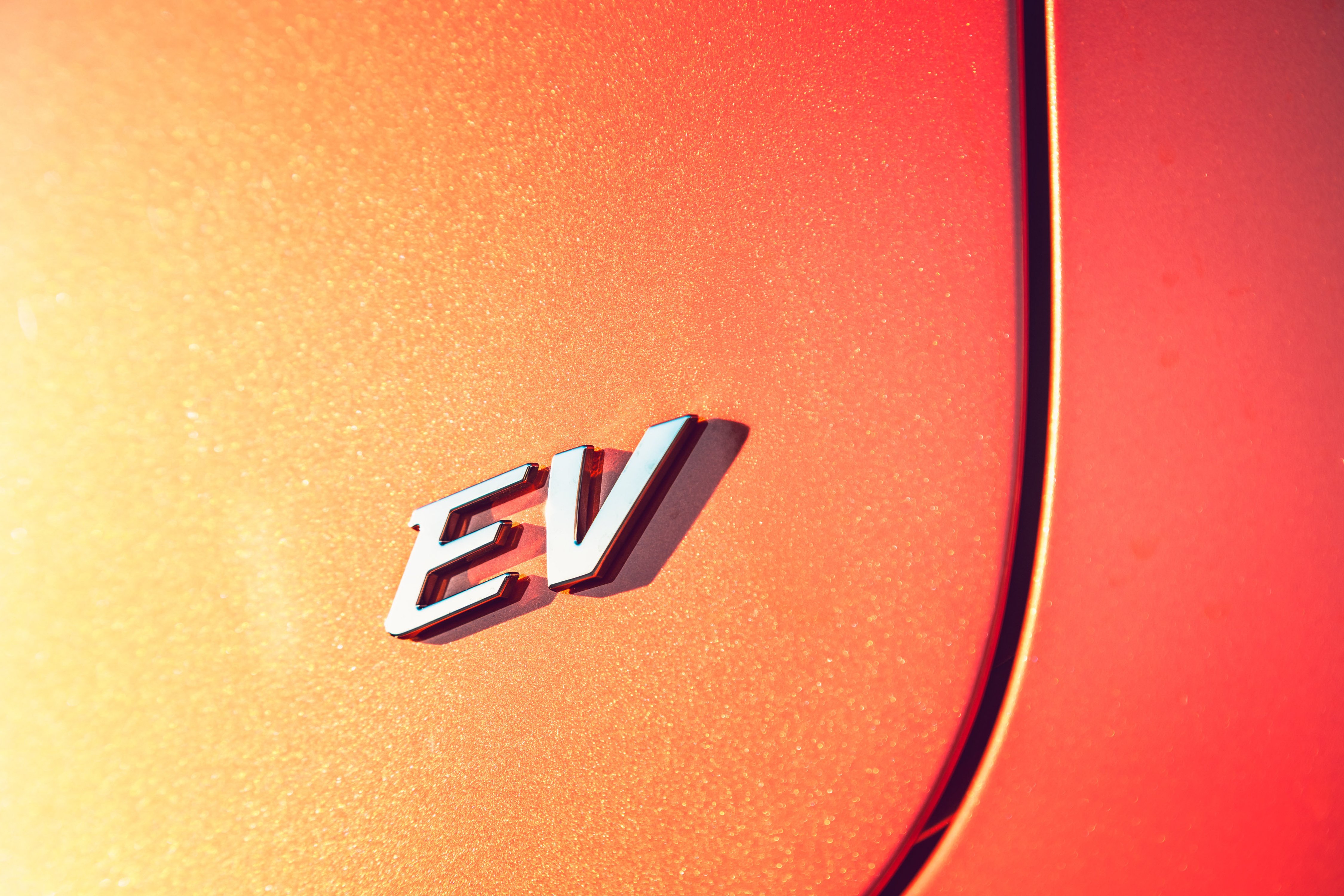
An EV badge on the L6, though battery, range and charging figures are still to be confirmed.
An EV badge on the L6, though battery, range and charging figures are still to be confirmed., Image: CarExpert
Open this article ↗
Australia / TDCN ORIGINAL

Ford confirms new affordable ute to slot below Ranger in international markets

CEO Jim Farley says the unnamed midsize pickup is due next year with base material costs 20 per cent below today's Ranger, though Australian availability is unconfirmed.

Ford will launch a new, cheaper midsize pickup for international markets next year, a model the company says could sit below the Ranger as a more affordable alternative. CEO Jim Farley confirmed the plan on a third-quarter 2026 earnings call, describing a truck intended to bring new buyers into Ford's truck lineup outside North America at a cost structure that lets it compete with Chinese automakers.

The vehicle does not yet have a confirmed name or price. Ford has only described it as its "affordable midsize pickup for international markets", and no model name, sticker price or Australian pricing has been announced.

What Ford has actually confirmed

Farley said base material costs for the new truck are expected to be 20 per cent lower than today's Ranger, the figure underpinning its cheaper positioning. He framed the model as doing internationally what the Maverick has done in the United States: drawing new customers into the Ford truck range at a lower cost of entry.

The pickup will be built in the US, according to the details given on the call, and a right-hand drive export program has not yet been confirmed. That last point matters for anyone hoping to see it in Australian showrooms, because without a right-hand drive build there is no obvious path to a local launch.

Why Australia is a live possibility but not a certainty

Farley's reference to international markets indicates the truck is intended for sale outside North America, which keeps an Australian launch on the table. Ford Australia declined to comment when asked about it.

The logic of slotting a cheaper ute under the Ranger is easy to follow in a market where the Ranger is the top seller, but the sources stop short of promising it. Buyers should treat Australian availability as a possibility raised by Ford's own wording, not a confirmed plan.

The Chinese joint-venture question

Farley's talk of lower production costs and competing with Chinese manufacturers has prompted suggestions that the pickup could be another collaboration with one of Ford's two Chinese joint-venture partners, Changan or JMC, and likely built in China. That reading sits awkwardly beside the statement that the truck will be built in the US, so the manufacturing picture is not settled in the material available.

Ford has already used the JMC partnership to develop the Transit City van, which arrives in Australia this year. Despite being sized similarly to the Transit Custom, Chinese production has allowed Ford to price it significantly lower. The same partnership produced the Bronco Basecamp, due in Australia in the second half of 2027, though that model was developed from the outset as a Ford vehicle rather than being closely related to a JMC product.

JMC's history with Ford runs deep. The Chinese firm was established in 1993 and built its first pickup that year, the Baodian, a rebadged Isuzu Faster better known in Australia as the Holden Rodeo. Ford later acquired a stake in JMC, and subsequent JMC models used Ford technology, including the Vigus sold in Australia between 2015 and 2018 with a licensed version of Ford's turbocharged 2.0-litre four-cylinder EcoBoost petrol engine. The JMC brand returns to Australia this year through independent distributor Jumac, offering the budget Vigus Plus ute and the newer Grand Avenue.

Not the electric Fathom

Farley's comments on the affordable pickup were separate from the previously confirmed electric Fathom dual-cab, which he also discussed on the same earnings call. The two are distinct projects, so the new cheap ute should not be confused with Ford's electric dual-cab offering.

Open this article ↗

Keep scrolling to read the next story.

Older articles →