INDEPENDENT AUTOMOTIVE NEWSGLOBAL PERSPECTIVE / AUSTRALIAN EDITION
TDCNTHE DAILY
CAR NEWS.

The road ahead.
Every day.

RSS ↗
Latest/Electric

295 original articles

Electric / TDCN ORIGINAL

Tesla driver tears charging cable off Model 3 in first filmed misuse of Emergency Drive Away

The Austin incident happened during F1 Grand Prix weekend, when the owner clicked through the warning prompts and pulled away still plugged in.

Image: Carscoops

A Tesla owner in Austin, Texas, drove away from a Supercharger with the cable still attached, ripping it off the car in the first widely shared video of an accidental use of Tesla's Emergency Drive Away feature. The incident happened during the Formula 1 Grand Prix weekend, at around 6 AM on the Sunday, according to the driver who filmed it.

What Emergency Drive Away is meant to do

Tesla added Emergency Drive Away to its cars through a software update, aimed at owners in the United States who need to leave a Supercharger in a hurry without unplugging first. The name sets the terms: it is intended for emergencies only, because pulling away while connected can damage both the car and the charging equipment.

The feature does not engage on a single tap. It activates only after warning screens and a required driver action, which is exactly where the Austin owner appears to have come unstuck.
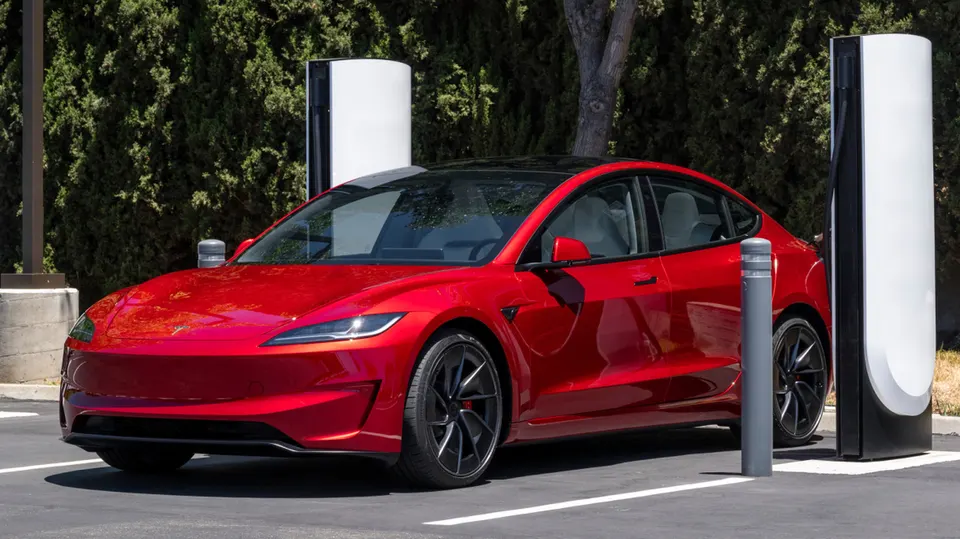
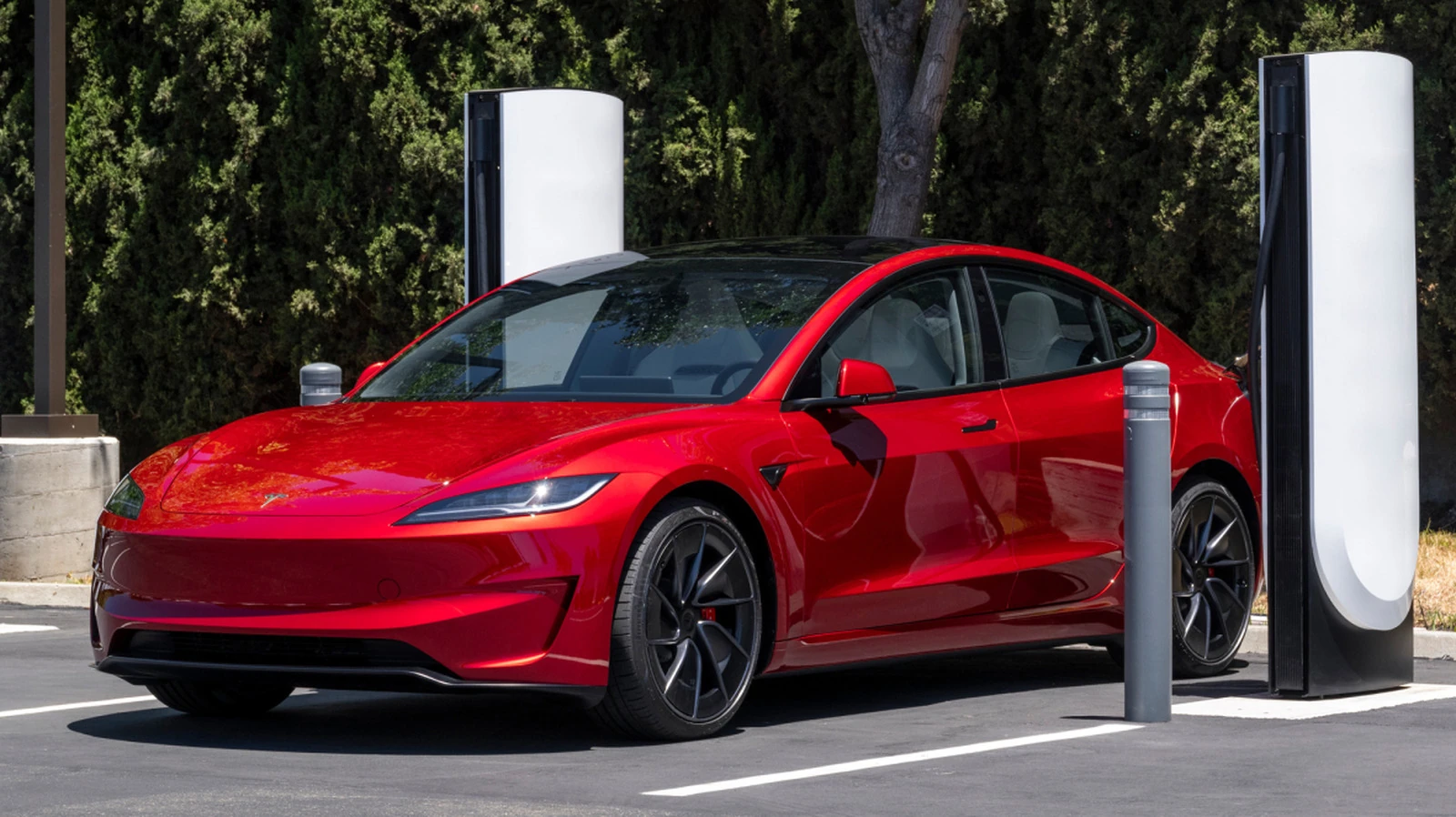
A Model 3 plugged in at a Tesla Supercharger, the setting where Emergency Drive Away is meant to spare drivers from being stranded.
A Model 3 plugged in at a Tesla Supercharger, the setting where Emergency Drive Away is meant to spare drivers from being stranded., Image: Carscoops

How the Austin incident played out

The car was a dark blue Model 3, captured by a Tesla charging in the neighbouring stall. The owner can be seen pressing buttons on the centre screen before the car moves off. It travelled only a few feet before stopping, but the cable was torn away in the process.

The driver then got out and clasped a hand to their forehead. The clip was posted to the TeslaLounge subreddit by Reddit user Joshalander, a Tesla owner, who wrote that the driver "looked exhausted and only seemed to half read the prompts".

Joshalander suggested Tesla add stronger safeguards against reflex tapping, such as flashing the whole screen red and sounding an alarm like the one used for the "take over immediately" alert in FSD and Autopilot, while keeping the feature fast for genuine emergencies. A commenter with an IT background called the mix-up "inevitable", noting how readily people click OK without reading.

That reflex is the obvious weak point of a feature built for speed. The prompts exist, but a driver rushing to beat traffic or escape a downpour is precisely the person least likely to read them, and the cost of a mis-tap lands on the car and the charger rather than the screen.

The penalty question

Tesla warns that deliberate misuse can carry penalties, and the sums involved are not trivial: repairing a Supercharger can cost up to $25,000, and the car needs a mandatory service visit to check and repair the charging port.

Whether the Austin driver was charged anything has not been announced. The report of the incident does not say whether Tesla billed the owner or waived the cost, so for now the penalty remains a warning rather than a confirmed outcome.

Why Tesla built it

Emergency Drive Away was developed shortly after the shooting in Twin Falls, Idaho, on August 1, 2026, in which people charging their Teslas were among the targets. That origin explains the feature's design priority: getting out of the stall matters more than protecting the hardware, and the software is tuned accordingly.

The trade-off is that the same speed that makes it useful in a crisis makes it easy to trigger by accident. Owners who want to avoid the Austin outcome have a simple routine available: read the screen before tapping OK, every time they plug in.
Open this article ↗
New cars / TDCN ORIGINAL

Nissan Frontier Ronin concept swaps in GT-R turbos for SEMA

The desert-running show truck keeps the Frontier's 3.8-litre V6 but adds a rear-mounted twin-turbo setup from the R35 GT-R, plus Titan suspension parts and a four-inch lift.

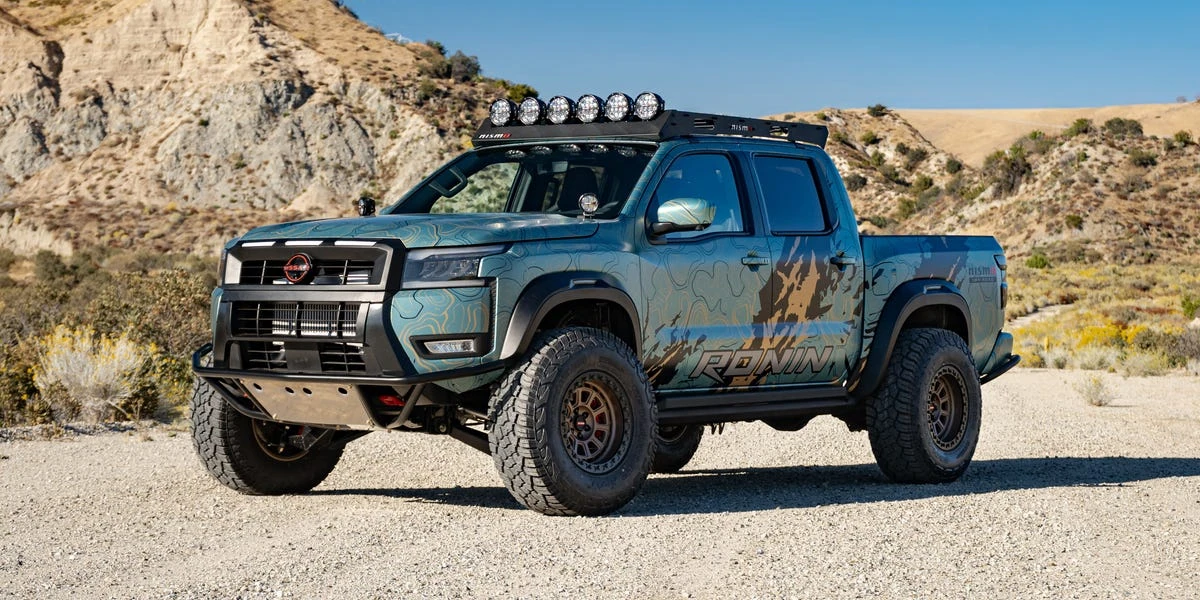
Nissan has revealed the Frontier Ronin concept, a heavily modified version of its mid-size pickup built for the 2026 SEMA show, with a rear-mounted twin-turbo system borrowed from the R35 GT-R. The concept is one of several Nissan SEMA builds and is aimed at turning the Frontier into what the company calls an "unstoppable off-road truck".

GT-R turbos, Frontier V6

The Ronin keeps the Frontier's 3.8-litre V6, but Nissan has added forced induction using the GT-R's twin-turbo arrangement, mounted at the rear of the truck. A set of custom intakes feeds the engine and a custom front-mounted intercooler keeps it cool, while exhaust gases exit through a NISMO Off Road system with three-inch cutouts.

Nissan has not published a power figure for the build, so the output is unconfirmed; the standard Frontier's V6 is rated at 310 horsepower, and the forced-induction setup should push well beyond that.

Titan hardware and long-travel suspension

Underneath, the Ronin adopts a modified version of the Titan's rear suspension and rear axle, along with a Bilstein Black Hawk suspension package. That package includes four-way adjustable coil-overs, internal hydraulic bump stops, integrated rebound cut-off, and separate high- and low-speed adjustment for compression, rebound and bypass damping.

Custom CJD Racing long-travel components add four inches of lift, 12 inches of extra width and 14 inches of suspension travel. The truck rides on prototype NISMO Ascend beadlock wheels wrapped in Yokohama Geolandar X-AT tyres.

The build sheet points to a desert runner rather than a rock crawler, a role the Ford Ranger Raptor currently fills in the mid-size pickup class. That positioning matters because it puts the Frontier concept in the fast off-road pickup segment rather than the slower, technical terrain niche.

Show car, not showroom car

As a SEMA concept, the Ronin is a showcase of what the Frontier platform can support rather than a production model. Nissan has not announced whether any of the Ronin's hardware will reach showrooms, and no pricing or on-sale details apply to the concept itself.

For buyers, the concept is a useful signal of where the Frontier could go: the Titan-derived rear end and long-travel suspension show the platform has room for serious off-road hardware, even if the GT-R turbo plumbing is unlikely to appear on a dealer lot.

Open this article ↗

Keep scrolling to read the next story.

Older articles →