INDEPENDENT AUTOMOTIVE NEWSGLOBAL PERSPECTIVE / AUSTRALIAN EDITION
TDCNTHE DAILY
CAR NEWS.

The road ahead.
Every day.

RSS ↗
Latest/New cars

329 original articles

New cars / TDCN ORIGINAL

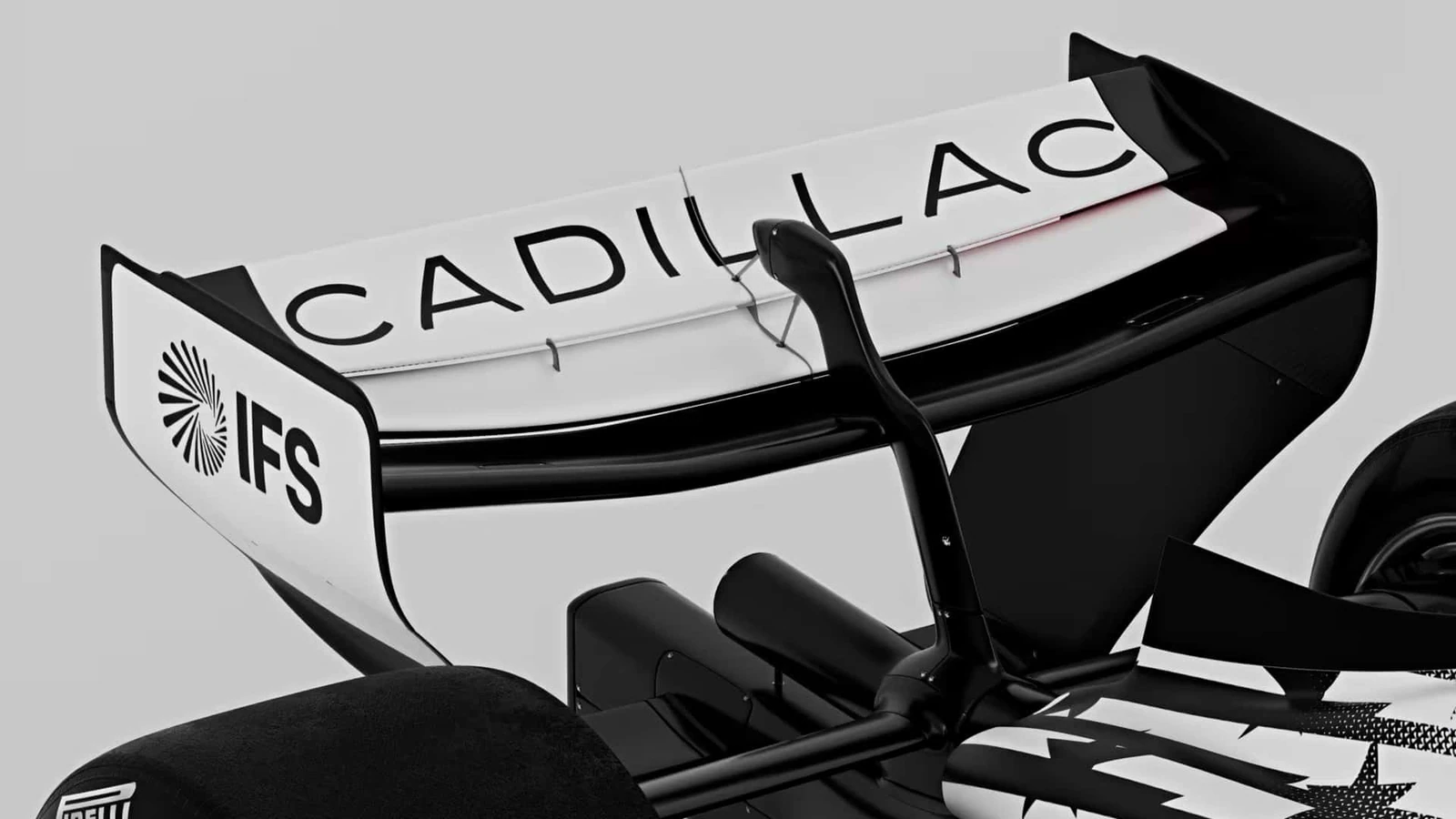
Cadillac F1 team owner Mark Walter seeks $3 billion sale, report says

No buyer has been named and no deal has closed, but the asking price reflects the roughly $1.45 billion already spent to put Cadillac on the grid.

Image: Motor1

Mark Walter is shopping the Cadillac Formula 1 team for at least $3 billion, according to Sportico, which reported an active sale process rather than a completed transaction. No buyer has been named and no agreement has closed.

The team is run through TWG Motorsports, the division of Walter's TWG Global that controls the entry, with General Motors as co-owner. The split between the two owners has never been disclosed.

A sale process that contradicts August assurances

The reporting sits awkwardly beside TWG Global's own statements from August, when the company said it was not considering exiting its stake in the Cadillac Formula 1 team or any other part of TWG Motorsports. Walter went further at the time, telling reporters the team would be kept no matter what.

TWG Motorsports' portfolio also includes Andretti Global, Spire Motorsports, Wayne Taylor Racing and Walkinshaw TWG Racing. The current reporting indicates only the Cadillac F1 stake is on the table. Walter has separately sold his 13 percent stake in Chelsea and is seeking a buyer for the WNBA's Los Angeles Sparks.

Because the sale is reported by a single outlet citing unnamed sources, the process should be treated as unconfirmed until a buyer or agreement is announced.

One point on track and a $400 million loss

The timing lines up with a rough debut season. Cadillac has scored just one point so far in its first Formula 1 campaign.

The team is on pace to lose roughly $400 million this year, a figure tied directly to the cost of standing up a new operation from nothing. That is the number that makes the sale question sharper: a start-up team's losses land before any of the sporting or commercial upside does.

Where the $3 billion figure comes from

The asking price traces back to what it cost to get Cadillac onto the grid. TWG and GM paid a $450 million dilution fee to the other nine teams for the right to join, then put in at least another $1 billion to build the team from scratch.

Against those sunk costs, the price tag looks in line with the market rather than inventing a new one. The average value of an F1 team hit $3.42 billion last year, up 48 percent from the year before.

More than 20 parties have reportedly expressed interest, though people close to the process say fewer than seven have the capital to meet TWG's number. That gap between curiosity and real buying power is typical of a sale at this scale, and it helps explain why no transaction has materialised.

The technology case outlasts the ownership question

Whatever Cadillac's results on track, the business case has not gone anywhere. GM has already discussed sharing F1-derived technology with future performance models, a long-term payoff that exists independently of whether Walter keeps his stake or sells part of it off.

For buyers, that makes the team an engineering asset as much as a racing one. For GM, it means the technical rationale for the programme does not depend on who signs the cheques.
Open this article ↗
Electric / TDCN ORIGINAL

Renault reveals Forefront Concept, a remotely operated electric military vehicle

Built with defence firm John Cockerill, the cab-less dual-motor EV is heading into French army trials, with range, price and battery details still to be confirmed.

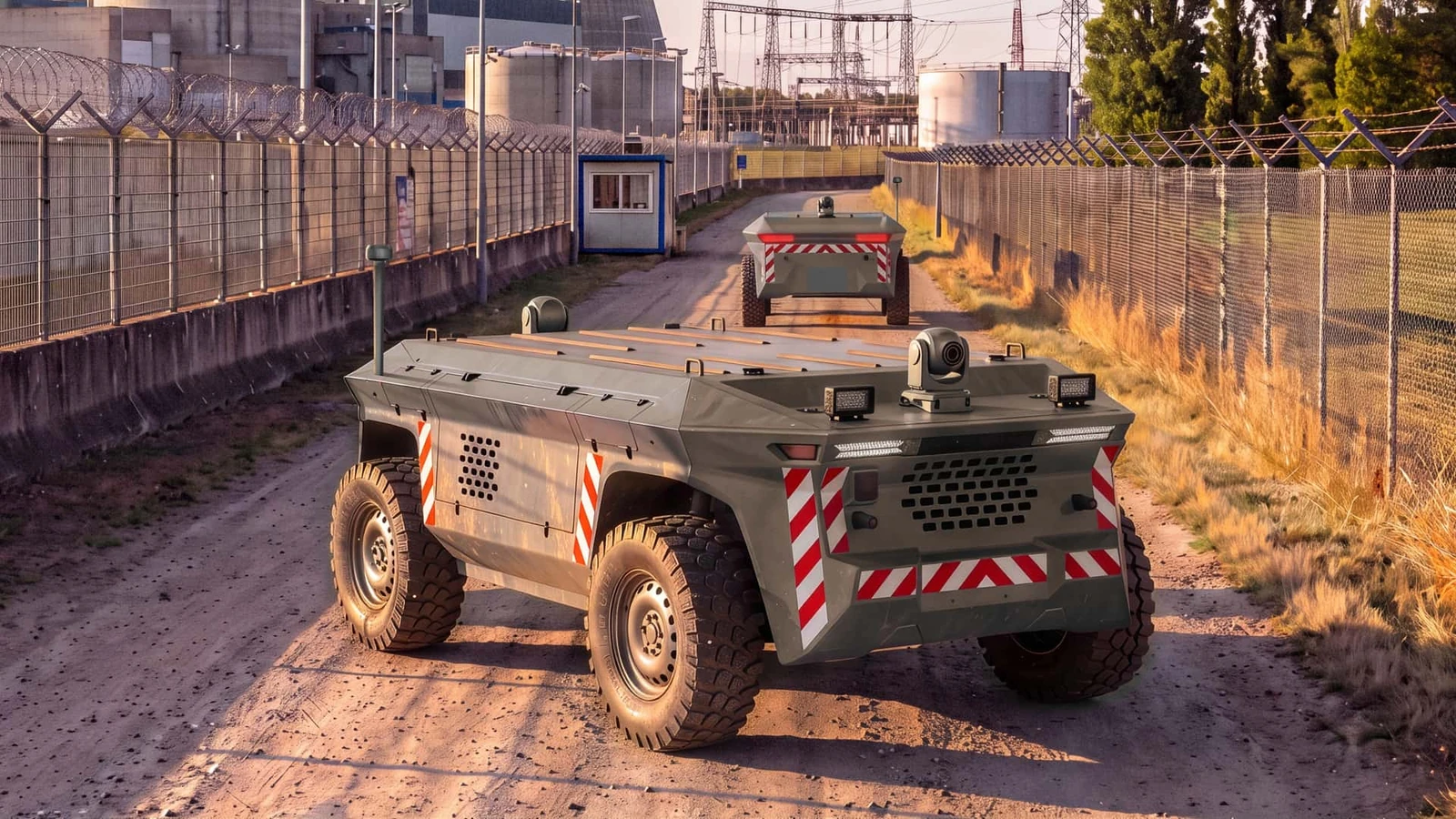
Renault Group has unveiled the Forefront Concept, an all-electric, all-wheel-drive modular vehicle developed for military operations and designed to be driven remotely or autonomously in high-risk, hard-to-reach areas. The French armed forces will put the concept through several exercises and trials in the coming weeks, after which Renault will refine it based on operational feedback.

What the Forefront Concept is and who built it

Renault Group built the vehicle, while defence company John Cockerill designed its remote-operation and autonomy functions, drawing on input from the French armed forces. The machine has no cab, and Renault says it uses proven automotive components to keep costs down and speed up potential production.

The concept is intended for both defence and civilian applications: it can be operated remotely by a human or sent into dangerous sites on its own using its autonomous driving capabilities. Renault says the vehicle was designed to be put into production quickly at competitive costs.

Powertrain, range and payload

The Forefront Concept is powered by two electric motors with all-wheel drive and four-wheel steering, and Renault says it can travel in complete silence across harsh terrain. The projected range is roughly 250 miles (400 kilometres) on a full charge, and an add-on range extender can extend the driving distance further.

Renault has not said how much energy the on-board battery or the range extender can store, and it has not published power or torque figures for the dual-motor setup. The vehicle is rated for a 2,200-pound (1-tonne) payload.

What the military wants it to do

With that payload, Renault positions the dual-motor machine for logistics support, anti-drone operations, fire support and evacuation. Sending a vehicle with no human behind a steering wheel into contested areas means fewer potential casualties, and the same silent, unmanned approach suits companies that need safe access to dangerous sites.

The Forefront Concept arrives as militaries increasingly hand the heavy lifting to remotely controlled machines. Ukrainian companies have produced thousands of remotely controlled robots in the fight against Russia, ranging from small mini-tanks to large drones able to airlift wounded soldiers. In the United States, the Army has awarded American Rheinmetall an 18-month contract to develop and deliver next-generation uncrewed ground vehicles, based on Harbinger's extended-range EV platform, which uses a petrol engine as a generator for an electric powertrain and offers more than 500 miles of range with a full tank and battery, plus payload capacity of up to 18,000 lbs.

That contrast is instructive: Renault's concept trades payload and range for silence and simplicity, while the Harbinger-based design carries far more but relies on a combustion generator. For buyers, the Forefront's real advantage is that it borrows existing automotive parts rather than requiring a clean-sheet military supply chain, which is what makes Renault's talk of fast, low-cost production plausible.

Price and availability

There is no price yet, and Renault has not announced a launch date. The company has said only that if there is enough interest, the boxy machine could become a reality sooner rather than later.

The immediate next step is the French army trials, which will generate the operational feedback Renault says it will use to refine the concept.

Open this article ↗

Keep scrolling to read the next story.

Older articles →