INDEPENDENT AUTOMOTIVE NEWSGLOBAL PERSPECTIVE / AUSTRALIAN EDITION
TDCNTHE DAILY
CAR NEWS.

The road ahead.
Every day.

RSS ↗
Latest/Electric

282 original articles

Electric / TDCN ORIGINAL

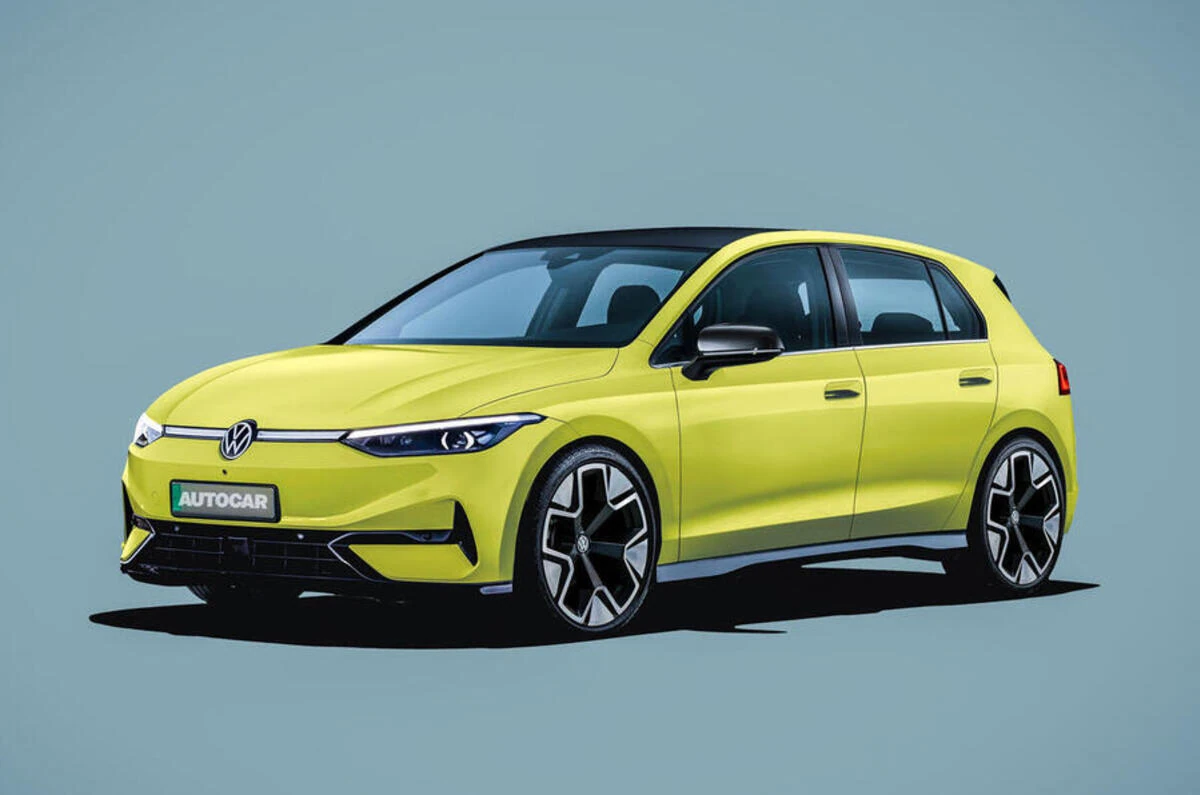
Volkswagen pauses electric ID Golf development over cost pressure

The board has halted work on the Wolfsburg-built hatchback, though VW insists the early-2030s launch is still planned.

Volkswagen has suspended development of the electric ID Golf, the hatchback it intends to build at its Wolfsburg headquarters in the early 2030s, as financial pressure forces the brand to cut spending on future models. Volkswagen brand boss Thomas Schäfer confirmed the board agreed the pause but said the car has not been cancelled.

Why Volkswagen has stopped work

In an internal company interview obtained by German broadcaster NDR, Schäfer said: "We simply cannot afford this work at present," adding: "We're pausing it, not cancelling it". Volkswagen finance boss David Powels framed the move as one of several cost measures, saying development work on the future ID Golf would be paused "until we can securely accommodate the necessary investments".

The backdrop is a sharp deterioration in results. The Volkswagen Group posted a €5.82 billion loss in the third quarter of 2026, and the Volkswagen passenger car brand recorded a €182 million loss, its first quarterly deficit since 2020. Group deliveries fell 9.0 per cent to 6.01 million in the first nine months of 2026, with China down 30.3 per cent to 1.38 million. Global electric deliveries dropped 5.4 per cent to 678,702, and Chinese electric deliveries fell 42.5 per cent to 48,938. Operating profit collapsed from €5.4 billion to €71 million over the same period, and the group booked a €1 billion write-down on assets in China.

Schäfer acknowledged that rising electric car sales are adding to the pressure, because Volkswagen still earns lower margins on electric models than on comparable combustion-engined cars. That is the bind behind the pause: the brand needs to fund a new platform, drivetrain and software for the Golf while cutting the spending that develops them.

Timing already slipped to the next decade

The ID Golf was originally expected in 2028 or 2029, but changes to Volkswagen's 800-volt Scalable Systems Platform and its associated software pushed the plan to the beginning of the next decade. The car is set to follow an electric T-Roc onto SSP, the architecture intended to underpin a new generation of group models.

Volkswagen's works council argues the latest interruption need not delay introduction, saying lost development time could be recovered. That claim is the one to watch: a pause agreed by the board and a workforce body's confidence that the schedule can be clawed back are not the same thing, and the launch window now rests on the recovery argument holding.

What the ID Golf is meant to be

The electric hatchback is planned to blend familiar design cues from earlier Golf generations with software developed through Volkswagen's joint venture with US electric car maker Rivian. GTI and R performance versions are also envisaged.

Production of the existing petrol-powered Golf is scheduled to move from Wolfsburg in Germany to Volkswagen's Puebla plant in Mexico, which keeps the German factory's future tied to the electric model.

Price and specifications still open

Volkswagen has not announced pricing for the ID Golf in any market, and no battery capacity, power, torque or range figures have been released. The car's launch timing beyond "the beginning of the next decade" is likewise not fixed. Buyers will get those details closer to the launch, assuming the development pause is lifted on schedule.
Open this article ↗
Electric / TDCN ORIGINAL

Volkswagen opens Zwickau dismantling line to sell used original parts

The former EV-only plant will break down 4,100 cars a year from 2027, with parts already reaching dealers since July.

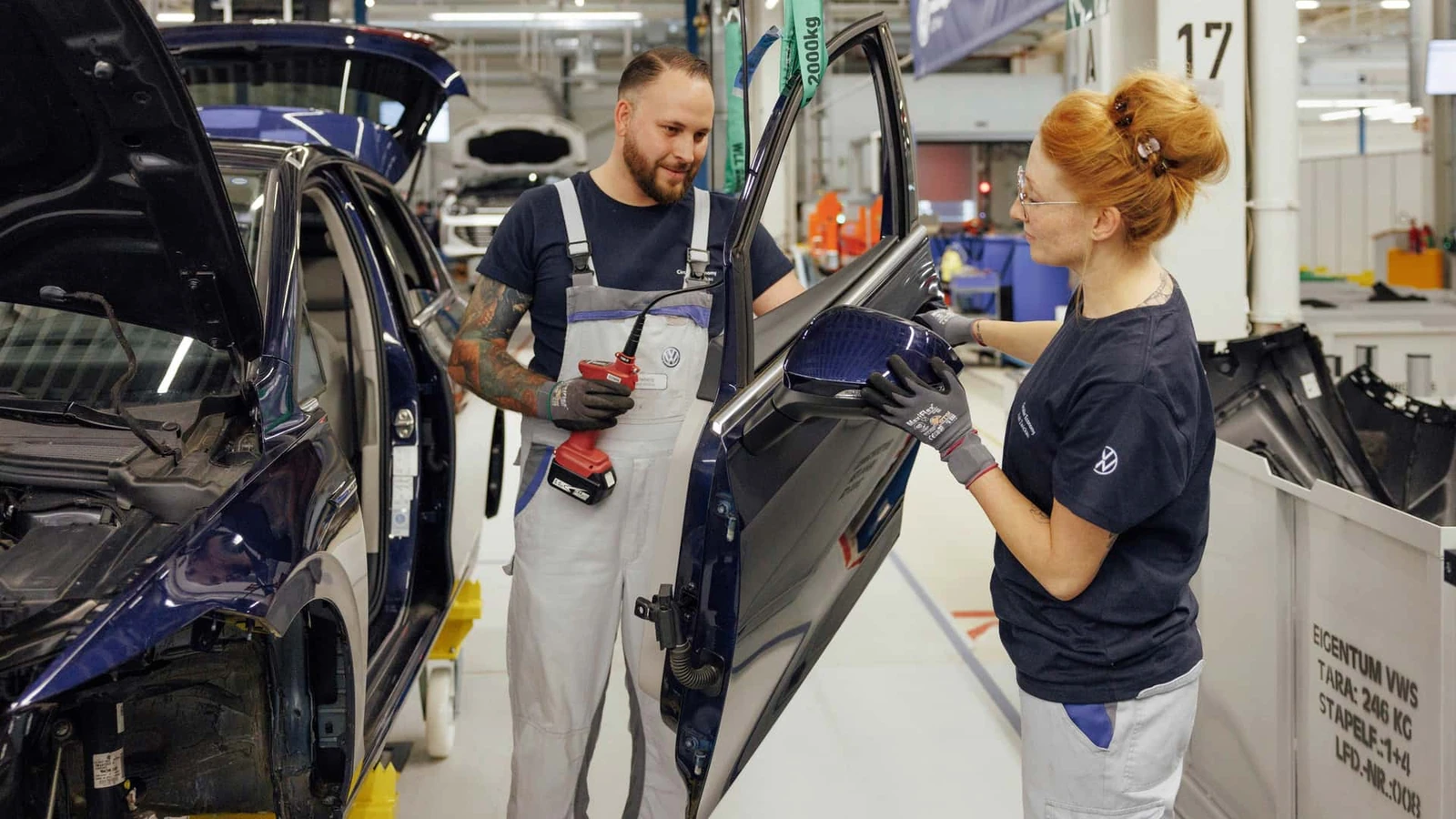
Volkswagen has opened an industrial dismantling line at its Zwickau plant in Germany, turning the site that was converted purely for electric car production into a source of factory-backed used parts. The line will process 4,100 vehicles a year across two shifts from 2027, staffed by 100 workers retrained for the job.

The automaker says usable original parts recovered at Zwickau have been on sale since July through its dealer and service networks, independent workshops and parts retailers, with doors, bumpers, motors and transmission components reportedly in especially high demand.

What the line will do

The eight-stage dismantling operation will initially handle preproduction vehicles before eventually taking in cars at the end of their life. Construction and approvals took nine months and finished three months early, and Volkswagen says manufacturing equipment could be reused to hold down costs.

Material recovery runs alongside the parts business. Separating plastics before recycling keeps them useful for new components, and Volkswagen says plastic recovered from one vehicle could contribute recycled material to three new cars, though not all of it.

Prices and warranty still under wraps

Volkswagen has not disclosed what it charges for the recovered parts, nor its sales volumes, warranty terms or how it inspects components before resale. It also has not identified which cars supplied the parts already sold.

The stated aim is to make repairs cheap enough that older cars stay on the road rather than being written off. That matters because a factory-backed original part with an unclear warranty is a harder sell to a workshop than a cheap pattern part, so the missing warranty detail is the one buyers will want first.

A plant with a future beyond 2031 to settle

Zwickau became Volkswagen's electric manufacturing hub through a €1.2 billion conversion that began in 2018. ID.3 production started in November 2019, the last combustion car followed in June 2020, and the transformation was completed in January 2022 with the ID.5. The retooled lines now build six MEB-based electric models for Volkswagen, Audi and Cupra.

Volkswagen plans to invest up to €90 million in expanding the recycling business, with the Saxony state government pledging €10.7 million, and the operation could eventually support 1,000 jobs. No vehicle production is planned at Zwickau beyond 2031, so the recycling line does not by itself secure the plant's long-term future.

The backdrop is margin pressure: rising EV sales are squeezing profitability because the electric models still earn less than combustion cars, and Volkswagen has paused development of the upcoming electric Golf until it can accommodate the investment. Dismantling is therefore a revenue stream whose profitability at scale still needs proving.

Volkswagen has not said the operation will be limited to EVs, and at least one car in its published photos appears to be a Golf, although the captions do not identify the models. Zwickau may build only electric cars, but its used-parts business looks set to serve a wider crowd.

Open this article ↗

Keep scrolling to read the next story.

Older articles →