INDEPENDENT AUTOMOTIVE NEWSGLOBAL PERSPECTIVE / AUSTRALIAN EDITION
TDCNTHE DAILY
CAR NEWS.

The road ahead.
Every day.

RSS ↗
Latest/Electric

282 original articles

Electric / TDCN ORIGINAL

Volkswagen opens Zwickau dismantling line to sell used original parts

The former EV-only plant will break down 4,100 cars a year from 2027, with parts already reaching dealers since July.

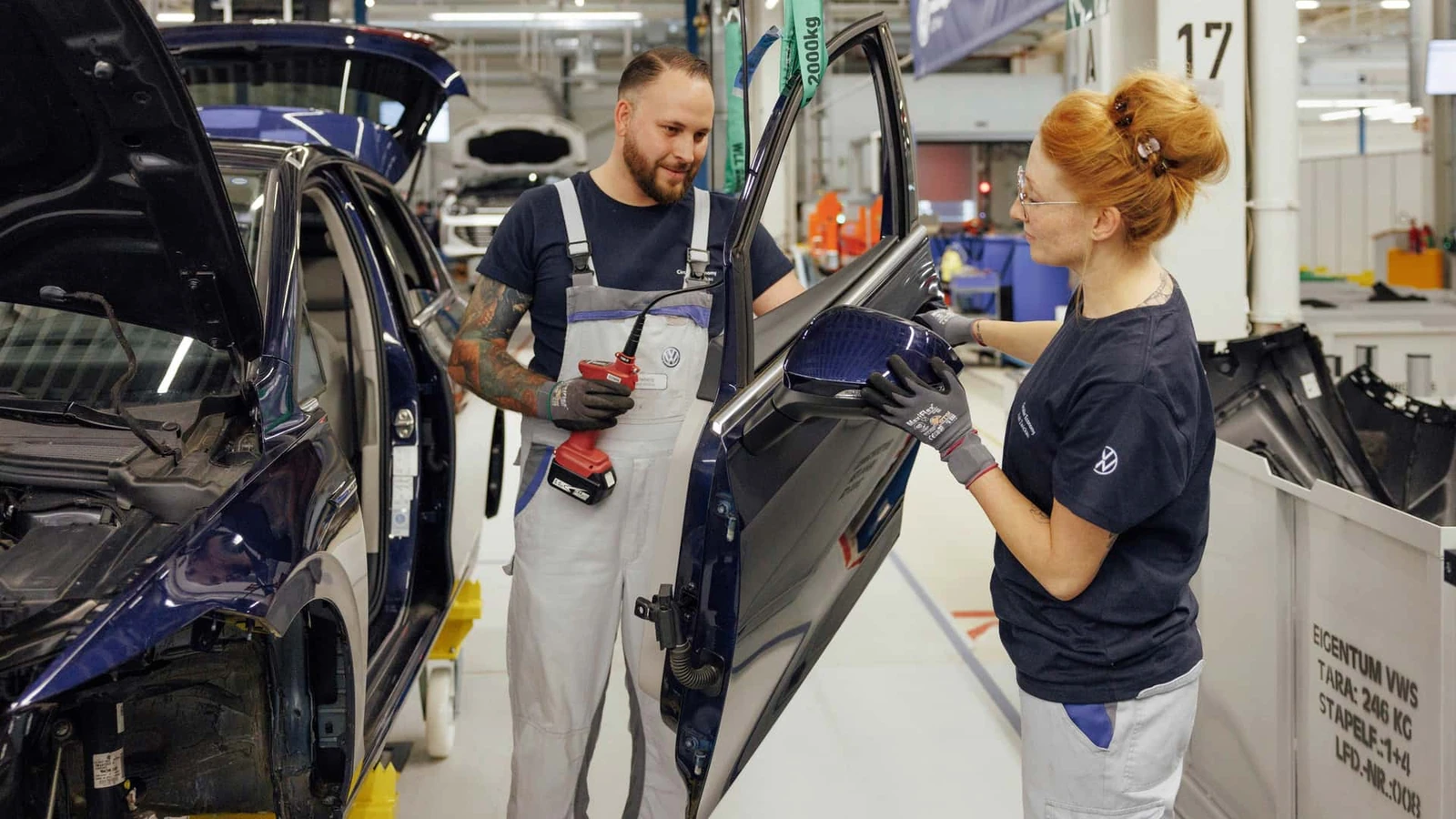
Volkswagen has opened an industrial dismantling line at its Zwickau plant in Germany, turning the site that was converted purely for electric car production into a source of factory-backed used parts. The line will process 4,100 vehicles a year across two shifts from 2027, staffed by 100 workers retrained for the job.

The automaker says usable original parts recovered at Zwickau have been on sale since July through its dealer and service networks, independent workshops and parts retailers, with doors, bumpers, motors and transmission components reportedly in especially high demand.

What the line will do

The eight-stage dismantling operation will initially handle preproduction vehicles before eventually taking in cars at the end of their life. Construction and approvals took nine months and finished three months early, and Volkswagen says manufacturing equipment could be reused to hold down costs.

Material recovery runs alongside the parts business. Separating plastics before recycling keeps them useful for new components, and Volkswagen says plastic recovered from one vehicle could contribute recycled material to three new cars, though not all of it.

Prices and warranty still under wraps

Volkswagen has not disclosed what it charges for the recovered parts, nor its sales volumes, warranty terms or how it inspects components before resale. It also has not identified which cars supplied the parts already sold.

The stated aim is to make repairs cheap enough that older cars stay on the road rather than being written off. That matters because a factory-backed original part with an unclear warranty is a harder sell to a workshop than a cheap pattern part, so the missing warranty detail is the one buyers will want first.

A plant with a future beyond 2031 to settle

Zwickau became Volkswagen's electric manufacturing hub through a €1.2 billion conversion that began in 2018. ID.3 production started in November 2019, the last combustion car followed in June 2020, and the transformation was completed in January 2022 with the ID.5. The retooled lines now build six MEB-based electric models for Volkswagen, Audi and Cupra.

Volkswagen plans to invest up to €90 million in expanding the recycling business, with the Saxony state government pledging €10.7 million, and the operation could eventually support 1,000 jobs. No vehicle production is planned at Zwickau beyond 2031, so the recycling line does not by itself secure the plant's long-term future.

The backdrop is margin pressure: rising EV sales are squeezing profitability because the electric models still earn less than combustion cars, and Volkswagen has paused development of the upcoming electric Golf until it can accommodate the investment. Dismantling is therefore a revenue stream whose profitability at scale still needs proving.

Volkswagen has not said the operation will be limited to EVs, and at least one car in its published photos appears to be a Golf, although the captions do not identify the models. Zwickau may build only electric cars, but its used-parts business looks set to serve a wider crowd.
Open this article ↗
Australia / TDCN ORIGINAL

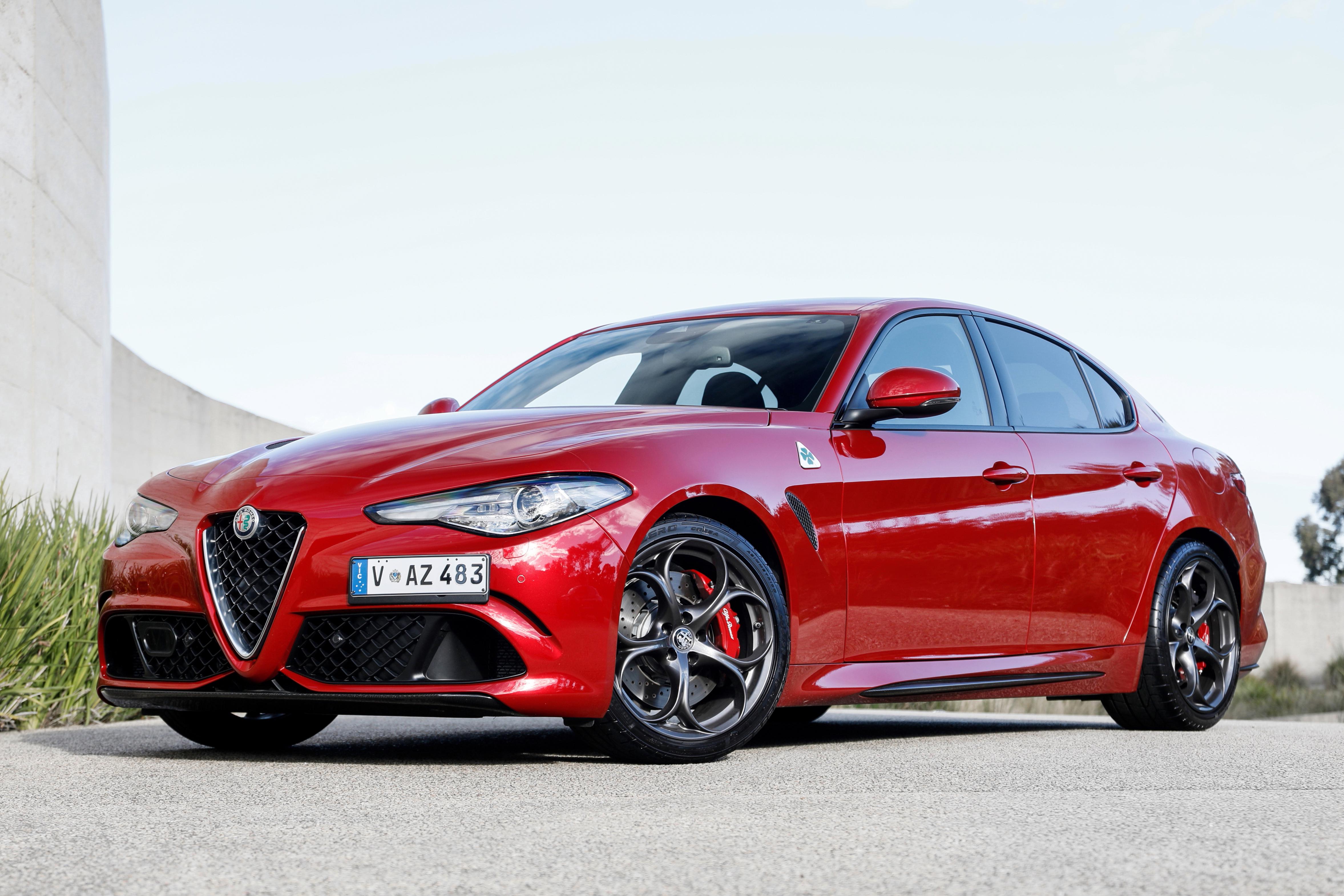
Alfa Romeo Australia cuts Giulia Quadrifoglio prices by up to $15,000

The factory bonuses run until December 31, 2026 and cover the standard QV plus the limited-run Super Sport and Estrema editions, excluding fleet buyers.

Alfa Romeo Australia has temporarily cut the price of the Giulia Quadrifoglio by up to $15,000 under its official End of Year Sales Event, with the offers tied to vehicles ordered and delivered by December 31, 2026. The discounts also extend to the limited-run Super Sport and Estrema versions of the mid-size Italian sports sedan.

What the bonuses are worth

The standard Giulia Quadrifoglio carries a $7500 factory bonus, dropping its price from $156,990 to $149,490 before on-road costs. The larger $15,000 bonus applies to the Super Sport and Estrema editions.

The Estrema is limited to 19 units in Australia and was listed at $186,990 before on-roads, prior to the bonus. The Super Sport was listed at $174,200 before on-roads before the $15,000 reduction.

Alfa Romeo has not announced how many vehicles in total are covered by the bonuses. The offers apply to new and demonstrator vehicles sold by participating dealers while stocks last, and exclude fleet, government and rental buyers.

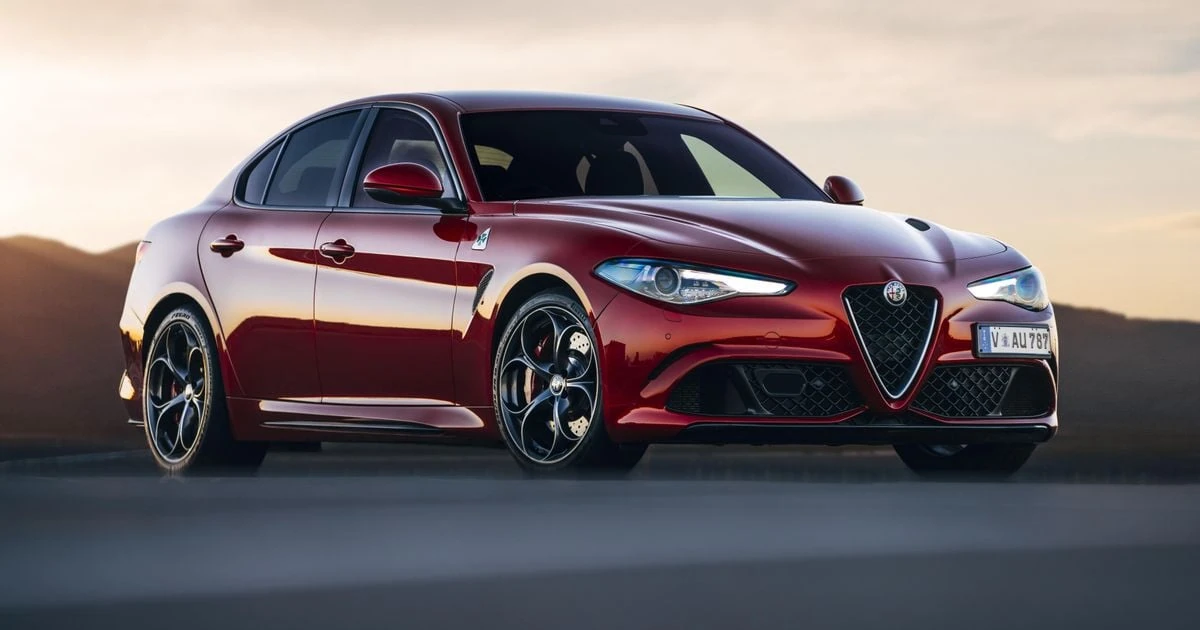
The Giulia Quadrifoglio at the centre of the price cut — now up to $15,000 more attainable in Australia.
The Giulia Quadrifoglio at the centre of the price cut, now up to $15,000 more attainable in Australia., Image: CarExpert

The hardware underneath

The standard QV uses a 2.9-litre twin-turbo V6 petrol engine producing 375kW and 600Nm, sent to the rear wheels through an eight-speed automatic transmission. Alfa Romeo quotes a 0-100km/h time of 3.9 seconds and a claimed top speed of 307km/h.

The Estrema steps up to 382kW and 606Nm, and adds carbon-fibre body components and an Akrapovič titanium exhaust system for a louder note. The Super Sport's changes are largely cosmetic: a carbon-fibre roof, dark 19-inch 'telephone dial' alloy wheels, a black leather interior and individually numbered build plates.

The Giulia QV competes with the BMW M3, Mercedes-Benz C63 S E Performance and Audi RS5. Buyers cross-shopping those German rivals will find the Alfa's appeal rests on its Ferrari-derived V6 and rear-drive layout rather than on badge prestige or dealer reach, which is why a five-figure factory bonus does more for the deal than any showroom haggling is likely to.

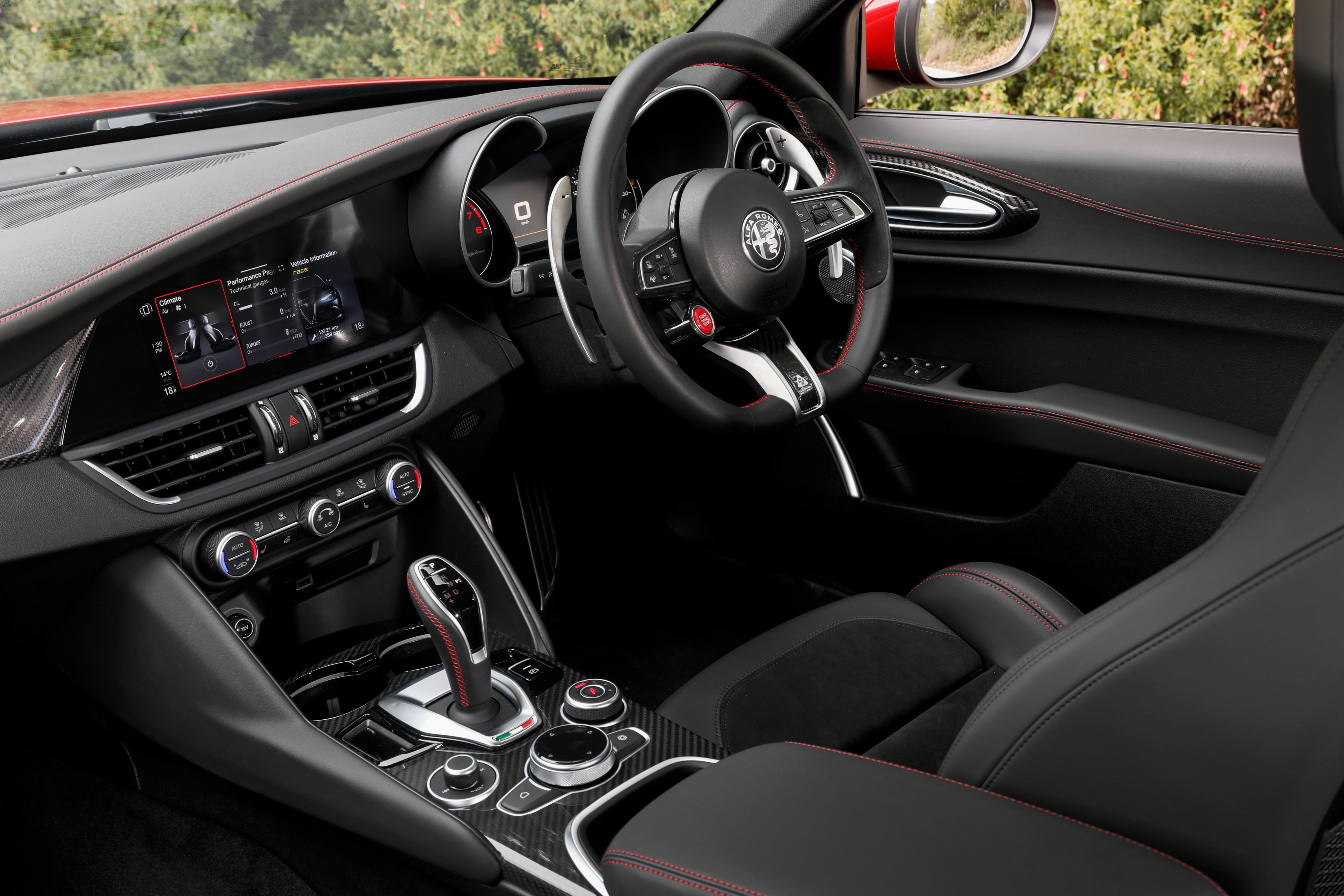
Inside the Quadrifoglio: carbon-trimmed console and sports seats that come with the hardware.
Inside the Quadrifoglio: carbon-trimmed console and sports seats that come with the hardware., Image: CarExpert

A farewell edition kept alive

The Super Sport arrived in 2024 as a farewell edition of the Giulia QV, initially limited to six units in Australia out of 275 globally. It launched alongside the Super Sport version of the Stelvio Quadrifoglio SUV, of which three examples from a 175-unit global run were allocated here.

The Giulia and Stelvio were first released in 2015 and 2017 respectively and share the same Giorgio platform. Production of petrol variants had been slated to end by May 2025 under an earlier plan for Alfa Romeo to sell only electric vehicles from 2027, and production of the flagship Quadrifoglio variants stopped in September 2025 according to Autocar. The regular model's production was subsequently extended through to 2027.

That extension is what makes the current campaign possible: the QV is running out its final years on the Giorgio platform, so a factory-funded discount is a clearing mechanism for remaining stock rather than a permanent repositioning of the car's price. Buyers who want one of the 19 Estremas or the six Super Sports should treat the December 31, 2026 deadline as real, because the supply behind it is finite.

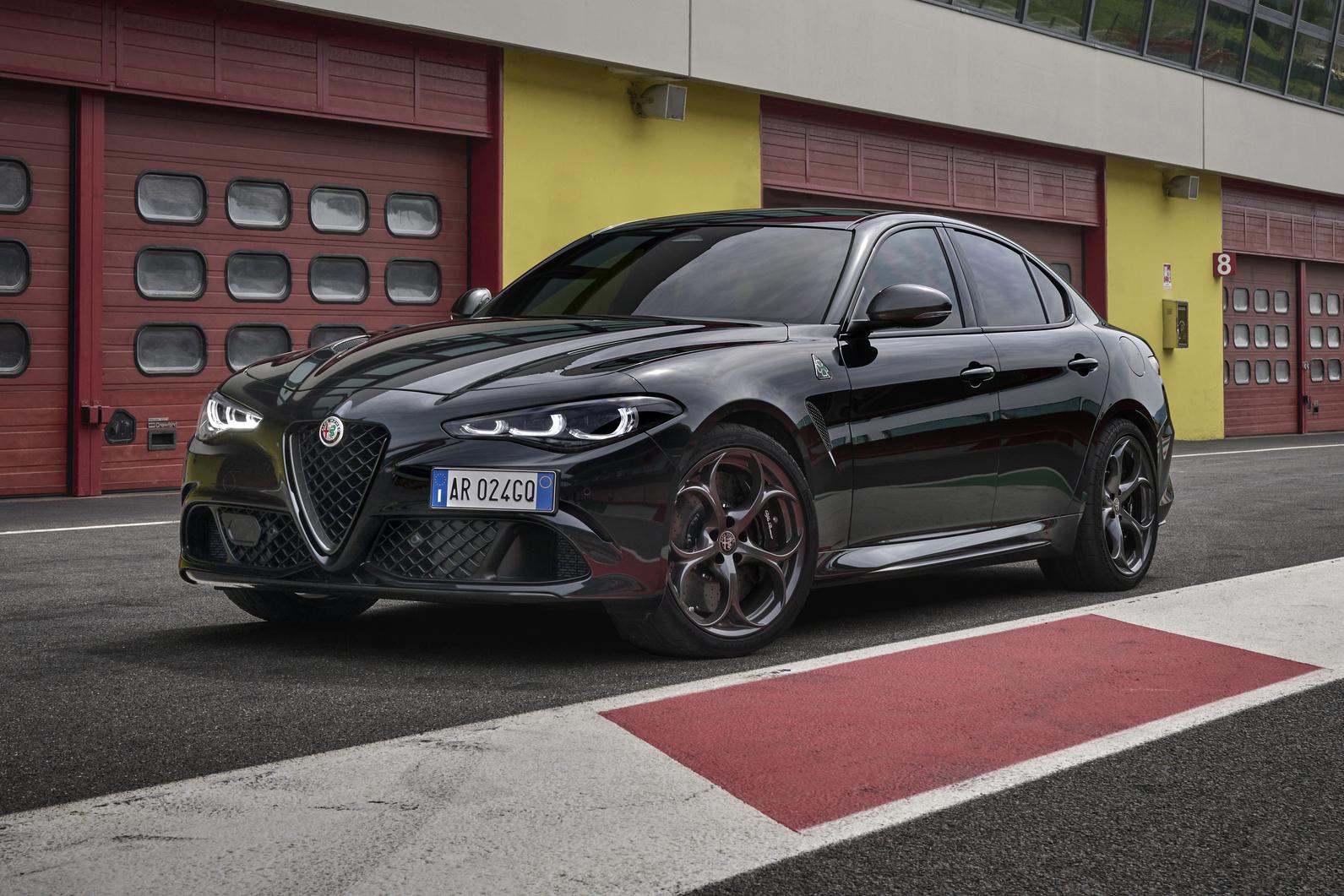
A darker Giulia Quadrifoglio on circuit — the hardware underneath is built for this.
A darker Giulia Quadrifoglio on circuit, the hardware underneath is built for this., Image: CarExpert
Open this article ↗

Keep scrolling to read the next story.

Older articles →