INDEPENDENT AUTOMOTIVE NEWSGLOBAL PERSPECTIVE / AUSTRALIAN EDITION
TDCNTHE DAILY
CAR NEWS.

The road ahead.
Every day.

RSS ↗
Latest/New cars

314 original articles

New cars / TDCN ORIGINAL

Vatican opens exhibition of eight Mercedes Popemobiles spanning 1930 to 2012

The display near the Vatican's Picture Gallery traces papal transport from a silk-lined 1930 Nürburg limousine to the glass-domed M-Class, and runs until January 2027.

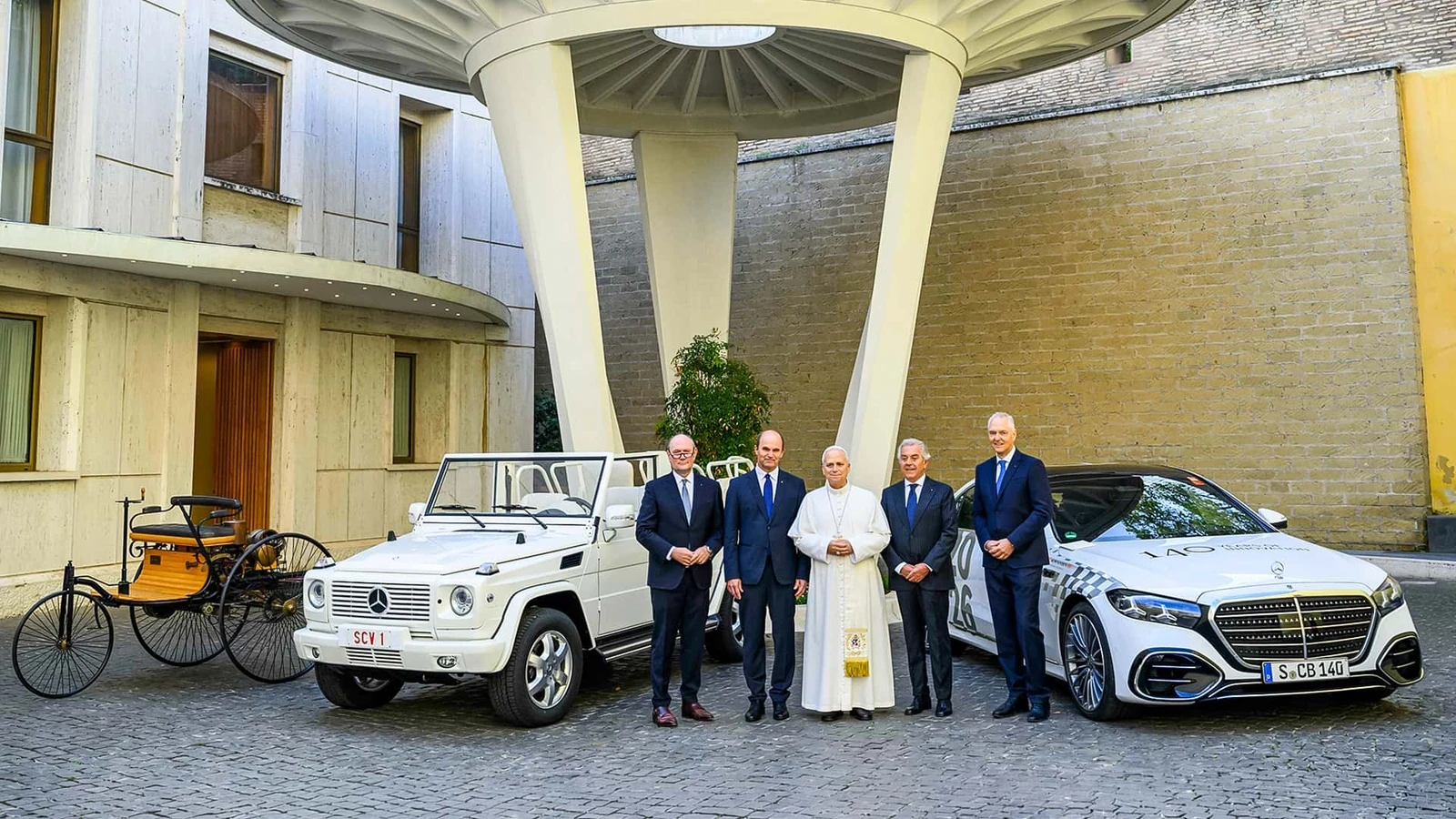
Image: Motor1

The Vatican is showing eight Mercedes-Benz vehicles built for popes over nine decades in an exhibition titled "Mercedes-Benz: A Century of Popemobiles," which opened in a glass pavilion near the Vatican's Pinacoteca, or Picture Gallery. It runs until January 31, 2027.

The cars trace the shift from conventional papal limousines to the purpose-built, glass-enclosed Popemobiles most people picture today, a relationship between the automaker and the Holy See that dates to 1930.

From a silk-brocade limousine to a transparent dome

The earliest vehicle on display is the Nürburg 460 (W 08) Pullman limousine from 1930, the car that began the relationship between Mercedes-Benz and the Vatican. It was powered by a 4.6-liter inline-eight and modified extensively inside for Pope Pius XI, with an individual seat upholstered in fine silk brocade, selected wood and metal finishes, and a decorated headliner.

The 1960 300 d Landaulet (W 189) built for Pope John XXIII had a longer wheelbase than the standard car and rear side windows that could be removed entirely for public appearances. Opening the rear doors automatically deployed entry steps, and the Pope's central seat was electrically adjustable, with climate and radio controls reachable from the rear compartment.

Pope Paul VI received a 600 Pullman Landaulet (W 100) in autumn 1965, modified with wider rear doors, a raised roof over the rear compartment, a specially designed adjustable papal seat, a cooling system and an intercom to the driver. The 300 SEL Pullman (W 109) that followed in 1967 had wheelbases stretched by 25.6 inches and larger rear doors, though these six-seat limousines were mainly used for senior Vatican guests rather than the Pope.

The dome arrives, and armour follows

The 230 G built for Pope John Paul II's 1980 visit to Germany introduced the concept that defined the Popemobile: a tall transparent dome over the rear compartment to shield the Pope from the weather while keeping him visible. Based on the long-wheelbase G-Class, it wore pearl-white paint, gold-coloured trim and a white interior, with climate control and rear lighting adapted to its role.

After the 1981 assassination attempt on the Pope, Mercedes-Benz built a second, near-identical vehicle on the 230 GE with armoured protection. That decision is the clearest illustration of what the Popemobile became: a vehicle designed around visibility for the crowd and protection for the passenger at the same time.

A more traditional S 500 Long Landaulet (Series 140) followed in 1997, with an electrohydraulic convertible roof and a spacious individual rear seat. In 2002 the G-Class formula moved to the M-Class with the ML 430, whose transparent dome was more smoothly integrated into the bodywork and surrounded by large windows; John Paul II first used it at World Youth Day in Toronto that year. The final car listed is the ML 500 (W 166) delivered in December 2012 for Pope Benedict XVI, which enlarged the glass enclosure to make entry and exit easier and give onlookers a better view, with a revised rear lighting concept.

What the exhibition does and does not say

The exhibition is housed in a glass pavilion near the Pinacoteca and presents the eight vehicles as a sequence showing how papal transport evolved. The sources do not give ticket prices or opening hours for the display, so visitors should check before planning a trip.

Nor do the sources say who owns the cars on show, whether the Vatican, Mercedes-Benz or a mix of both, so that detail has not been announced. What is clear is the scale of the partnership behind them: Mercedes-Benz has supplied the Holy See with both official and utility vehicles since 1930.
Open this article ↗
Australia / TDCN ORIGINAL

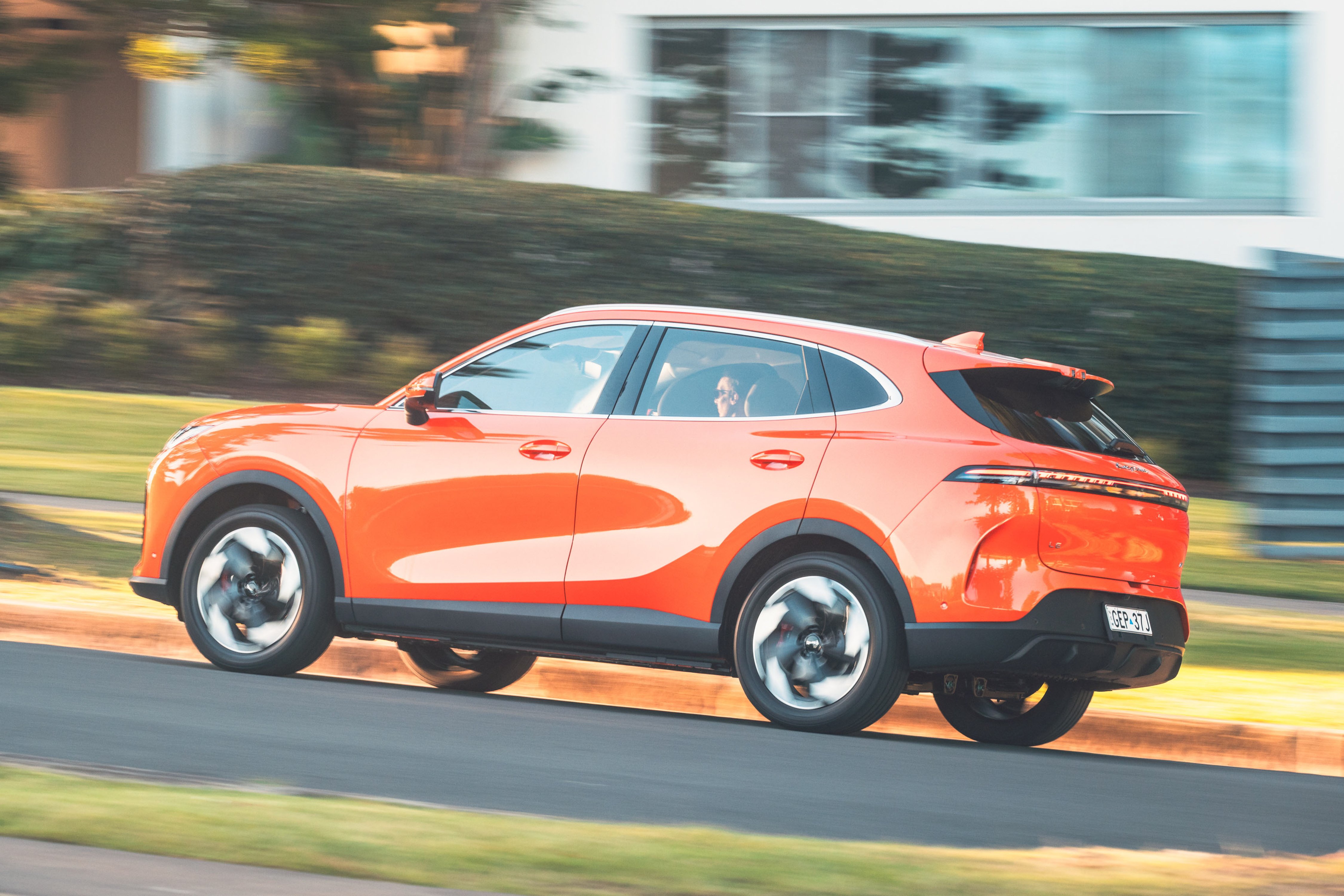
Lepas launches L6 electric SUV in Australia at $47,990, with cheaper Classic variant planned

Chery's new premium brand has launched with a single high-spec variant, and its local boss has not ruled out future price cuts.

Lepas, the new premium brand from Chery, has launched in Australia with its first model, the L6 electric SUV, priced at $47,990 before on-road costs in a single highly specified Signature trim. The brand has confirmed a cheaper Classic version is planned, though it has not said when it will arrive or what it will cost.

The L6 arrives above related Chery group models

At $47,990 before on-road costs, the L6 Signature sits above the related top-spec Jaecoo J7, the base Jaecoo J8 once on-road costs are applied, and the top-spec Chery Tiggo 8 plug-in hybrid. It also undercuts nothing among key rivals: the BYD Atto 3 and Geely EX5 both come in below it.

Lepas Australia boss Brad Ryan told CarExpert that a sub-model, a Classic version, is planned, but the brand is sticking with the single Signature variant for now. "We'll do that as hard as we can until it's run its course and there's a need for another one," he said at the brand's local launch.

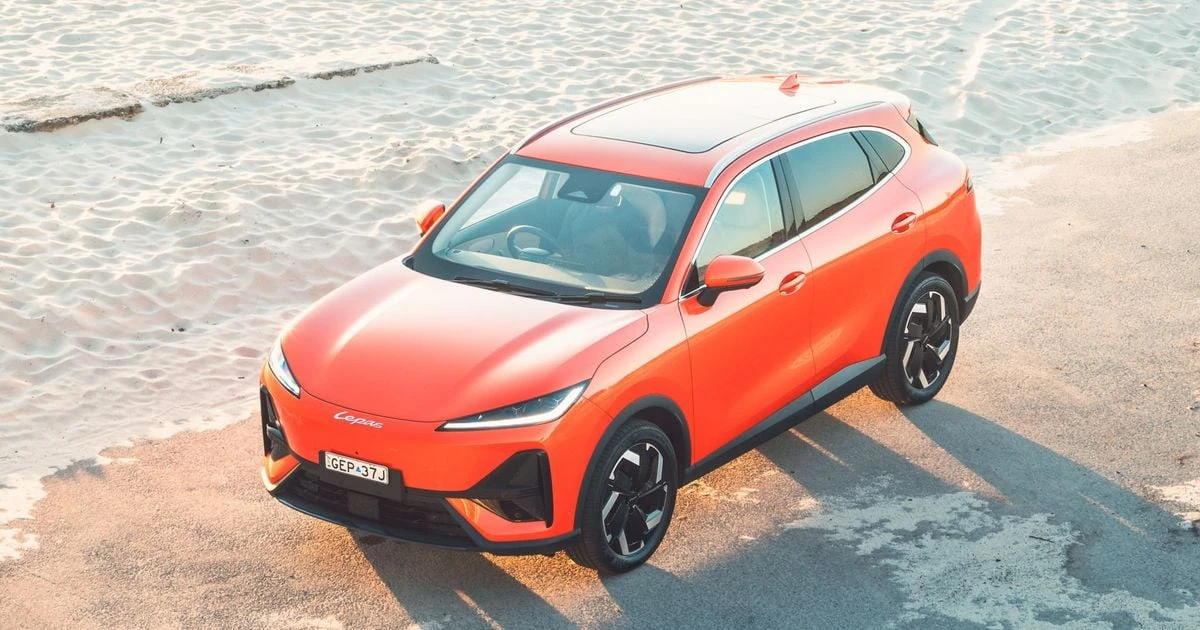
The Lepas L6 electric SUV on the move in Australia, priced from $47,990.
The Lepas L6 electric SUV on the move in Australia, priced from $47,990., Image: CarExpert

Price cuts not ruled out

Asked whether the L6 Signature could be cut in price, Ryan would not rule anything out. "Look, you never say never; nothing is fixed forever; the only constant is change," he told CarExpert, adding that there are no plans at the moment and the brand is not even considering price changes.

The positioning runs against recent trends from several Chinese manufacturers, which have tended to launch with aggressive pricing. Lepas has instead gone premium from the start, with cheaper models to follow.

Resale values and aftersales

Ryan acknowledged the risk around depreciation and future resale values, particularly for EVs, but said he remains confident despite the L6's relatively high pricing. "Obviously, it's a challenge in the market at the moment; we see some of our competitors really struggling with it," he said. "We don't have a volume problem; we're not going to have tens of thousands of them every month coming through needing to be resold, so at this stage, I don't see it being as much of an issue."

Lepas is considering guaranteed future value (GFV) plans in the near future, though Ryan said the brand is not far enough down the track to give an indication of potential resale values.

On aftersales, Lepas vehicles will be sold through standalone dealerships while drawing on the established Chery network behind the scenes. Chery Australia COO Lucas Harris said Lepas is subject to the parent brand's minimum standard for parts supply, with 95 to 96 per cent of a model's bill of materials required to be landed and in stock in the country before launch.

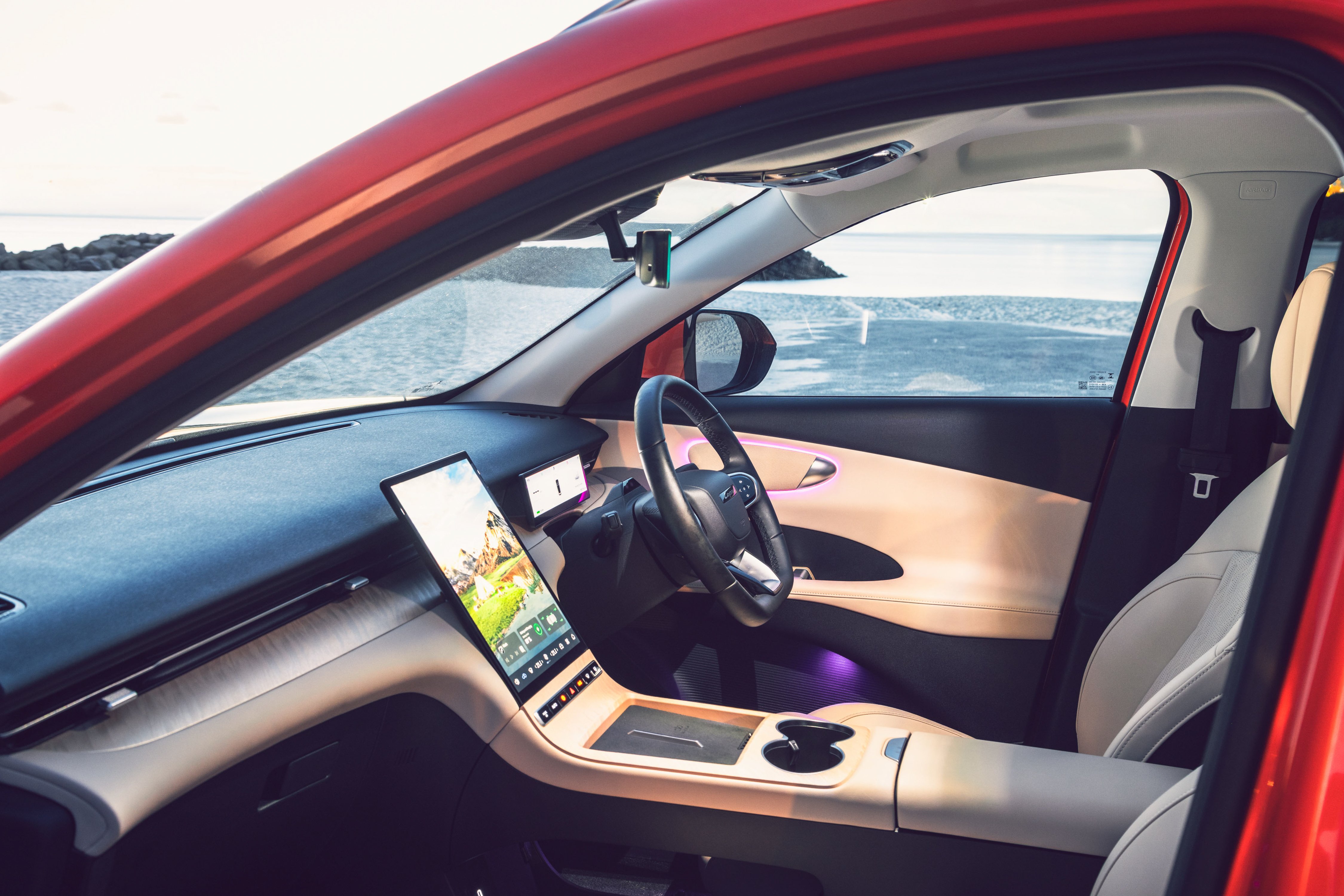
Inside the L6, where the cabin tech and aftersales support will matter to buyers.
Inside the L6, where the cabin tech and aftersales support will matter to buyers., Image: CarExpert

Battery, range and charging details not yet announced

The source material does not include the L6's battery size, driving range or charging figures, and Lepas has not yet confirmed those details for the Australian launch. Buyers weighing the L6 against the cheaper BYD Atto 3 and Geely EX5 will need those numbers before the premium positioning can be judged on anything but price and trim level.

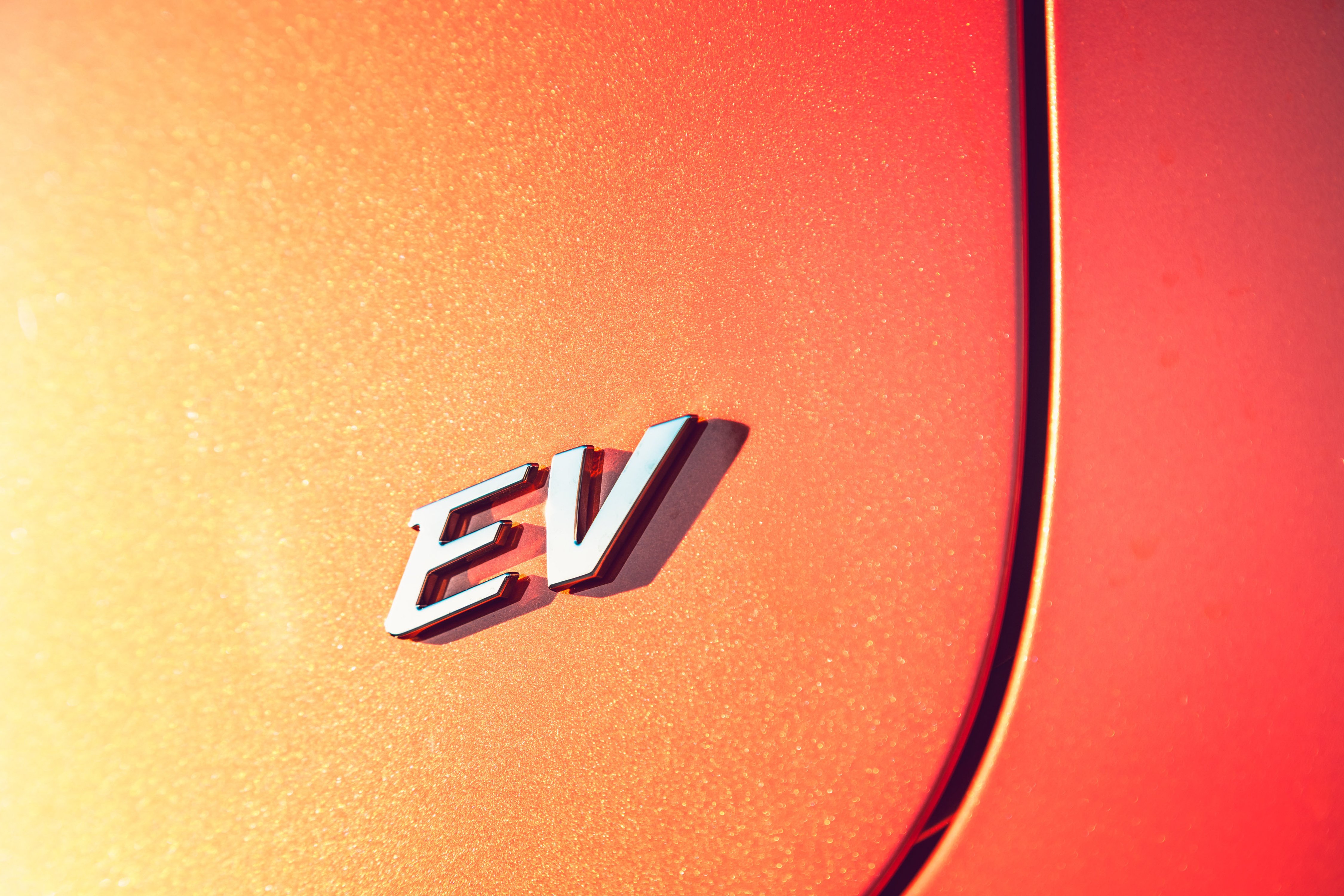
An EV badge on the L6, though battery, range and charging figures are still to be confirmed.
An EV badge on the L6, though battery, range and charging figures are still to be confirmed., Image: CarExpert
Open this article ↗

Keep scrolling to read the next story.

Older articles →