INDEPENDENT AUTOMOTIVE NEWSGLOBAL PERSPECTIVE / AUSTRALIAN EDITION
TDCNTHE DAILY
CAR NEWS.

The road ahead.
Every day.

RSS ↗
Latest/Electric

278 original articles

Electric / TDCN ORIGINAL

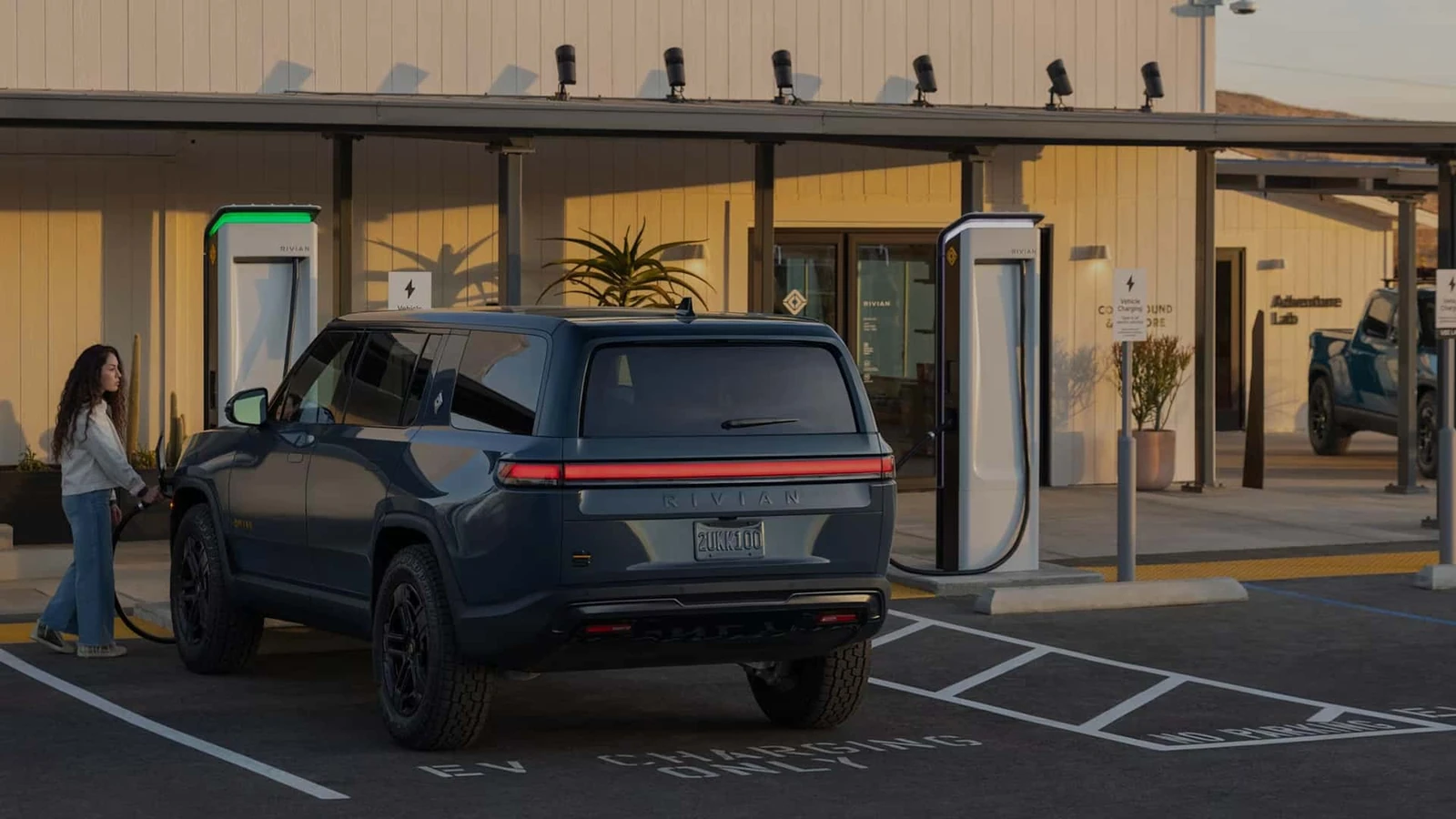
Rivian's Adventure Network passes 1,100 fast-charging ports after 39% growth

The company's Q3 filing shows 1,185 DC ports at 165 sites, while its slower Waypoint chargers have barely expanded.

Rivian's Adventure Network has grown to 1,185 DC fast-charging ports across 165 locations in the United States, a 39% increase in port count over the past year, according to the company's third-quarter earnings report. The station total rose 26% over the same period.

The expansion comes even though Rivian's vehicles can already plug into tens of thousands of public DC chargers nationwide, including Tesla Superchargers fitted with NACS connectors. Rivian is investing in its own purpose-built charging stalls regardless.

What the network now includes

The Adventure Network ports can deliver up to 300 kilowatts each. Rivian says every kilowatt-hour dispensed through a RAN charger is matched with renewable energy sources, which may be generated in another town or state rather than at the charger itself.

That matching arrangement is a bookkeeping exercise rather than a guarantee that the electrons flowing into a given car came from a solar array or wind farm. It is a common way for charging operators to make renewable claims, and drivers should read Rivian's 100% renewable wording with that in mind.

Waypoint chargers left behind

Rivian's slower Level 2 Waypoint network has received far less attention. It went unmentioned in the company's most recent documents. Data from the Department of Energy's Alternative Fuels Data Center shows Rivian installed just ten 11-kilowatt Waypoint chargers this year, with the most recent pair going online in October.

In total, Rivian operates 540 Waypoint Level 2 chargers at 208 locations in the U.S.. The contrast is stark: the DC network added hundreds of ports in a year while the Level 2 network added ten, which suggests Rivian sees fast charging as the priority for its infrastructure spend.

Still a small player against Tesla

Rivian remains a minor presence in a fast-moving charging industry. Tesla, the largest operator in the U.S., has more than 40,000 fast-charging ports at nearly 3,300 locations, plus roughly 14,000 Level 2 Destination Chargers at almost 4,000 sites.

For Rivian owners, the practical effect is that the Adventure Network functions as a branded backbone rather than a complete solution. The company's own chargers sit alongside a much larger public network that its cars can already use, so the value of the RAN build-out lies in reliability and the driving experience at Rivian-specific sites, not in filling gaps that would otherwise leave drivers stranded.
Open this article ↗
New cars / TDCN ORIGINAL

LA County task force halts two street takeovers before they begin

Deputies say social media tipped them off to the Cudahy and Carson gatherings, part of a weekend crackdown that produced 22 arrests and 104 citations.

Image: Carscoops

The Los Angeles County Sheriff's Department says its dedicated Street Takeover Task Force stopped two planned street takeovers in Cudahy and Carson before they could get going, part of a wider weekend enforcement operation across the county.

The department credits social media posts by event organisers for the early warning, saying each gathering was intended to draw illegally modified cars and takeover crews. Deputies have not detailed the tactics used to shut the two events down.

What the weekend crackdown produced

Enforcement patrols ran in Crescenta Valley, Carson, Compton and unincorporated parts of Los Angeles County, and the results extended well past disrupted weekend plans. Across the operation, police made 22 arrests for offences including DUI, driving on a suspended licence, illegal weapons possession, narcotics possession, reckless driving, exhibition of speed, DUI causing injury and felony evading.

Officers also issued 104 citations, at least 55 of them for emissions or exhaust violations. Captain Robert Dean praised the task force's proactive approach and focus on public safety, saying he was proud of its work over the weekend.

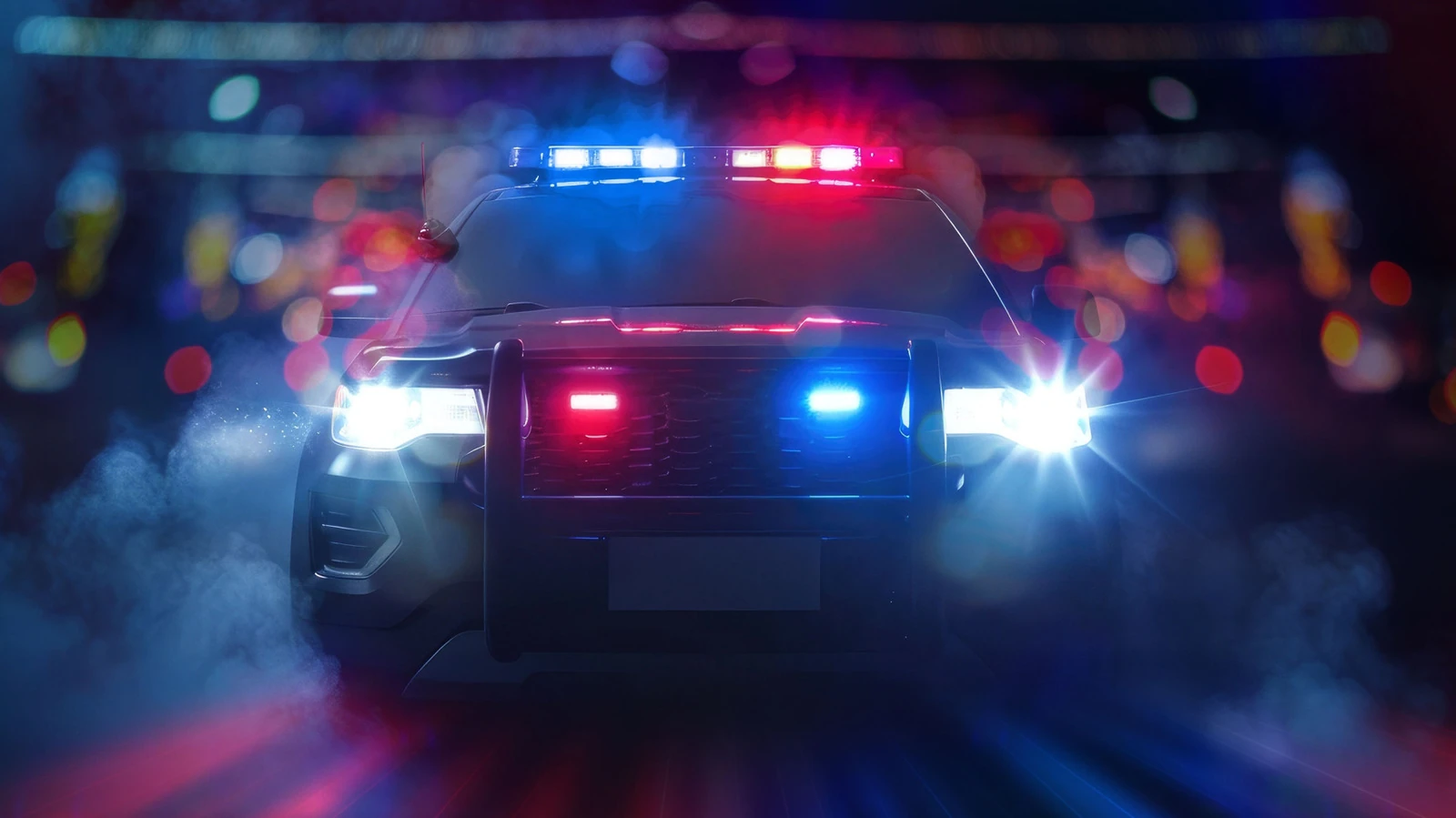
A patrol unit's lights cut through the night as the task force moves to halt street takeovers before they start
A patrol unit's lights cut through the night as the task force moves to halt street takeovers before they start, Image: Carscoops

The referee appointment that follows the ticket

An exhaust or emissions citation in California is not settled by paying a fine. Owners must fix the problem and have the vehicle inspected by the state referee before it can legally return to the road.

That process carries real costs. A modified exhaust ticket runs close to $200, and the total varies with the violation, court fees and even the county involved. The state requires repairs before the inspection, so the bill usually climbs beyond the ticket itself.

At the referee, the whole vehicle is checked, including its computer programming. A vehicle that fails must be repaired again, and missing the deadline adds another fine. Drivers who keep driving anyway can pick up further charges the next time police stop them.

That matters because the consequences of a weekend crackdown follow owners for weeks, in repair bills and appointments rather than just paperwork.

What has not been announced

The sheriff's department has not said whether the cited cars were impounded or simply allowed to drive away.

The department also did not reveal the specific method used to stop the two takeovers, though the volume of stops and arrests across the weekend may have played a part.

Open this article ↗

Keep scrolling to read the next story.

Older articles →