INDEPENDENT AUTOMOTIVE NEWSGLOBAL PERSPECTIVE / AUSTRALIAN EDITION
TDCNTHE DAILY
CAR NEWS.

The road ahead.
Every day.

RSS ↗
Latest/Electric

341 original articles

Electric / TDCN ORIGINAL

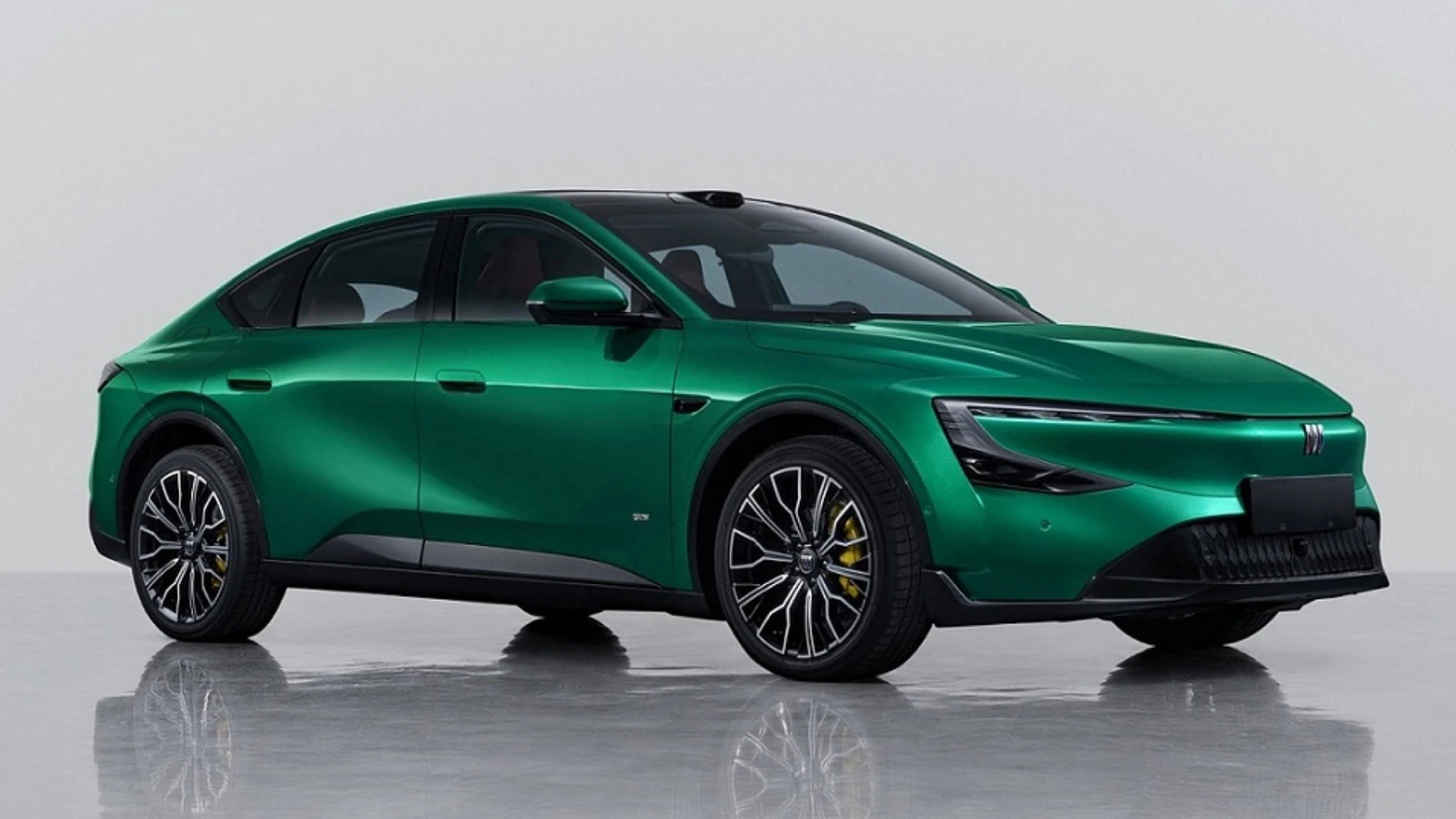
Buick's Electra GS plug-in hybrid sedan surfaces in Chinese filings, and it is not for America

Chinese type-approval documents show the production car has shrunk dramatically from the Shanghai concept and swapped its electric powertrain for a plug-in hybrid.

Image: Carscoops

Buick's Chinese arm is preparing to launch the Electra GS, a plug-in hybrid sedan that has surfaced in Chinese Ministry of Industry and Information Technology (MIIT) filings ahead of its official debut. The production car differs substantially from the Electra GS concept General Motors showed at the 2025 Shanghai Auto Show, and it is not expected to reach the United States.

How the production car differs from the concept

The filings show a car that has been reworked front to rear. The LED headlights have been inverted, the Buick badge has moved off the hood onto a front fascia with less body-colour plastic, and the rear now carries "Buick" lettering spelled out across the tail. The concept's pop-out door handles are gone, reportedly because China is moving to ban them, and the traditional sedan boot has been replaced by a hatch within a fastback profile.

The scale change is larger still. MIIT data lists the production GS at 4,980 mm long on a 2,865 mm wheelbase, against 5,300 mm and 3,200 mm for the concept, which puts the finished car in Toyota Crown territory rather than full-size luxury sedan territory.

The powertrain has changed just as fundamentally. GM confirmed the concept was a fully electric car on a dedicated EV platform with a flat floor; the production GS is a plug-in hybrid. Base cars pair a 97 hp (98 PS) naturally aspirated 1.5-litre four-cylinder with a 221 hp (224 PS) electric motor, while a more expensive variant uses a turbocharged version of the same engine making 154 hp (156 PS).
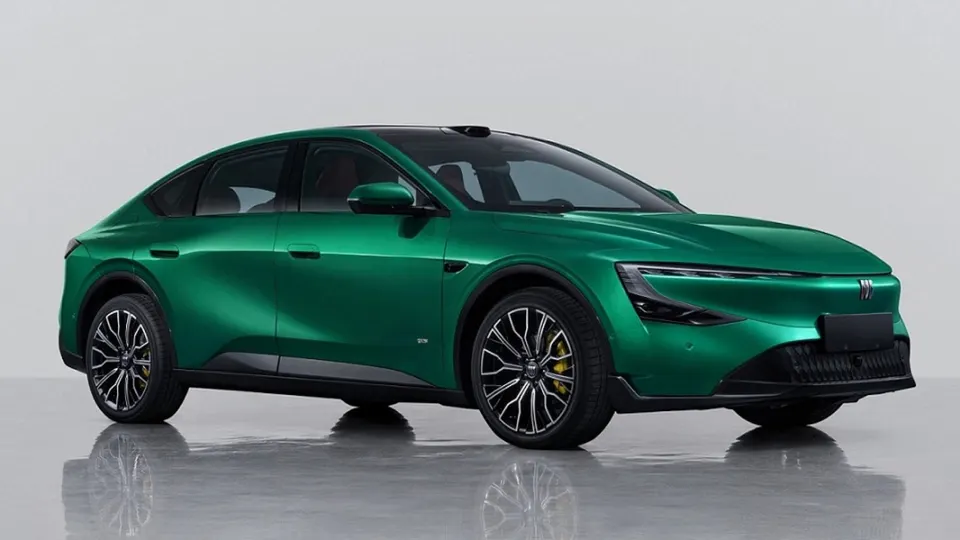
The production Electra GS as revealed in Chinese regulatory filings, wearing a vivid green finish and aggressive front fascia.
The production Electra GS as revealed in Chinese regulatory filings, wearing a vivid green finish and aggressive front fascia., Image: Carscoops

What Buick has not announced

The full Chinese debut is still to come, and Buick has not yet published the GS's interior, battery capacity, electric-only range, charging figures, on-sale date or pricing. The exterior studio images show a conventional steering wheel, so the concept's yoke is unlikely to carry over.

That matters because the plug-in hybrid numbers above are the only technical detail available so far. Buyers weighing the GS against other Chinese-market hybrids will not have a usable electric range figure until Buick releases one, and the range will need to be read on whatever Chinese test cycle Buick quotes rather than compared directly with WLTP or EPA figures.

Why the GS is unlikely to cross the Pacific

Buick has sold no sedan in the US since the Regal ended production in 2020, though it still offers several low-riding four-doors in China including the electrified Electra L7. The GS is the product of a joint venture between GM and SAIC, and US restrictions on Chinese software taking effect with the 2027 model year would complicate compliance even if production moved to North America to dodge tariffs.

GM does already import Chinese-built vehicles, including the Buick Envision, but Envision production is due to shift to Kansas in 2028. The GS would therefore need a similar relocation to make sense in the US, and none has been announced.

The wider context is GM's product planning. The automaker bet heavily on EVs arriving by the end of the decade and developed few hybrids beyond the Corvette E-Ray, now renamed Grand Sport X, while Toyota and Hyundai built both and are now seeing the benefit. A plug-in hybrid sedan is exactly the kind of vehicle GM's US range lacks, which is why the GS's Chinese-only status is frustrating rather than surprising.
Open this article ↗
New cars / TDCN ORIGINAL

South Korean owners paid for Tesla FSD they cannot switch on, complaint alleges

A consumer group has asked Korea's Fair Trade Commission to examine why most Shanghai-built Teslas sold since 2023 cannot activate the software buyers paid for.

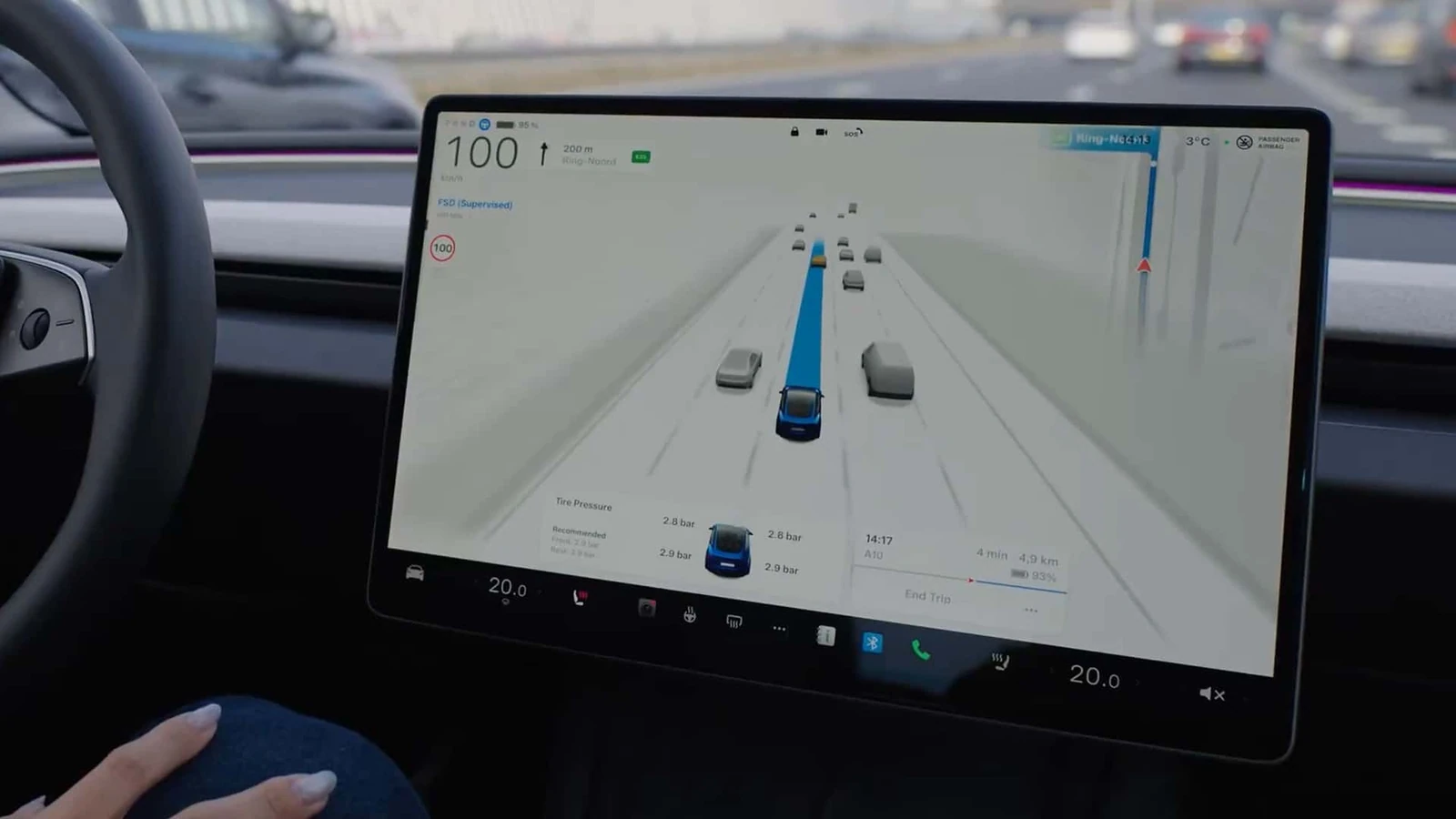
A South Korean consumer advocacy group has filed a complaint with the country's Fair Trade Commission over Tesla's Full Self-Driving software, arguing that buyers have been charged for a feature many of them cannot switch on. The group, Citizens United for Consumer Sovereignty, says Tesla has collected payment for FSD for more than three years on vehicles that are ineligible to run it.

The complaint, reviewed by Reuters, centres on where each car was built. Only around 20% of Teslas registered in South Korea, the US-built cars, can enable FSD, because they meet US Federal Motor Vehicle Safety Standards and a trade agreement treats those standards as acceptable for Korean entry without further modification. The rest, mostly Shanghai-built cars, have no equivalent arrangement covering the software.

Why the country of manufacture decides FSD access

Tesla has imported roughly 170,000 China-built cars into South Korea since 2023, with that volume rising five-fold last year alone. Those vehicles account for the bulk of the fleet that cannot activate FSD today, and 99% of Teslas imported into Korea in 2025 were Chinese-built and ineligible for the feature.

The split matters because FSD availability in Korea is tied to a vehicle's import status rather than to the hardware or the price paid. Owners of the affected cars bought the same software option as US-built owners but have no way to use it in normal operation.

The money buyers have already spent

According to the complaint, buyers paid as much as $6,800 for FSD without being able to turn it on. Some resorted to a "jailbreak" that unlocked the region-locked software, a workaround regulators view as a safety circumvention and one that has left owners facing jail time or fines of up to $15,000.

That gap between what was paid for and what was delivered is the heart of the case. The complaint frames it as an advertising issue as much as a software one, questioning how Tesla presented FSD to Korean buyers while the feature remained unavailable on most of the cars it sold there.

A court has already sided with Tesla once

The new complaint follows a legal loss for owners. The Seoul Central District Court threw out a lawsuit from 88 owners who had sought full refunds in a case filed in 2024, ruling that Tesla had not breached its contractual obligations.

The court accepted that delivery of the features promised with FSD depended on technical advances and regulatory approval that buyers knew could take considerable time to arrive, and that Tesla was therefore not at fault when they did not.

That ruling makes the Fair Trade Commission route a different kind of test. The court looked at whether Tesla broke a contract; the regulator is being asked to look at how the feature was advertised and sold. The KFTC confirmed it opened a probe into Tesla's advertising earlier this year and declined to comment further, while Tesla did not respond to Reuters' request for comment.

The distinction is a meaningful one for owners. A contract claim can fail on the fine print of what buyers were told to expect, while an advertising complaint turns on the impression created at the point of sale. Whether the regulator acts after the court's ruling is not yet known.

A feature still waiting on its own name

FSD will turn ten years old next month. It has spent nearly four of those years labelled an official beta product and more than two under the "Full Self-Driving (Supervised)" rebranding, and a car in a driveway today still cannot technically drive itself without the person behind the wheel responsible for what happens.

For Korean buyers of the affected cars, the wait has an extra layer: the software is not merely supervised in their vehicles, it is unavailable. That makes the country a starker example of a tension running through FSD's decade, between what the option promises and what each market's rules allow it to do.

Open this article ↗

Keep scrolling to read the next story.

Older articles →