INDEPENDENT AUTOMOTIVE NEWSGLOBAL PERSPECTIVE / AUSTRALIAN EDITION
TDCNTHE DAILY
CAR NEWS.

The road ahead.
Every day.

RSS ↗
Latest/Australia

311 original articles

Australia / TDCN ORIGINAL

Volkswagen T-Roc confirmed for Australia in early 2027 with mild-hybrid power

The second-generation small SUV grows in every dimension and adopts Tiguan-derived tech, but Australian pricing, variants and the European full hybrid remain unconfirmed.

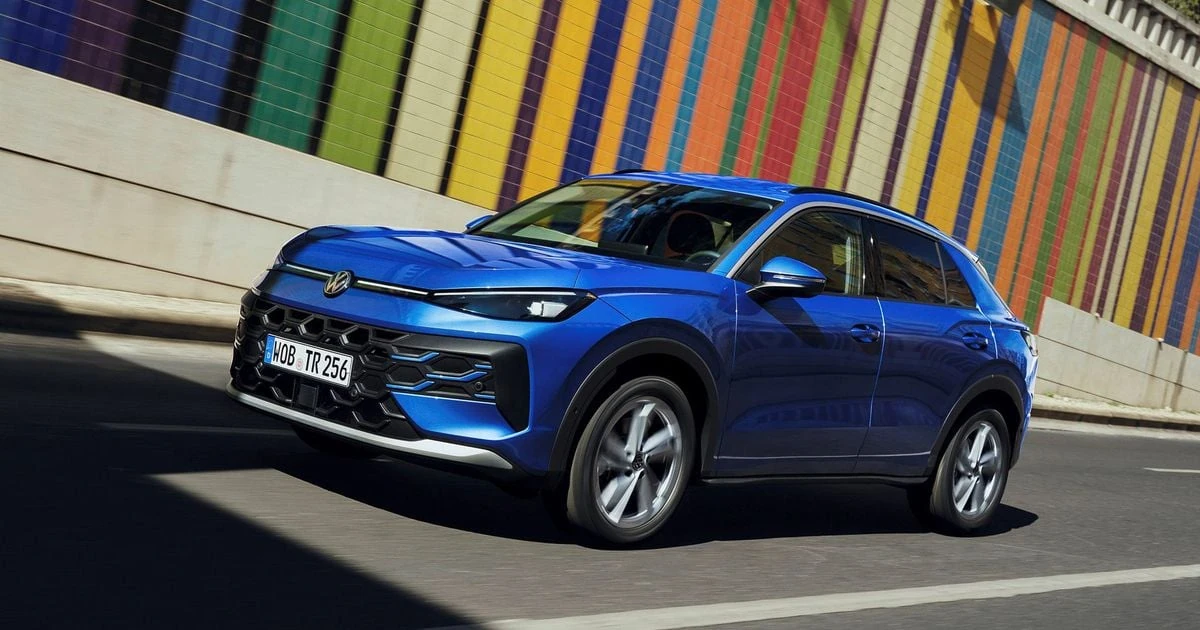
Volkswagen has confirmed the second-generation T-Roc for an early 2027 arrival in Australia, with the local division stating the small SUV will be powered by mild-hybrid petrol engines. Full pricing and model specifications for the Australian market are still to be announced.

What Volkswagen Australia has confirmed

The local arm has confirmed "mild-hybrid powertrains" without naming outputs. CarExpert expects this likely means the 110kW 1.5 eTSI and the 150kW 2.0 eTSI 4Motion, both with 48V mild-hybrid assistance.

Volkswagen Australia is also promising "enhanced comfort and personalisation features throughout the range", though what that includes has not been detailed.

There is no update yet on the T-Roc Hybrid recently confirmed for Europe and the UK. That version pairs a 1.5 TSI turbo-petrol engine with two electric motors and a 1.6kWh nickel manganese cobalt battery, quoting 125kW and 310Nm against the mild-hybrid's 110kW and 250Nm.

In Europe, WLTP combined fuel consumption for the full hybrid is quoted at 5.0-5.6L/100km, versus 5.6-5.9L/100km for the mild-hybrid. The hybrid versions of the Golf and T-Roc use a single-speed transmission in place of the mild-hybrid's DSG dual-clutch auto and can drive on electric power alone at lower speeds. That powertrain has also been confirmed for the related Skoda Octavia and is on the cards for an Australian introduction.
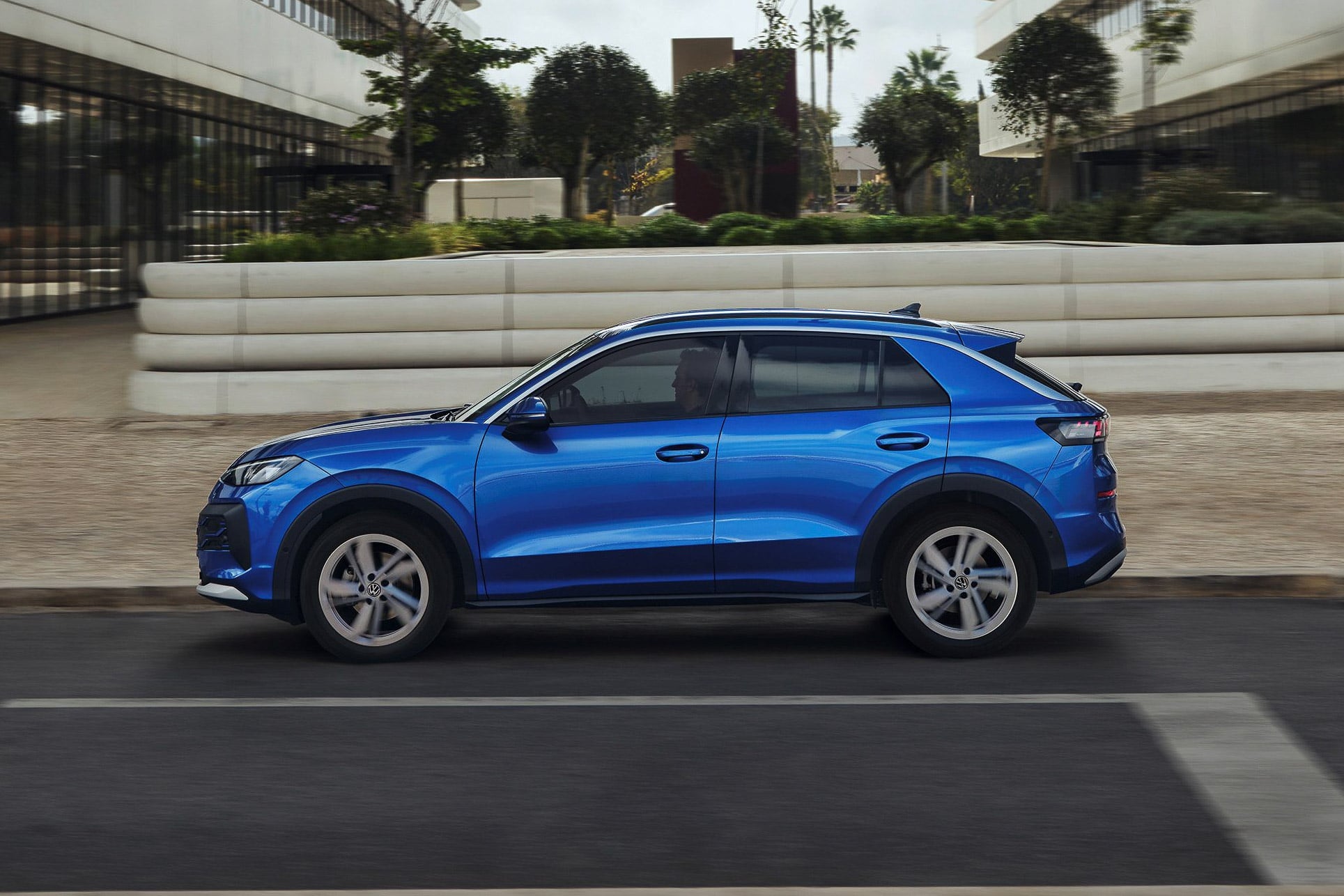
The second-generation T-Roc grows in size, promising more interior space than before.
The second-generation T-Roc grows in size, promising more interior space than before., Image: CarExpert

Bigger body, more space inside

The new T-Roc measures 4373mm long, 1828mm wide and 1562mm tall, on a 2631mm wheelbase. That is 122mm longer, 9mm wider and 9mm taller than the original, with a 28mm longer wheelbase.

Volkswagen claims the growth delivers more interior space and practicality. Global specifications point to a 475-litre boot, 30 litres up on before, and improved rear accommodation that lets a 1.85m-tall passenger sit behind a 1.85m-tall driver.

The cabin also moves to Volkswagen's latest infotainment and driver assistance technology first seen in the larger Tiguan, alongside what the company calls "a range of comfort-focused features designed to elevate the ownership experience".

The new T-Roc's cabin pairs a digital cockpit with ambient lighting for a more premium feel.
The new T-Roc's cabin pairs a digital cockpit with ambient lighting for a more premium feel., Image: CarExpert

Why the T-Roc matters to Volkswagen in Australia

The outgoing T-Roc was Volkswagen Australia's best-selling passenger model by a wide margin until this year, with 5159 registrations in 2025 ahead of the Tiguan's 3664 (excluding Allspace). It was not the brand's overall top seller: the Amarok ute recorded 5392 registrations over the same period.

That record makes the new model's launch timing significant for the brand's volume ambitions, since the T-Roc has been carrying passenger-car sales despite its advancing age. The mild-hybrid-only start also means Australian buyers will not initially get the lower-consumption full hybrid that Europe receives, leaving the 1.5 eTSI and 2.0 eTSI as the expected core of the range.

Australian buyers will have to wait for the price list to judge whether the larger body and upgraded technology carry a premium over the current car, since no local figure has been released.
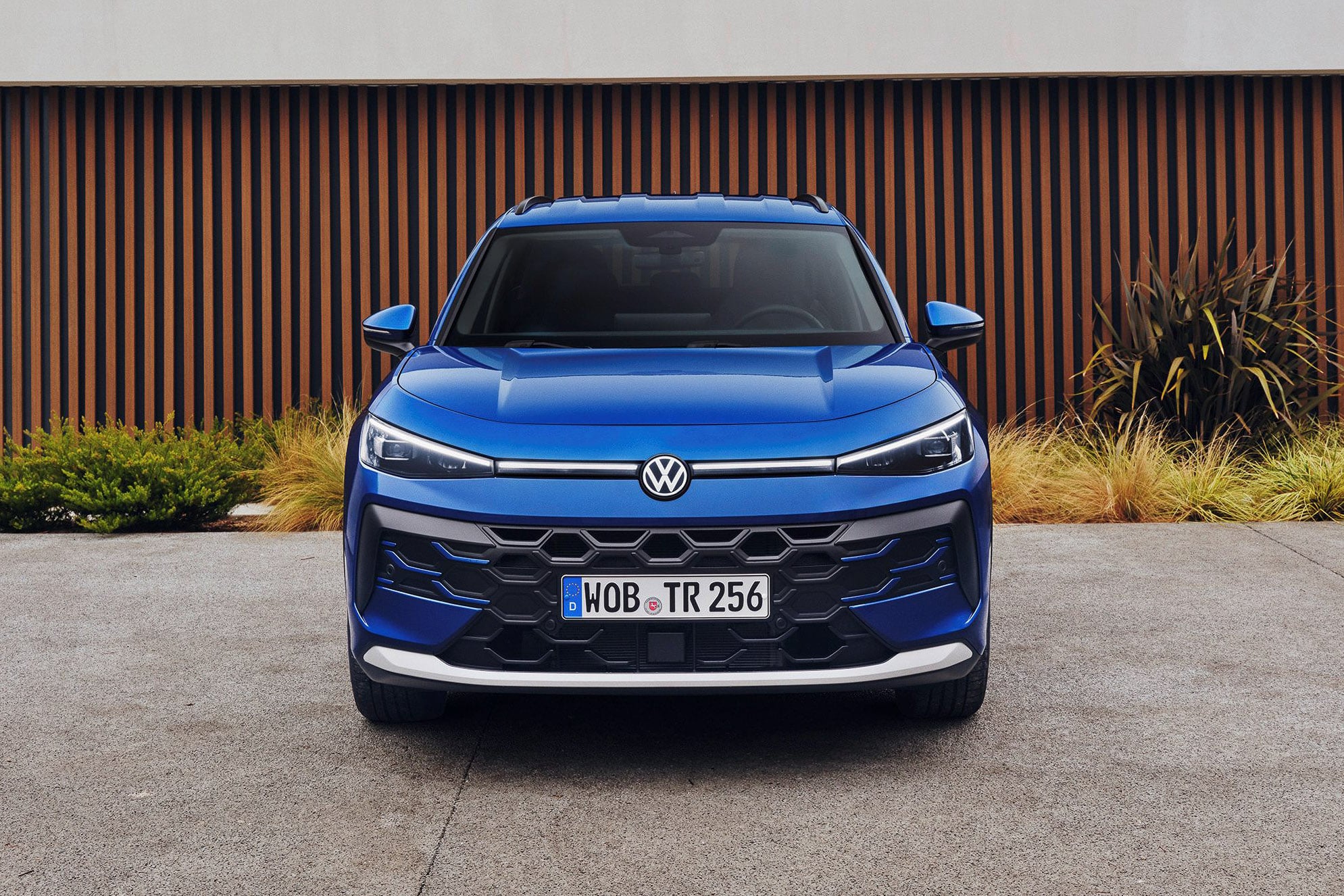
Volkswagen Australia has confirmed the T-Roc for an early 2027 launch.
Volkswagen Australia has confirmed the T-Roc for an early 2027 launch., Image: CarExpert
Open this article ↗
Australia / TDCN ORIGINAL

Lepas launches in Australia with L6 electric SUV and a platform claim that invites scrutiny

Chery's newest local brand says the L6 rides on an architecture developed specifically for Lepas, though the SUV shares its size, battery and design cues with a Chinese-market Chery.

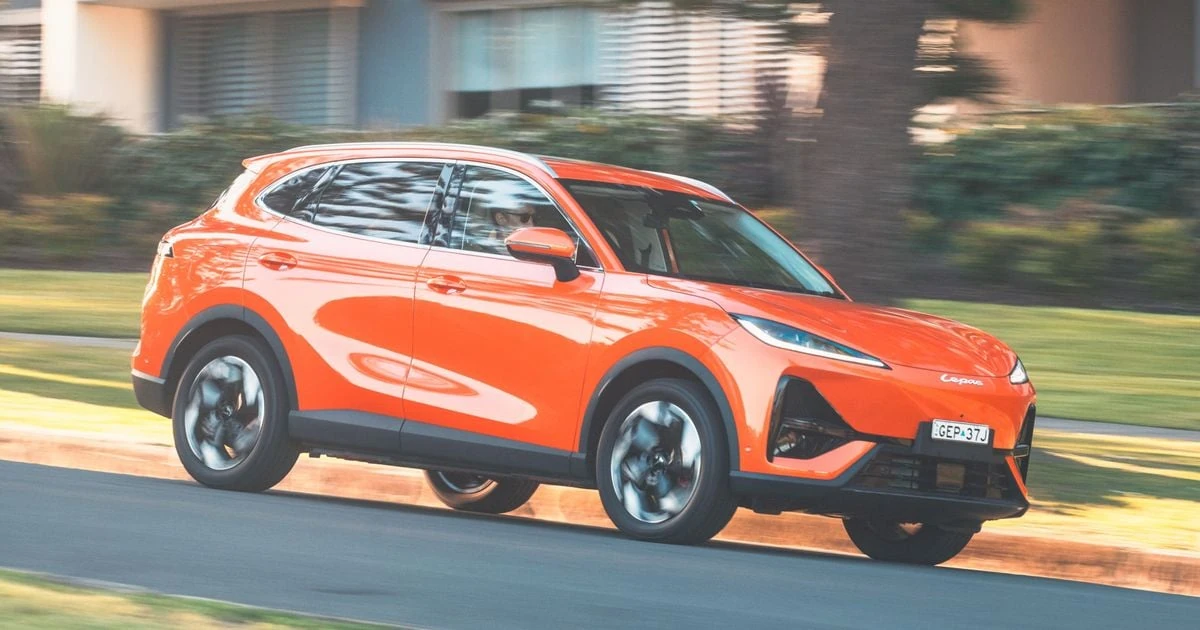
Lepas has launched in Australia as Chery's newest brand, arriving with a single model: the mid-size L6 electric SUV. The brand says the L6 is built on a platform called LEXP that was developed specifically for Lepas, a claim that has drawn attention because the vehicle is closely related to Chery models sold elsewhere.

Chery Australia COO Lucas Harris told CarExpert at the brand's Australian launch event that Lepas is the first product family in the group to have its own unique platform, and that other brands will follow with their own architectures over time.

The L6's links to the Chery Fulwin T7

The L6 is closely related to the Chinese-market Chery Fulwin T7. The two share a length of 4570mm, a width of 1852mm and a 2700mm wheelbase, along with the same 65kWh battery pack and nearly identical exterior designs.

Electric motor torque is identical at 275Nm, though the Fulwin T7 is quoted at 178kW against the L6's 160kW.

The Fulwin T7 is understood to be built on Chery Group's established T1X platform, which also underpins Australian-delivered models including the Chery Tiggo 4, C5, E5, Tiggo 7 and Tiggo 8, as well as the Jaecoo J5 and J7. The L6 also shares similarities with the Jaecoo J7, which launched locally in early 2025.

Chery has previously described T1X, along with its T2X and E0X platforms, as designed to be adaptable and scalable for future models and features, leaving open the possibility that LEXP is an adapted version of T1X rather than a clean-sheet design. Both platforms are said to be capable of supporting plug-in hybrid and fully electric models.

Chery's answer on the platform question

Asked about the differences between the Fulwin T7 and the L6 under the skin, Harris indicated the two were related but should not be confused, pointing to the distinction between domestic-market brand positioning inside China and the way brands are presented elsewhere.

For buyers, the practical question is less about the name on the architecture and more about what the L6 delivers on price, range and equipment. Chery's platform sharing is not unusual across the industry, and a scalable base does not by itself make a car worse. The claim matters because Lepas is positioning itself as more premium than its siblings, and a premium pitch is easier to sustain when the hardware underneath is genuinely different.

One of eight Chery brands headed for Australia

Lepas is one of eight Chery-owned brands that either have been or will be launched in Australia in the coming years. For now, the L6 is the only model built on the LEXP architecture.

That gives Lepas a narrow local line-up at launch, with the L6 carrying the brand on its own until further models arrive. The sources do not specify which additional Lepas models are planned for Australia, or when they might reach showrooms.

What hasn't been announced

Australian pricing for the Lepas L6 has not been announced in the source material, so local buyers do not yet have an AUD figure to work with. Range figures and their test cycle are likewise not stated in the available details, as are charging times and final specification. What is confirmed is the 65kWh battery capacity and the 160kW/275Nm electric motor output.

The identity of the other Chery-owned brands coming to Australia beyond Lepas has also not been detailed in the source material, beyond the confirmation that Lepas is one of eight.

Open this article ↗

Keep scrolling to read the next story.

Older articles →