INDEPENDENT AUTOMOTIVE NEWSGLOBAL PERSPECTIVE / AUSTRALIAN EDITION
TDCNTHE DAILY
CAR NEWS.

The road ahead.
Every day.

RSS ↗
Latest/New cars

341 original articles

New cars / TDCN ORIGINAL

South Korean owners paid for Tesla FSD they cannot switch on, complaint alleges

A consumer group has asked Korea's Fair Trade Commission to examine why most Shanghai-built Teslas sold since 2023 cannot activate the software buyers paid for.

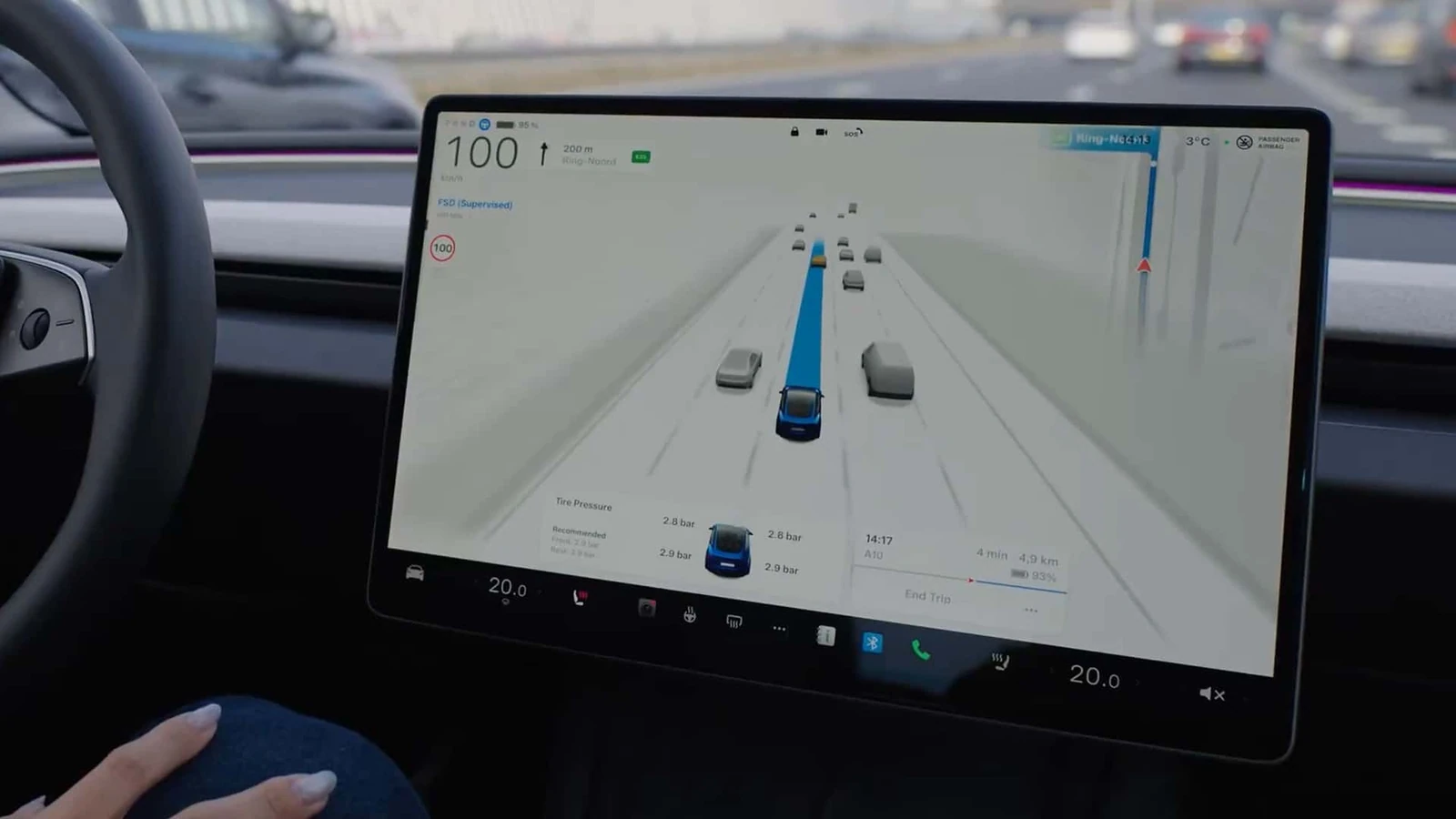
A South Korean consumer advocacy group has filed a complaint with the country's Fair Trade Commission over Tesla's Full Self-Driving software, arguing that buyers have been charged for a feature many of them cannot switch on. The group, Citizens United for Consumer Sovereignty, says Tesla has collected payment for FSD for more than three years on vehicles that are ineligible to run it.

The complaint, reviewed by Reuters, centres on where each car was built. Only around 20% of Teslas registered in South Korea, the US-built cars, can enable FSD, because they meet US Federal Motor Vehicle Safety Standards and a trade agreement treats those standards as acceptable for Korean entry without further modification. The rest, mostly Shanghai-built cars, have no equivalent arrangement covering the software.

Why the country of manufacture decides FSD access

Tesla has imported roughly 170,000 China-built cars into South Korea since 2023, with that volume rising five-fold last year alone. Those vehicles account for the bulk of the fleet that cannot activate FSD today, and 99% of Teslas imported into Korea in 2025 were Chinese-built and ineligible for the feature.

The split matters because FSD availability in Korea is tied to a vehicle's import status rather than to the hardware or the price paid. Owners of the affected cars bought the same software option as US-built owners but have no way to use it in normal operation.

The money buyers have already spent

According to the complaint, buyers paid as much as $6,800 for FSD without being able to turn it on. Some resorted to a "jailbreak" that unlocked the region-locked software, a workaround regulators view as a safety circumvention and one that has left owners facing jail time or fines of up to $15,000.

That gap between what was paid for and what was delivered is the heart of the case. The complaint frames it as an advertising issue as much as a software one, questioning how Tesla presented FSD to Korean buyers while the feature remained unavailable on most of the cars it sold there.

A court has already sided with Tesla once

The new complaint follows a legal loss for owners. The Seoul Central District Court threw out a lawsuit from 88 owners who had sought full refunds in a case filed in 2024, ruling that Tesla had not breached its contractual obligations.

The court accepted that delivery of the features promised with FSD depended on technical advances and regulatory approval that buyers knew could take considerable time to arrive, and that Tesla was therefore not at fault when they did not.

That ruling makes the Fair Trade Commission route a different kind of test. The court looked at whether Tesla broke a contract; the regulator is being asked to look at how the feature was advertised and sold. The KFTC confirmed it opened a probe into Tesla's advertising earlier this year and declined to comment further, while Tesla did not respond to Reuters' request for comment.

The distinction is a meaningful one for owners. A contract claim can fail on the fine print of what buyers were told to expect, while an advertising complaint turns on the impression created at the point of sale. Whether the regulator acts after the court's ruling is not yet known.

A feature still waiting on its own name

FSD will turn ten years old next month. It has spent nearly four of those years labelled an official beta product and more than two under the "Full Self-Driving (Supervised)" rebranding, and a car in a driveway today still cannot technically drive itself without the person behind the wheel responsible for what happens.

For Korean buyers of the affected cars, the wait has an extra layer: the software is not merely supervised in their vehicles, it is unavailable. That makes the country a starker example of a tension running through FSD's decade, between what the option promises and what each market's rules allow it to do.
Open this article ↗
New cars / TDCN ORIGINAL

Waymo will leave Uber's app in Austin and Atlanta from January 2028

The robotaxi company says riders want a guaranteed driverless trip, and Uber's app cannot promise one.

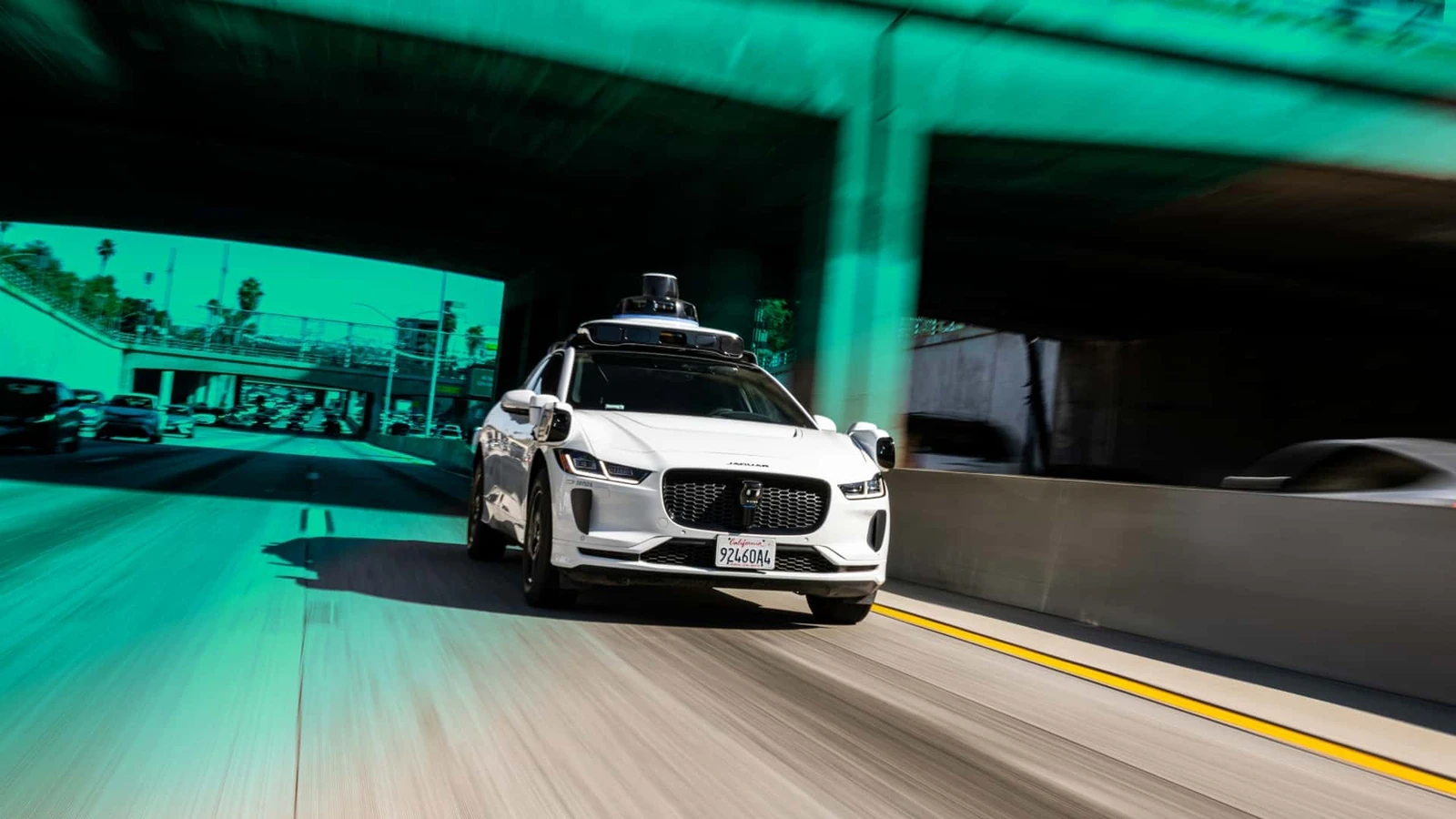
Waymo will stop offering rides through Uber in Austin and Atlanta starting in January 2028, moving those cities onto its own app. Co-CEO Tekedra Mawakana told Bloomberg the decision rests on the Uber app's inability to guarantee that a rider gets a driverless car.

Today those two cities are the exception: they are the places where a Waymo can only be booked through Uber, under an exclusive arrangement between the two companies. From 2028 they will work like the more than two dozen other US cities where Waymo already runs its own booking service.

Mawakana's explanation is about consistency rather than technology. Uber riders can switch on autonomous rides in the app's settings, but whether a Waymo turns up depends on how many of the cars are nearby. If none is, the app matches the rider with a human driver.

Uber proposed adding a dedicated robotaxi option so customers would be matched with driverless cars more reliably, and Waymo declined, according to the report.

"In the early days, we would partner because we didn't have the scale," Mawakana told Bloomberg, describing the partnering as "a little bit of a crapshoot". She said customers now want a more consistent experience.

That matters because a robotaxi brand is only as strong as the promise it makes. A rider who opens an app hoping for a driverless car and gets a human-driven one has effectively been given a lottery, not a service. Waymo's own app turns the ride into a guarantee, which is the product it is selling in every other market it serves.

The change turns a partner into a competitor in Austin and Atlanta. Uber is already the default ride-hail app for millions of riders and brings fleet operations and logistics experience, while Waymo is far smaller but growing quickly.

Waymo is a wholly owned subsidiary of Google parent Alphabet, which the report values at over $3.5 trillion. The company says it completes more than 500,000 paid driverless trips a week and operates in 15 US cities, with plans to add over a dozen more in the coming months.

Its lead in the US robotaxi race over Tesla and others is comfortable for now. Ending the Uber arrangement in two cities is a sign of that confidence rather than a retreat: the partnership existed to borrow scale Waymo no longer needs to borrow there.

Waymo still works with Lyft on driverless rides in Nashville, though that arrangement is not exclusive, and it also serves the city through its own app. The Austin and Atlanta exit is therefore a targeted change, not an end to third-party distribution.

Uber, meanwhile, is positioning itself as a broker of robotaxi technology rather than a builder. It plans to have 700 robotaxis online by the end of this year and 2,000 by the end of 2027, and has signed deals with companies including Rivian, Lucid and Wayve to offer their driverless vehicles through its app.

Those two strategies can coexist. Uber can lose Waymo's cars in two cities and still rent out other companies' robotaxis at scale, while Waymo keeps its own app as the front door wherever it can fill demand itself.

Waymo has not said whether Uber will offer its own robotaxis in Austin and Atlanta from 2028. The sources describe Uber's 700 and 2,000 vehicle targets and its deals with Rivian, Lucid, Wayve and others, but do not confirm which vehicles, if any, Uber will run in those two cities once the Waymo arrangement ends.

Also unannounced is what happens to the Uber partnership beyond Austin and Atlanta, and whether the two companies will strike further exclusive deals elsewhere. For now the only confirmed date is January 2028, and the only confirmed change is that Waymo riders in those two cities will book through Waymo.

Open this article ↗

Keep scrolling to read the next story.

Older articles →