INDEPENDENT AUTOMOTIVE NEWSGLOBAL PERSPECTIVE / AUSTRALIAN EDITION
TDCNTHE DAILY
CAR NEWS.

The road ahead.
Every day.

RSS ↗
Latest/Electric

269 original articles

Electric / TDCN ORIGINAL

Used EVs sell faster than petrol and hybrid cars, iSeeCars study finds

The analysis of 1.5 million one-to-five-year-old vehicles puts average used EV prices at $32,533, between hybrids and petrol models.

Used electric vehicles are leaving dealer forecourts faster than petrol or hybrid cars, according to a study by the used-car analytics firm iSeeCars. The report, covering more than 1.5 million vehicles aged between one and five years old, found used EVs averaged 41.9 days on the market in September 2026, around 13 days fewer than petrol cars.

The finding comes despite used EV prices climbing sharply over the same period. Used EVs averaged $32,533 in September 2026, up 9.8 percent year on year, while hybrid prices rose 4.9 percent and petrol vehicle prices moved less than half a percent.

How the three powertrains compare on price and speed

Hybrids were the most expensive of the three categories on average at $34,476, with petrol cars the cheapest at $31,954. Hybrids also sat in the middle on selling time at about 48.6 days.

The direction of travel differs sharply by powertrain. Compared with September 2025, used EVs sold 10.1 percent faster, while petrol cars took 19.9 percent longer to move. That gap is the more telling number: buyers are not simply paying more for electric cars, they are choosing them over the alternative at a faster rate even as the price advantage disappears.

iSeeCars traces the price run to April 2026, when used EV values began rising steadily, peaking in August. The firm links the shift to soaring petrol prices in the United States.

The fastest-selling models overall are still petrol

Petrol cars hold the top two places on the overall fastest-selling list. The Lexus IS500, which ended production in 2025, leads, followed by the Audi A4 Allroad.

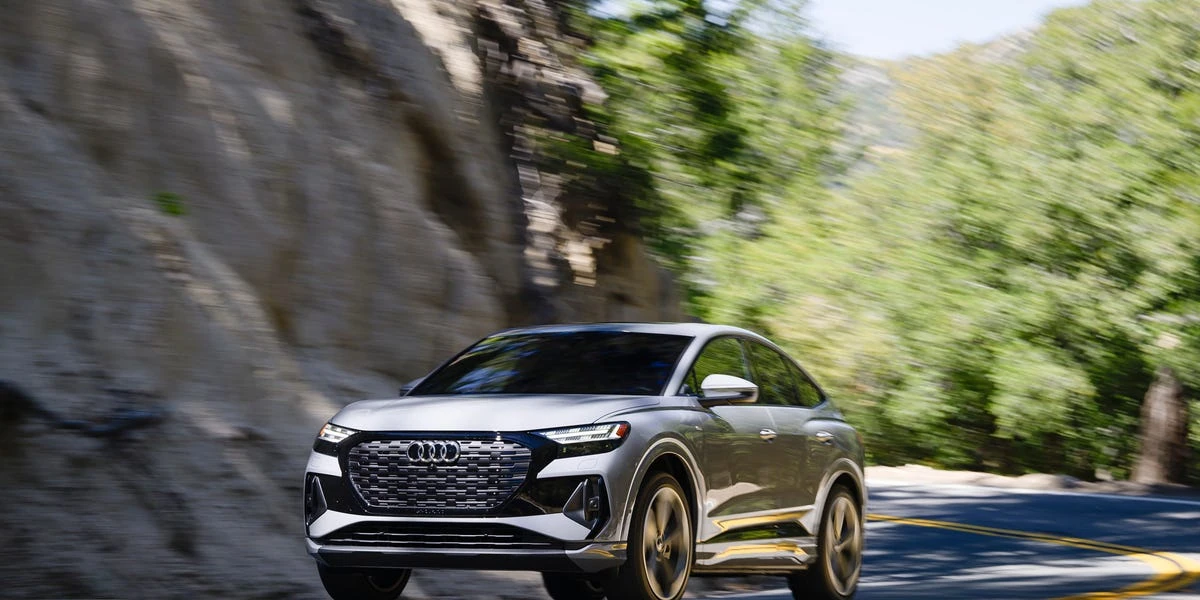
The first EV on that list is the Audi Q4 e-tron Sportback in third, at an average of 29.8 days on the market. Among EVs specifically, the fastest sellers were the Audi Q4 Sportback e-tron, the Toyota bZ4X and the Lexus RZ 300e.

Tesla did not place on the top-ten fastest-selling list, but its models posted some of the largest price gains of the year. The Model S averaged $10,636 more than in September 2025, the Model X rose by $9,336 and the Model 3 by about $3,870.

Luxury models more broadly outsold mainstream ones among used-car shoppers not looking at electric vehicles.

What the figures do and do not show

The study is a snapshot of dealer stock and selling times rather than a measure of total EV demand, and iSeeCars' figures are its own analysis rather than an official industry statistic. The data also covers the US market only, so it says nothing directly about used EV trends in Australia or elsewhere.

For buyers, the practical read is that the used EV market is tightening: cars are moving quickly and prices are climbing, so the bargains that characterised the segment in earlier years are thinning out. Shoppers weighing a used electric car against a petrol equivalent now face a smaller price gap than a year ago, but a much smaller choice of stock sitting still on forecourts.
Open this article ↗
Performance / TDCN ORIGINAL

McLaren's 750S replacement may be called McL 820 with 809 hp

A kiwi sculpture in London's Covent Garden appears to carry the name of McLaren's next supercar, though the company has not confirmed it.

Image: Carscoops

McLaren's replacement for the 750S may be called the McL 820 and produce 809 hp, if lettering spotted on a kiwi sculpture in London's Covent Garden is a teaser for the car. The sculpture, painted orange and black, carries the text "McL 820", which Autocar spotted and read as a hint at next year's supercar.

McLaren has already confirmed that 750S production ends in 2027, so the replacement is expected to arrive before then. The name and power figure remain unconfirmed by the manufacturer.

What the sculpture suggests

The kiwi is McLaren's traditional mascot, a nod to founder Bruce McLaren's New Zealand roots, and the automaker recently placed a large sculpture of the bird in the busy central London shopping district. The orange lettering "McL 820" on the artwork led Autocar to deduce that it teases the 750S replacement.

If the badge follows McLaren's current numbering system, 820 metric horsepower equates to 809 hp. That would put the new car within 10 hp of Ferrari's 819 hp (830 PS) 296 GTB, though McLaren is expected to use a twin-turbocharged V8 rather than the Ferrari's V6. It would also be 70 hp stouter than the 750S it replaces.

A new prefix and a wider shake-up

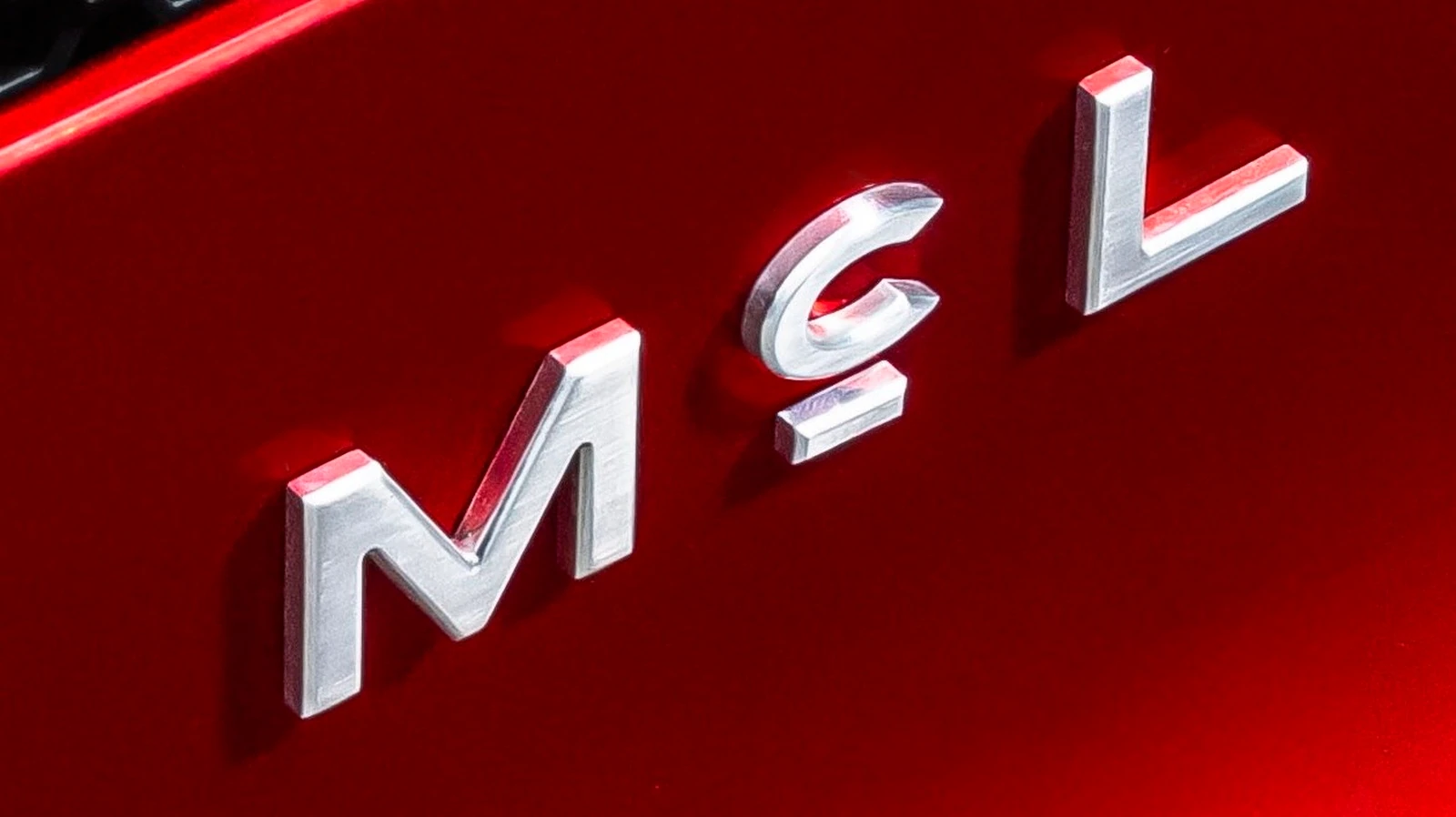
The name would also introduce the "McL" prefix, which McLaren first used on the McL 6GT earlier this year. The McL 6GT is a limited series supercar priced at $1.5 million, and it carries McLaren's first manual transmission since the F1 of the 1990s.

McLaren is now owned by Abu Dhabi investment fund L'imad, which is overhauling its operation and philosophy. That shift will result in McLaren finally building an SUV to rival the Lamborghini Urus and top-spec Porsche Cayennes. The company is also building a second factory in the UK and will soon assemble its engines in-house, after years of subcontracting to Ricardo.

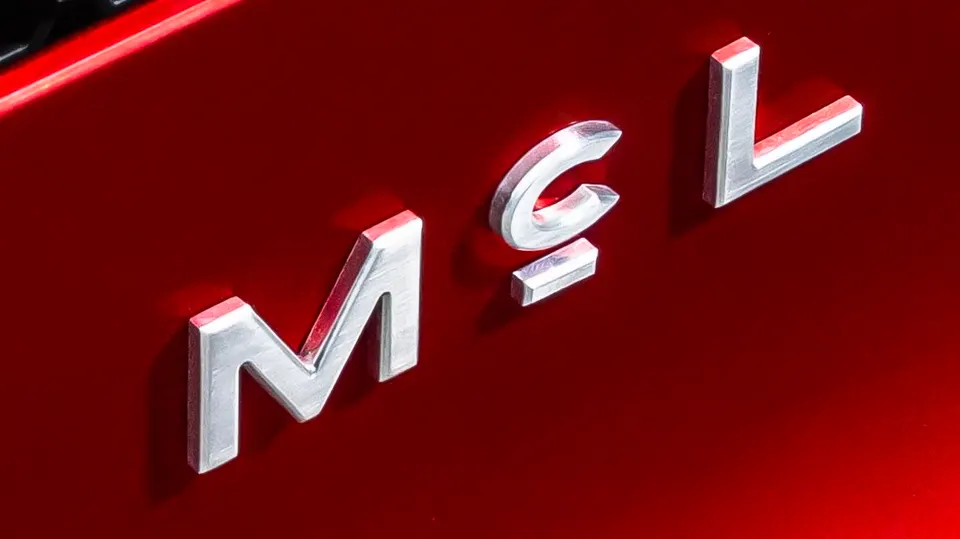
The 'McL' badge hints at the new naming prefix for McLaren's 750S successor
The 'McL' badge hints at the new naming prefix for McLaren's 750S successor, Image: Carscoops

What is still unknown

McLaren has not announced pricing for the McL 820, and it has not confirmed the name or the power figure itself. The car's on-sale date beyond "next year" has also not been officially stated.

Open this article ↗

Keep scrolling to read the next story.

Older articles →