INDEPENDENT AUTOMOTIVE NEWSGLOBAL PERSPECTIVE / AUSTRALIAN EDITION
TDCNTHE DAILY
CAR NEWS.

The road ahead.
Every day.

RSS ↗
Latest/New cars

279 original articles

New cars / TDCN ORIGINAL

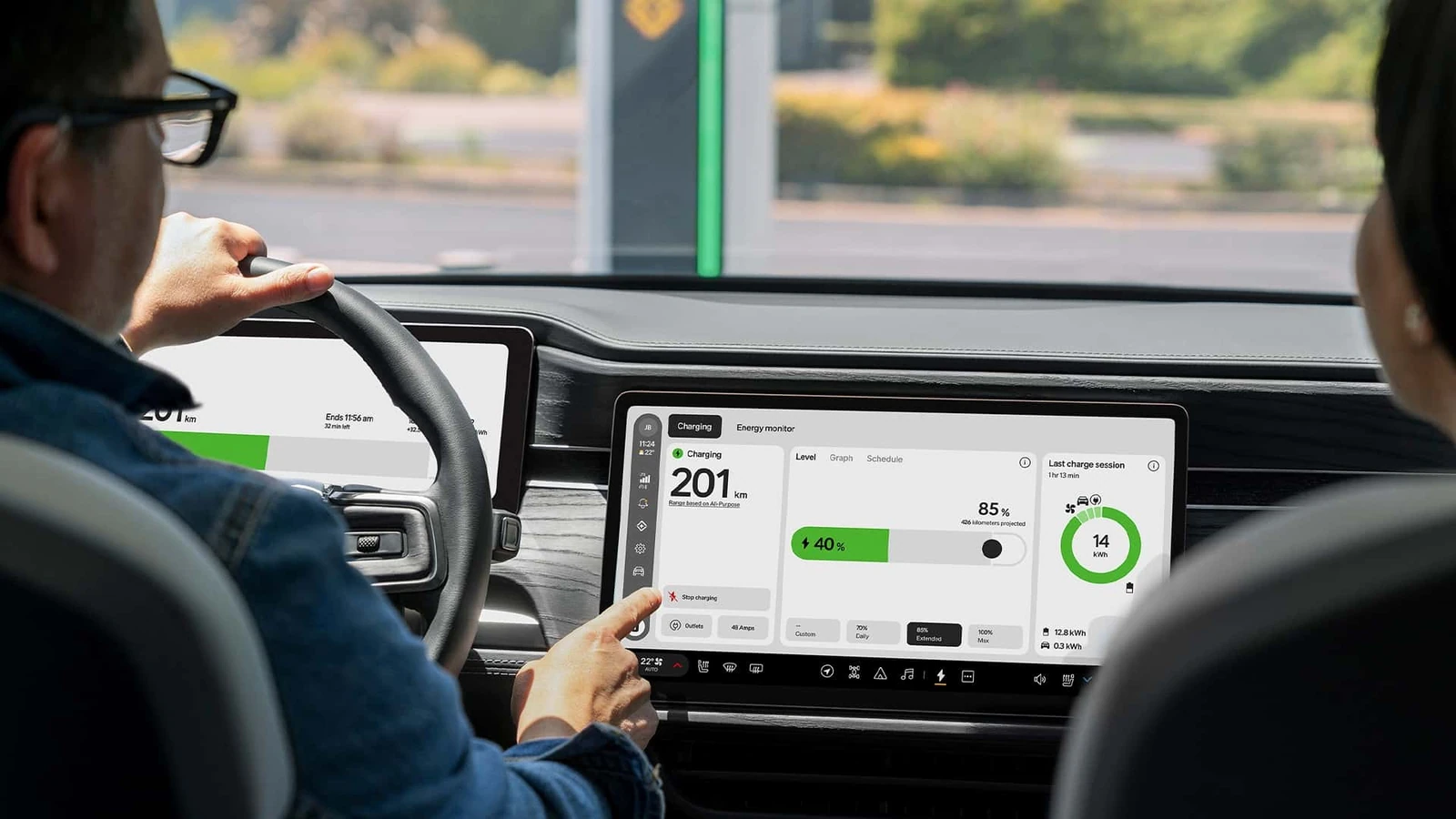
Rivian plans AI coffee ordering and automated service booking for 2027

Rivian's chief software officer says the assistant will eventually run almost every touchscreen function by voice, but the flashier integrations are still being refined.

Rivian intends to launch a set of AI features in 2027 that let its in-car assistant order coffee along a driver's route and handle vehicle service automatically, according to Chief Software Officer Wassym Bensaid.

Speaking on the Plugged-In Podcast, Bensaid said much of the work is already underway but needs to become more reliable before a wider release, adding: "We're very close".

Coffee on the route and service that books itself

The coffee feature would have the assistant pick the right place at the right time so the drink is at the right temperature when the driver arrives, Bensaid said. On the service side, Rivian's AI is intended to proactively diagnose problems, arrange a service appointment and confirm the service centre has the correct parts before the owner turns up.

Bensaid framed that as "a complete paradigm shift" in the service experience, describing it as both a better customer experience and a cost efficiency lever that helps Rivian be more competitive on service.

The catch is that none of this is a single switch to flip. Bensaid said the features need more tuning and refinement, some of it internal and some involving partners in how requests are grounded and optimised. That explains why a company describing itself as "very close" is still pointing to 2027 rather than the next over-the-air update.

What the assistant already does

Rivian launched its in-house AI assistant in May, pitching it as more than a ChatGPT-style question answerer that switches on the A/C or sends texts. At launch it could work with Google Calendar so drivers could move meetings on the fly, and Gmail integration arrived in October.

The assistant can answer general knowledge questions, control vehicle functions and connect to a driver's Google Calendar and Gmail. Owners have nonetheless complained about shortcomings, which Bensaid attributed to the usual tuning and refinement that new features require.

Bensaid's longer-term goal is for voice and AI to cover everything a driver can currently do by tapping the touchscreen, describing that deep OS integration as the end state. He also raised the prospect of bringing a personal digital ecosystem into the car and connecting with other agentic experiences.

Which Rivians, and at what price

Rivian has not announced which models will receive the 2027 features. The assistant was pitched as deeply integrated into the R1S and R2, but the sources do not confirm a model-by-model rollout for the coffee ordering or automated service functions.

Nor has Rivian said whether the new features will cost extra. No subscription or pricing detail appears in the reported plans, so for now the safe assumption is that nothing has been confirmed either way.
Open this article ↗
Electric / TDCN ORIGINAL

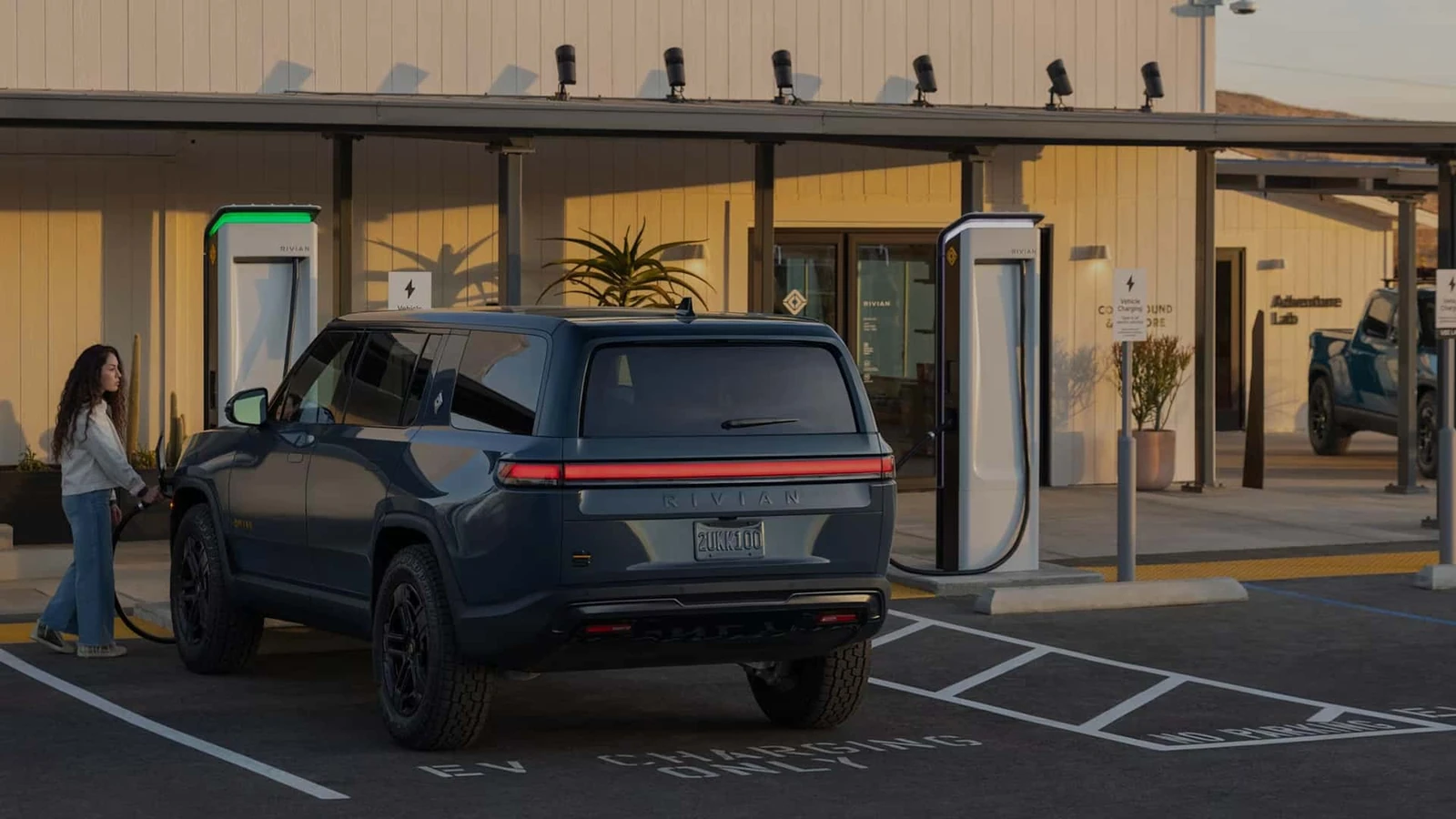
Rivian's Adventure Network passes 1,100 fast-charging ports after 39% growth

The company's Q3 filing shows 1,185 DC ports at 165 sites, while its slower Waypoint chargers have barely expanded.

Rivian's Adventure Network has grown to 1,185 DC fast-charging ports across 165 locations in the United States, a 39% increase in port count over the past year, according to the company's third-quarter earnings report. The station total rose 26% over the same period.

The expansion comes even though Rivian's vehicles can already plug into tens of thousands of public DC chargers nationwide, including Tesla Superchargers fitted with NACS connectors. Rivian is investing in its own purpose-built charging stalls regardless.

What the network now includes

The Adventure Network ports can deliver up to 300 kilowatts each. Rivian says every kilowatt-hour dispensed through a RAN charger is matched with renewable energy sources, which may be generated in another town or state rather than at the charger itself.

That matching arrangement is a bookkeeping exercise rather than a guarantee that the electrons flowing into a given car came from a solar array or wind farm. It is a common way for charging operators to make renewable claims, and drivers should read Rivian's 100% renewable wording with that in mind.

Waypoint chargers left behind

Rivian's slower Level 2 Waypoint network has received far less attention. It went unmentioned in the company's most recent documents. Data from the Department of Energy's Alternative Fuels Data Center shows Rivian installed just ten 11-kilowatt Waypoint chargers this year, with the most recent pair going online in October.

In total, Rivian operates 540 Waypoint Level 2 chargers at 208 locations in the U.S.. The contrast is stark: the DC network added hundreds of ports in a year while the Level 2 network added ten, which suggests Rivian sees fast charging as the priority for its infrastructure spend.

Still a small player against Tesla

Rivian remains a minor presence in a fast-moving charging industry. Tesla, the largest operator in the U.S., has more than 40,000 fast-charging ports at nearly 3,300 locations, plus roughly 14,000 Level 2 Destination Chargers at almost 4,000 sites.

For Rivian owners, the practical effect is that the Adventure Network functions as a branded backbone rather than a complete solution. The company's own chargers sit alongside a much larger public network that its cars can already use, so the value of the RAN build-out lies in reliability and the driving experience at Rivian-specific sites, not in filling gaps that would otherwise leave drivers stranded.

Open this article ↗

Keep scrolling to read the next story.

Older articles →