INDEPENDENT AUTOMOTIVE NEWSGLOBAL PERSPECTIVE / AUSTRALIAN EDITION
TDCNTHE DAILY
CAR NEWS.

The road ahead.
Every day.

RSS ↗
Latest/New cars

304 original articles

New cars / TDCN ORIGINAL

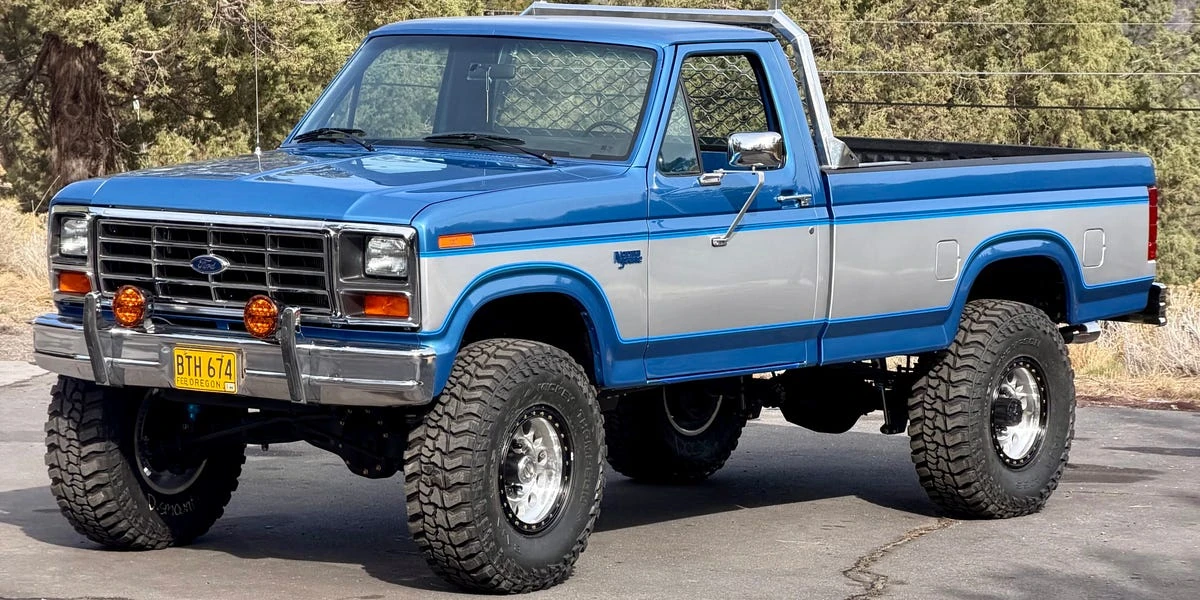
Ford and a mechanic turned an $800 1985 F-250 into a 575-hp Raptor tribute for SEMA

The build, documented in a 92-part social media series, swaps the truck's blown engine for a 460-cubic-inch Boss V-8 and goes on display in Las Vegas from November 3 to 6.

Ford Performance and Oregon mechanic Matt Johnson have completed a Raptor-inspired 1985 Ford F-250 restomod, and the truck is on display at SEMA in Las Vegas from November 3 to 6. The build started life as an $800 shop truck with a blown engine sitting behind Johnson's shop.

Johnson, who restores older off-roading vehicles and posts the work under his Doc Johnson Restorations accounts, built the truck with backing from Ford Performance and documented the process across a 92-part social media series. The finished machine carries a 575-hp 460-cubic-inch Boss V-8 from Ford Racing paired with a Ford R680 six-speed automatic transmission.

How a Land Cruiser detour led to a bullnose F-250

The project did not begin as a Ford at all. Johnson had planned to fit an EcoBoost engine into an old Toyota Land Cruiser, and a call to Ford Racing Parts opened talks about a collaboration. Ford later suggested a small-block Heritage motor for the Land Cruiser, but Johnson replied with a photo of the 1985 F-250 behind his shop, arguing the small-block belonged in a classic Ford. The bullnose F-250, nicknamed Norma Jeane, became the subject of a full makeover.

The original engine was pulled and replaced with the Boss V-8, and Johnson installed a custom-made suspension kit among a long list of jobs that ran down to weatherstripping the windows. Much of the truck is now new, but it keeps its 1980s character, hubcaps and vintage-style stereo included. That mix is the point of a restomod like this: the mechanical package is modern, while the shape and trim stay true to the truck Ford built four decades ago.

A 40-day plan that stretched into a SEMA build

The build was originally meant to be finished in 40 days, but when Ford proposed bringing the truck to SEMA, the schedule stretched into a much longer project. Along the way Johnson built an audience of 425,000 Instagram followers, with a larger following on Facebook, under his shop account. His latest post showed the F-250 being loaded onto a transport truck for the trip from Klamath Falls, Oregon, to Las Vegas.

"Honestly, it's a crazy story, and I feel blessed to be a part of it," Johnson said in a press release. "The truck, and the project itself, took on a life of its own. In many ways, I'm just along for the ride."

Why the Raptor name fits a 1985 truck

Ford's first Raptor did not appear until 2008, when the high-performance F-150 SVT Raptor-R took a podium finish at the 41st Baja 1000 in Ensenada, Mexico. The badge has since become shorthand for Ford's widest, most powerful pickups. Johnson's truck imagines what that formula might have looked like roughly two decades earlier, applied to a bullnose F-250 rather than a modern F-150.

The build is a one-off, not a production model, so Ford has not announced a price or a sale date for it. Its value to Ford is promotional: a SEMA booth centrepiece that ties the Raptor name to the company's heritage parts business and to a builder with a large social audience. For anyone shopping for a new Super Duty, the truck is a showcase rather than a preview.
Open this article ↗
Electric / TDCN ORIGINAL

Toyota to build Waymo robotaxis in Japan, with 2027 validation fleet planned

Waymo hardware will be fitted to bZ4X electric SUVs at Toyota's Takaoka plant, with UK deliveries to follow on an unconfirmed schedule.

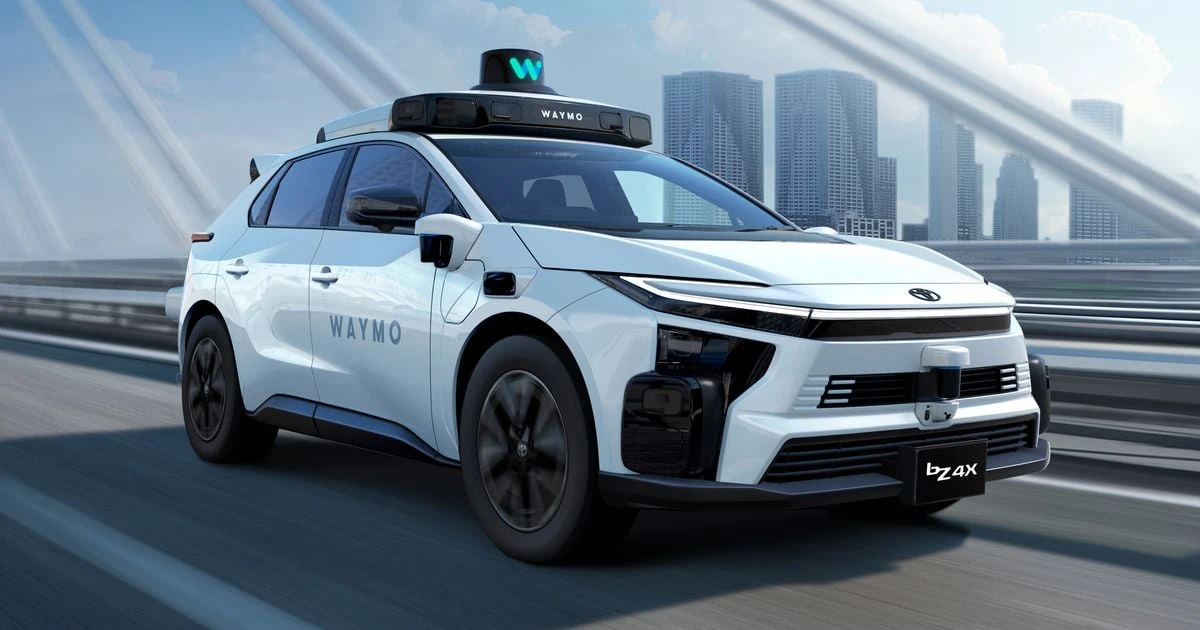
Toyota will build self-driving Waymo taxis based on the bZ4X electric SUV, with a validation fleet expected on Japanese roads in 2027. The vehicles will be assembled at Toyota's Takaoka factory in Toyota City, alongside conventionally driven bZ4X models, with Waymo's cameras, radars and lidar installed at the plant.

Cars will also be sent to the UK and other countries, but neither partner has confirmed timing for those markets, and neither has said when the bZ4X Waymo will begin carrying paying passengers.

What Toyota is building for Waymo

The robotaxis are bZ4X electric SUVs fitted with Waymo's autonomous driving hardware and software. Beyond the self-driving kit, Toyota says the cars will get automatic doors, an electric tailgate and ambient lighting.

Building the vehicles in-house at Takaoka, rather than shipping base cars elsewhere for sensor installation, keeps the robotaxi on the same line as the retail bZ4X. That gives Toyota a route to scale production if Waymo's rollout expands, without standing up a separate assembly operation.

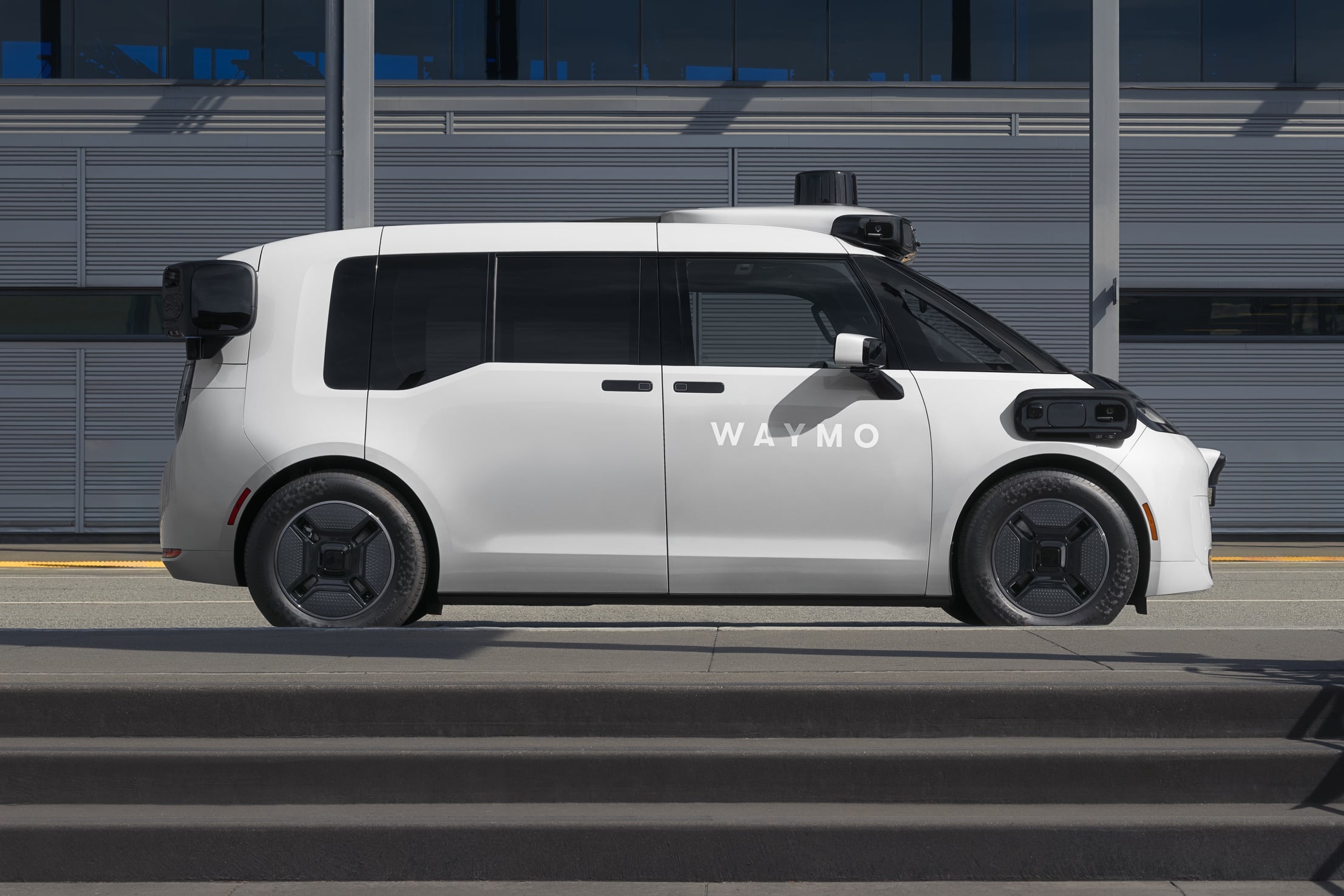
A purpose-built Waymo vehicle shown in profile hints at the dedicated robotaxi designs Toyota and Waymo are working toward.
A purpose-built Waymo vehicle shown in profile hints at the dedicated robotaxi designs Toyota and Waymo are working toward., Image: CarExpert

Where and when the service goes

Japan is the first confirmed market for the Toyota-built vehicles, with the 2027 validation fleet described as the near-term milestone. The UK and further countries are named as destinations, but the schedule for them has not been announced.

Waymo currently offers rides to the public in 15 US cities, from San Francisco and Los Angeles to Tampa and Miami. Over the next year or two it plans to add more US cities, including New York City, and to launch outside the US in Toronto, London, Tokyo and Madrid.

The distinction between a validation fleet and a commercial service matters for anyone expecting to hail one soon: the 2027 Japanese cars are for testing the technology on local roads, not a confirmed taxi launch date.

The fleet Waymo runs today

Waymo's current autonomous taxi fleet is made up of Jaguar I-Pace SUVs and the Waymo Ojai people mover, which is based on Zeekr's Sustainable Experience Architecture. Parts of the Ojai are built in China before final assembly in Mesa, Arizona.

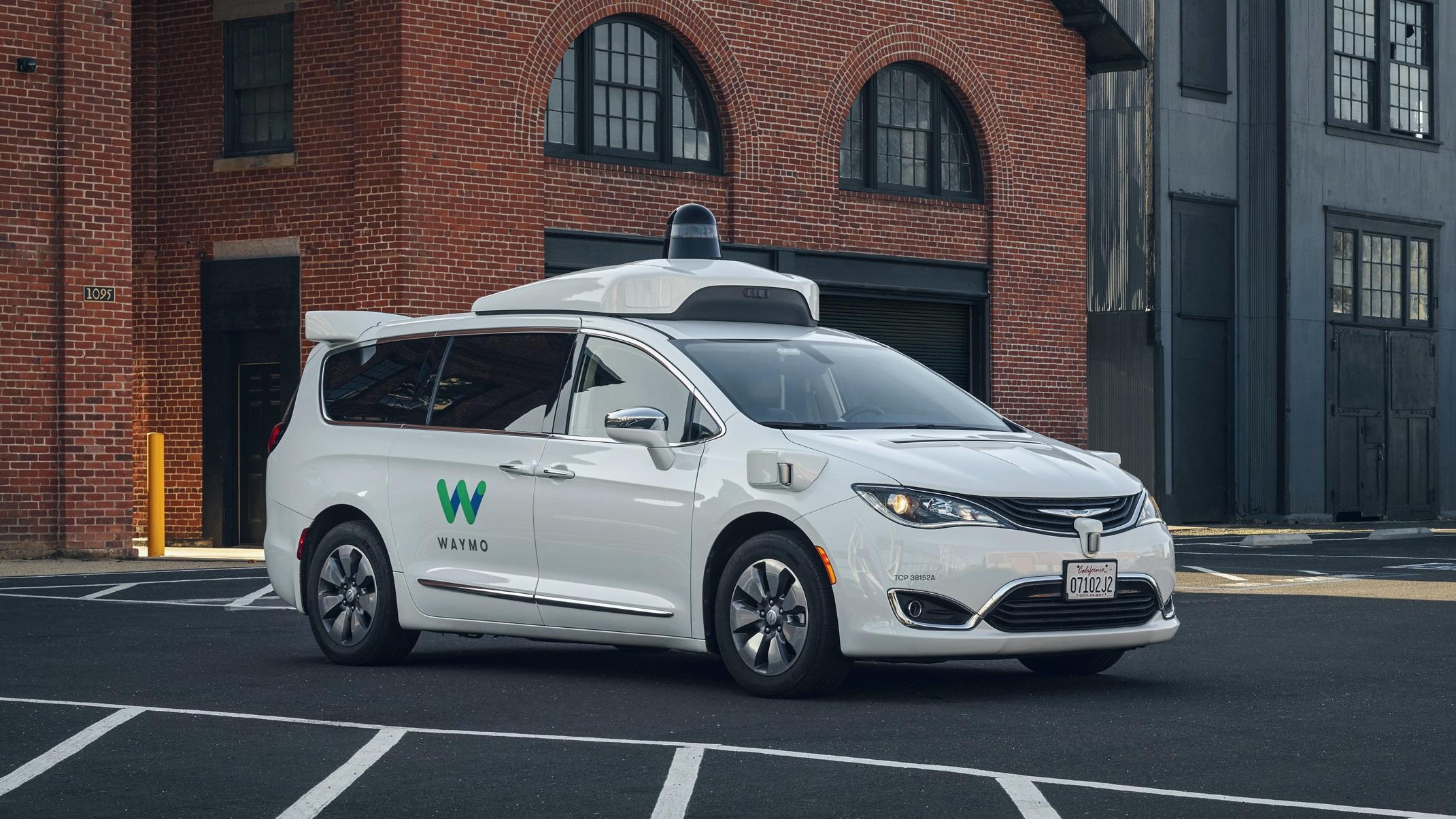
In 2024 Waymo signed a deal with Hyundai for up to 50,000 Ioniq 5 hatchbacks to serve as robotaxis, though how many have been delivered so far is unclear. Earlier, the company used Chrysler Pacifica plug-in hybrid people movers for its ride-hailing fleet.

Toyota joins that list as a manufacturing partner rather than a supplier of a single batch: the arrangement puts a major global carmaker's own factory and quality processes behind Waymo's hardware, which is the kind of volume production robotaxi fleets need to grow beyond a handful of cities.

An earlier-generation Waymo Pacifica minivan illustrates the fleet Waymo has run on public roads.
An earlier-generation Waymo Pacifica minivan illustrates the fleet Waymo has run on public roads., Image: CarExpert

Safety claims and private cars

Waymo co-CEO Dmitri Dolgov said the company's vehicles are "20 times safer than human drivers when it comes to serious crash injuries", a manufacturer claim rather than an independently verified figure in the announcement. Dolgov said Waymo chose Toyota "because of our respect for the legendary safety, reliability, and quality of their vehicles".

Toyota chief technology officer Hiroki Nakajima said: "No single company can achieve the goal of zero traffic accidents alone, but with partners like Waymo, we will get there one step at a time".

The two firms also said they "will continue to explore the future of autonomous driving technology" for privately owned Toyotas. That leaves open the possibility of Waymo-derived systems reaching customer cars, but no model, timeline or specification has been announced.

Open this article ↗

Keep scrolling to read the next story.

Older articles →